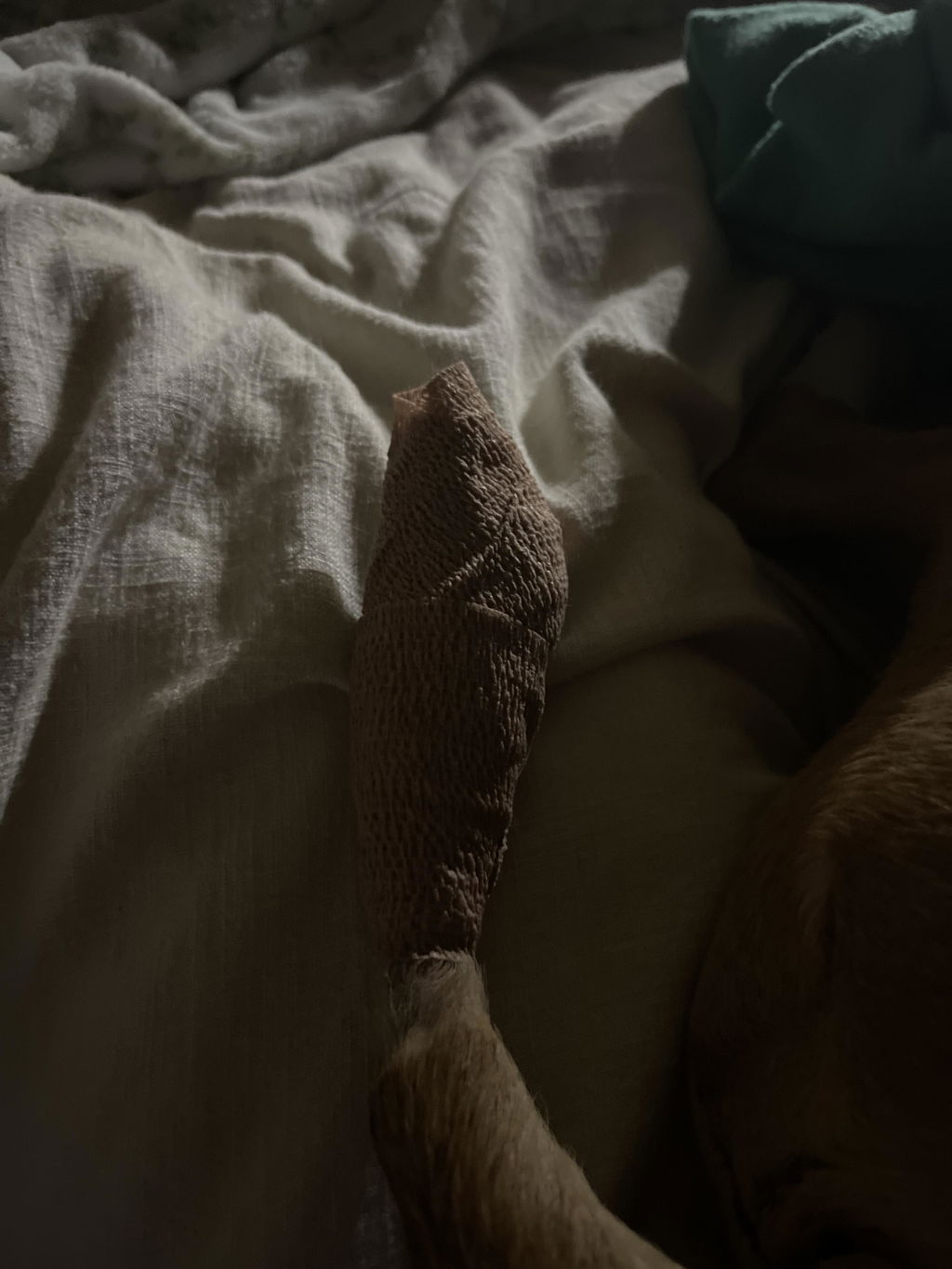
From Trauma to Healing: Helping Your Dog with an Injured Tail

A dog's tail is a remarkable part of their body, serving as an important tool for communication, balance, and emotional expression. When a tail injury occurs, it affects not just your dog's physical health but also their emotional well-being. Understanding how to support your dog through both the physical and emotional aspects of recovery can help them heal faster and return to their happy, wagging selves.
Understanding the Impact of a Tail Injury
Your dog's tail is more than just a wagging accessory—it's the end of their spine and plays a significant role in their daily life:
- Communication: Dogs use their tails to express emotions and communicate with other dogs and people
- Balance: The tail helps with coordination and balance, especially during movement
- Emotional expression: Tail position and movement reflect your dog's mood and feelings
- Physical connection: As part of the spine, tail injuries can cause significant pain
When a tail injury occurs, it disrupts all of these functions, creating both physical pain and emotional distress for your dog.
The Emotional Toll of Tail Injuries
Dogs with injured tails often experience emotional stress that impacts their overall well-being:
Pain and Discomfort
Tail injuries are extremely painful. Your dog may struggle with everyday activities:
- Difficulty wagging their tail
- Discomfort sitting or lying down
- Pain when the tail is touched or bumps against surfaces
- Reluctance to move normally
Anxiety and Fear
The pain from tail injuries can create lasting anxiety:
- Your dog may associate their tail with pain
- They become apprehensive about any touch or contact near the tail
- Fear of situations that previously caused injury (like crates or doorways)
- Increased stress during normal activities
Social Withdrawal
Injured dogs often change their social behavior:
- Avoiding interactions with other dogs or people
- Perceiving others as potential sources of pain
- Becoming more withdrawn or isolated
- Loss of their usual playful, social personality
Behavioral Changes
- Excessive licking or biting at the injured tail
- Restlessness or inability to settle comfortably
- Changes in appetite or sleep patterns
- Whimpering or vocalizing when the tail moves
Your Role in the Healing Process
As a loving pet owner, your support is essential for your dog's physical and emotional recovery. Here's how you can help:
1. Seek Veterinary Care Immediately
The first step is consulting your veterinarian for a complete evaluation:
- Thorough examination to assess the severity of the injury
- Identification of any underlying issues (fractures, infections, necrotic tissue)
- Professional guidance on the best treatment approach
- Prescription medications if needed (antibiotics, pain relievers)
2. Prioritize Pain Management
Keeping your dog comfortable and pain-free is essential for healing:
Veterinary pain management:
- Follow your vet's recommendations for pain-relief medication
- Anti-inflammatory medications to reduce swelling and discomfort
- Never give human pain medications without veterinary approval
Topical pain relief:
- Use Vetericyn Hydrogel Spray every 5 hours to reduce pain, infection, and promote faster healing
- For necrotic (blackened) skin, use honey or honey with silver instead of chemical-based products
Physical comfort:
- Provide a soft, comfortable bed away from hard surfaces
- Minimize activities that cause tail movement or pain
- Keep the environment calm and stress-free
3. Protect the Tail from Reinjury
This is the most important step for successful healing:
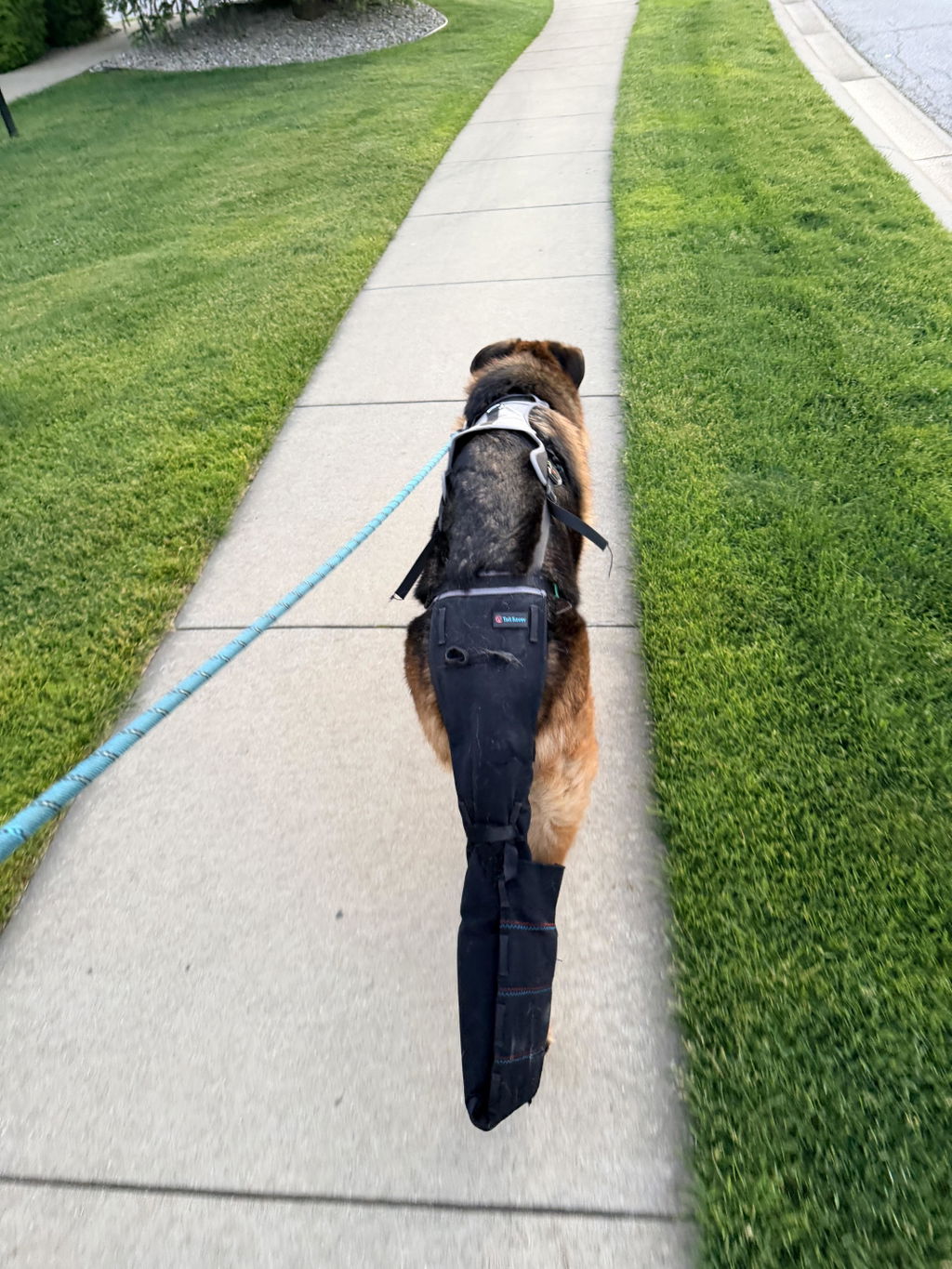
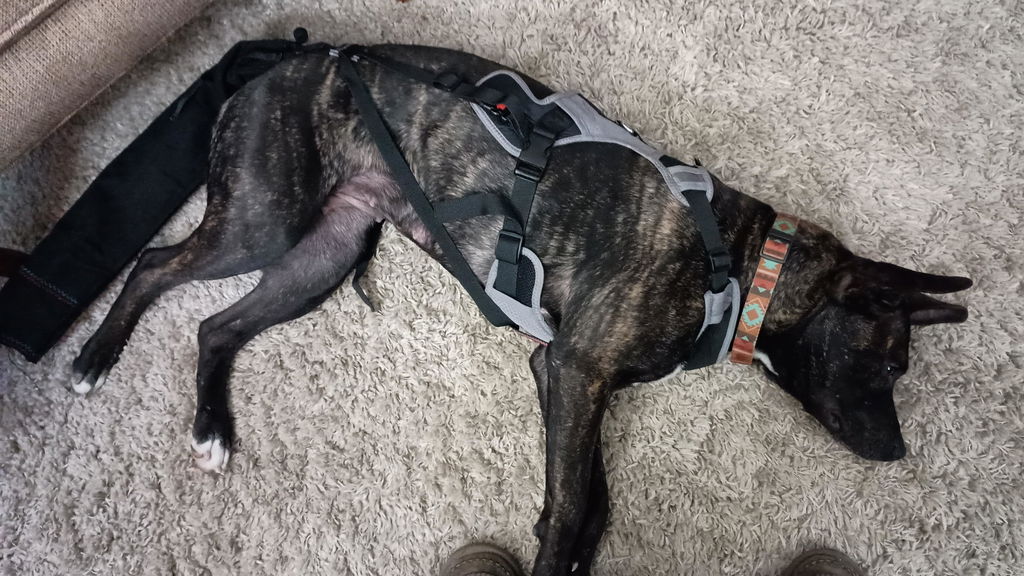
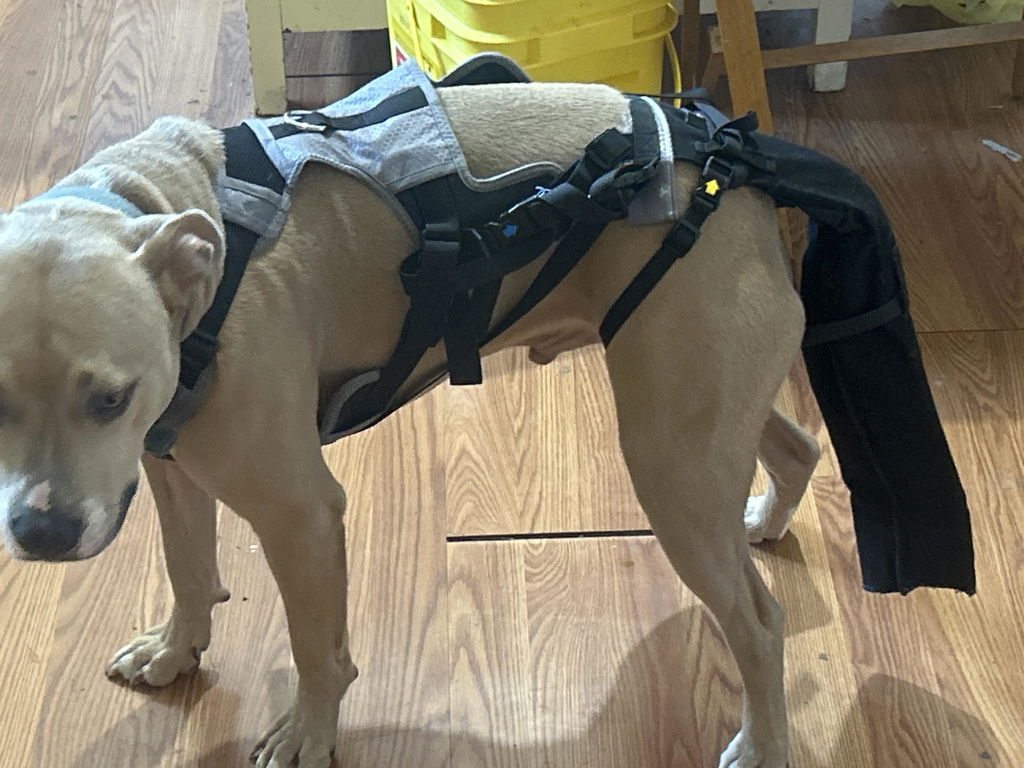
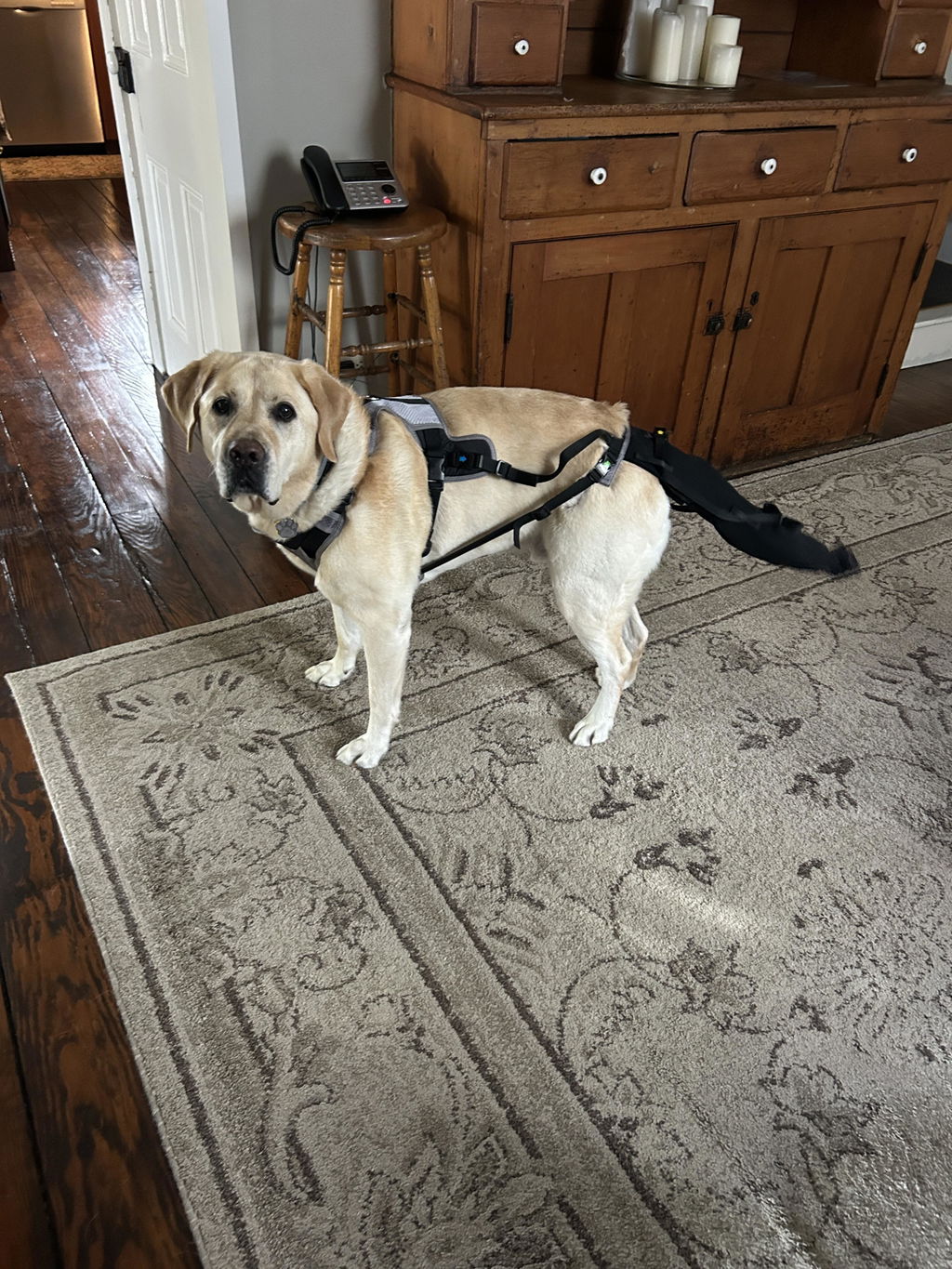
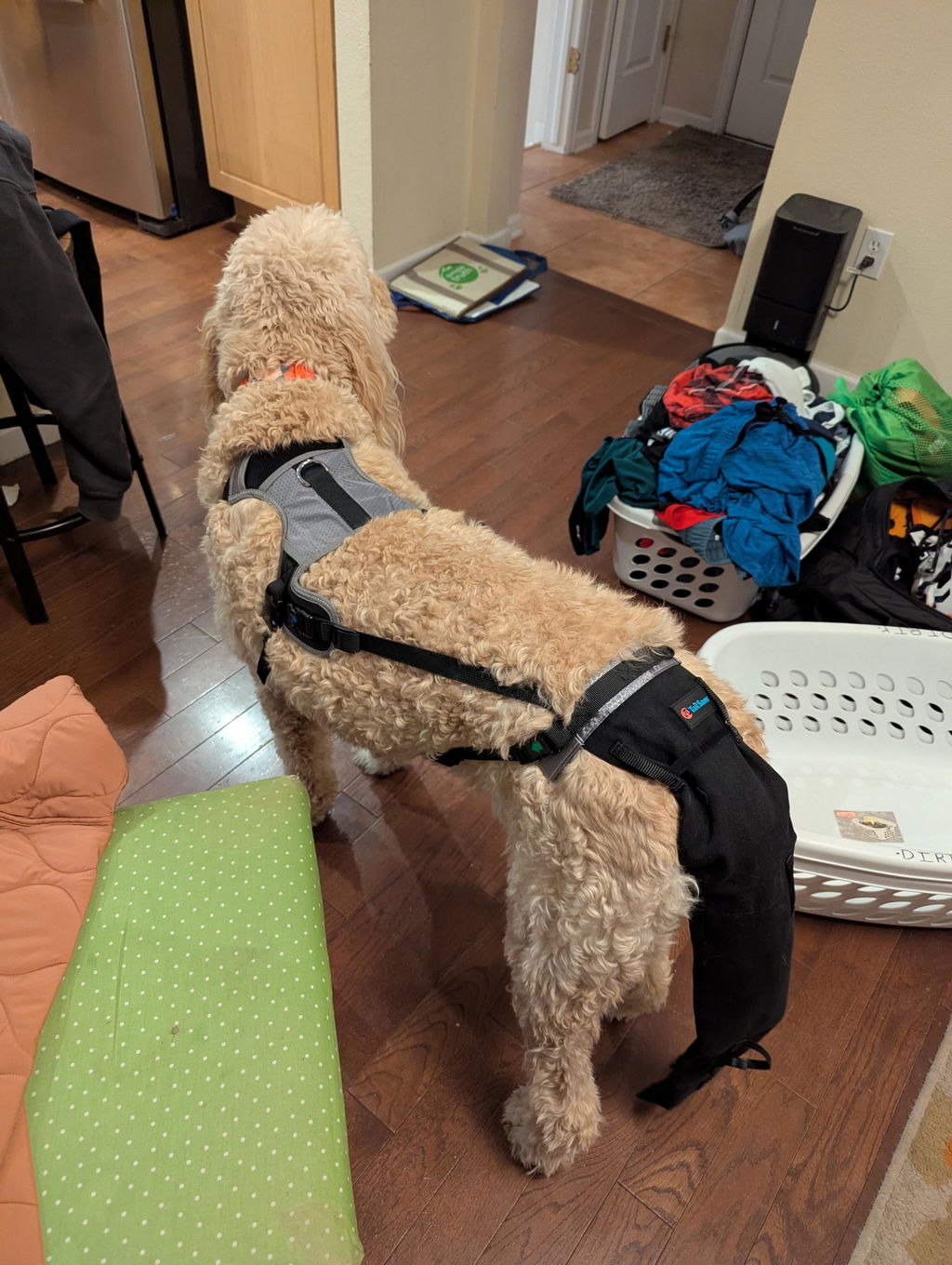
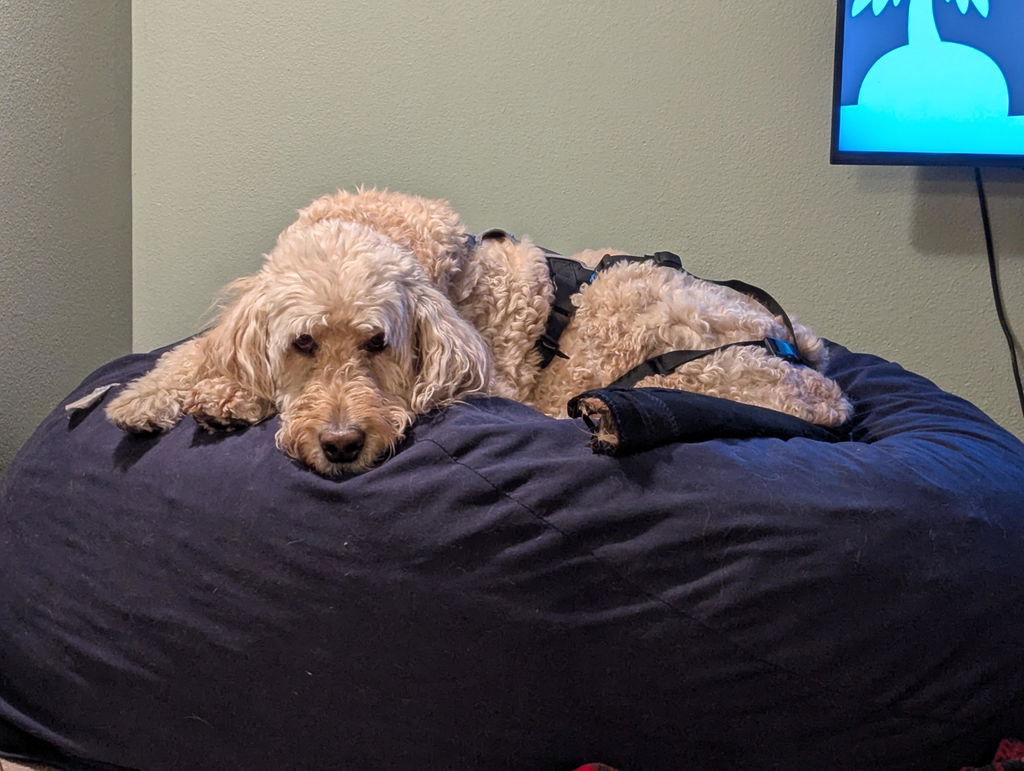
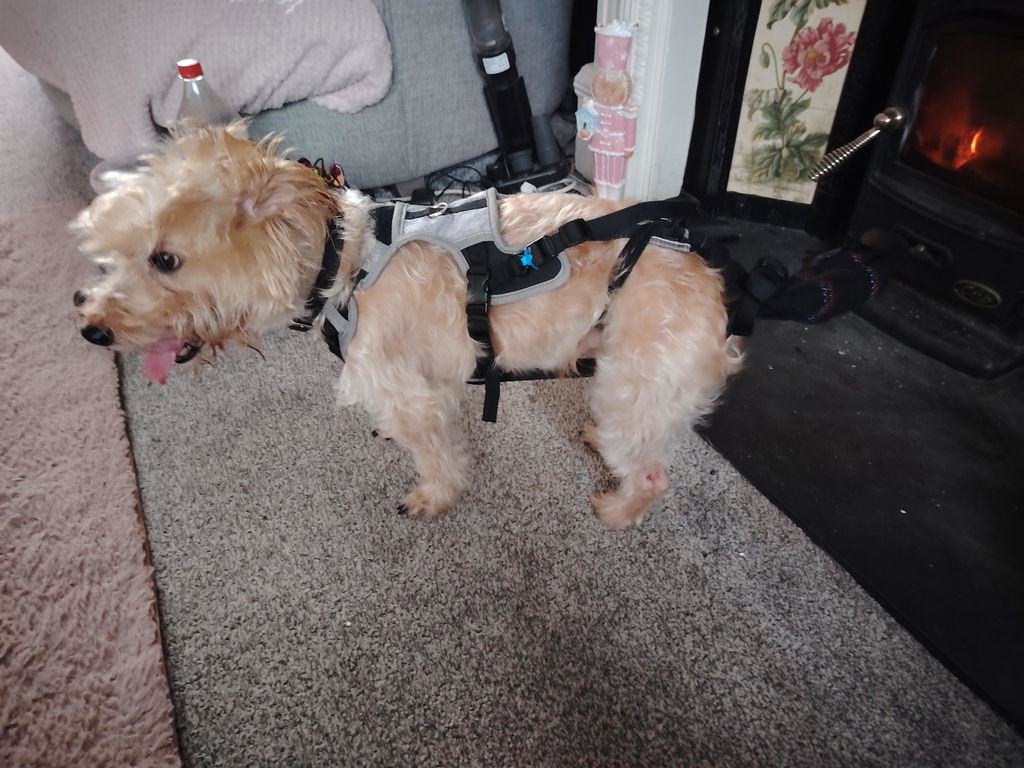
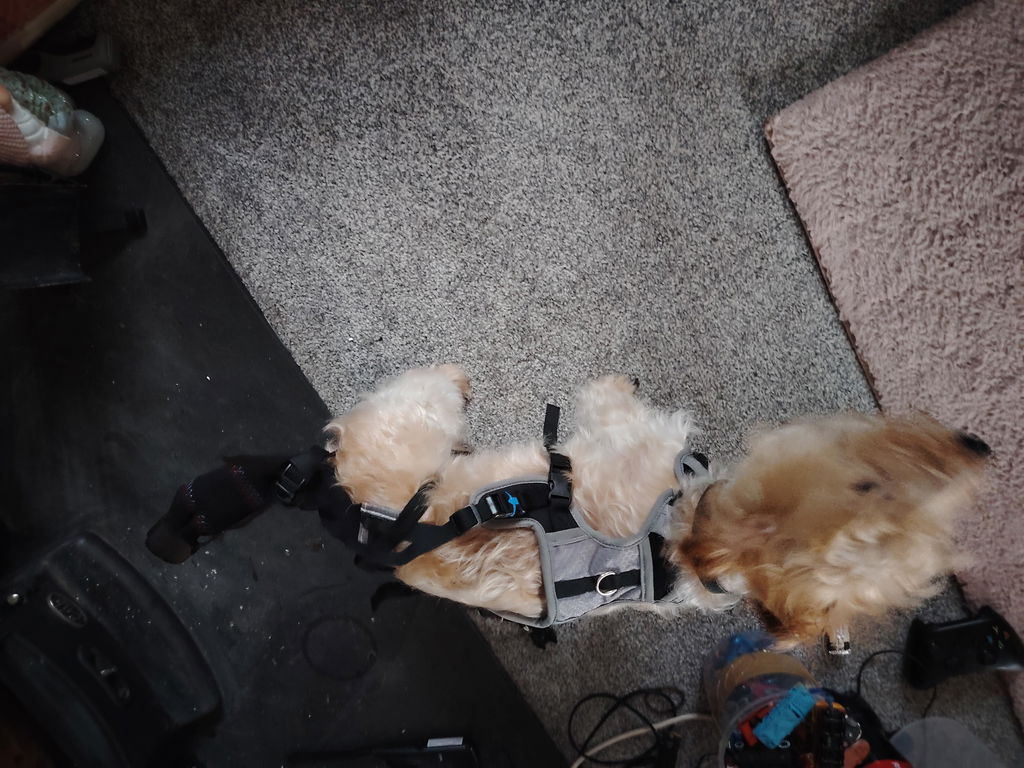
The K9 TailSaver provides reliable protection:
- Prevents your dog from licking or biting the injured tail
- Protects against reinjury from wagging or hitting surfaces
- Stays on continuously without causing stress
- Comfortable enough that dogs don't try to remove it
- Allows bathroom breaks and normal movement
- Promotes faster healing compared to traditional bandaging
- No cone or muzzle needed
4. Provide Emotional Support and Reassurance
Your dog needs emotional care as much as physical care:
- Spend quality time together: Offer gentle affection and companionship
- Use calm, soothing communication: Speak in soft, reassuring tones
- Maintain routine: Keep feeding, walking, and bedtime schedules consistent
- Be patient: Understand that your dog may be more sensitive or anxious
- Avoid forcing interaction: Let your dog approach you when they're ready
5. Create a Safe Recovery Space
Designate a healing environment for your dog:
- Quiet and calm: Away from loud noises, chaos, or high-traffic areas
- Free from hazards: Remove hard surfaces, sharp objects, or anything that could cause reinjury
- Comfortable bedding: Soft, supportive bed where your dog can rest without pain
- Easy access: Food, water, and bathroom access without navigating obstacles
- Safe from other pets: Prevent rough play or accidental bumps during healing
6. Gradually Reintroduce Social Interactions
As your dog heals, help rebuild their confidence:
- Start slowly: Brief, calm interactions with familiar people or dogs
- Monitor comfort level: Watch for signs of stress or anxiety
- Keep it positive: Use treats and praise to create positive associations
- Avoid overwhelming situations: No dog parks or chaotic environments until fully healed
- Let your dog set the pace: Don't force interactions they're not ready for
7. Monitor Progress Regularly
Keep track of your dog's recovery with guidance from your veterinarian:
Physical healing signs:
- Reduced bleeding and discharge
- Wound closing and new tissue forming
- Decreased swelling and redness
- Hair beginning to grow back
Emotional recovery signs:
- Increased interest in play and activities
- More relaxed body language
- Improved appetite and sleep
- Return of social behavior
- Tail wagging (gently at first)
Warning signs requiring veterinary attention:
- Worsening pain or behavioral changes
- Signs of infection (odor, discharge, increased redness)
- Necrotic (blackened) tissue developing
- Wounds not improving after several days
- Increased anxiety or depression
The Path from Trauma to Healing
Helping your dog recover from a tail injury requires addressing both the physical wound and the emotional impact. The journey from trauma to healing involves:
- Immediate medical care: Professional assessment and treatment
- Effective pain management: Keeping your dog comfortable
- Reliable protection: Preventing the reinjury cycle
- Emotional support: Providing reassurance and patience
- Safe environment: Creating space for healing
- Gradual reintegration: Rebuilding confidence and social connections
With proper care and support, most dogs can fully recover from tail injuries and regain their joy and well-being. The key is patience, empathy, and consistent care that addresses both body and mind.
Hope for Recovery
Tail injuries can be distressing and painful for both you and your dog. However, with the right approach—combining veterinary care, effective protection, pain management, and emotional support—your dog can transition from trauma to healing successfully.
In our experience helping over 3,000 dog owners, we've seen countless dogs recover completely when given proper protection and care. Your dog's happiness and comfort are important, and by addressing both the physical and emotional aspects of their recovery, you can help them regain their wagging spirit and return to the joyful companion you know and love.
Final Thoughts
Dog tail injuries can be heartbreaking and expensive—but with the right care and protection, most dogs can heal without surgery and get back to their happy selves.
Other Helpful Resources
We believe in helping dog owners find the best care for their pets. Here are some other trusted sites that have helped us and many dog owners:
PetMD - Happy Tail Syndrome Guide
Expert vet advice on happy tail syndrome treatment and care.
Have Dog Will Travel
Great tips for traveling with dogs and keeping them safe on the go.
Brian's Bandages
Quality bandaging supplies for pet injuries.
PetHelpful
Helpful articles and advice for all kinds of pet care needs.
Continue Your Research
What to do next
If you are ready to stop the re-injury cycle, go to the main K9 TailSaver set now. If fit is your only hesitation, run the size finder first. If your dog is between sizes or actively reopening the wound, text support for a faster fit check.
Shop the main K9 TailSaver set
Find my size first | See first-fit instructions | Text support