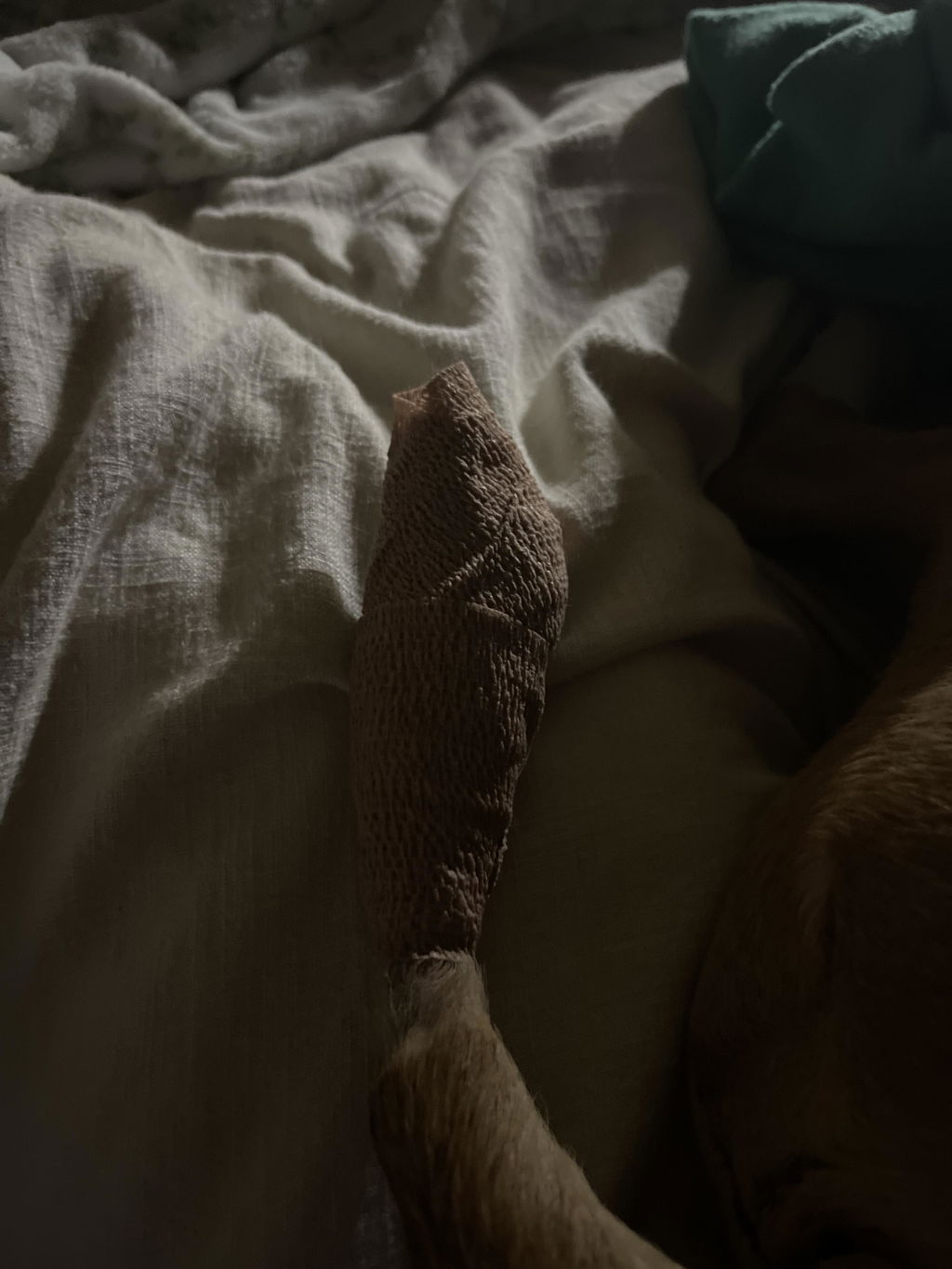
The ABCs of Happy Tail Syndrome Treatment for Dogs
When your dog's enthusiastic tail wagging leads to painful injuries, knowing how to treat happy tail syndrome effectively can make the difference between a quick recovery and expensive complications. This guide provides practical, proven strategies for treating tail injuries and helping your dog heal without surgery.
Understanding Happy Tail Syndrome
Happy tail syndrome occurs when a dog's vigorous tail wagging causes repeated injuries to the tail tip, resulting in bleeding, bruising, or open wounds. Large breeds with strong, whip-like tails are especially susceptible, and the condition often worsens in dogs confined to smaller spaces like crates or kennels.
The challenge with happy tail syndrome is the cycle it creates: the tail gets injured, starts to heal, then gets reinjured with the next enthusiastic wag. Without proper protection, this cycle can continue for weeks or months, leading to serious complications.
Step 1: Assess the Severity of the Injury
The first step in treatment is evaluating how serious the injury is:
Minor Injuries
- Small cuts or scrapes
- Light bleeding that stops with gentle pressure
- Minimal swelling or bruising
- Can often be treated at home with proper care
Severe Injuries Requiring Veterinary Care
- Deep wounds or lacerations
- Persistent bleeding that won't stop
- Signs of infection (redness, odor, discharge, swelling)
- Necrotic (blackened) tissue
- Extreme pain or behavioral changes
- Injuries that keep recurring despite home treatment
When in doubt, consult your veterinarian. Early professional intervention can prevent complications and save you money in the long run.
Step 2: Clean and Care for the Wound
Proper wound care is essential for healing:
Initial Cleaning
- Gently irrigate the injured area with antiseptic rinse to remove dirt and debris
- Avoid harsh chemicals that may irritate the skin or damage tissue
- Pat the area dry with a clean cloth—don't rub
- Apply Antibacterial with Hydrogel spray to reduce infection, pain, and promote faster healing
Ongoing Wound Care
- Spray the wound with Vetericyn Hydrogel every 5 hours, or at least twice daily
- For necrotic (blackened) skin, use natural topicals like honey or honey with silver instead of chemical-based products
- Monitor for signs of infection: increased redness, odor, discharge, or swelling
- Keep the area as clean and dry as possible
Step 3: The Bandaging Problem
Traditional tail bandaging creates serious issues and is not recommended as a long-term solution:
Why Bandaging Often Fails
- Dogs remove them: Most dogs will chew off or pull off bandages within hours
- Bandage-eating: Dogs often eat bandages, causing digestive blockages that require emergency surgery
- Infection risk: Bandages create a moist environment that promotes bacterial growth
- Bloody bandages trigger chewing: Soaked bandages often lead to obsessive chewing behavior
- Constant changes needed: Frequent bandage changes are stressful and expensive
When Bandaging May Be Necessary
For fresh injuries with significant bleeding, you can use a sterile gauze pad secured with vet wrap for 1-2 hours to control bleeding. However, remove it as soon as bleeding slows, and never leave your dog alone with bandages on.
Step 4: Protect the Tail from Reinjury
This is the most important step for successful treatment. Without proper protection, wounds will keep reopening.
Short-Term Protection (Requires Supervision)
- Pull stretchy toddler pants over the hind legs and hips
- Tuck the tail down into one pant leg to immobilize it
- Limitations: Dogs cannot go to the bathroom with pants on, and they may remove them to reach the wound, especially when it's fresh and painful
Long-Term Protection That Works
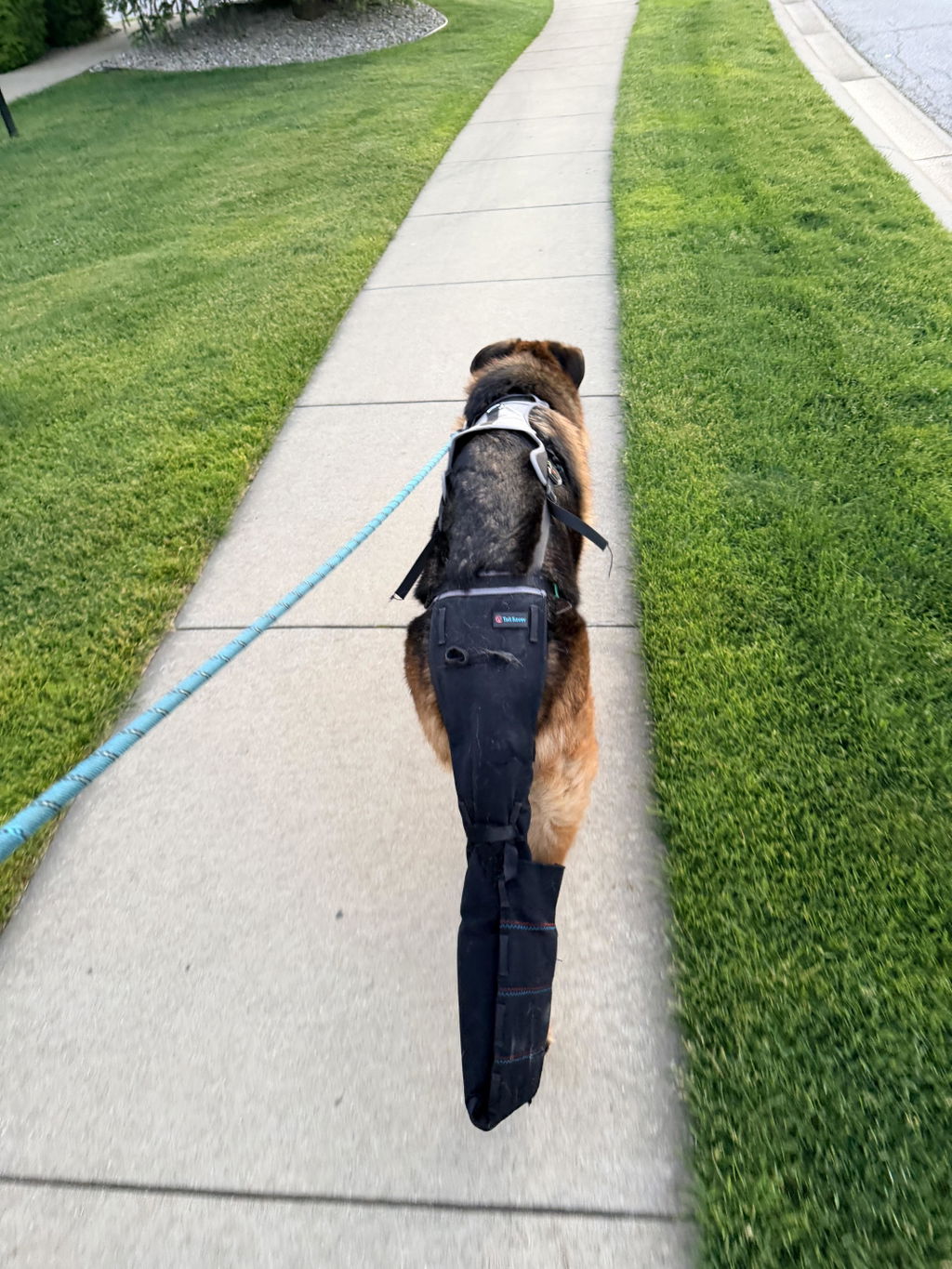
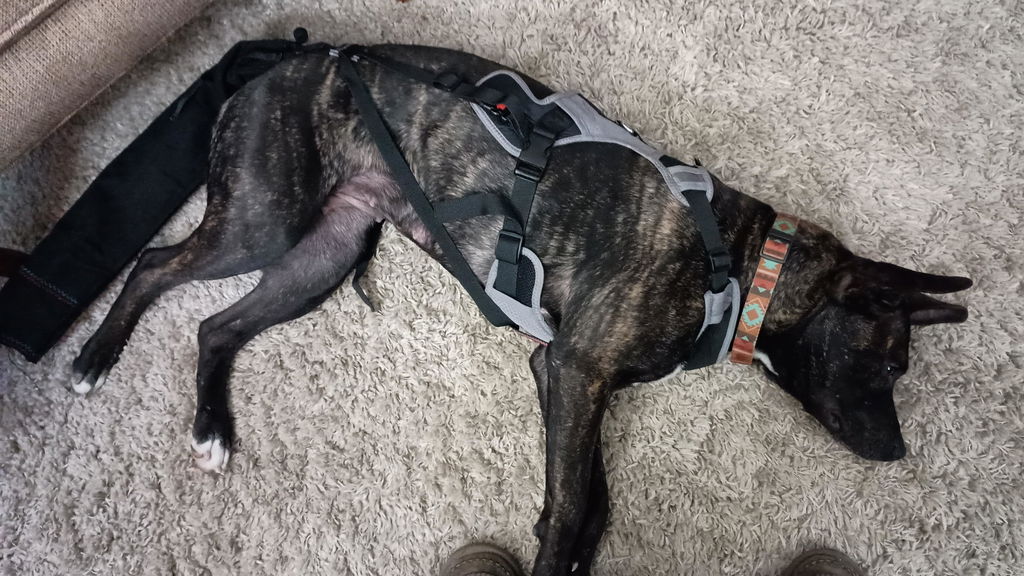
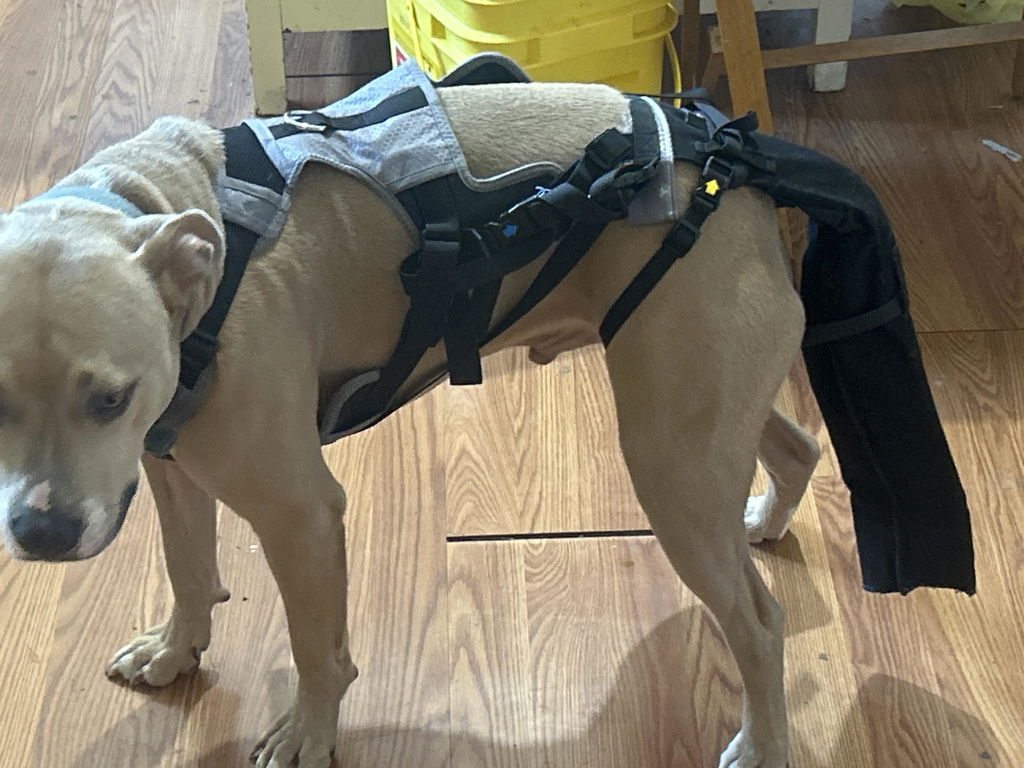
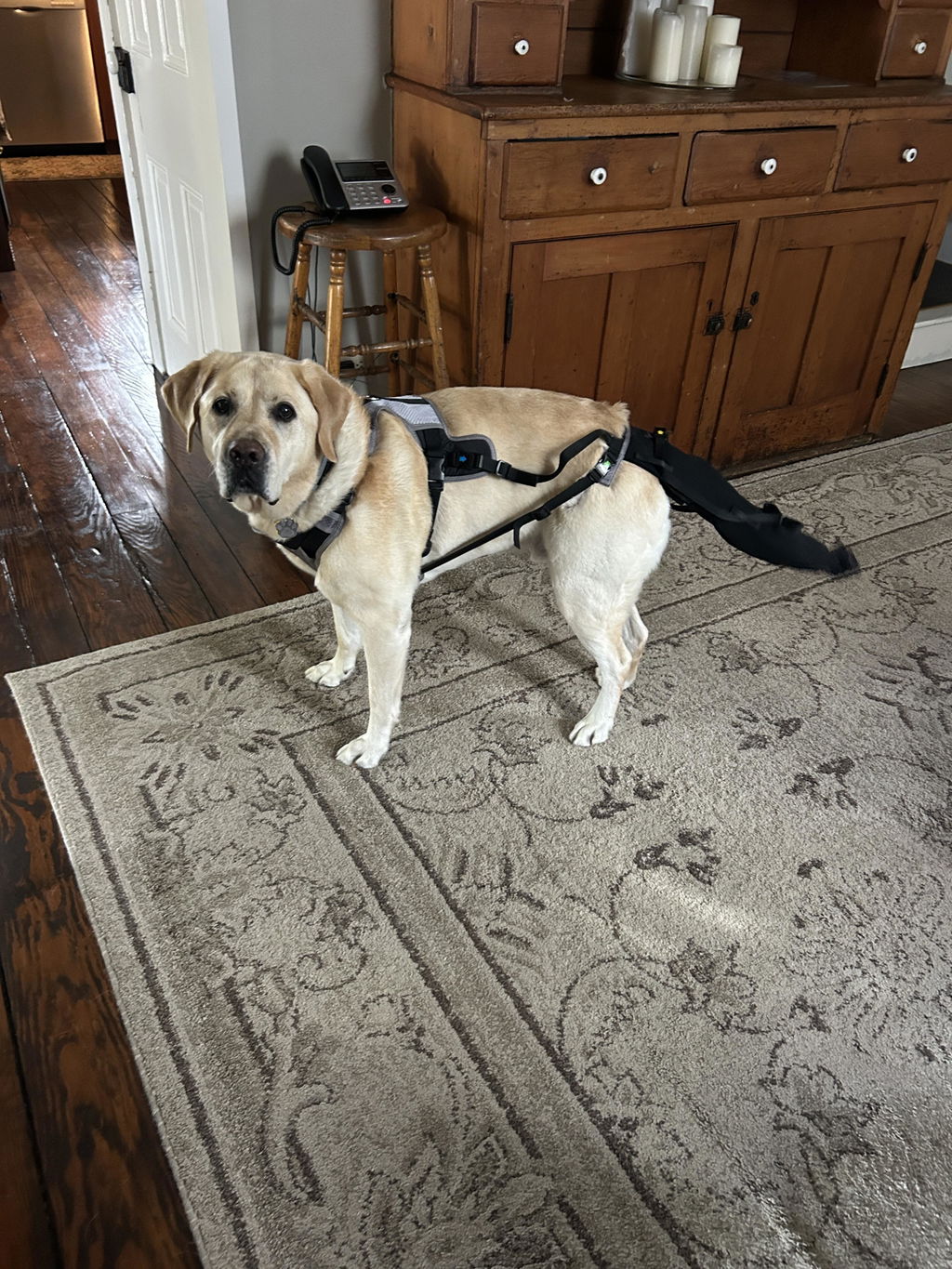
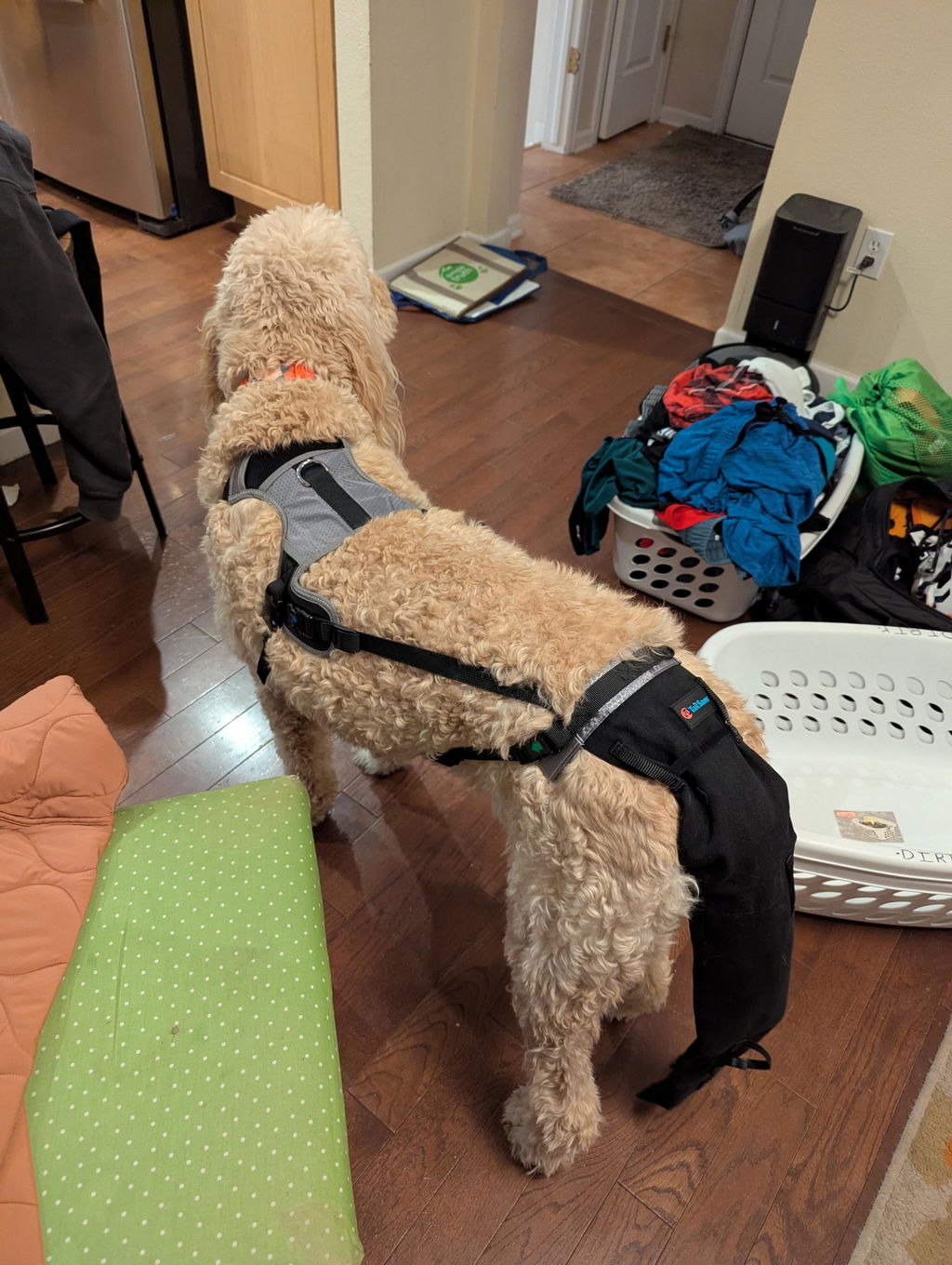
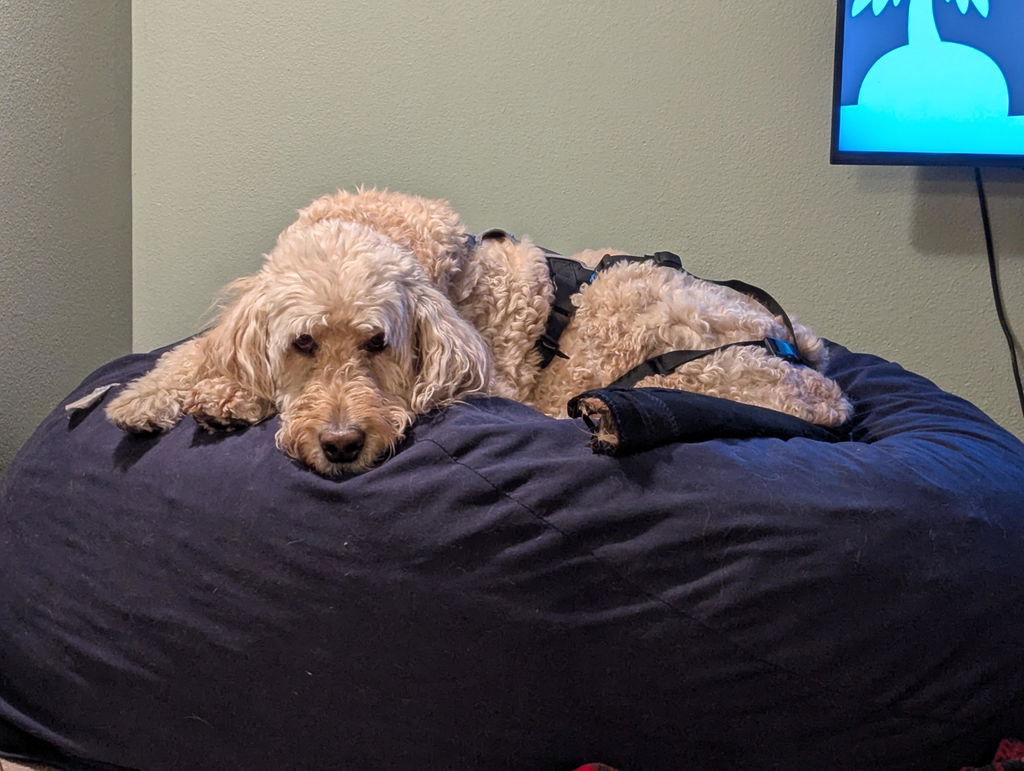
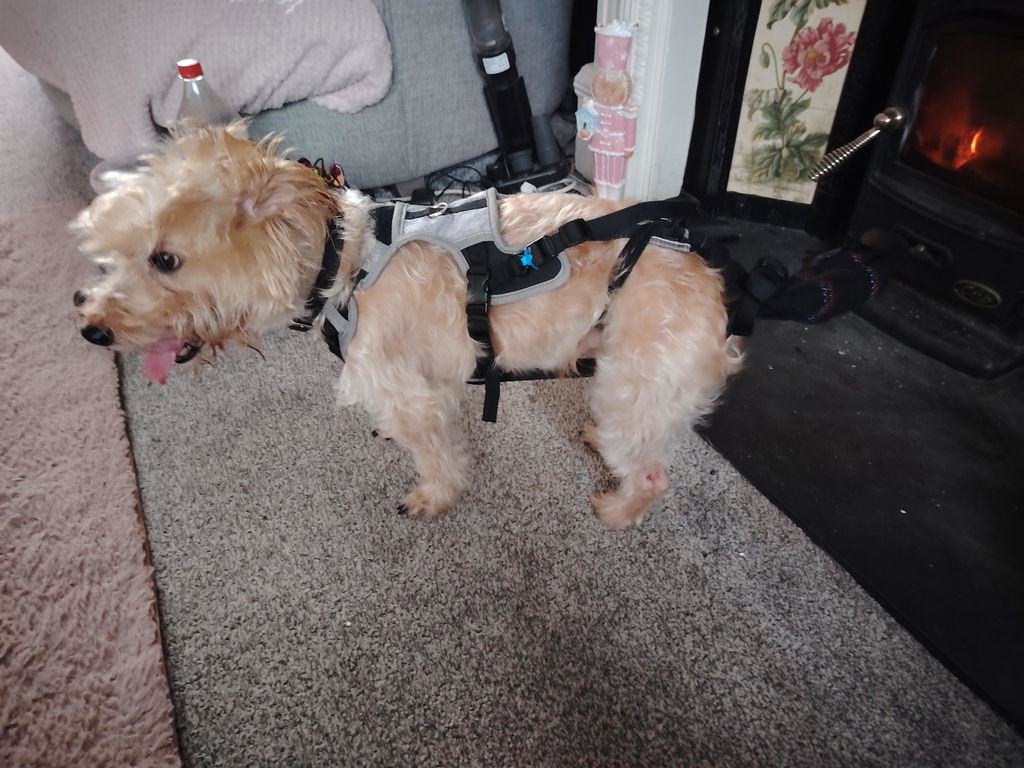
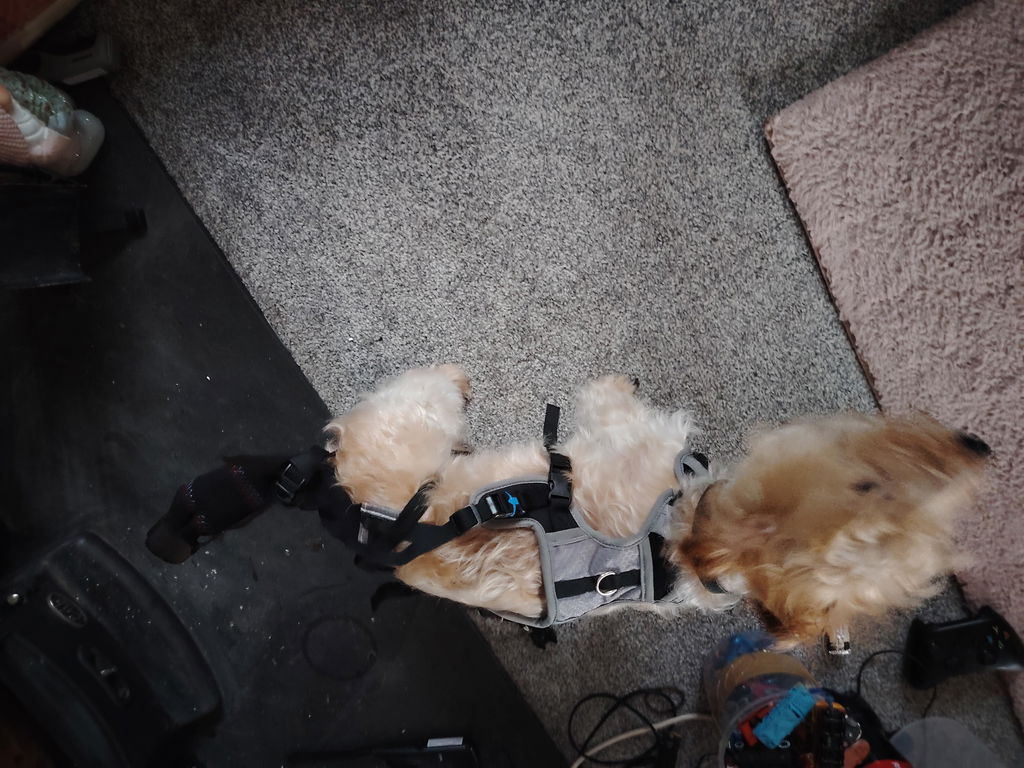
The K9 TailSaver provides reliable, effective protection:
- Dogs don't try to remove it because it's comfortable and doesn't restrict movement
- Stays on continuously, even during bathroom breaks and play
- Padded, breathable, and machine washable
- Can be worn over wounds or with minimal bandaging
- Promotes faster healing compared to traditional bandaging
- Allows easy access for wound care and medication
- Prevents the reinjury cycle that keeps wounds from healing
Step 5: Manage Pain and Discomfort
Tail injuries are extremely painful, and pain management is essential for recovery:
Veterinary Pain Management
- Consult your veterinarian about appropriate pain relievers
- Anti-inflammatory medications can reduce swelling and discomfort
- NEVER give human pain medications without veterinary approval—many are toxic and even lethal to dogs
Comfort Measures at Home
- Provide a soft, comfortable bed away from hard surfaces
- Minimize excitement and activities that trigger vigorous wagging
- Keep greetings calm to reduce tail movement
- Use Vetericyn Hydrogel spray, which provides pain relief along with infection control
Step 6: Restrict Activity During Healing
Tail injuries require a period of reduced activity:
- Minimize vigorous exercise: Only until not actively bleeding
- Monitor playtime: Watch closely to prevent accidental reinjury
- Reduce excitement triggers: Keep arrivals, departures, and feeding time calm
- Gradually reintroduce normal activities: When the tail is fully healed or tail has protective device on it.
Step 7: Create a Healing Environment
Your dog's surroundings play an important role in recovery:
- Reduce stressors: Reduce Chaos and stressors at first. If you are stressed your dog will feel it. Try to stay calm, even if you're extremely worried and frustrated about the blood (maybe on everythings, it can be like a murder scene).
- Provide space: Avoid confining your dog to small crates or kennels during healing unless you have the tail in a secure tail protector (not bandages).
- Pad hard surfaces: Install foam bumpers on walls, door frames, and furniture where the tail might hit
- Limit access: Block off areas with hard surfaces or tight spaces when tail is unprotected, even after it is healed.
- Keep it clean: Maintain cleanliness, with protective cover and tail, to reduce infection risk
When to Seek Professional Veterinary Care
Contact your veterinarian immediately if:
- Bleeding is severe or won't stop after 10-15 minutes of pressure
- The wound shows signs of infection
- You notice necrotic (blackened) tissue
- Your dog exhibits extreme pain or distress
- Injuries keep recurring despite protection efforts
- Your dog develops manic behavior or starts chewing the tail obsessively
- The wound hasn't improved after several days of home treatment
Veterinary Treatment Options
Your vet may recommend:
- Antibiotics: To fight or prevent infection
- Pain medication: To keep your dog comfortable
- Laser debridement or scraping: To remove damaged tissue and save the tail
- Partial amputation: In severe cases where healing isn't possible, though this is often avoidable with proper protection
Preventing Future Episodes
Once your dog has healed, take steps to prevent recurrence:
- Use preventive protection (K9 TailSaver) during high-risk situations like boarding, daycare, or crating
- Maintain environmental modifications (padding, space management)
- Stay vigilant for early warning signs (licking, minor bleeding)
- Act immediately if you notice any injury—early protection prevents serious complications
- Consider keeping protection on during excitement-prone activities
The Path to Recovery
Happy tail syndrome can be painful, frustrating, and expensive—but with the right treatment approach, most dogs can heal completely without surgery. The key is breaking the reinjury cycle through proper protection while supporting healing with good wound care and pain management.
In our experience helping over 10,000 dog tails, proper tail protection is the single most important factor in successful treatment. When wounds are protected from reinjury, they can heal quickly—often in less than a week for fresh injuries. Your dog's enthusiastic tail wagging is a beautiful expression of their joy, and with the right care, you can protect that joy while keeping them safe and healthy.
Final Thoughts
Dog tail injuries can be heartbreaking and expensive—but with the right care and protection, most dogs can heal without surgery and get back to their happy selves.
Meet the Author
Julie Valentine is the owner of K9 TailSaver and inventor of the K9 TailSaver. She has helped over 3,000 dog owners protect their pets' tails and find healing solutions. Julie is the proud owner of Misty, Rosie, and Simba (her German Shepherds) and has fostered Pitbulls, Terriers, Mastiffs, Chihuahuas, and many other breeds. Her real-world experience with tail injuries inspired her to create a better solution for dogs everywhere.
Other Helpful Resources
We believe in helping dog owners find the best care for their pets. Here are some other trusted sites that have helped us and many dog owners:
PetMD - Happy Tail Syndrome Guide
Expert vet advice on happy tail syndrome treatment and care.
Have Dog Will Travel
Great tips for traveling with dogs and keeping them safe on the go.
Brian's Bandages
Quality bandaging supplies for pet injuries.
PetHelpful
Helpful articles and advice for all kinds of pet care needs.
Continue Your Research
What to do next
If you are ready to stop the re-injury cycle, go to the main K9 TailSaver set now. If fit is your only hesitation, run the size finder first. If your dog is between sizes or actively reopening the wound, text support for a faster fit check.
Shop the main K9 TailSaver set
Find my size first | See first-fit instructions | Text support