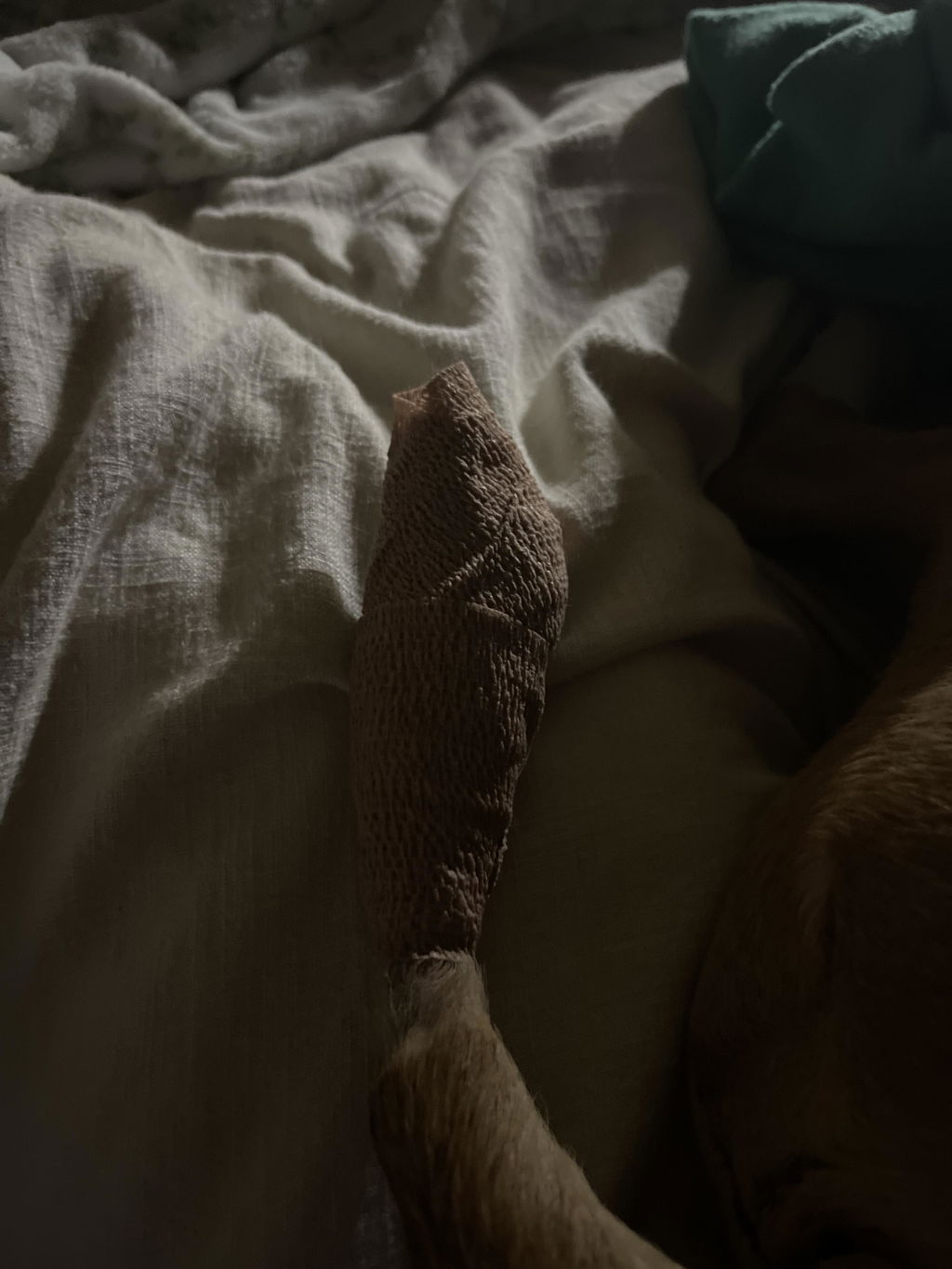
Misty's Story: How One Dog's Bleeding Tail Changed Everything

Her name was Misty. And her tail was painting our walls red.
Not because anything was wrong with her spirit. Misty was one of the happiest dogs I have ever known. Every time I walked through the door, every time a family member came home, every meal, every morning: pure, explosive joy. Her whole back end would swing. Her tail would hit the walls, the door frames, the furniture.
And at first, we thought nothing of it.
Then we noticed the blood.
The Night Everything Changed
I remember walking into our hallway and thinking something terrible had happened. Blood on the wall. Blood on the baseboards. A trail of it across the tile floor. My heart stopped.
It was Misty. Her tail had broken open from the repeated impact of wagging. The wound looked awful: raw, weeping, and impossible to ignore. But Misty? She was wagging at me right then, tail thwacking against the doorframe, painting more red streaks with every beat.
She had no idea she was hurting herself. That is the heartbreaking part of Happy Tail Syndrome. The dog's own joy becomes the thing that's destroying her.
Everything We Tried
We went to the vet immediately. The office was kind, thorough, and honest with us.
“There is nothing we can use on her tail that will stay on.”
Misty’s Veterinarian
Not what you want to hear. But we weren’t ready to give up. So we tried everything:
- Bandages: Misty removed them within hours. She ate two of them.
- Medical tape: It lasted about the same amount of time.
- A cone of shame: She was miserable, and her tail still hit everything.
- Muzzles: Cruel and ineffective for this problem.
- A pool noodle taped along her side: This was desperation talking. It fell off immediately.
- Prescription medications: They were meant to calm the wagging. They dulled her spirit and did not stop the bleeding.
We were spending hundreds of dollars at the vet. We were following every recommendation. And Misty’s tail wasn’t healing. If anything, the wound was getting worse. The infection was spreading.
Then our vet said the word we had been dreading.
The A-Word
Amputation.
Her tail would have to come off. That was the medical recommendation. The wound couldn’t heal while she kept reinjuring it, and there was no reliable way to protect the tail long enough for tissue to repair itself.
I sat in that parking lot outside the vet clinic for a long time.
Misty was panting happily in the back seat, tail drumming against the car door, completely unaware. I looked at her. She looked at me. And I decided: not yet. We are not there yet. We are going to figure this out.
The Idea
I am not an engineer by training. I am a dog owner who wasn’t ready to give up.
I started thinking about the problem differently. The issue wasn’t the wound itself. Wounds heal when they are protected and clean. The issue was that nothing stayed on the tail. Misty would remove anything wrapped around the tip. And even if she didn’t remove it, repeated impact reopened the wound right through the bandage.
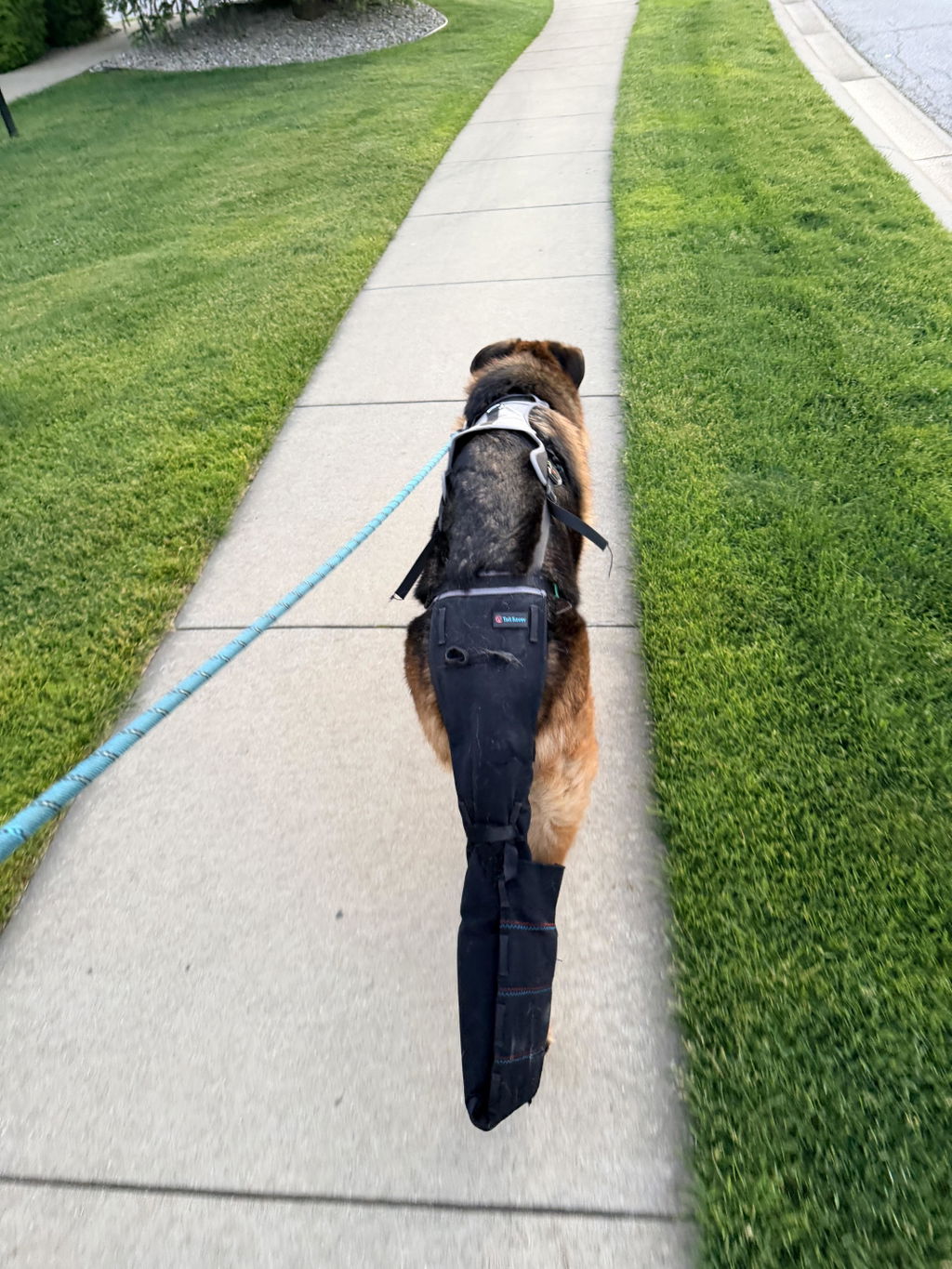
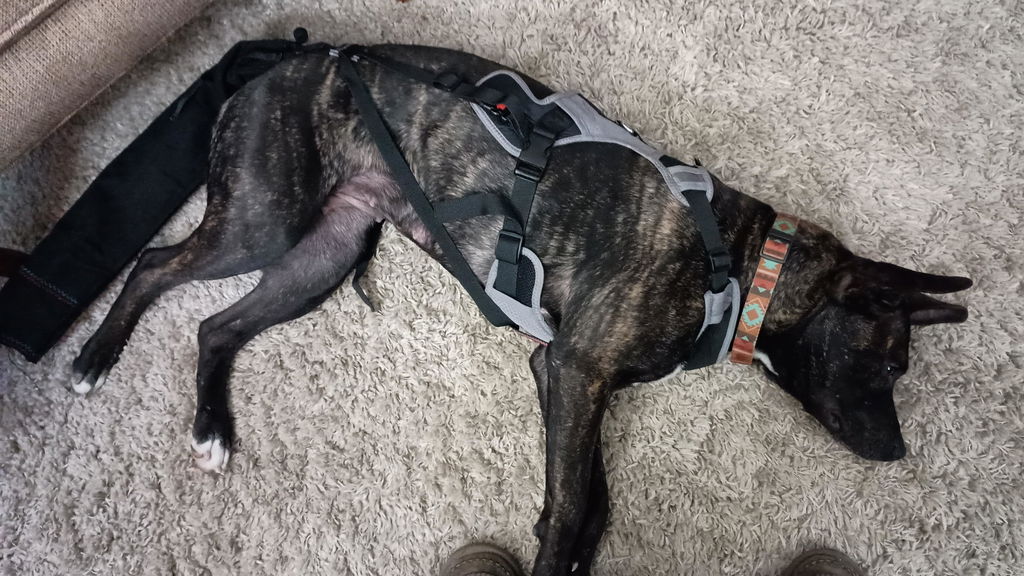
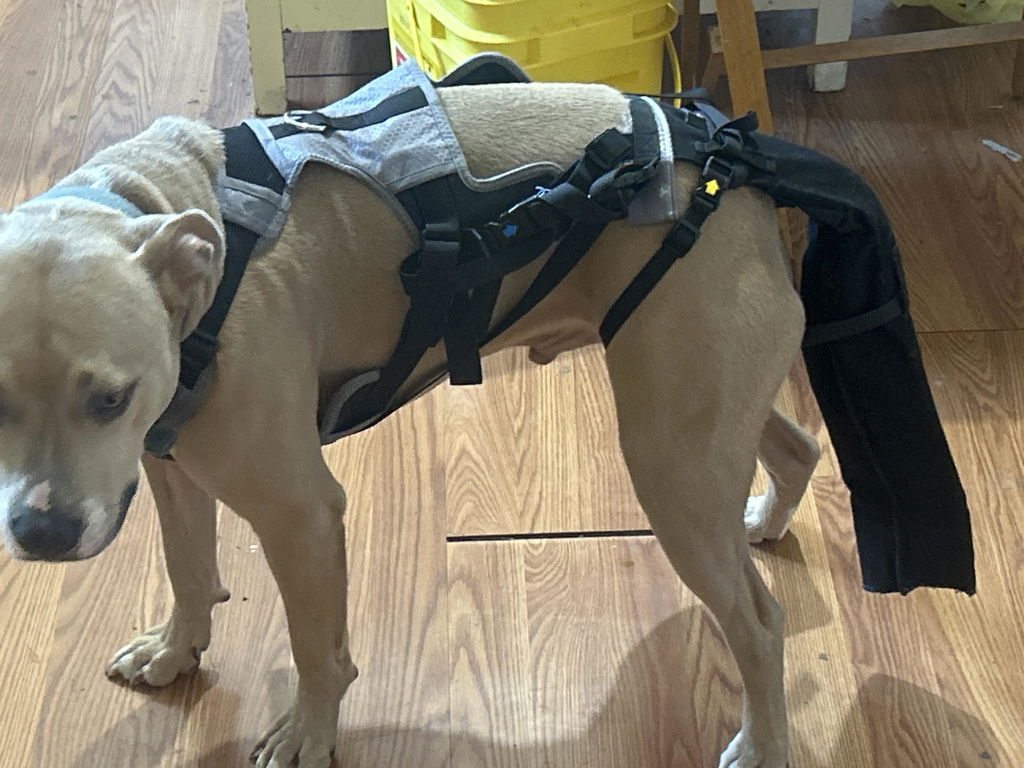
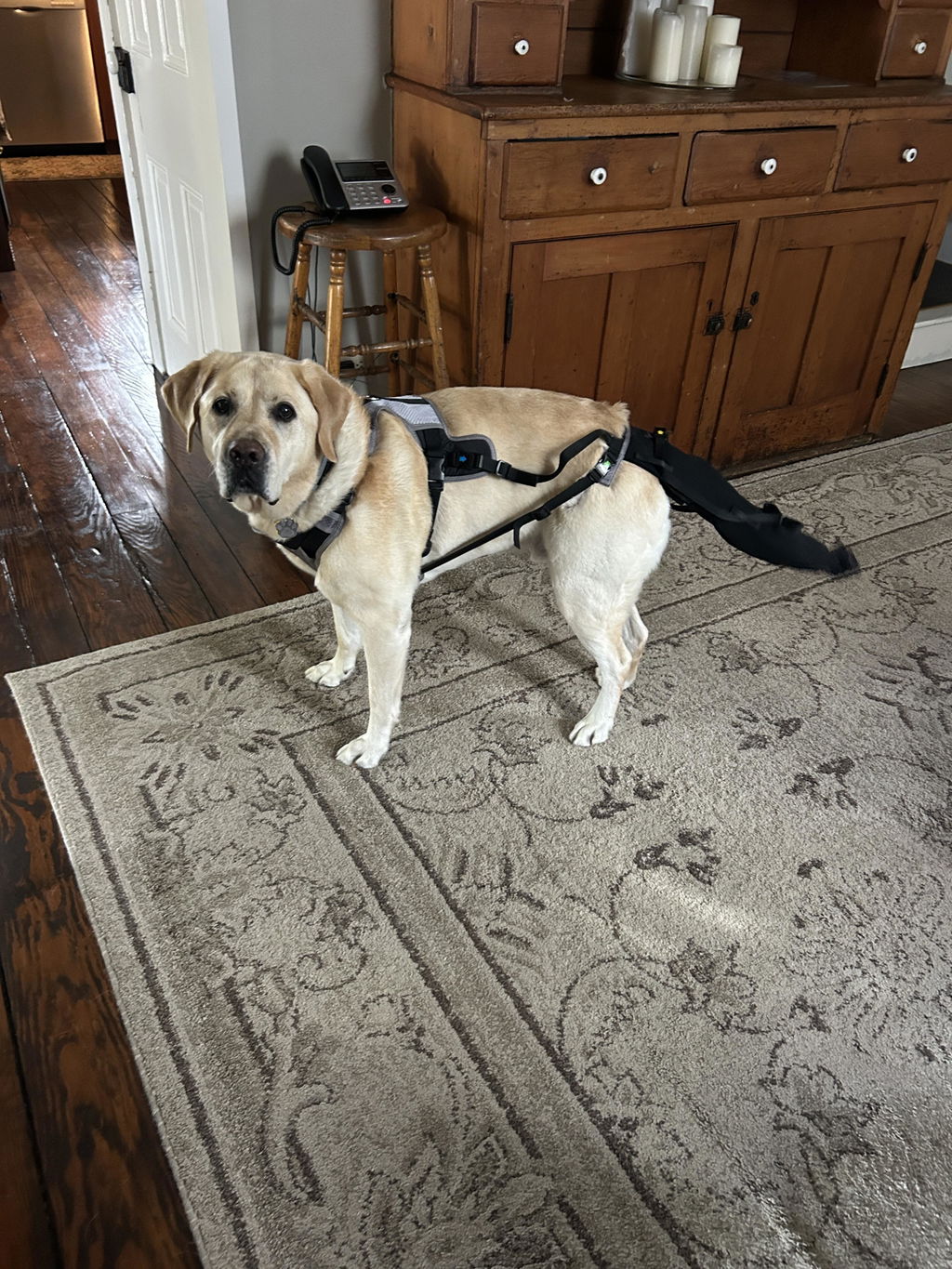
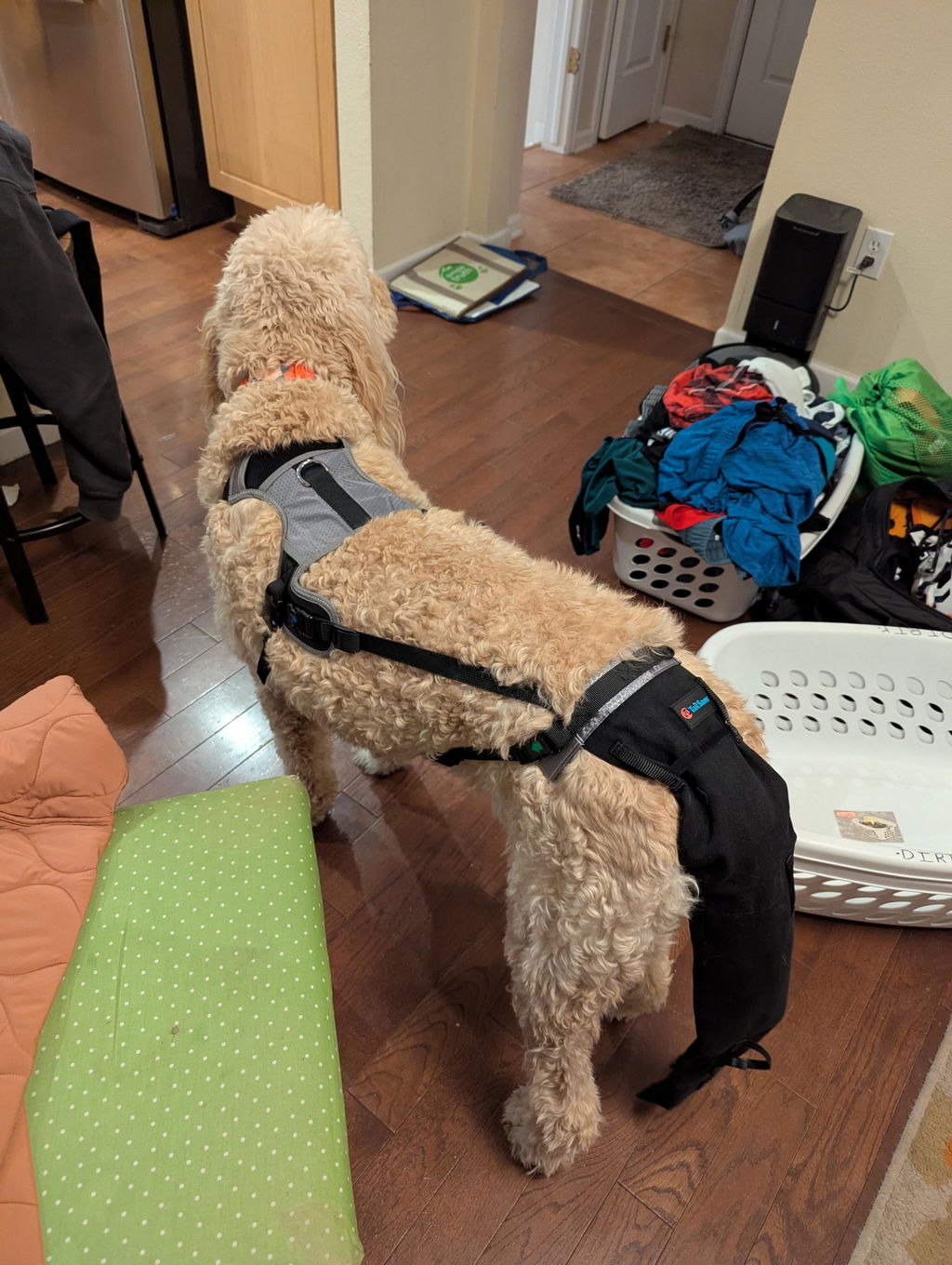
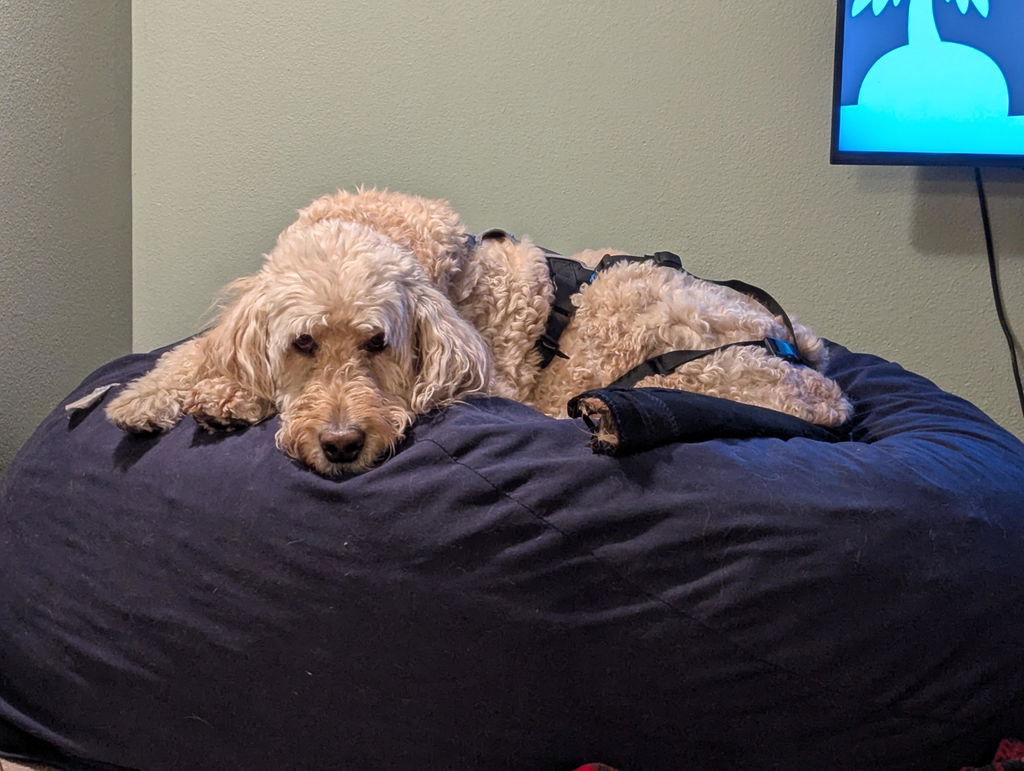
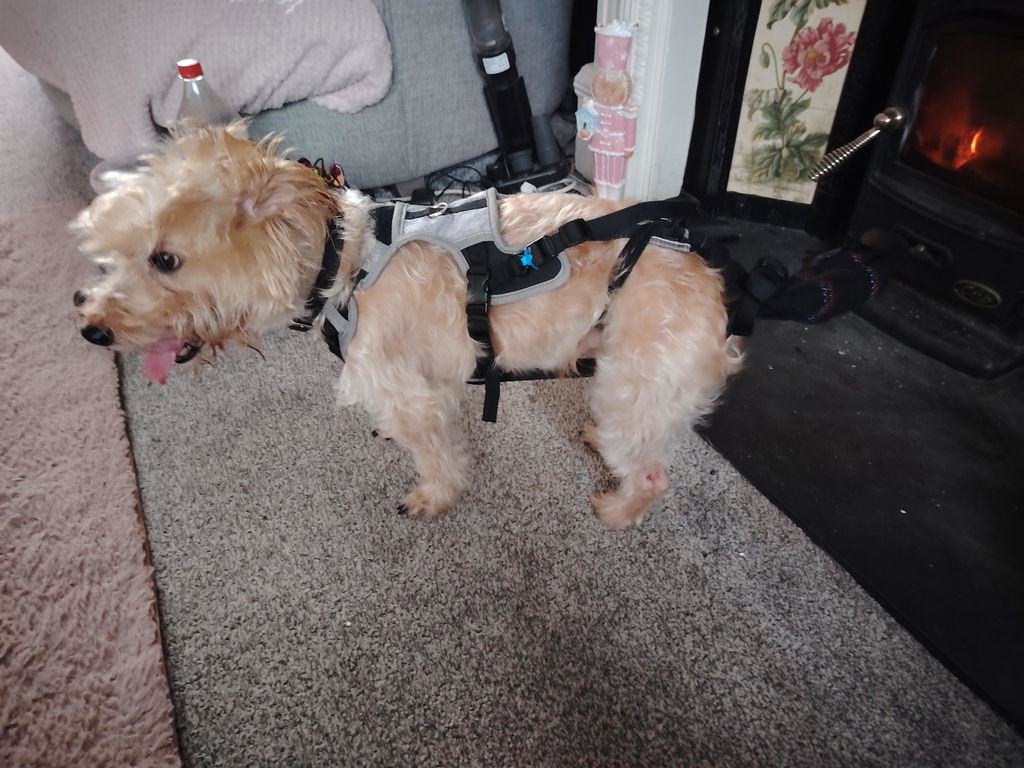
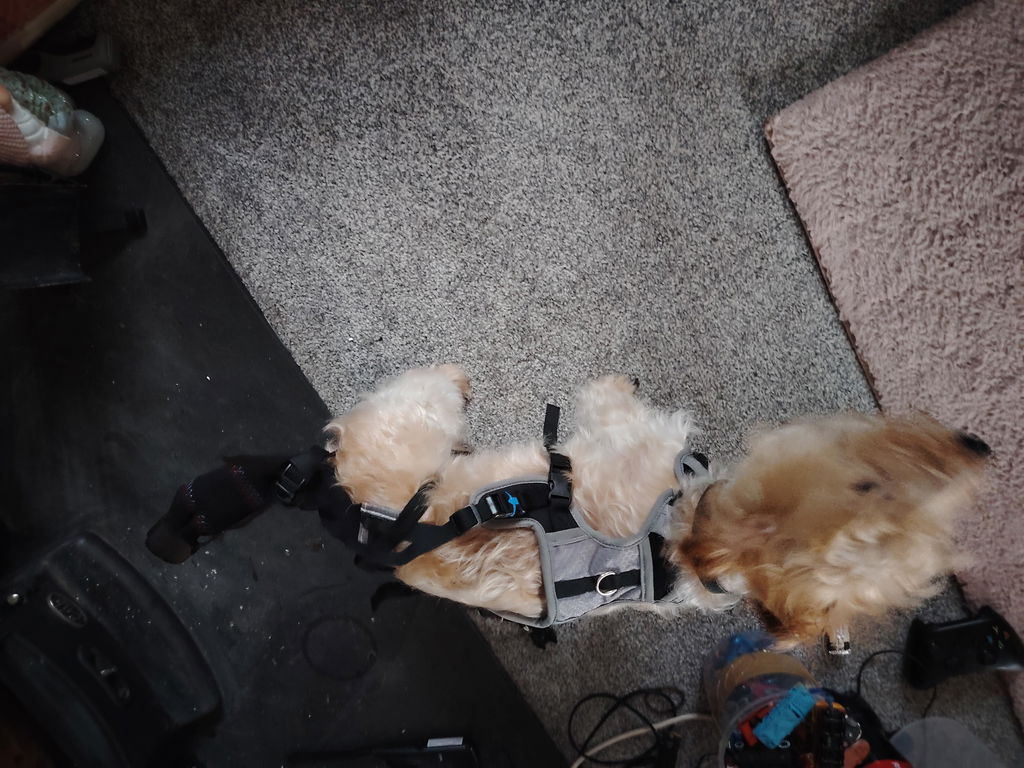
What if the protection didn’t attach to the tail at all? What if it attached to her body through a harness, and the sleeve hung from that harness, surrounding the tail without gripping it?
I built the first prototype out of materials from a craft store and a hardware shop. It was ugly. But it stayed on. More importantly, it worked.
Within Two Weeks
Misty’s tail healed completely.
No more blood on the walls. No more weeping wound. No more infection. No amputation needed.
When we brought her back to the vet for a follow-up, the response stopped me in my tracks.
“This is the first dog tail brace I have ever seen. I’m genuinely surprised that it works this well.”
Misty’s Veterinarian
The first one ever seen. And it worked.
What Happened Next
Word spread, the way it does when something unexpected actually works. Friends of friends reached out. Strangers in dog forums. People who had been told by their vets that amputation was the only option.
We refined the design. We tested it across every breed, every tail length, every activity level. We engineered anti-twist straps, breathable mesh, machine-washable materials. We applied for a patent.
The K9 TailSaver became a real product. A patented medical device. Eventually, it reached 24,000+ dogs across the country. Dogs that, like Misty, kept their tails.
Why We Share This
Misty is the reason this product exists. Her story is the reason we answer every message, offer custom fittings, and stand behind every order with a 90-day guarantee.
If you are reading this, your dog’s tail is probably hurting right now, and you are probably exhausted from trying things that haven’t worked. Maybe your vet has said the word we heard in that parking lot.
We know how that feels.
You are not out of options. That is the whole point of Misty’s story.
Julie Valentine
Inventor, K9 TailSaver • Misty’s mom
What to do next
If you are ready to stop the re-injury cycle, go to the main K9 TailSaver set now. If fit is your only hesitation, run the size finder first. If your dog is between sizes or actively reopening the wound, text support for a faster fit check.
Shop the main K9 TailSaver set
Find my size first | See first-fit instructions | Text support