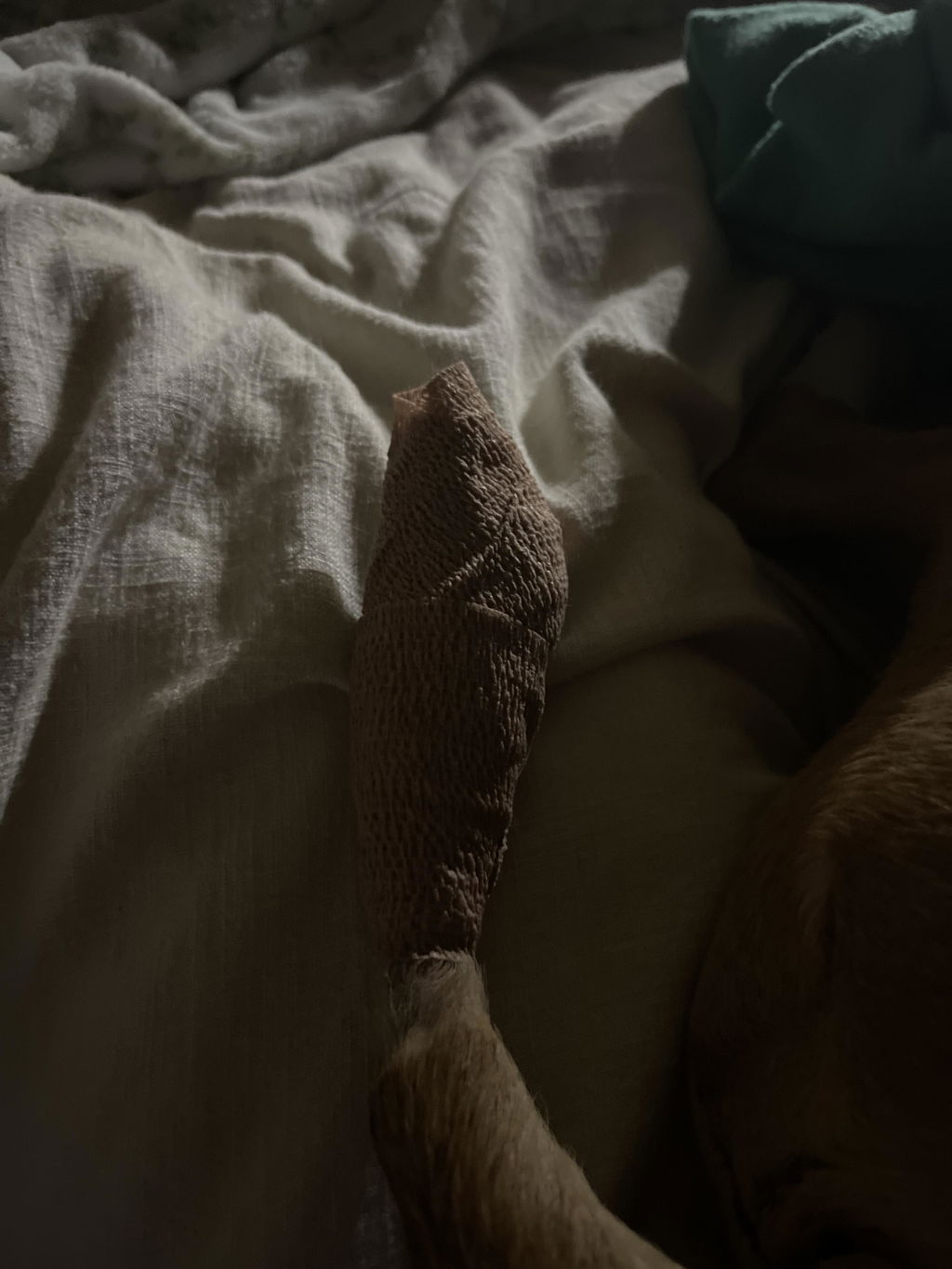
Happy Tail Syndrom and DIY Solutions
Beyond Happy Tail: Why Do Dogs Keep Hurting Themselves? (The Saga of the Unstoppable Wag) 🤦♀️
Tail injuries are agonizing for dogs, frustrating for vets, and a monumental pain for you. When the wound isn't caused by the infamous "Happy Tail" whiplash or a door incident, it usually falls into one of two common, hard-to-heal categories: acute trauma or chronic self-mutilation.
Veterinarians confirm the universal truth: the tail's essential, happy, wiggly nature makes healing a heroic—and often messy—effort.
1. ⚔️ Acute Trauma: Bite Wounds, Lacerations, and the Stitches That Never Last
Acute trauma is a sudden, sharp injury to the tail—often resulting in open wounds that require the dreaded sutures (stitches).
Common Scenarios
| Injury Type | The Relatable Truth & High-Risk Situation |
| Bite Wounds | The Tail is a Target! In a quick scuffle at the dog park, the tail and hip area are surprisingly common targets. The real danger? Puncture wounds inject bacteria deep, turning a simple tear into a serious, high-risk infection. |
| Lacerations & Nicks | We’ve all been there: a quick grooming twitch near the clippers, or that random spot in the yard where you forgot to move the barbed wire scrap. The tail bleeds like crazy because it has poor circulation, and once it's cut, the wagging works against every attempt to heal. |
The Healing Crisis: Why Your Vet Hates Tail Stitches
The primary problem with acute tail trauma is suture failure. Your dog, thrilled to be home, wags with the power of a tiny propeller. This motion instantly pulls apart stitches and tears the fragile new healing tissue. It leads to the frustrating cycle of: Vet trip ➡️ Stitches ➡️ Excitement ➡️ Stitches fail ➡️ Another vet trip.
2. 🤯 Chronic Trauma: When the Tail Becomes a Chewing Toy
This is a deep, heartbreaking problem where your dog actively harms its own tail. It is self-mutilation, and it's always driven by an underlying itch, pain, or anxiety.
Common Causes (It's not just "being bad," it's medical!)
| Root Cause | What's Really Happening |
| The Allergy Attack | The most common trigger! Flea allergies, food sensitivities, or seasonal allergies cause an intense itch that the dog has to scratch. Since they can't reach it perfectly, they resort to obsessive licking and chewing, primarily at the base of the tail. |
| Stress or Pain | The tail is a release valve. Anxiety, deep-seated stress, or even hidden pain (like arthritis or impacted anal glands) can make the dog obsessively fixate, turning the tail into a raw, bloody "hot spot" in a desperate attempt to find relief. |
The Healing Crisis: The Vicious, Wet, and Raw Cycle
The dog is caught in a vicious itch-chew-infection cycle: Licking creates raw, exposed skin, which attracts bacteria, which causes pain, which triggers more licking. E-collars (cones) often fail this job, either by not being long enough or by just making the already anxious dog feel more stressed.
✅ The Smart Solution: K9 TailSaver's Non-Binding Protection
You need a solution that can handle a happy, powerful wag while allowing tissue to heal naturally—without rigid splints.
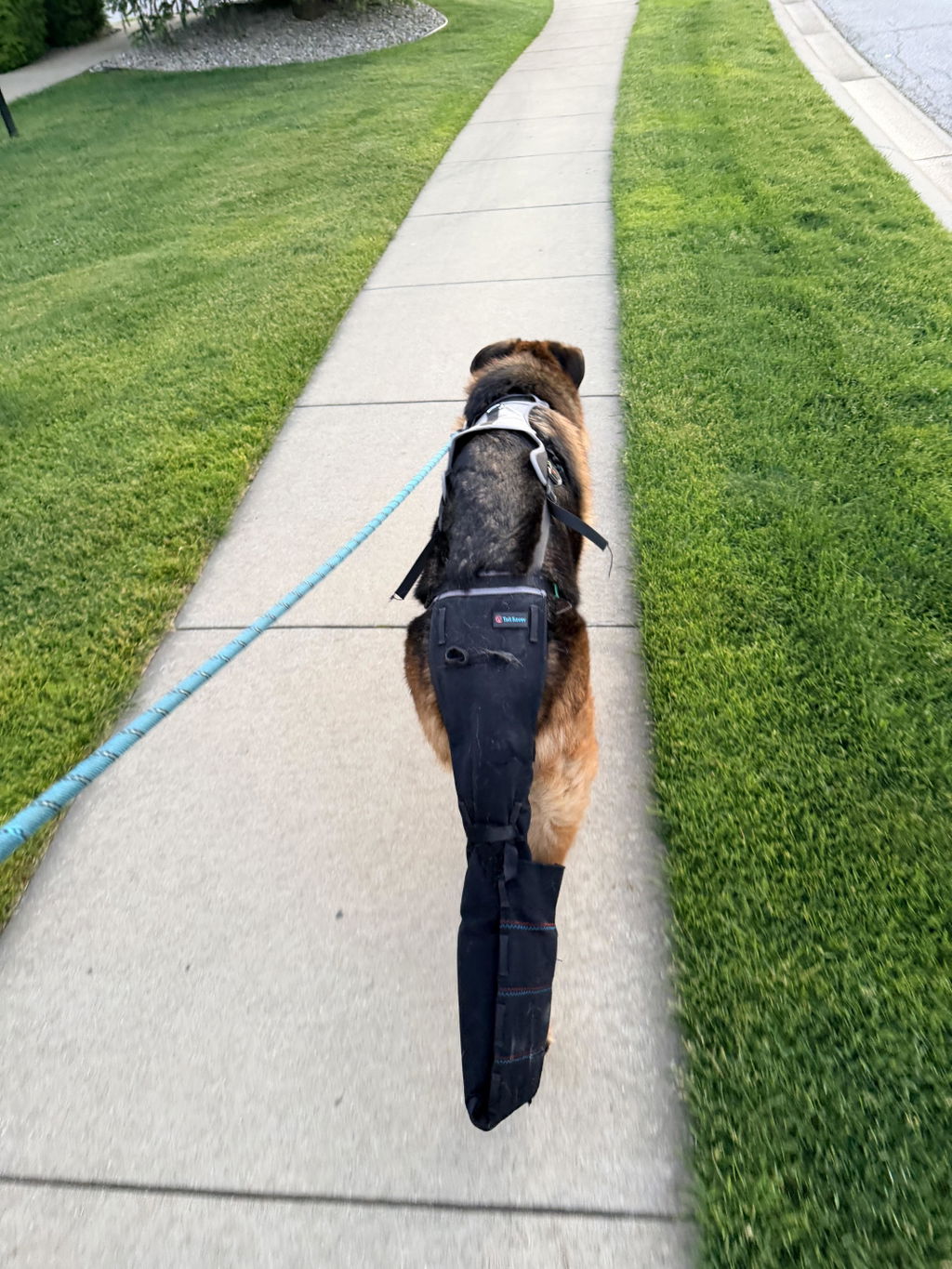
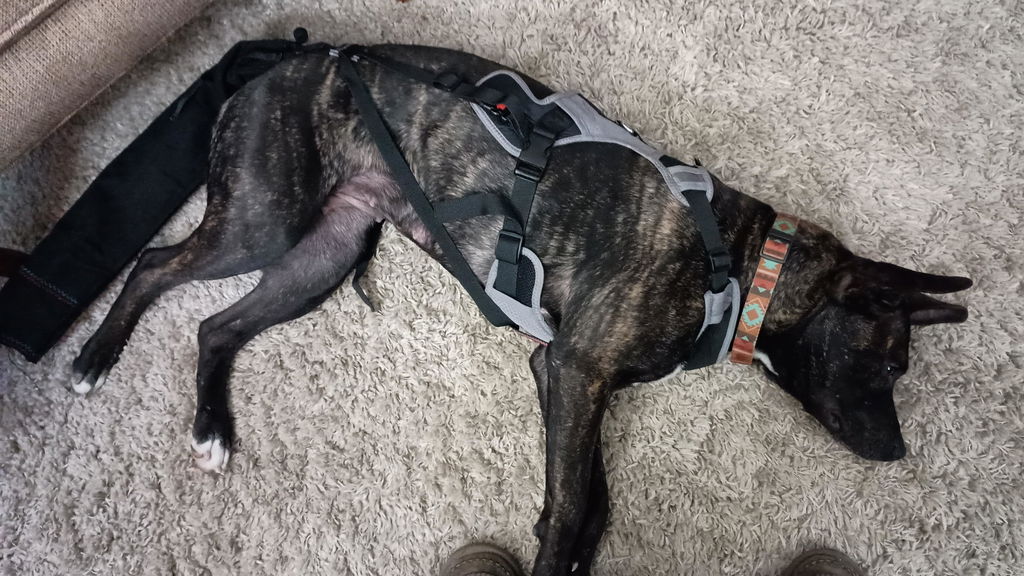
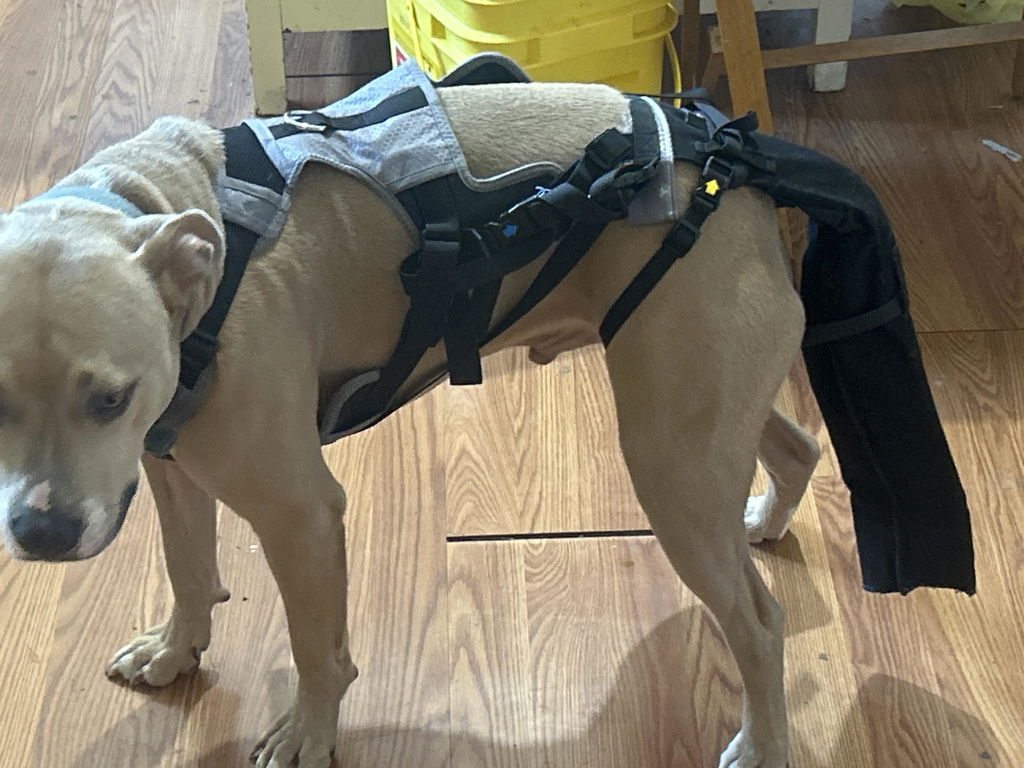
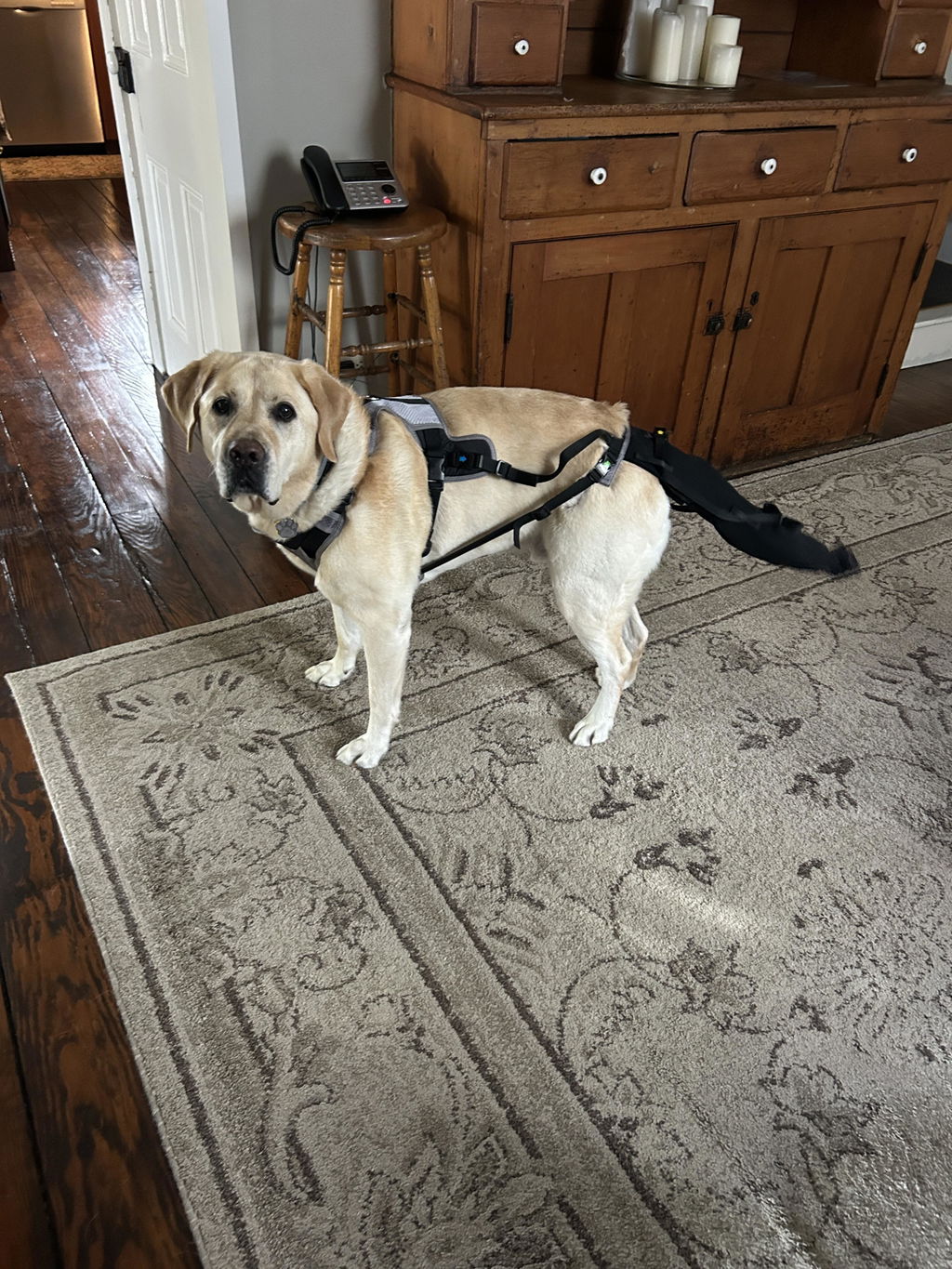
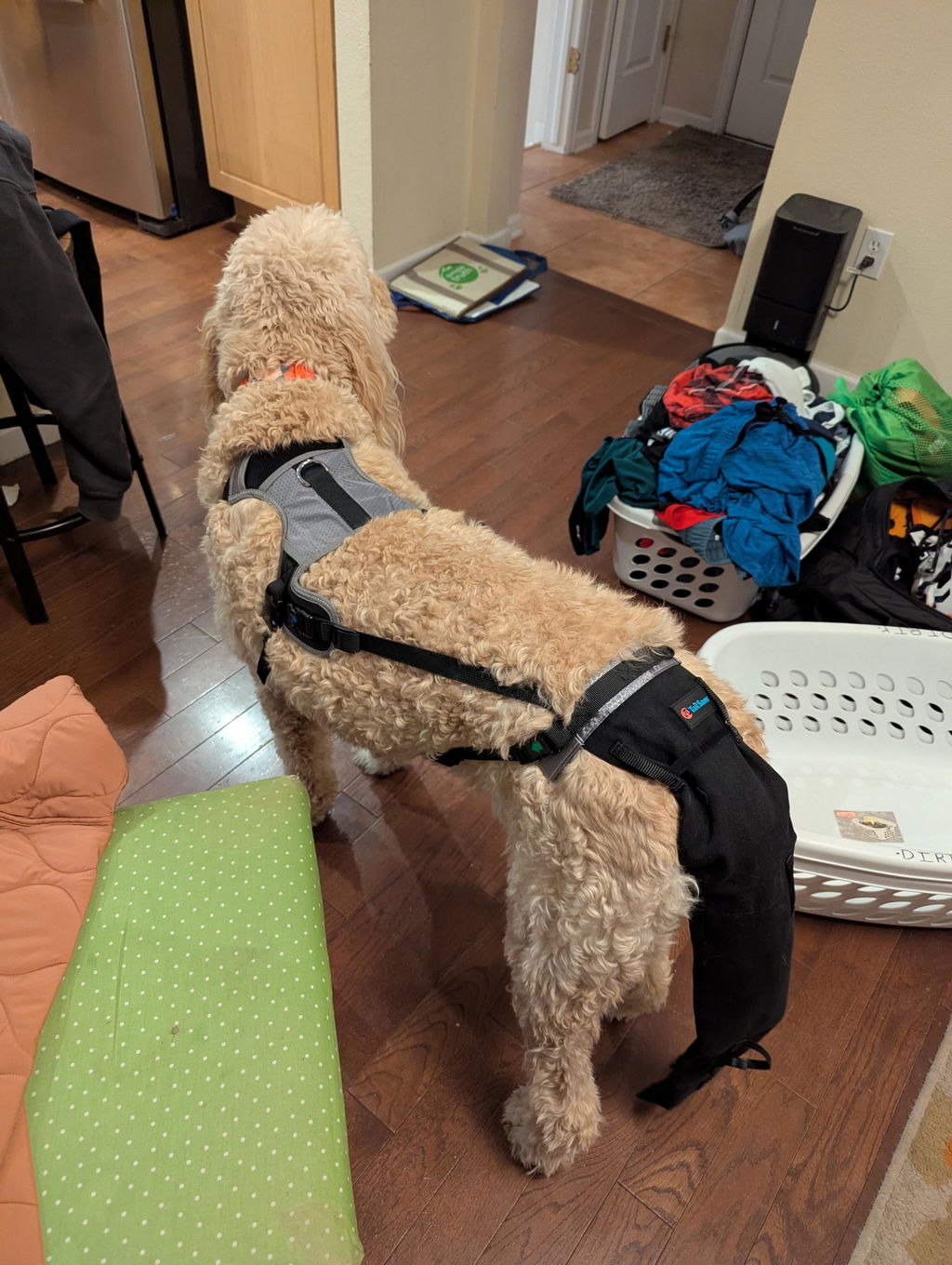
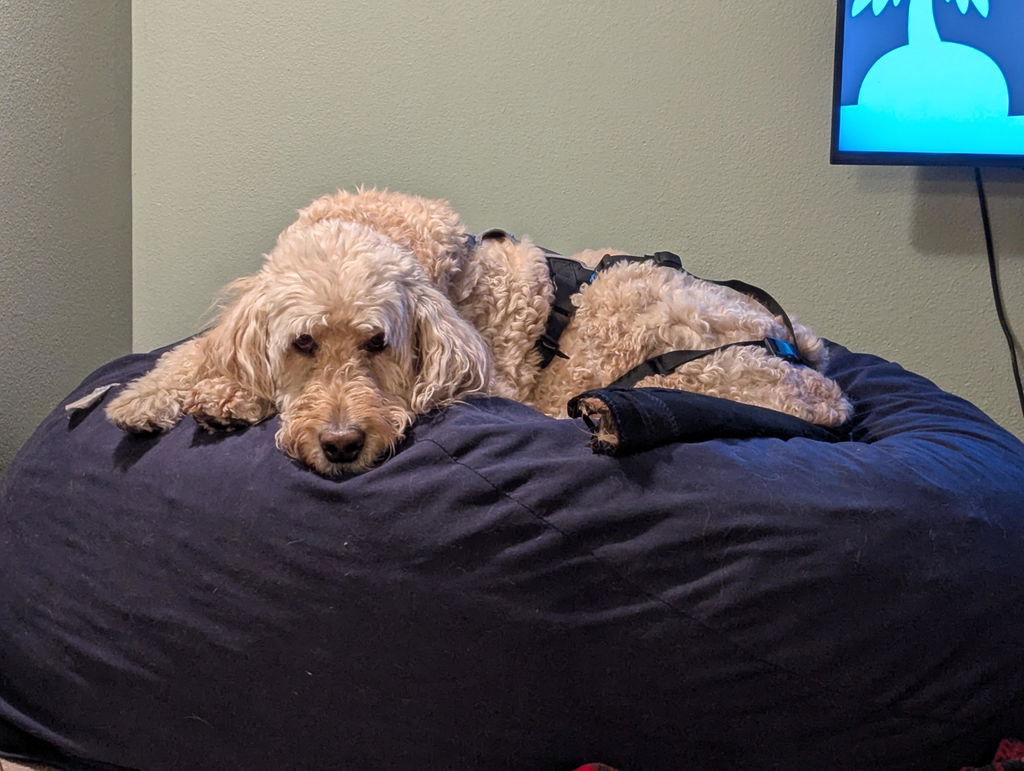
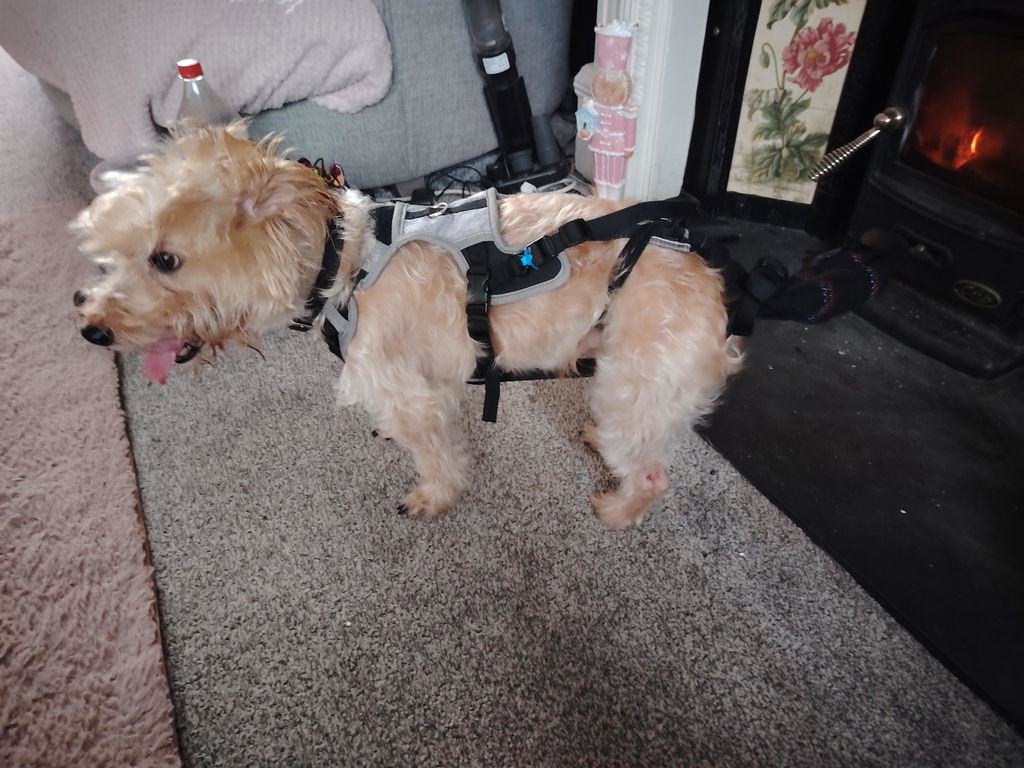
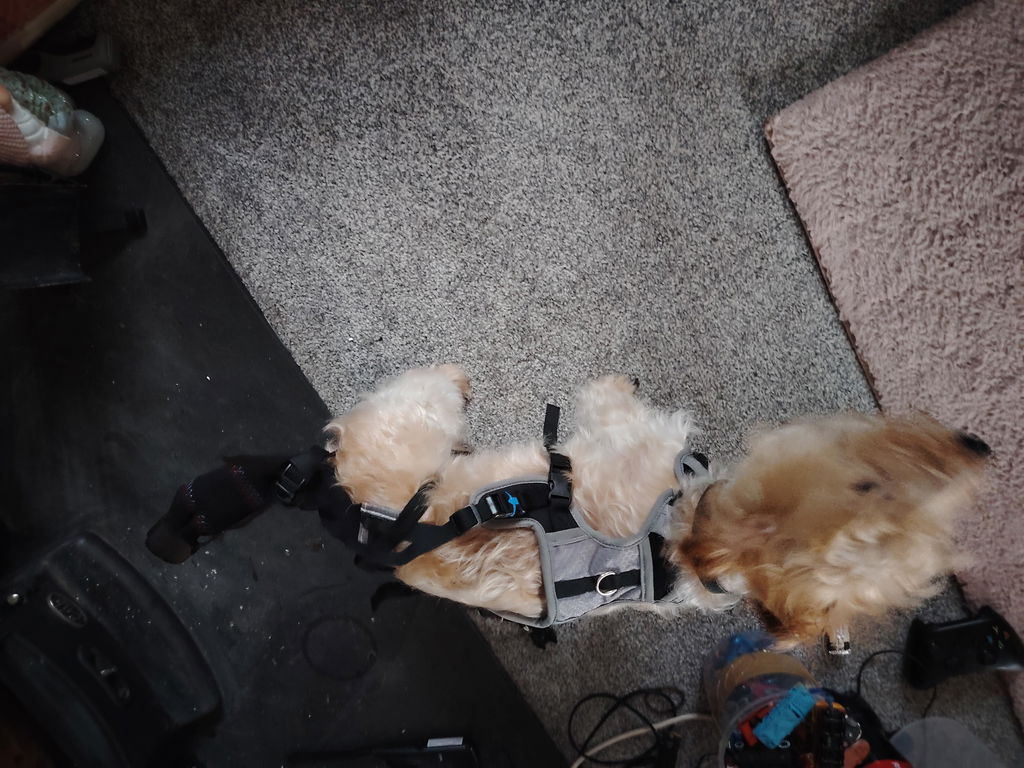
The K9 TailSaver is the patented, veterinarian-designed system that focuses on protection and comfort, not forced immobilization.
Owner's Problem vs. K9 TailSaver Solution
| The Challenge (Owner's Pain Point) | The K9 TailSaver Solution (Instant Relief) |
| The problem of slippage! Bandages fall off, sleeves slide down, and the wound re-opens 5 minutes after bandaging. | Wiggle-Proof Anchor: The essential 8-Strap Harness locks the sleeve around the chest, guaranteeing anti-slip security for continuous healing. |
| The Vicious Chew Cycle. The dog won't stop licking the raw spot, making the wound chronic and infected. | Instant Barrier: The padded tail sleeve completely covers and isolates the wound, immediately breaking the lick-chew cycle without increasing anxiety. |
| Risk of Immobilization. Stiff splints or bandages can restrict circulation and hinder the natural movement required for healing. | Soft, Non-Binding Support: Avoids stiff materials, allowing the necessary, natural movement and blood flow vets recommend for tissue repair. |
| Messy, Slow-Drying Wounds. Hot spots and lacerations stay wet, attracting bacteria and slowing down the process. | Breathable & Durable: Lightweight fabric promotes airflow, helping wounds (and the protector itself) dry quickly and keeping the area clean. |
The K9 TailSaver gives your dog the secure, comfortable protection they need to finally heal, saving you the stress of endless bandage changes and vet visits.