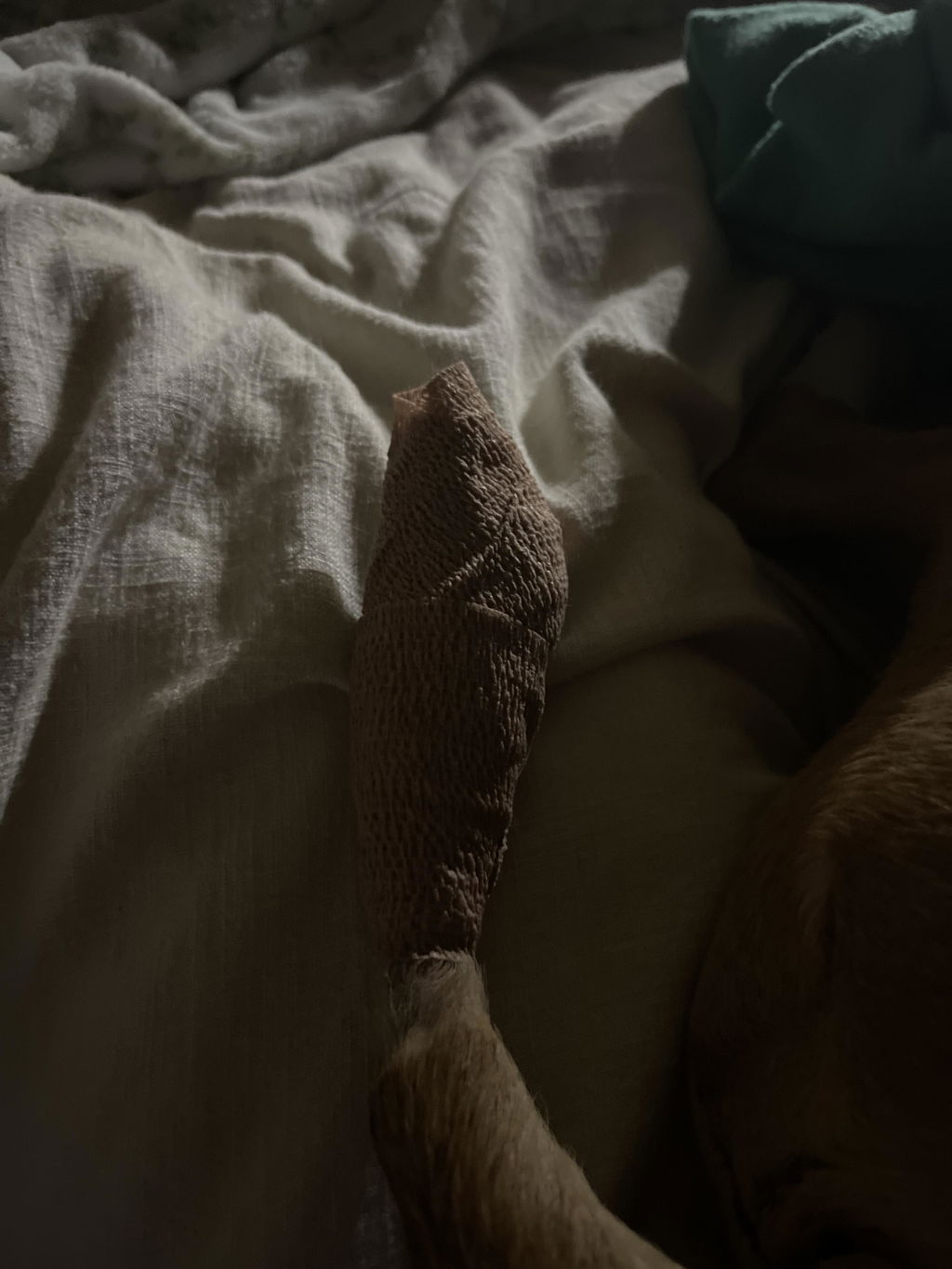
Happy Tail Syndrome in Puppies: Should You Be Worried?
Happy Tail Syndrome in Puppies: Age-Specific Guidance
Happy Tail Syndrome most commonly presents in adult dogs aged 1–7 years, but puppies of high-risk breeds can and do develop tail tip wounds from energetic wagging during play and socialization. The approach to puppy Happy Tail differs from adult management in important ways: puppy tail skin heals faster in some respects but is also more vulnerable; devices sized for adult dogs may not fit puppies; and the behavioral management strategies available to reduce wag-impact events are different for puppies than for adult dogs.
Can Puppies Get Happy Tail Syndrome?
Yes, but the incidence is lower than in adult dogs for several reasons:
- Puppies have lighter body mass and generate less wag force than adult dogs of the same breed — the tip velocity and impact force is lower per wag event
- Puppies spend more time resting and sleeping than adults, reducing daily wag-impact exposure
- Puppies' play behavior involves less frantic excitement than adult greeting behavior
Despite lower average incidence, some puppies — particularly very high-energy individuals of large breeds — develop tail tip injuries during the first year. This is most common in the 4–12 month range when puppies are approaching adult body size and energy level but do not yet have the coordination to control their tail movement fully.
What Puppy Happy Tail Looks Like
Puppy Happy Tail looks similar to adult Happy Tail in pattern but often progresses more slowly because:
- Less force per impact event means slower tissue damage accumulation
- Puppies' higher cell turnover rate can sometimes close Stage 1 wounds in 5–7 days even with some continued wag activity
- Puppies are often handled more frequently than adults, enabling earlier wound detection
However, any open wound at a puppy's tail tip that has been present for more than 3–4 days and is not clearly trending toward closure should be managed with the same protocol as adult Happy Tail.
Puppy-Specific Treatment Considerations
Do not minimize because it "looks small"
Puppy Happy Tail wounds are often smaller in absolute size than adult wounds, but the same mechanical cycle applies: partial healing during rest, re-injury at the next vigorous play session. A "small" wound that cycles for weeks becomes a fully established chronic wound regardless of initial size.
Sizing considerations
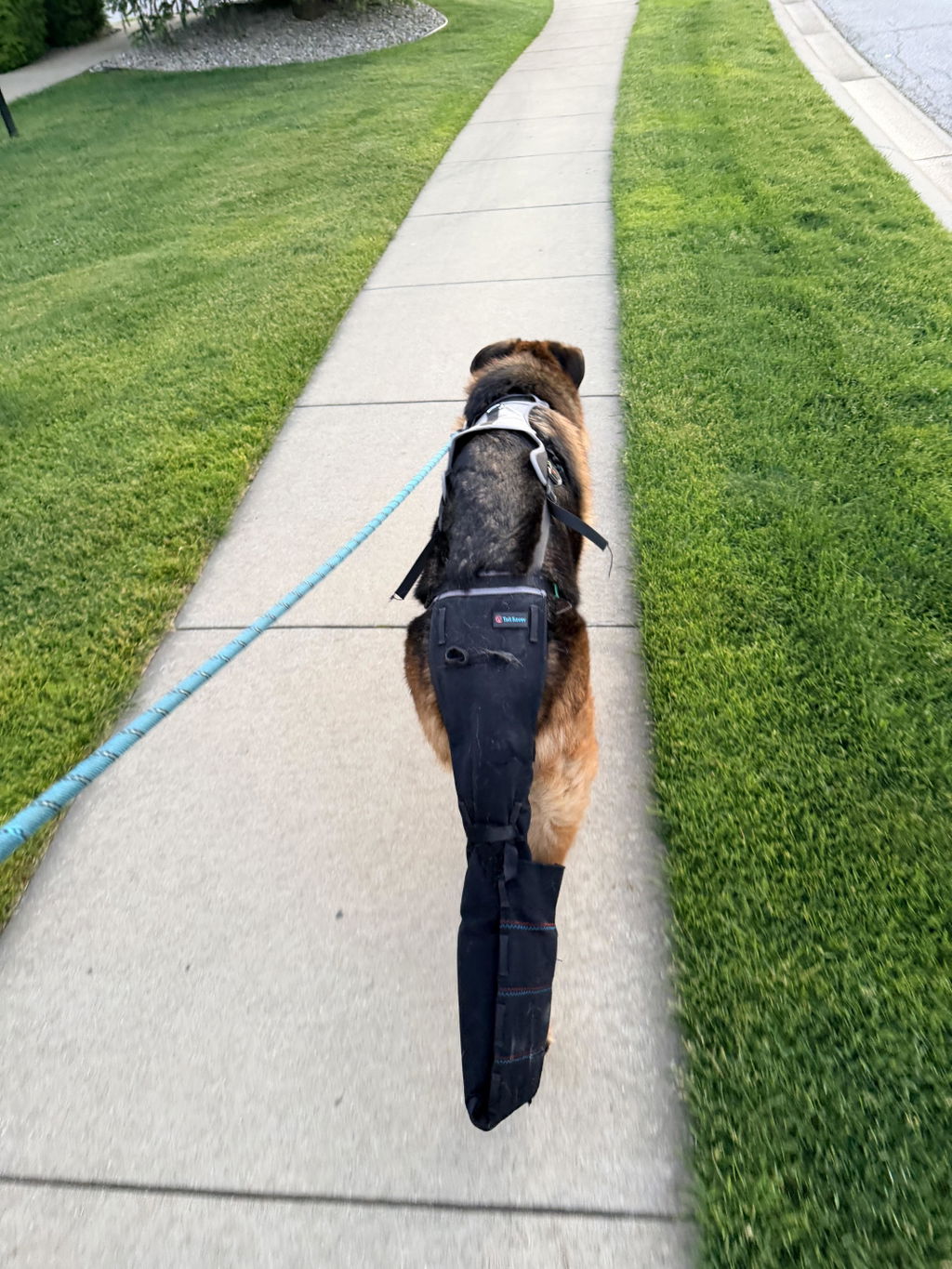
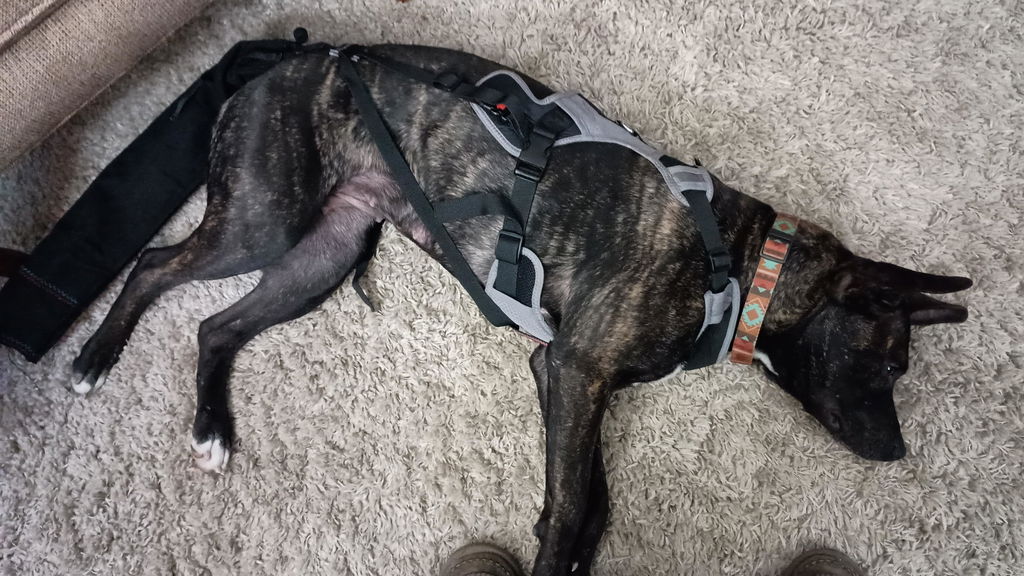
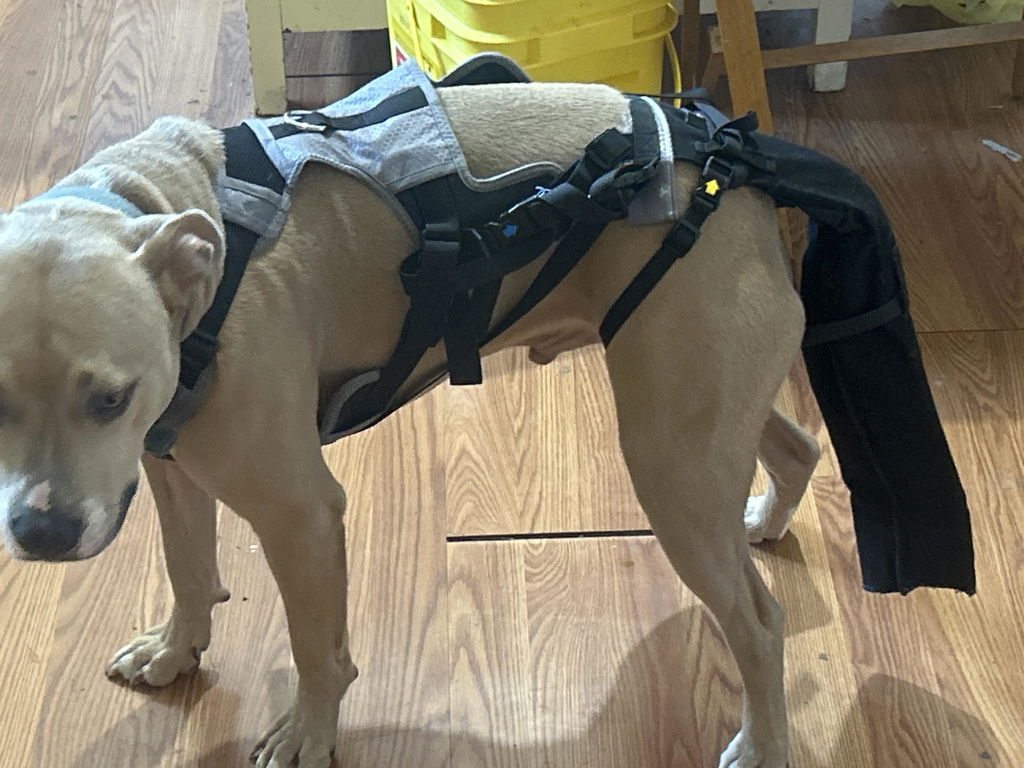
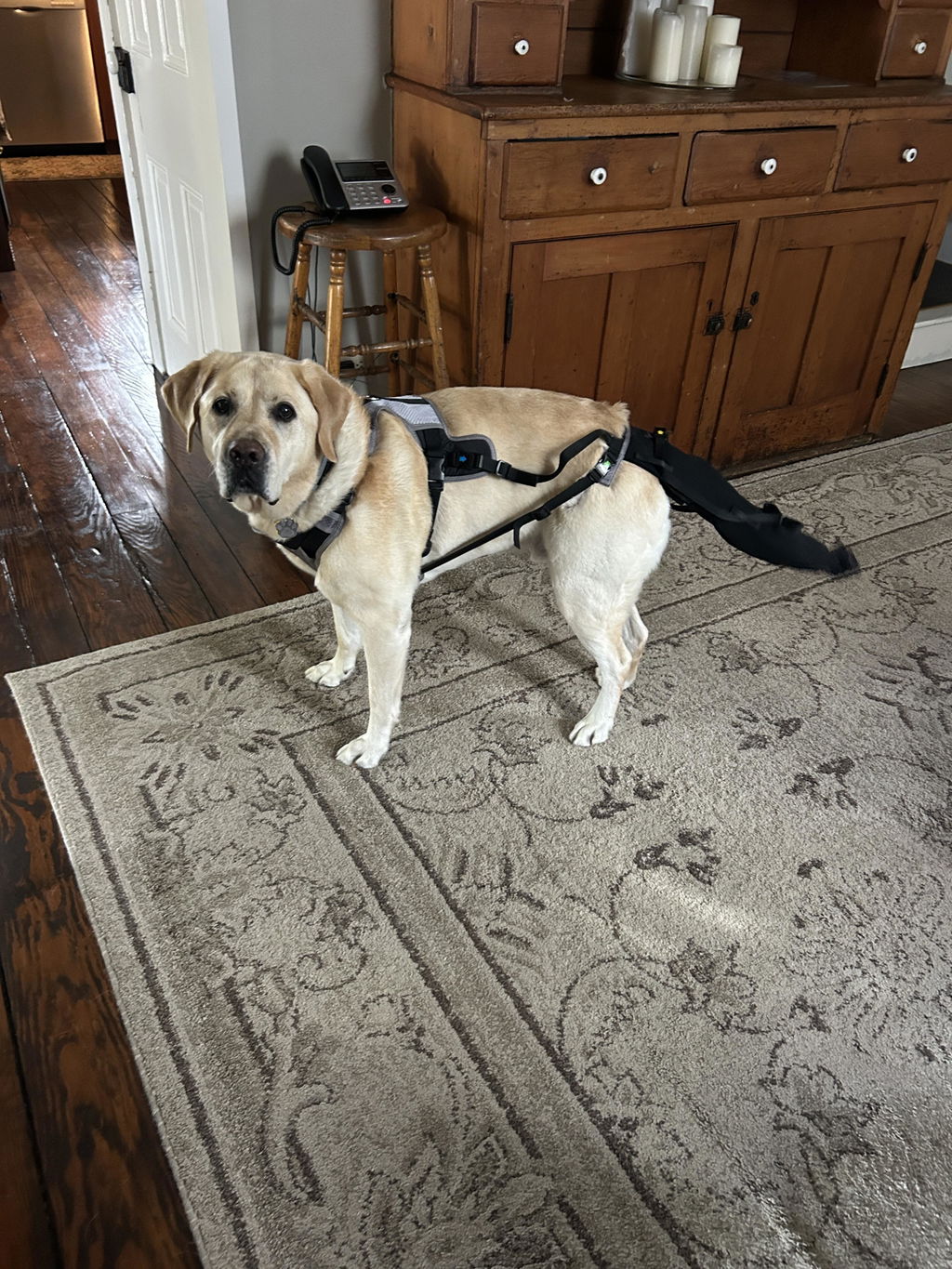
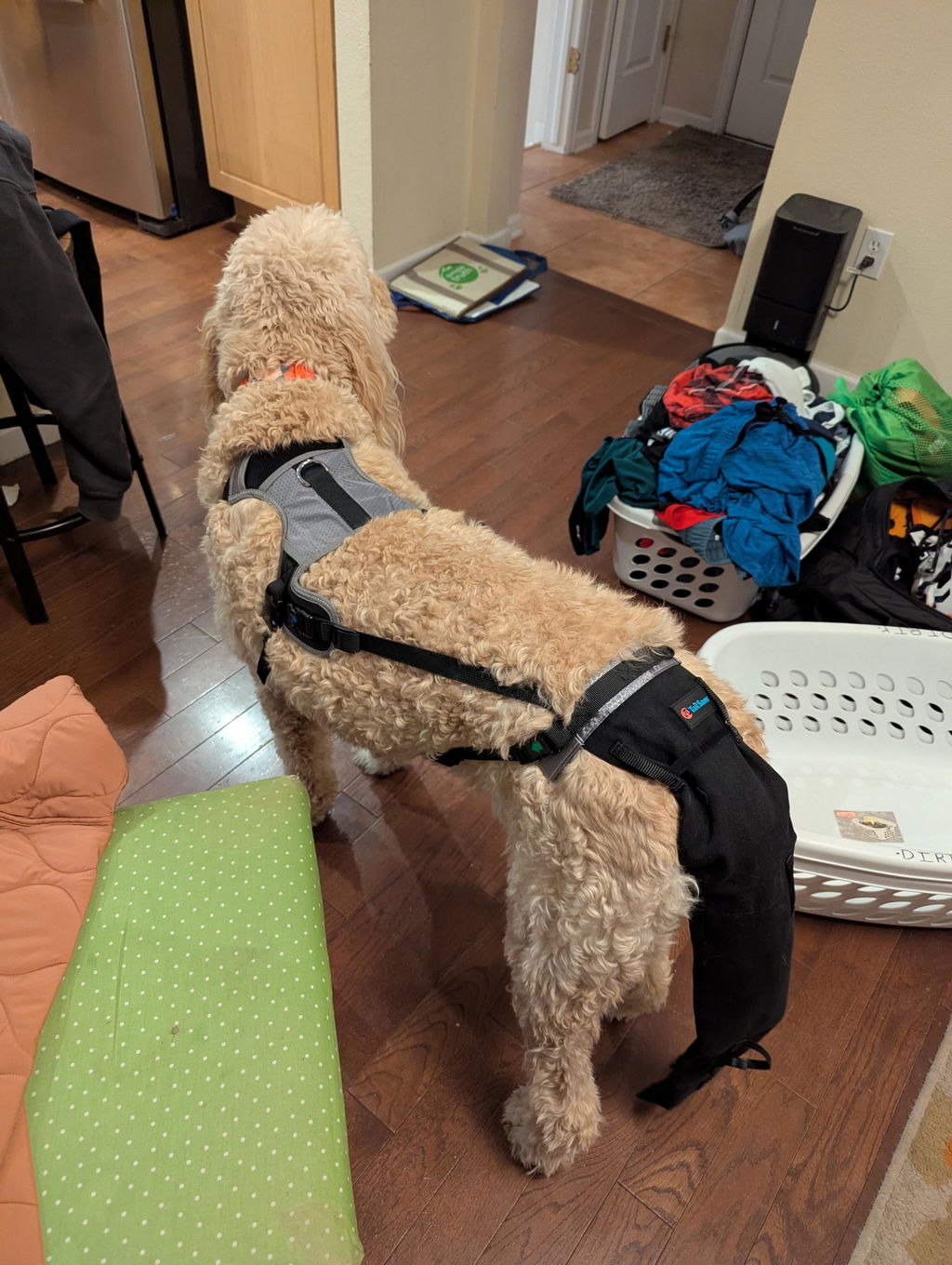
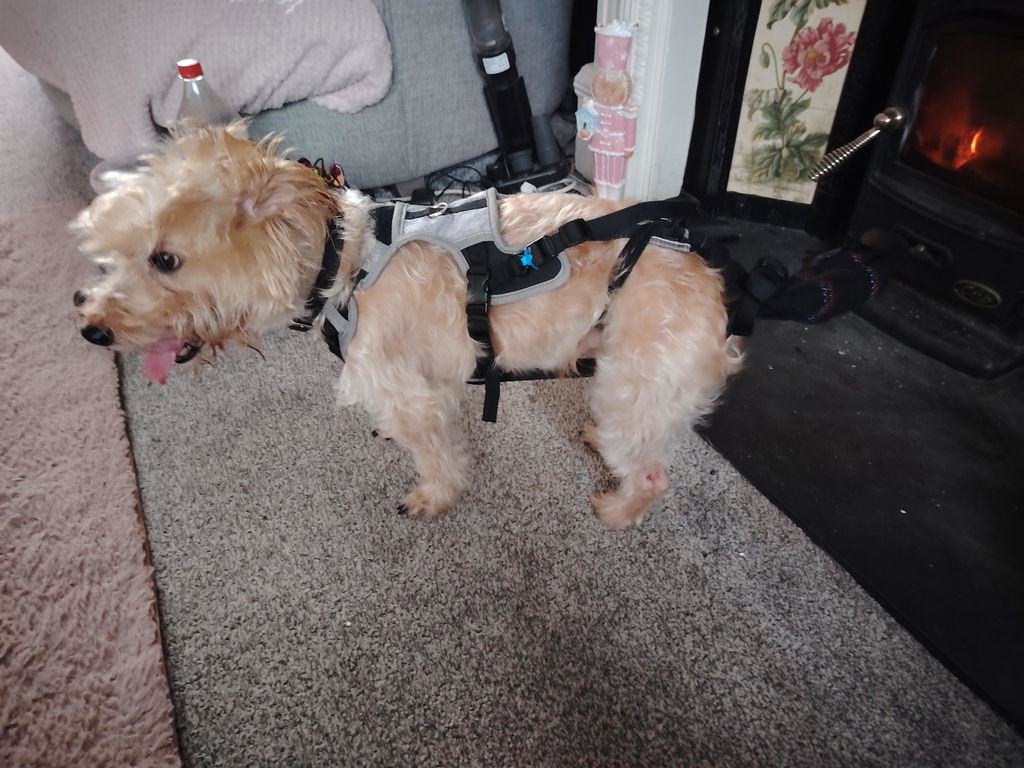
The K9 TailSaver is sized for adult dogs. For puppies below approximately 25–30 lbs, the smallest available size may be too large to fit correctly. Consult the sizing guide using the puppy's current measurements. For very young puppies below the smallest size range, discuss options with your veterinarian — a brief starter bandage protocol may be appropriate while the puppy grows into device sizing, combined with daily vet rechecks.
Faster baseline healing
Healthy puppies between 3–12 months will often heal tail tip wounds faster than equivalent wounds in adult dogs, given their high cell turnover rate. With protection applied correctly, puppy Stage 1–2 wounds may resolve in 5–10 days rather than the 10–21 day adult timeline.
When Puppy Tail Wounds Are Not Happy Tail
Not all tail tip wounds in puppies are caused by wall impact. Puppies also get tail tip wounds from:
- Littermate biting during play: Puppies bite tails during rough play. Wounds from sibling biting are often irregular in shape (tooth marks) rather than the cleanly split oval of impact wounds. Risk of infection is higher given oral bacteria contamination.
- Rough play with adult dogs: Adult dogs that play roughly with puppies can cause bite wounds to the tail tip. The wound should be assessed for puncture depth (bite wounds can be deeper than they appear).
- Trauma from doors or gates: Puppy tails caught in closing doors, gates, or crate doors produce acute trauma wounds at any point along the tail, not just the tip. These may include fracture.
If the wound is irregular in shape, in a location other than the tip, or the puppy is showing more pain than typical Happy Tail dogs, seek veterinary assessment to confirm the mechanism and rule out fracture or deep bite injury.
Puppy Happy Tail FAQ
My puppy is 4 months old and has a small cut on the tail tip. Should I take it to the vet?
Assess the wound: if the cut is very superficial, not infected, and the puppy
is otherwise well, home management with a clean non-stick dressing is appropriate
for 2–3 days while you monitor. If the wound is not clearly closing by day 3,
or if any infection signs appear, take the puppy to the vet. For puppies under
3 months, always seek vet advice for any open wound.
Will my puppy outgrow Happy Tail?
Some puppies with Happy Tail events early in life stop having problems as their
coordination improves and their wagging becomes more controlled. However, if
the environmental conditions that caused the first event haven't changed (crate bars
at tail height, narrow wall corridors), adult Happy Tail events remain possible.
Implement environmental modifications as the puppy grows.
At what age can a puppy use the K9 TailSaver?
The device is appropriate for any dog that meets the minimum size for the smallest
available size. Check the
sizing guide with your puppy's current measurements.
Most puppies of medium-large breeds reach K9 TailSaver sizing range by 4–6 months