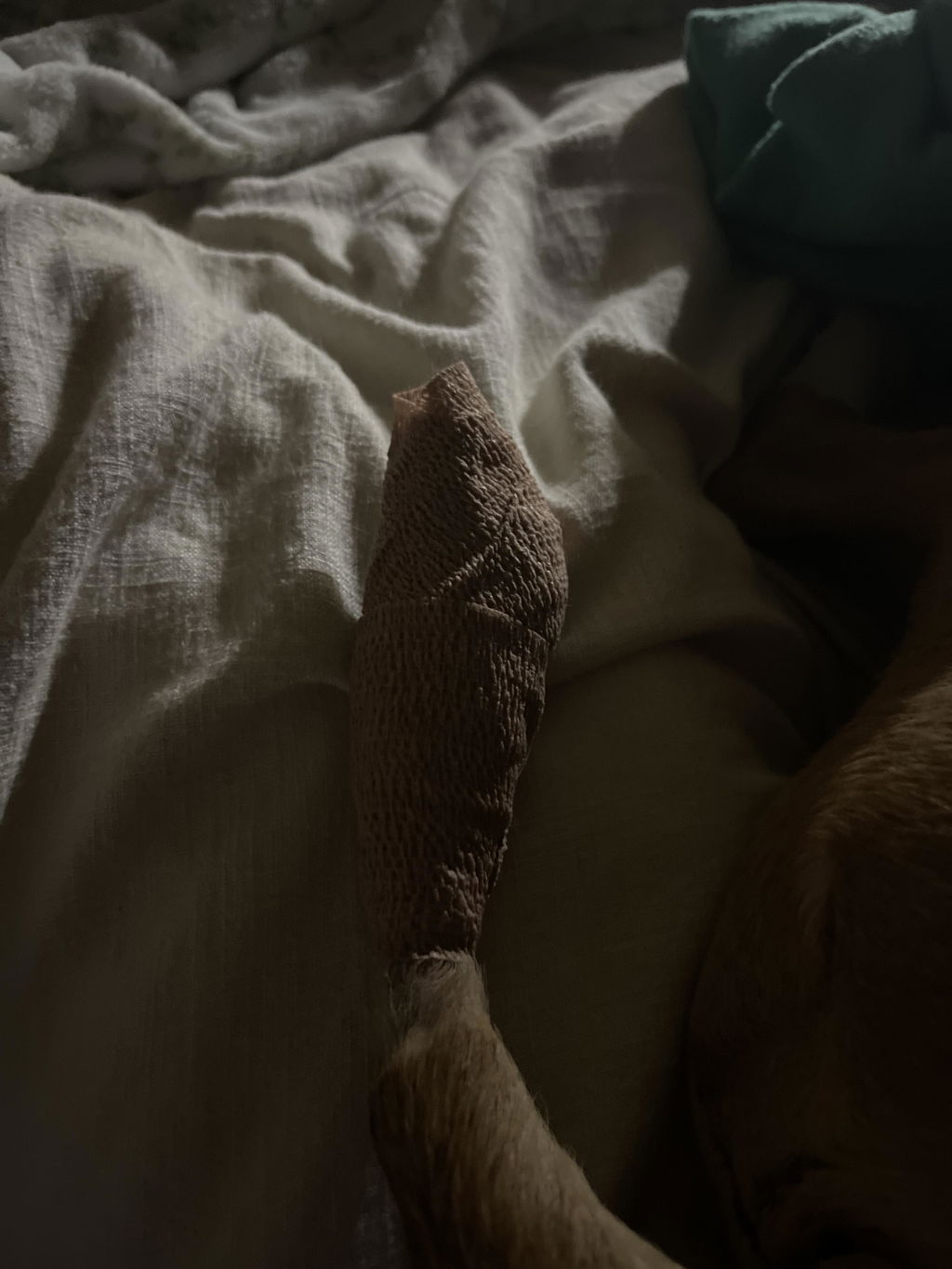
Labrador Tail Injury Not Healing
Labrador Tail Injury Not Healing: Practical Treatment Guide
Labrador Tail Injury Not Healing is usually a repeat-motion injury problem, not a one-time wound event. This guide focuses on practical treatment sequencing, owner compliance, and how to route healing toward durable closure using happy tail syndrome treatment best practices.
Mechanical Prevention Framework
Labrador tail injury not healing often fails when treatment only addresses the visible wound and ignores the mechanical forces that keep reopening tissue. In this section, we map mechanical prevention framework to a repeatable home protocol with veterinary escalation criteria. We also connect this approach to chronic wound care, tail re-injury prevention, and vet escalation so owners can take immediate action without creating additional tail trauma.
Why Impact Cycles Prevent Closure
Labrador tail injury not healing often fails when treatment only addresses the visible wound and ignores the mechanical forces that keep reopening tissue. In this section, we map why impact cycles prevent closure to a repeatable home protocol with veterinary escalation criteria. We also connect this approach to chronic wound care, tail re-injury prevention, and vet escalation so owners can take immediate action without creating additional tail trauma.
Labrador tail injury not healing often fails when treatment only addresses the visible wound and ignores the mechanical forces that keep reopening tissue. In this section, we map why impact cycles prevent closure implementation to a repeatable home protocol with veterinary escalation criteria. We also connect this approach to chronic wound care, tail re-injury prevention, and vet escalation so owners can take immediate action without creating additional tail trauma.
How to Stabilize Motion During Daily Activity
Labrador tail injury not healing often fails when treatment only addresses the visible wound and ignores the mechanical forces that keep reopening tissue. In this section, we map how to stabilize motion during daily activity to a repeatable home protocol with veterinary escalation criteria. We also connect this approach to chronic wound care, tail re-injury prevention, and vet escalation so owners can take immediate action without creating additional tail trauma.
Labrador tail injury not healing often fails when treatment only addresses the visible wound and ignores the mechanical forces that keep reopening tissue. In this section, we map how to stabilize motion during daily activity implementation to a repeatable home protocol with veterinary escalation criteria. We also connect this approach to chronic wound care, tail re-injury prevention, and vet escalation so owners can take immediate action without creating additional tail trauma.
Treatment Protocol by Severity
Labrador tail injury not healing often fails when treatment only addresses the visible wound and ignores the mechanical forces that keep reopening tissue. In this section, we map treatment protocol by severity to a repeatable home protocol with veterinary escalation criteria. We also connect this approach to chronic wound care, tail re-injury prevention, and vet escalation so owners can take immediate action without creating additional tail trauma.
At-Home Care for Active Bleeding Episodes
Labrador tail injury not healing often fails when treatment only addresses the visible wound and ignores the mechanical forces that keep reopening tissue. In this section, we map at-home care for active bleeding episodes to a repeatable home protocol with veterinary escalation criteria. We also connect this approach to chronic wound care, tail re-injury prevention, and vet escalation so owners can take immediate action without creating additional tail trauma.
Labrador tail injury not healing often fails when treatment only addresses the visible wound and ignores the mechanical forces that keep reopening tissue. In this section, we map at-home care for active bleeding episodes implementation to a repeatable home protocol with veterinary escalation criteria. We also connect this approach to chronic wound care, tail re-injury prevention, and vet escalation so owners can take immediate action without creating additional tail trauma.
When to Escalate to Veterinary Treatment
Labrador tail injury not healing often fails when treatment only addresses the visible wound and ignores the mechanical forces that keep reopening tissue. In this section, we map when to escalate to veterinary treatment to a repeatable home protocol with veterinary escalation criteria. We also connect this approach to chronic wound care, tail re-injury prevention, and vet escalation so owners can take immediate action without creating additional tail trauma.
Labrador tail injury not healing often fails when treatment only addresses the visible wound and ignores the mechanical forces that keep reopening tissue. In this section, we map when to escalate to veterinary treatment implementation to a repeatable home protocol with veterinary escalation criteria. We also connect this approach to chronic wound care, tail re-injury prevention, and vet escalation so owners can take immediate action without creating additional tail trauma.
Comparison of Common Solutions
Labrador tail injury not healing often fails when treatment only addresses the visible wound and ignores the mechanical forces that keep reopening tissue. In this section, we map comparison of common solutions to a repeatable home protocol with veterinary escalation criteria. We also connect this approach to chronic wound care, tail re-injury prevention, and vet escalation so owners can take immediate action without creating additional tail trauma.
Bandage-Only Methods vs Anchored Protection
Labrador tail injury not healing often fails when treatment only addresses the visible wound and ignores the mechanical forces that keep reopening tissue. In this section, we map bandage-only methods vs anchored protection to a repeatable home protocol with veterinary escalation criteria. We also connect this approach to chronic wound care, tail re-injury prevention, and vet escalation so owners can take immediate action without creating additional tail trauma.
Labrador tail injury not healing often fails when treatment only addresses the visible wound and ignores the mechanical forces that keep reopening tissue. In this section, we map bandage-only methods vs anchored protection implementation to a repeatable home protocol with veterinary escalation criteria. We also connect this approach to chronic wound care, tail re-injury prevention, and vet escalation so owners can take immediate action without creating additional tail trauma.
Cost and Compliance Tradeoffs for Owners
Labrador tail injury not healing often fails when treatment only addresses the visible wound and ignores the mechanical forces that keep reopening tissue. In this section, we map cost and compliance tradeoffs for owners to a repeatable home protocol with veterinary escalation criteria. We also connect this approach to chronic wound care, tail re-injury prevention, and vet escalation so owners can take immediate action without creating additional tail trauma.
Labrador tail injury not healing often fails when treatment only addresses the visible wound and ignores the mechanical forces that keep reopening tissue. In this section, we map cost and compliance tradeoffs for owners implementation to a repeatable home protocol with veterinary escalation criteria. We also connect this approach to chronic wound care, tail re-injury prevention, and vet escalation so owners can take immediate action without creating additional tail trauma.
Recovery and Relapse Prevention
Labrador tail injury not healing often fails when treatment only addresses the visible wound and ignores the mechanical forces that keep reopening tissue. In this section, we map recovery and relapse prevention to a repeatable home protocol with veterinary escalation criteria. We also connect this approach to chronic wound care, tail re-injury prevention, and vet escalation so owners can take immediate action without creating additional tail trauma.
Daily Monitoring Checklist
Labrador tail injury not healing often fails when treatment only addresses the visible wound and ignores the mechanical forces that keep reopening tissue. In this section, we map daily monitoring checklist to a repeatable home protocol with veterinary escalation criteria. We also connect this approach to chronic wound care, tail re-injury prevention, and vet escalation so owners can take immediate action without creating additional tail trauma.
Labrador tail injury not healing often fails when treatment only addresses the visible wound and ignores the mechanical forces that keep reopening tissue. In this section, we map daily monitoring checklist implementation to a repeatable home protocol with veterinary escalation criteria. We also connect this approach to chronic wound care, tail re-injury prevention, and vet escalation so owners can take immediate action without creating additional tail trauma.
How to Transition to Maintenance Mode
Labrador tail injury not healing often fails when treatment only addresses the visible wound and ignores the mechanical forces that keep reopening tissue. In this section, we map how to transition to maintenance mode to a repeatable home protocol with veterinary escalation criteria. We also connect this approach to chronic wound care, tail re-injury prevention, and vet escalation so owners can take immediate action without creating additional tail trauma.
Labrador tail injury not healing often fails when treatment only addresses the visible wound and ignores the mechanical forces that keep reopening tissue. In this section, we map how to transition to maintenance mode implementation to a repeatable home protocol with veterinary escalation criteria. We also connect this approach to chronic wound care, tail re-injury prevention, and vet escalation so owners can take immediate action without creating additional tail trauma.
Action Plan and Conversion Path
Immediate Next Step
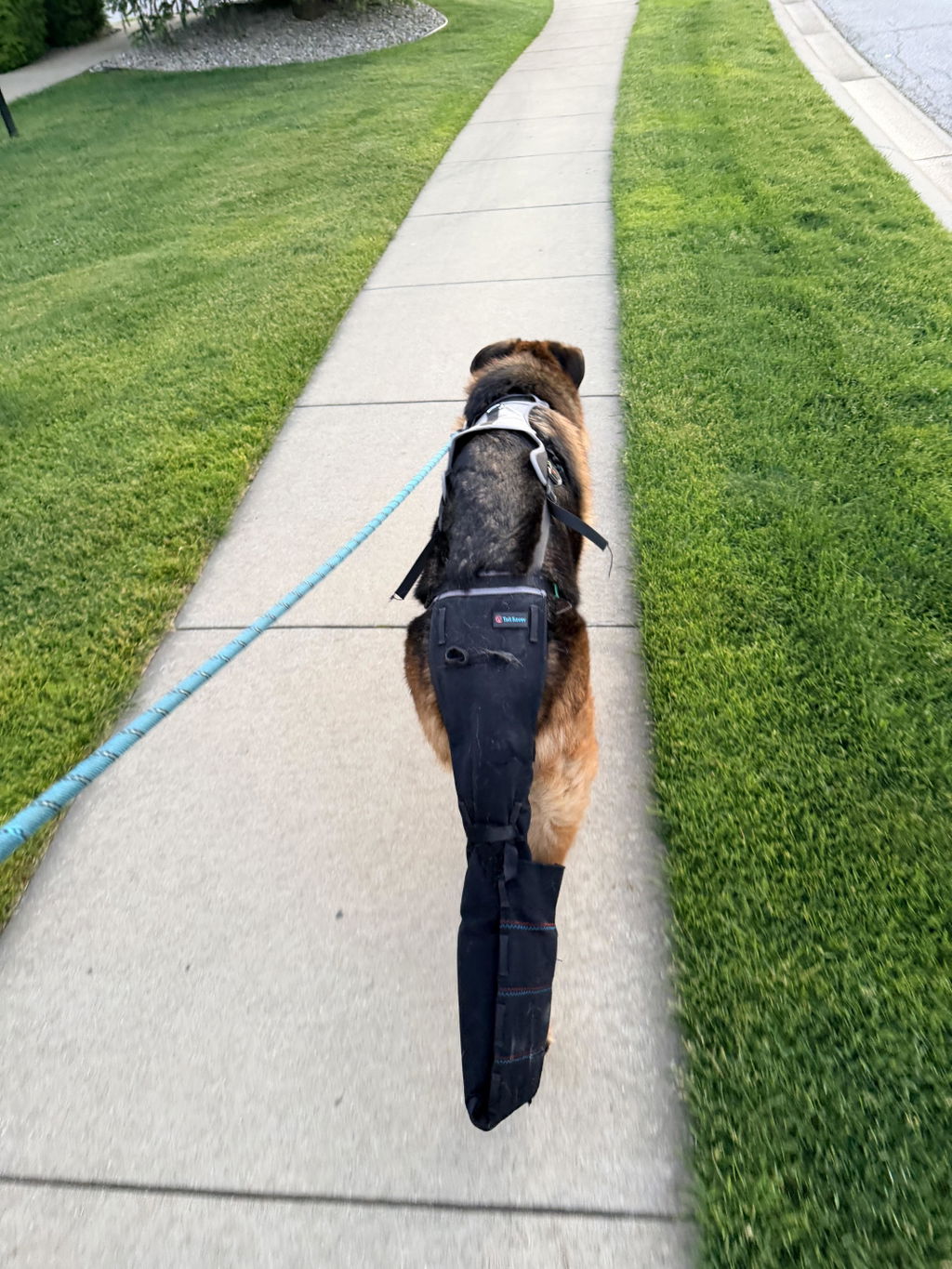
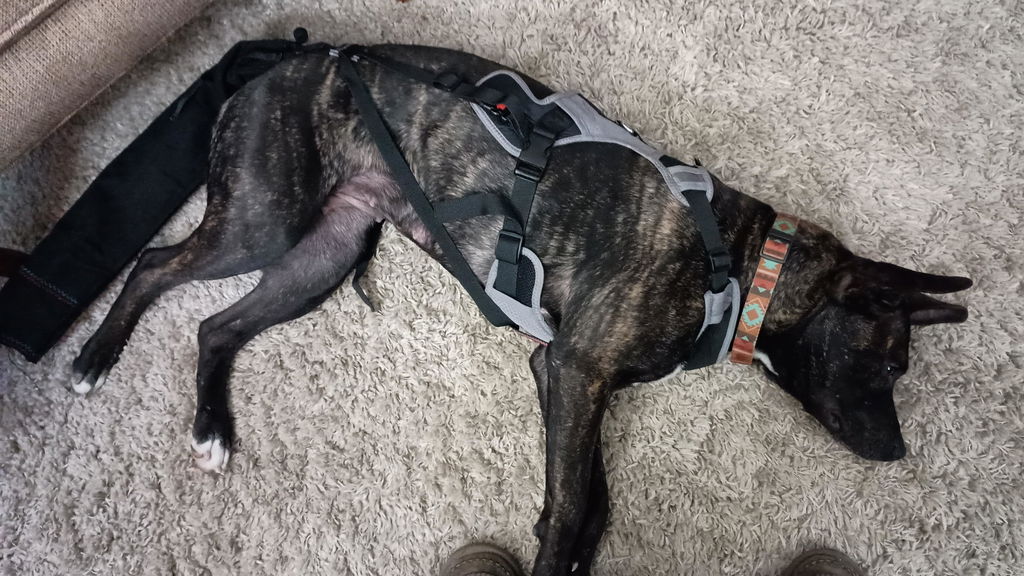
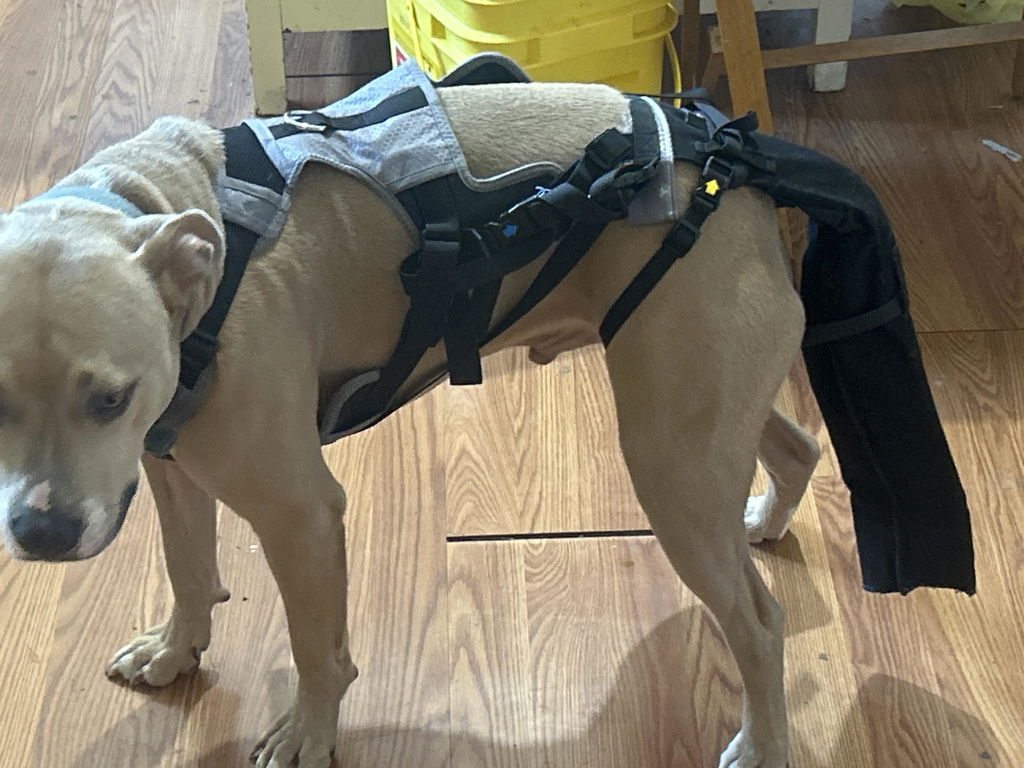
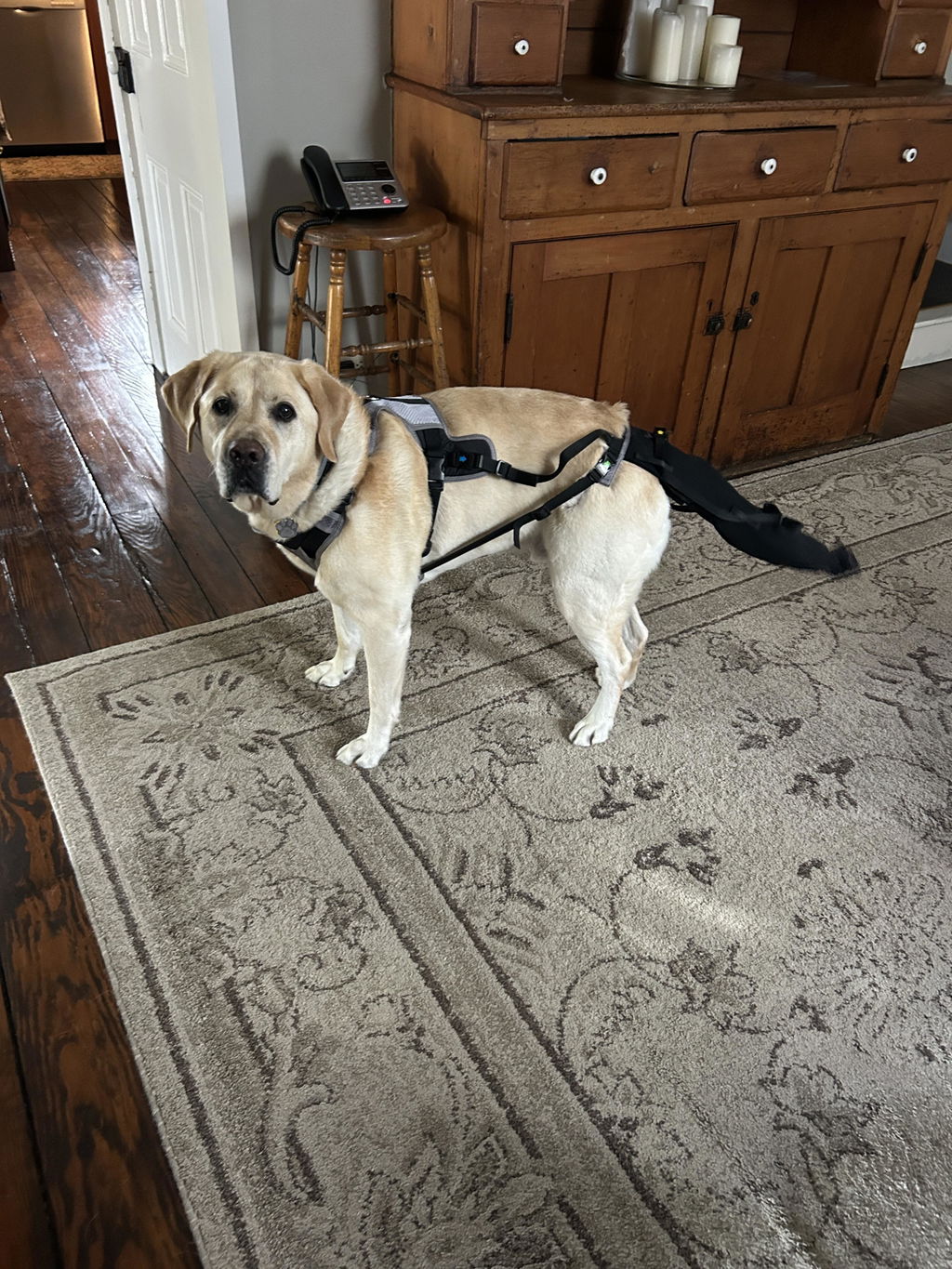
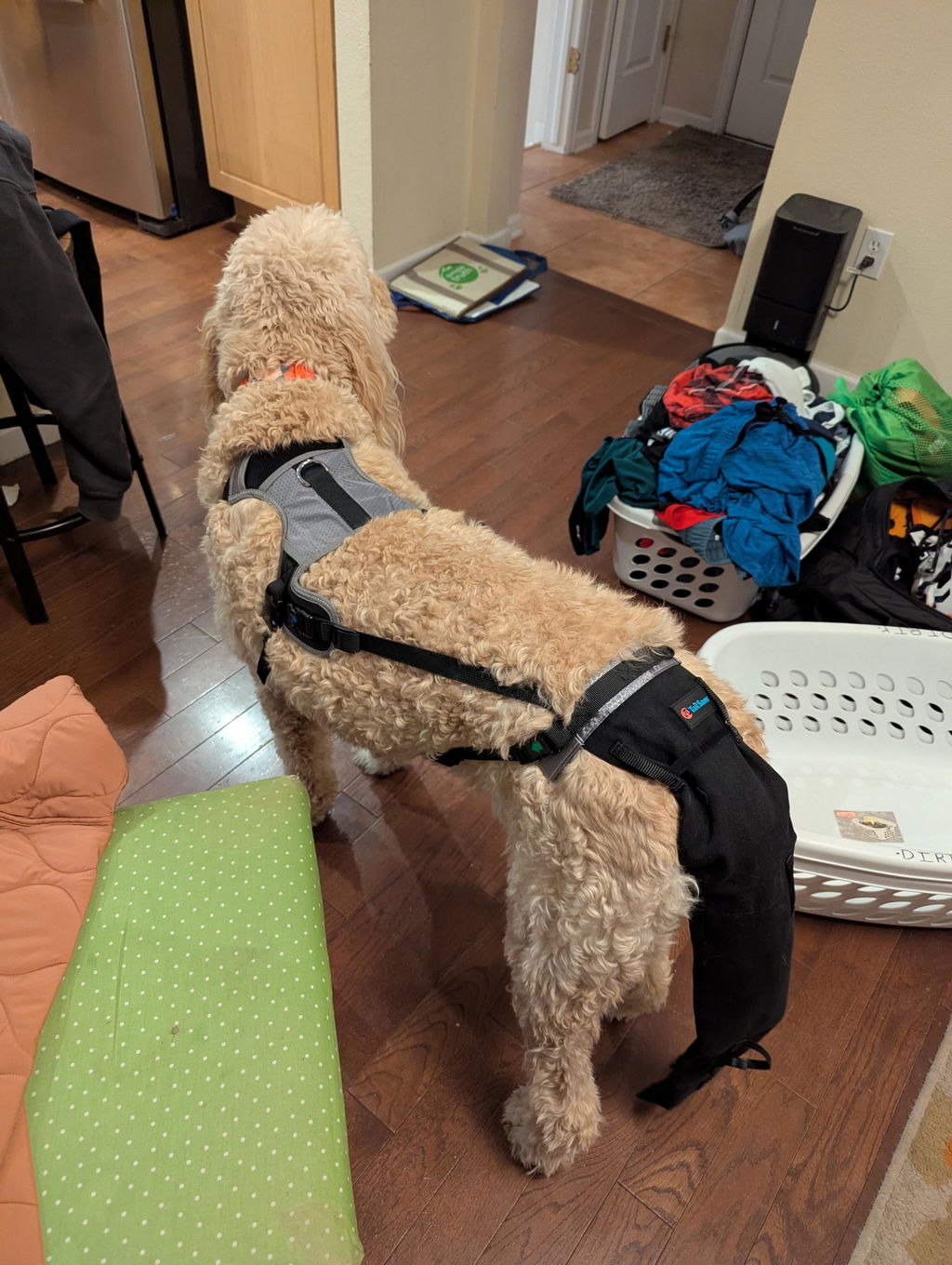
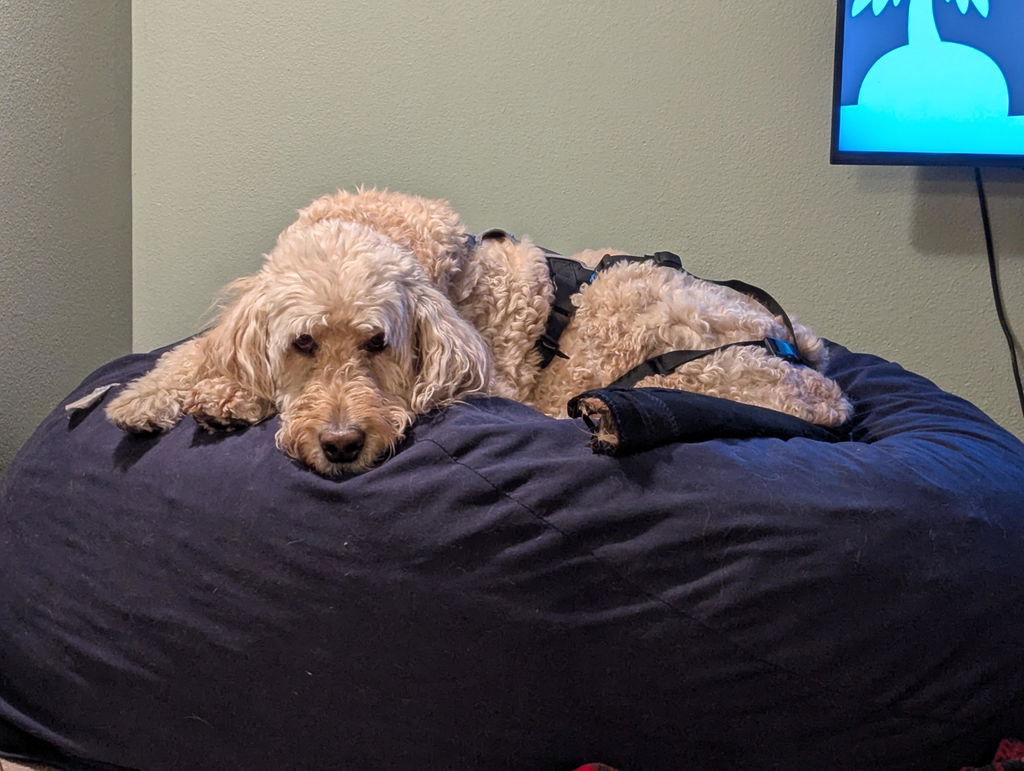
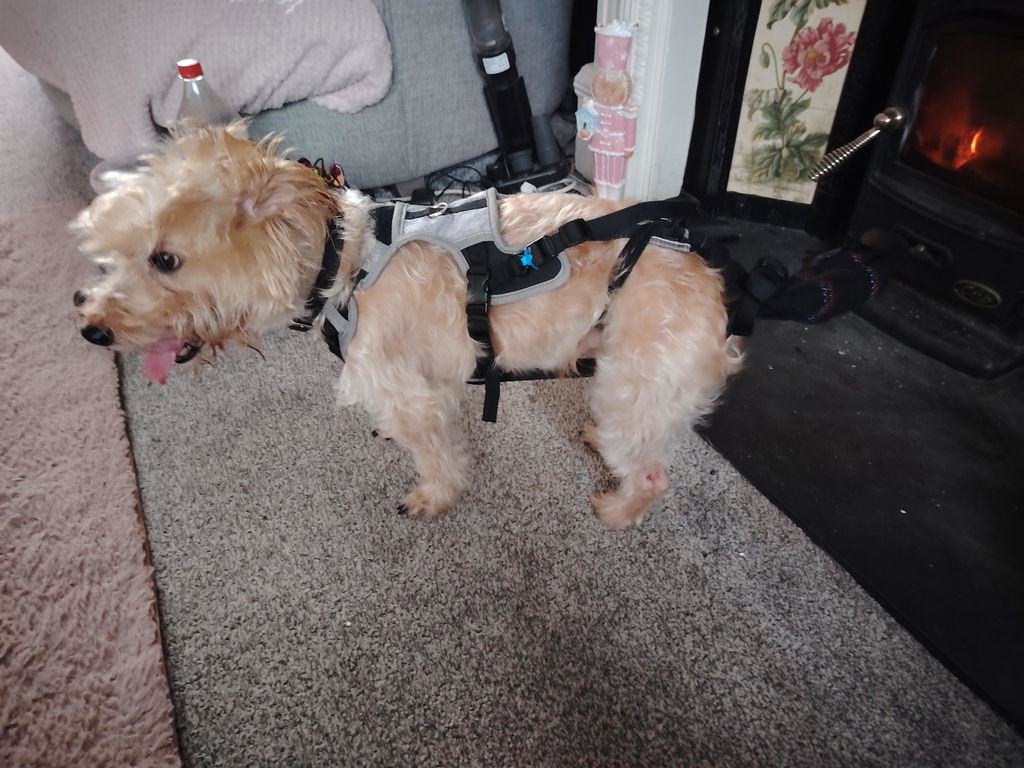
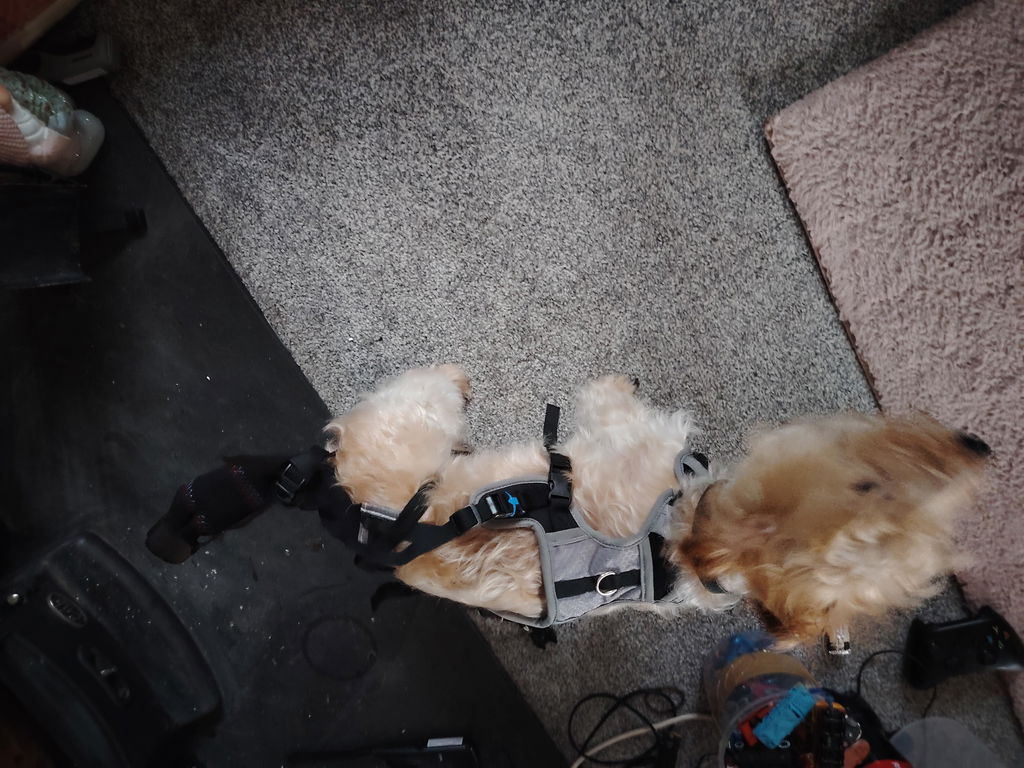
Use a body-anchored protection workflow and track healing checkpoints daily. If re-injury persists beyond one week, move to a structured escalation protocol with your veterinarian. For owners ready to start now, see the treatment setup here.
Happy Tail Syndrome treatment product
K9 TailSaver dog tail protector
What to do next
If you are ready to stop the re-injury cycle, go to the main K9 TailSaver set now. If fit is your only hesitation, run the size finder first. If your dog is between sizes or actively reopening the wound, text support for a faster fit check.
Shop the main K9 TailSaver set
Find my size first | See first-fit instructions | Text support