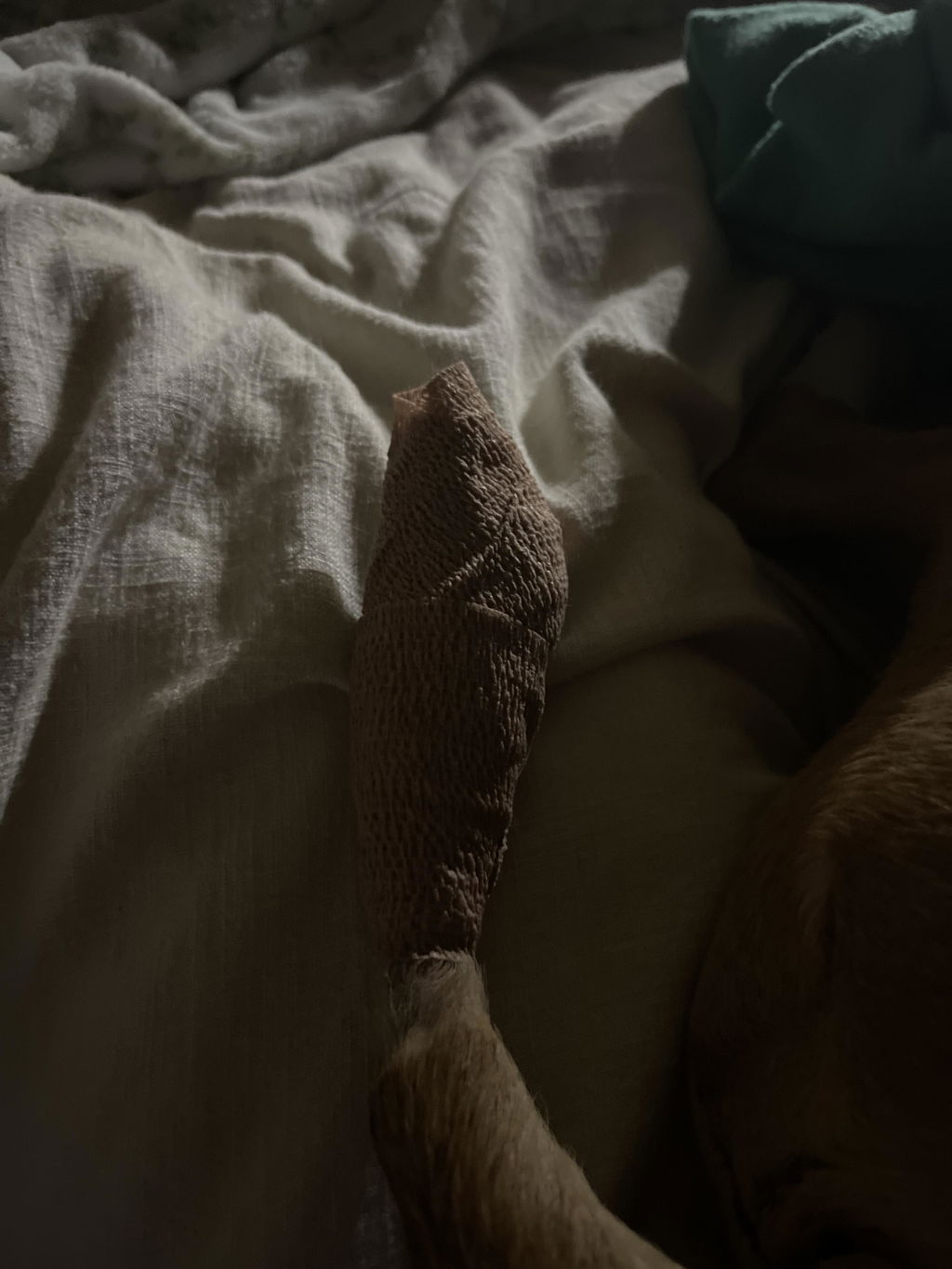
Why More Pet Owners Are Choosing Tail Protection for Their Dogs
Dogs use their tails every day to communicate, balance, and express emotions. That is why Tail Protection for Dogs has become an important topic among pet owners. Tail injuries can happen from constant wagging, impact with hard surfaces, tail biting, or existing medical conditions. Protecting an injured tail helps reduce repeated trauma, supports healing, and improves comfort during recovery. At K9 TailSaver, we have worked closely with families facing recurring tail injuries, and we understand why more pet owners are looking for practical ways to help their dogs heal safely.
Table of Contents
- Understanding Tail Injuries in Dogs
- Why Tail Injuries Are So Difficult to Heal
- The Growing Awareness of Tail Safety
- Key Benefits of the Happy Tail Saver Design
- Common Situations That Put Tails at Risk
- What Pet Owners Should Look for in a Protection Solution
- Choosing the Right Fit for Your Dog
- Help Your Dog Stay Comfortable During Recovery
-
Frequently Asked Questions
Understanding Tail Injuries in Dogs
A dog's tail may seem strong, but it can be surprisingly vulnerable. Every wag creates movement, and when an injury develops, that movement can prevent wounds from closing properly.
Many pet owners first notice a problem when they see blood on walls, furniture, or floors. This often happens when a dog repeatedly strikes its tail against hard surfaces. Conditions such as Happy Tail Syndrome can turn a small wound into an ongoing problem if the tail is not properly protected.
Because the tail has limited soft tissue and constant motion, even minor injuries can become difficult to manage.
Why Tail Injuries Are So Difficult to Heal
Healing requires stability. Unfortunately, a dog's tail rarely stays still.
The tail moves when a dog is excited, playing, greeting family members, or even walking around the house. This constant motion can reopen wounds repeatedly.
At K9 TailSaver, we have seen many pet owners try traditional bandages, wraps, and temporary fixes. While these methods may help for short periods, they often shift, loosen, or fail to stay in place on active dogs.
This is one reason veterinarians frequently recommend keeping injured tails protected during the recovery process.
The Growing Awareness of Tail Safety
Pet owners today have access to more information than ever before. They are learning that tail injuries should not be ignored.
Many dog owners now recognize the early warning signs, including:
Signs That May Indicate Tail Problems
- Frequent bleeding from the tail tip
- Reopened wounds that never seem to heal
- Excessive licking or chewing
- Visible swelling or irritation
- Sensitivity when the tail is touched
- Hair loss around injured areas
Early action can often prevent complications and reduce stress for both dogs and their families.
Key Benefits of the Happy Tail Saver Design
When we designed the K9 TailSaver, we focused on solving the specific pain points that pet parents face during the recovery process.
-
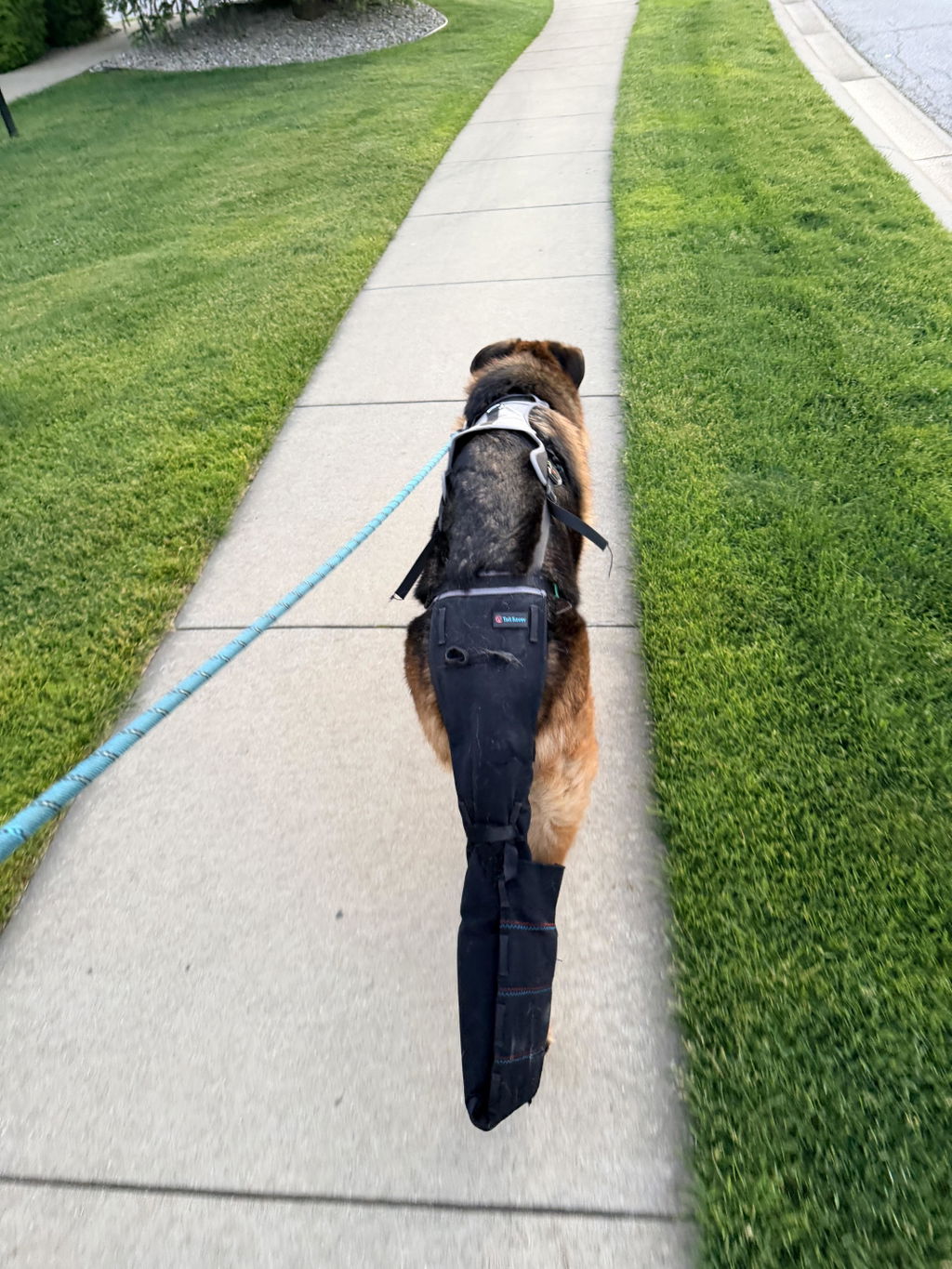
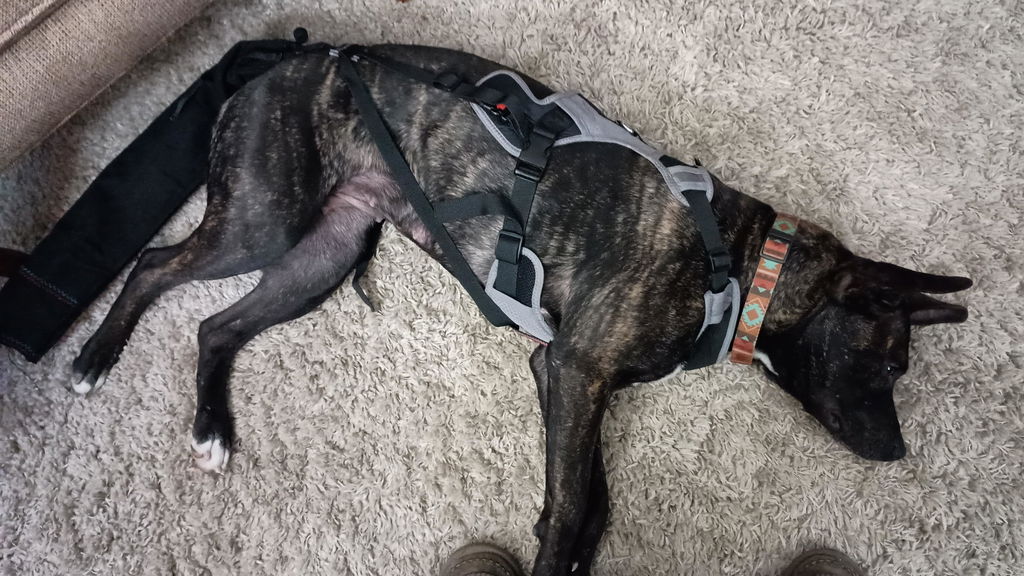
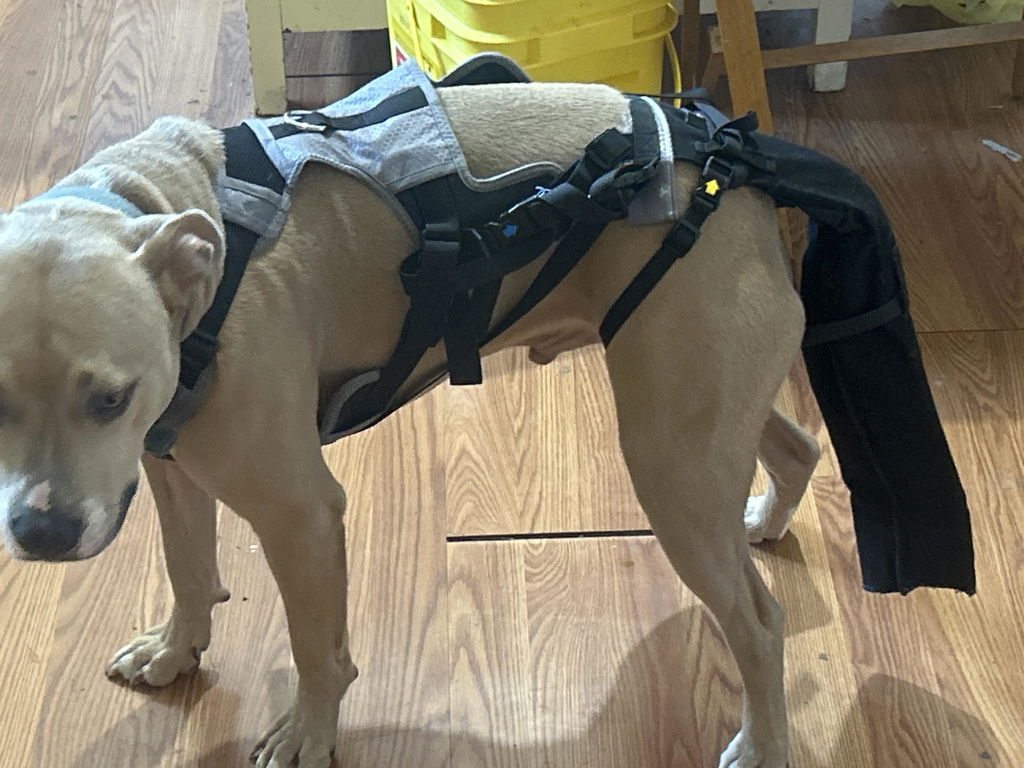
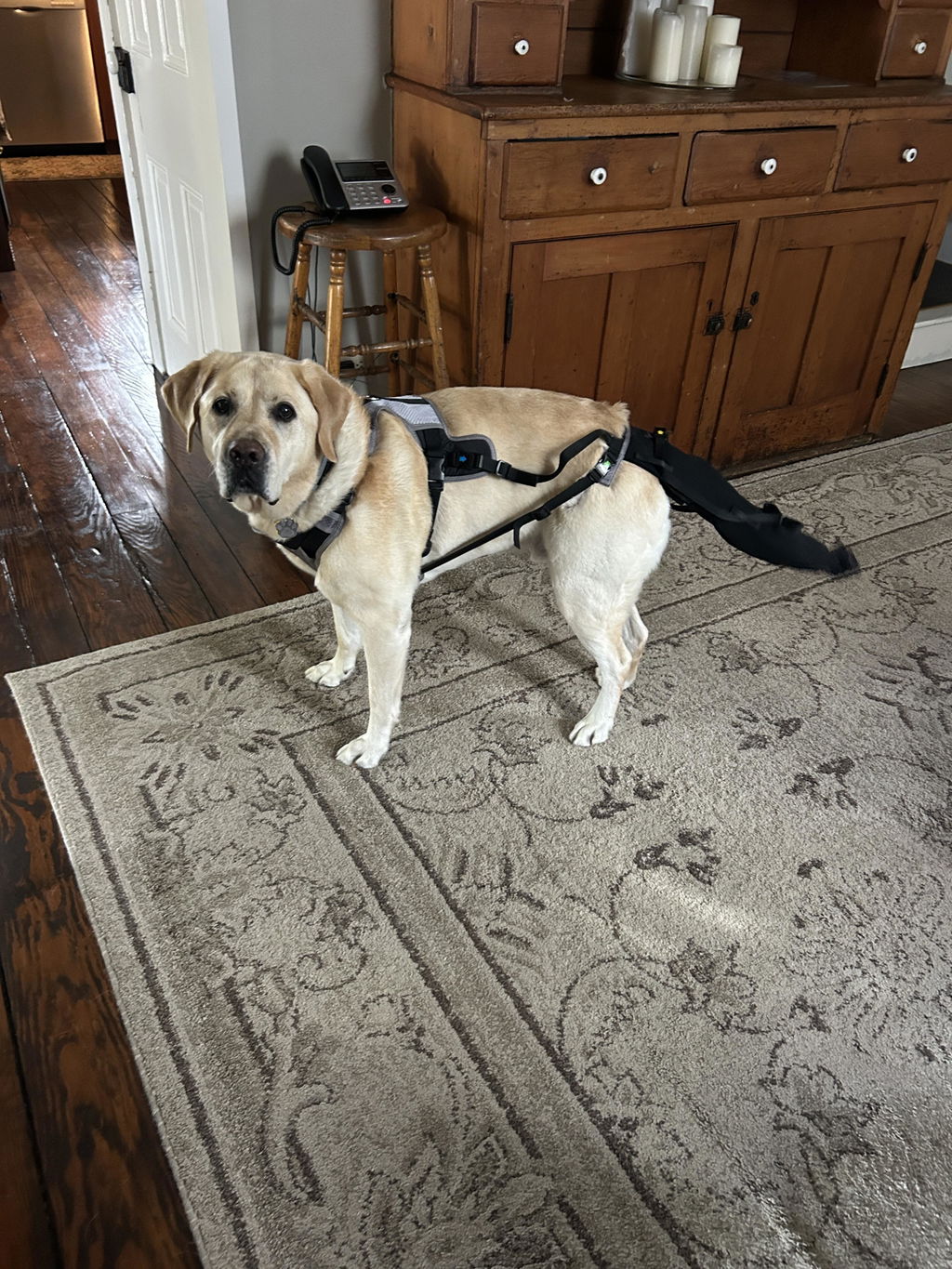
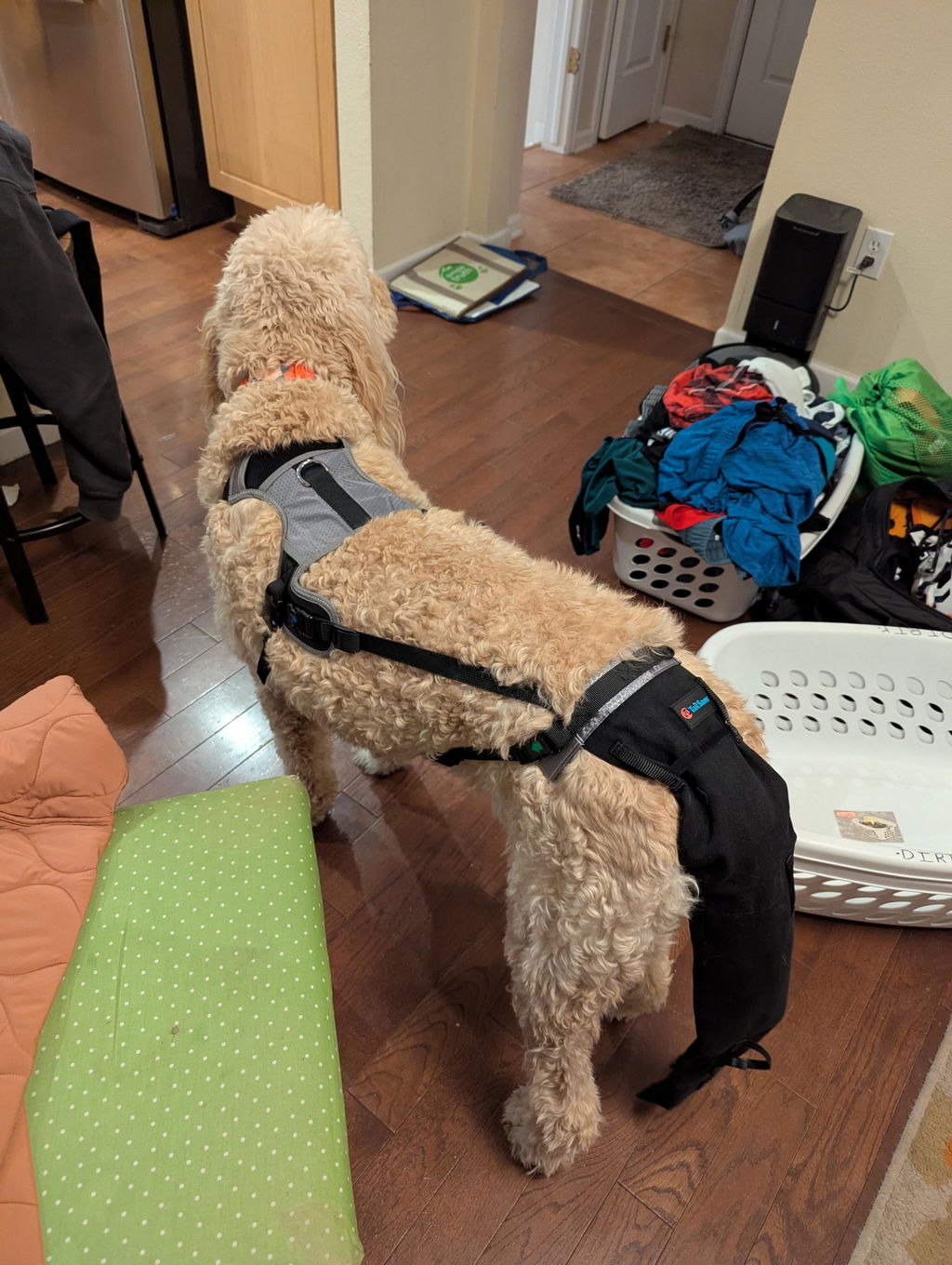
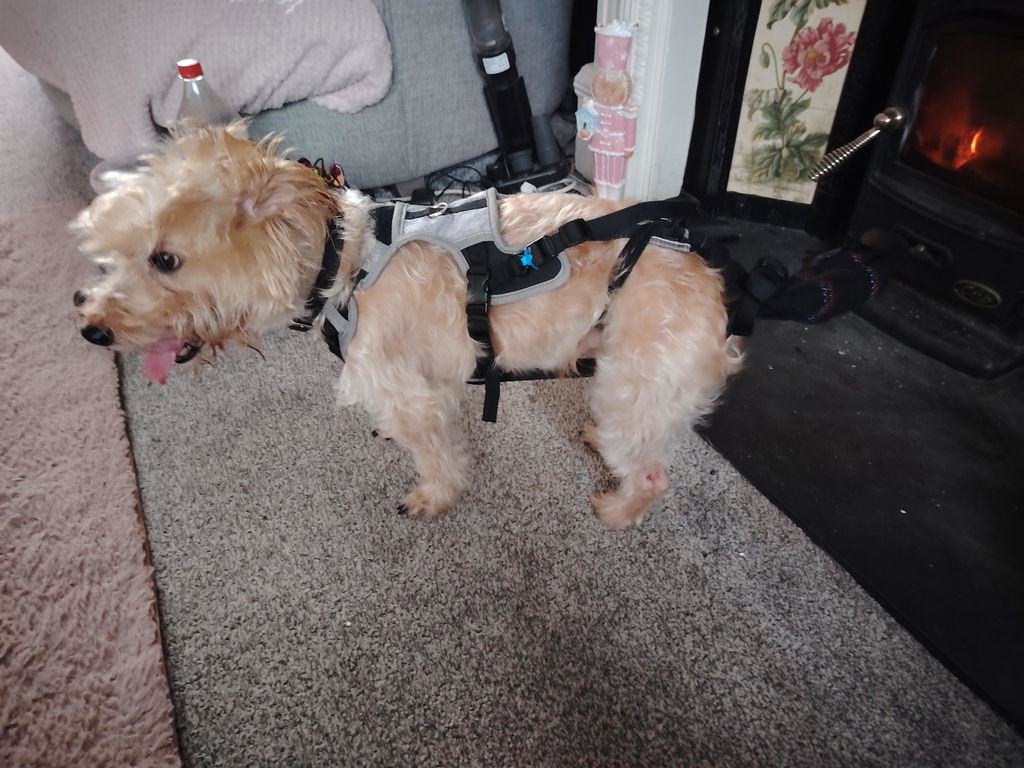
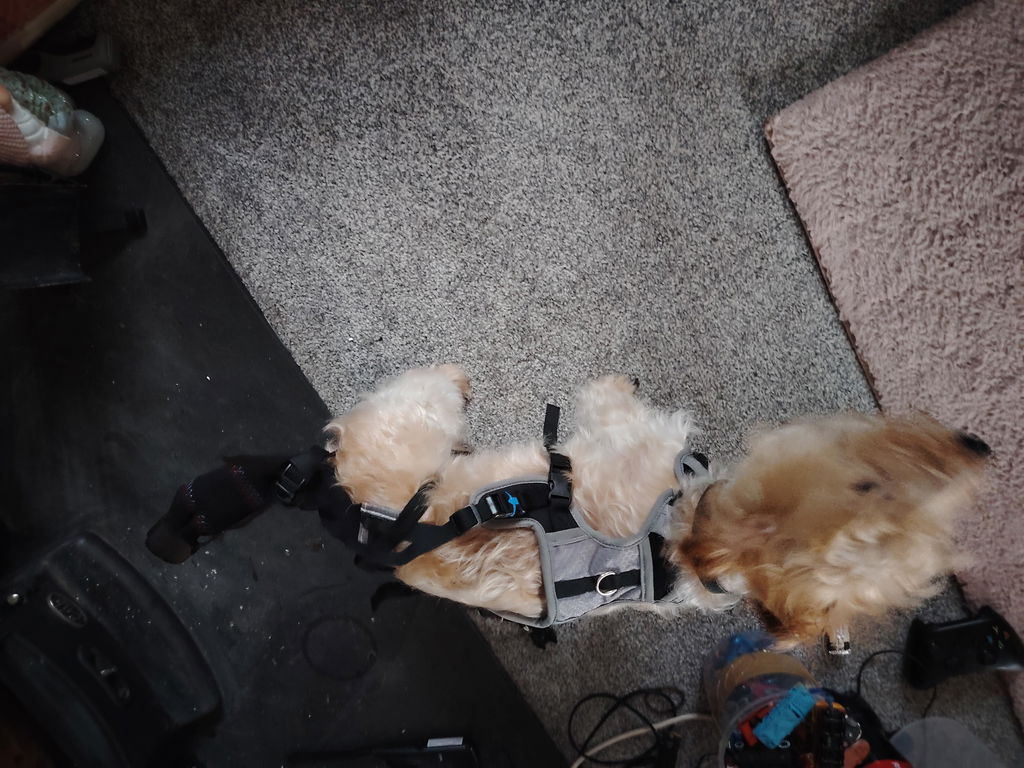
Secure Body Anchoring: Our system uses a support harness and an anti-twist strap. This prevents the sleeve from sliding off or rotating, ensuring the padded section stays exactly where the injury is located.
-
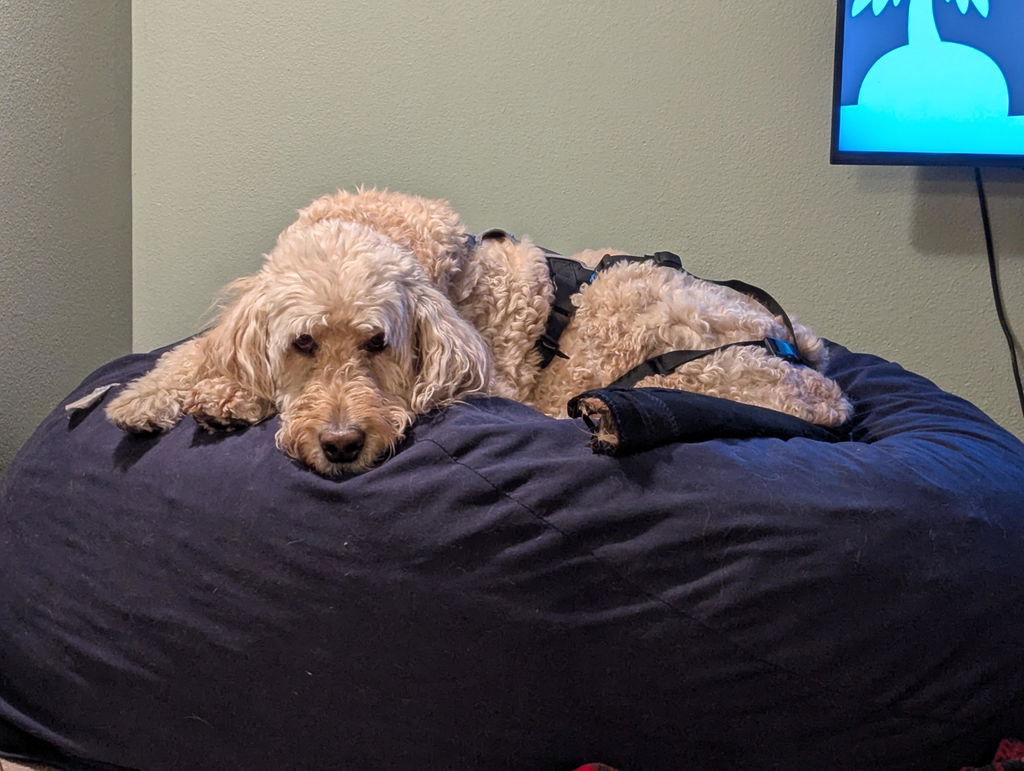
Hygiene and Potty Access: We made sure that our design allows dogs to go potty and use their crates without any interference. There is no need to remove the gear for basic daily functions.
-
Cushioned Impact Shielding: The sleeve features specific padding that absorbs the energy of a wag. This means when your dog hits a wall, the protector takes the blow instead of the wound.
- Veterinary Alternative: Many of our users have successfully avoided the high costs and risks of amputation by using our brace to allow for full natural healing at home.
Common Situations That Put Tails at Risk
Not every tail injury starts with a medical condition. Everyday situations can also contribute to trauma.
Dogs may injure their tails while:
- Wagging against walls or furniture
- Playing in confined spaces
- Traveling in crates or vehicles
- Chasing or biting their tails
- Recovering from previous injuries
Large breeds and highly energetic dogs often face greater risk because of the strength behind their tail movement.
What Pet Owners Should Look for in a Protection Solution
When researching options, comfort and security should be top priorities.
A quality Dog Tail Protector should stay in place during normal activity while allowing natural movement. It should also provide coverage where injuries commonly occur, especially near the tail tip.
Breathability matters as well. Proper airflow can help maintain a healthier recovery environment while reducing discomfort.
At K9 TailSaver, our experience helping dogs with recurring tail injuries has shown us that every dog is different. The most effective approach combines veterinary guidance, consistent monitoring, and reliable protection that supports healing without restricting daily life.
Choosing the Right Fit for Your Dog
Every dog is built differently, from the slender tail of a Greyhound to the thick, powerful tail of a Labrador. We don't believe in a "one size fits all" approach. A protector that is too heavy can cause strain, while one that is too short leaves the most vulnerable part of the tail, the tip, exposed to further damage.
We encourage our customers to take precise measurements. Our team at Happy TailSaver personally reviews sizing for orders to ensure the fit is perfect. A well-fitted brace is one the dog eventually forgets they are even wearing, which is the ultimate goal for a stress-free recovery.
Help Your Dog Stay Comfortable During Recovery
A tail injury can quickly become an ongoing problem when wounds are repeatedly reopened. At K9 TailSaver, we understand the challenges pet owners face when trying to help their dogs heal safely. Our experience working with dogs affected by Happy Tail Syndrome and other tail injuries has shown us the importance of proper protection and education. Explore our resources to learn more about tail care, injury prevention, and recovery solutions that can help support your dog's comfort, healing, and overall well-being.
Also Read: Happy Tail Syndrome: The Complete Owner's Guide to Treatment and Recovery
Frequently Asked Questions
1. What is tail protection for dogs?
Tail protection refers to products or methods designed to shield an injured dog's tail from repeated impact, helping support healing and reduce further injury.
2. Why do dogs need tail protection?
Dogs may need tail protection when injuries repeatedly reopen due to wagging, contact with hard surfaces, or ongoing irritation during recovery.
3. Which dogs benefit most from tail protection?
Active dogs, large breeds, hunting dogs, service dogs, and pets experiencing recurring tail injuries often benefit from added protection.
4. Is tail protection comfortable for everyday use?
When properly fitted, tail protection is designed to allow natural movement while helping keep injured areas protected and comfortable.
5. How long can a dog wear tail protection?
Wear time depends on the injury, veterinary recommendations, and the specific protection solution being used during recovery.
6. Can tail injuries heal without protection?
Some minor injuries may heal naturally. However, repeated trauma can delay recovery and increase the risk of complications.
7. What causes Happy Tail Syndrome?
Happy Tail Syndrome occurs when dogs repeatedly strike their tails against hard surfaces, causing wounds that continually reopen.
8. When should I contact a veterinarian about a tail injury?
Seek veterinary care if bleeding continues, swelling develops, infection is suspected, or the injury does not improve over time.