Dog Tail Bandage Alternative | K9 TailSaver
Dog Tail Bandage Alternative: What Actually Stays On
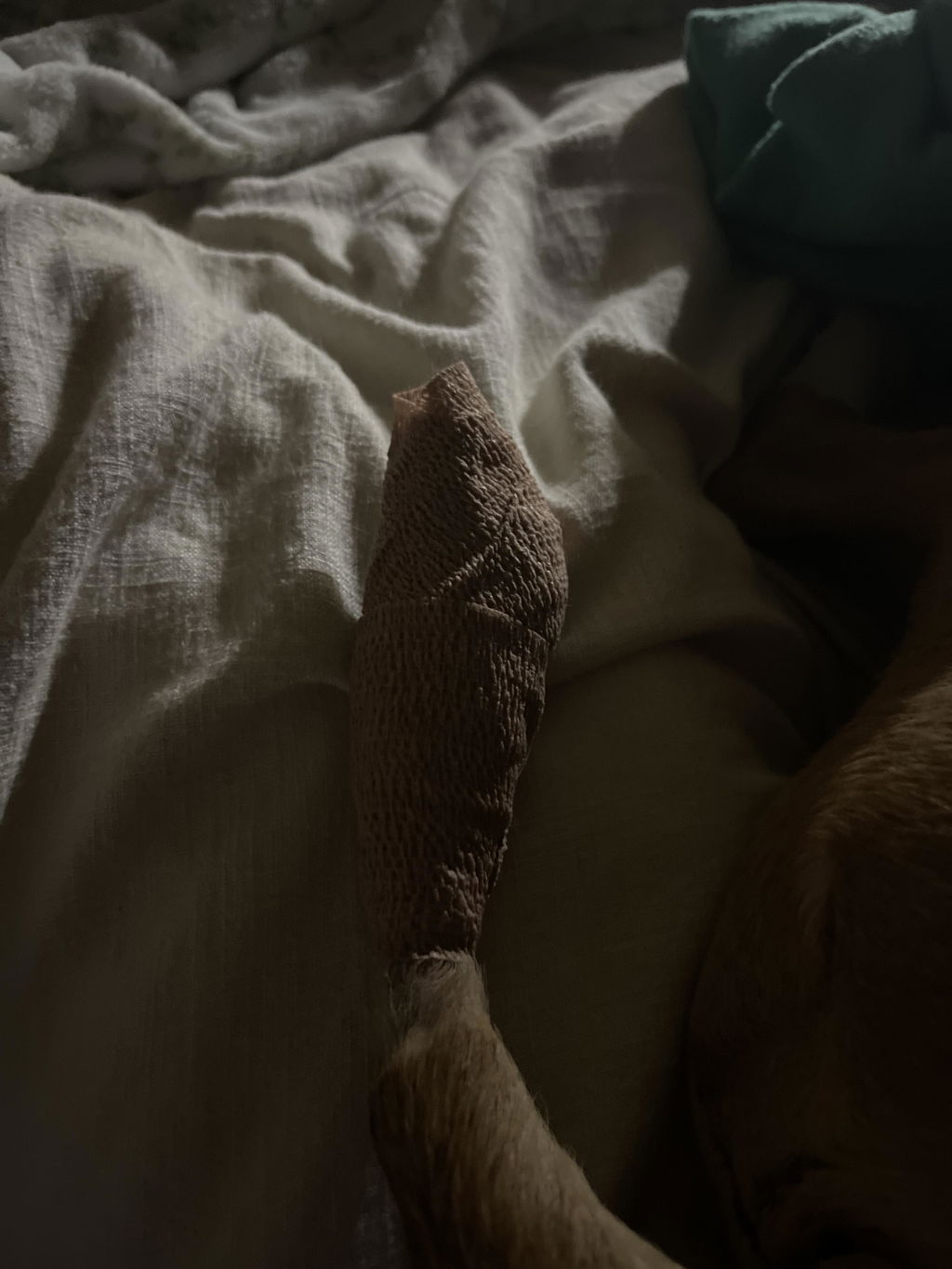
If your dog's bandage keeps slipping off, getting chewed, or falling apart within hours — you're not doing something wrong. Standard bandages aren't designed for an actively wagging tail. This guide covers why wraps fail, what vets recommend instead, and how to pick an alternative that actually works for your dog's activity level.
Best next step
If wraps keep slipping, move to a body-anchored solution.
Use the size finder first if fit is your only hesitation, or go straight to the main K9 TailSaver set if you are ready to stop the re-injury cycle now.
Why Standard Bandages Fail on Dog Tails
- Constant torque: A dog's tail moves in multiple planes simultaneously. Bandages wrap in a single direction and can't compensate for rotational and lateral forces at the same time.
- Moisture build-up: Bandages hold heat and trap moisture, especially at the tip. Within a few hours, the tape loses adhesion and slips.
- Chewing and licking: Dogs associate the bandage with the wound. Given any chance, they will remove it — often in minutes.
- No anchor point: There's nothing on the tail itself to keep a wrap in place. Gravity and movement pull everything toward the tip.
Common Alternatives & Why They Fall Short
| Option | Typical Duration | Main Failure Point |
|---|---|---|
| Cohesive bandage (vet wrap) | 2–6 hours | Slips and gets chewed |
| Foam noodle + tape | Minutes to hours | No anchor, immediately removed |
| E-collar (cone) | Worn consistently | Doesn't protect tail tip from impact |
| Dog onesie / body wrap | Varies | Tail still exposed; overheating risk |
| K9 TailSaver | 24/7 wear | Stays on via body harness anchor |
What Makes a Tail Bandage Alternative Actually Work
Any solution that works has to solve three problems at once:
- Physical protection — the wound tip can't strike hard surfaces.
- Chew prevention — the dog cannot access the wound.
- Secure fit — the device stays in position through all activity.
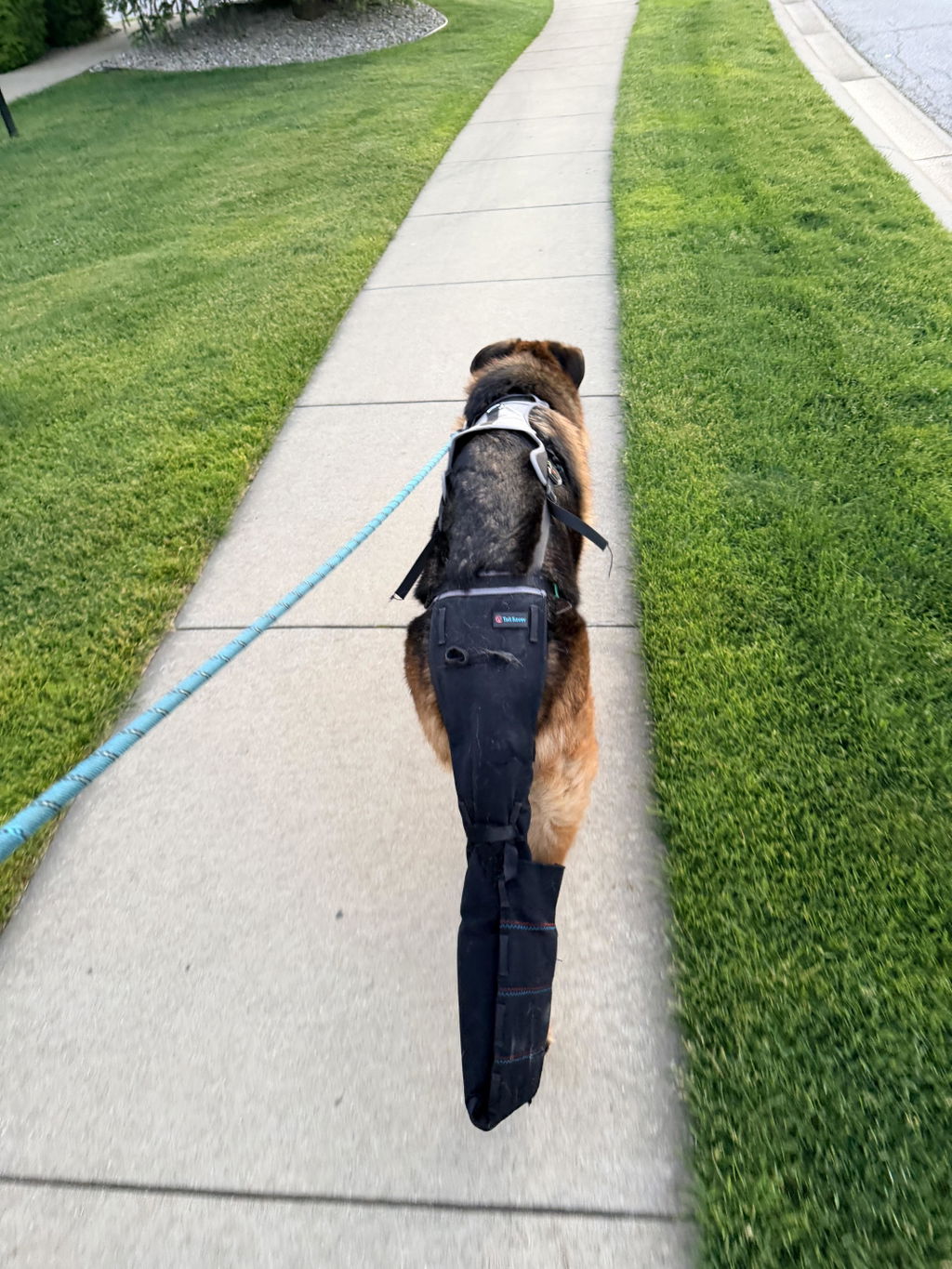
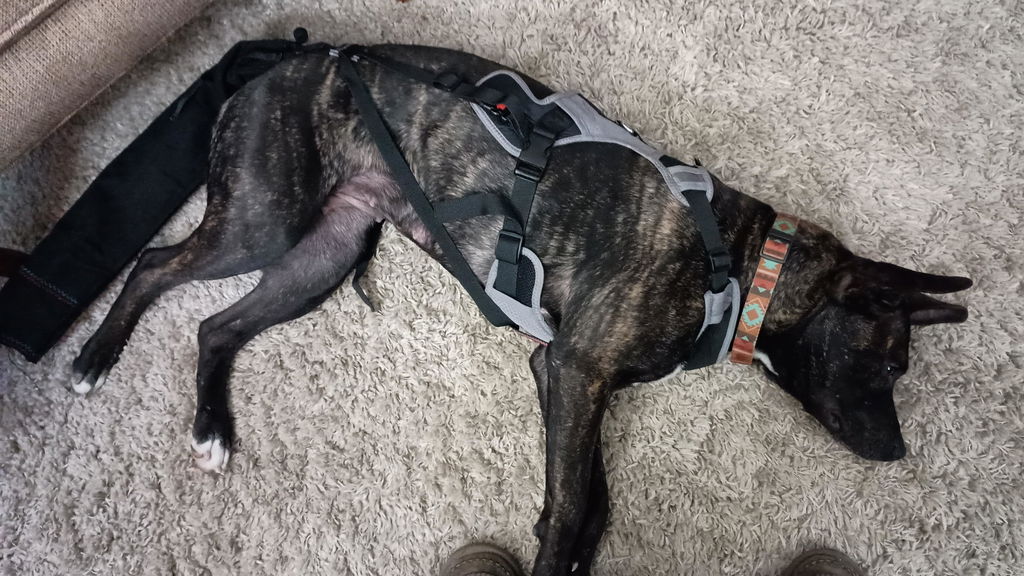
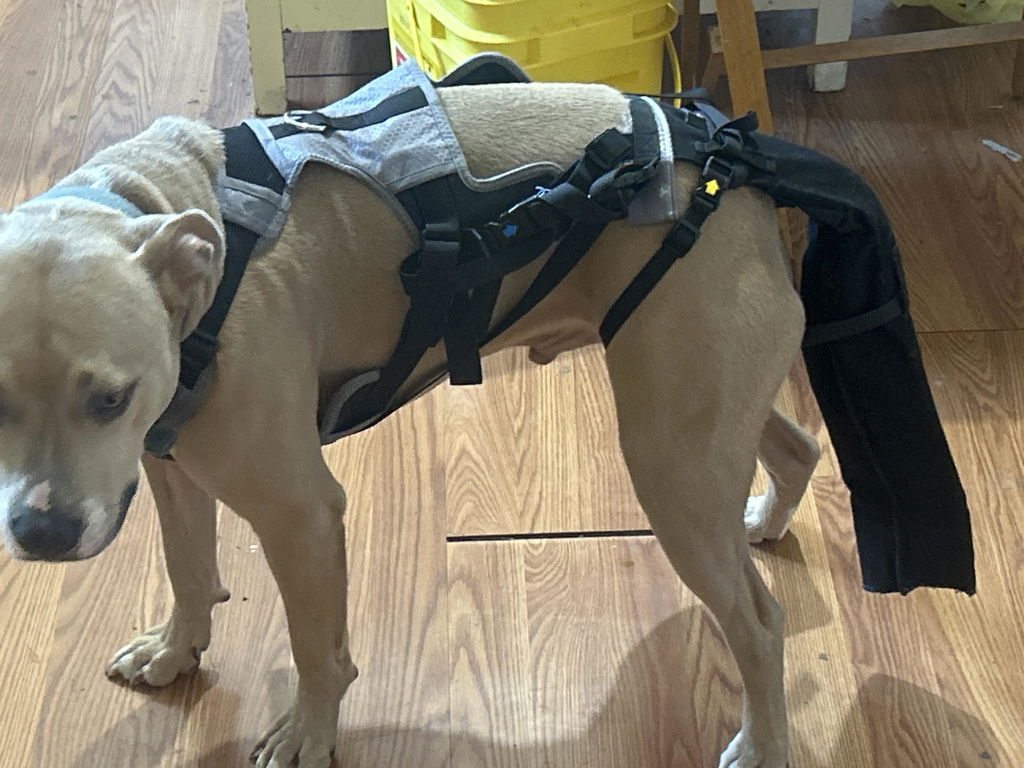
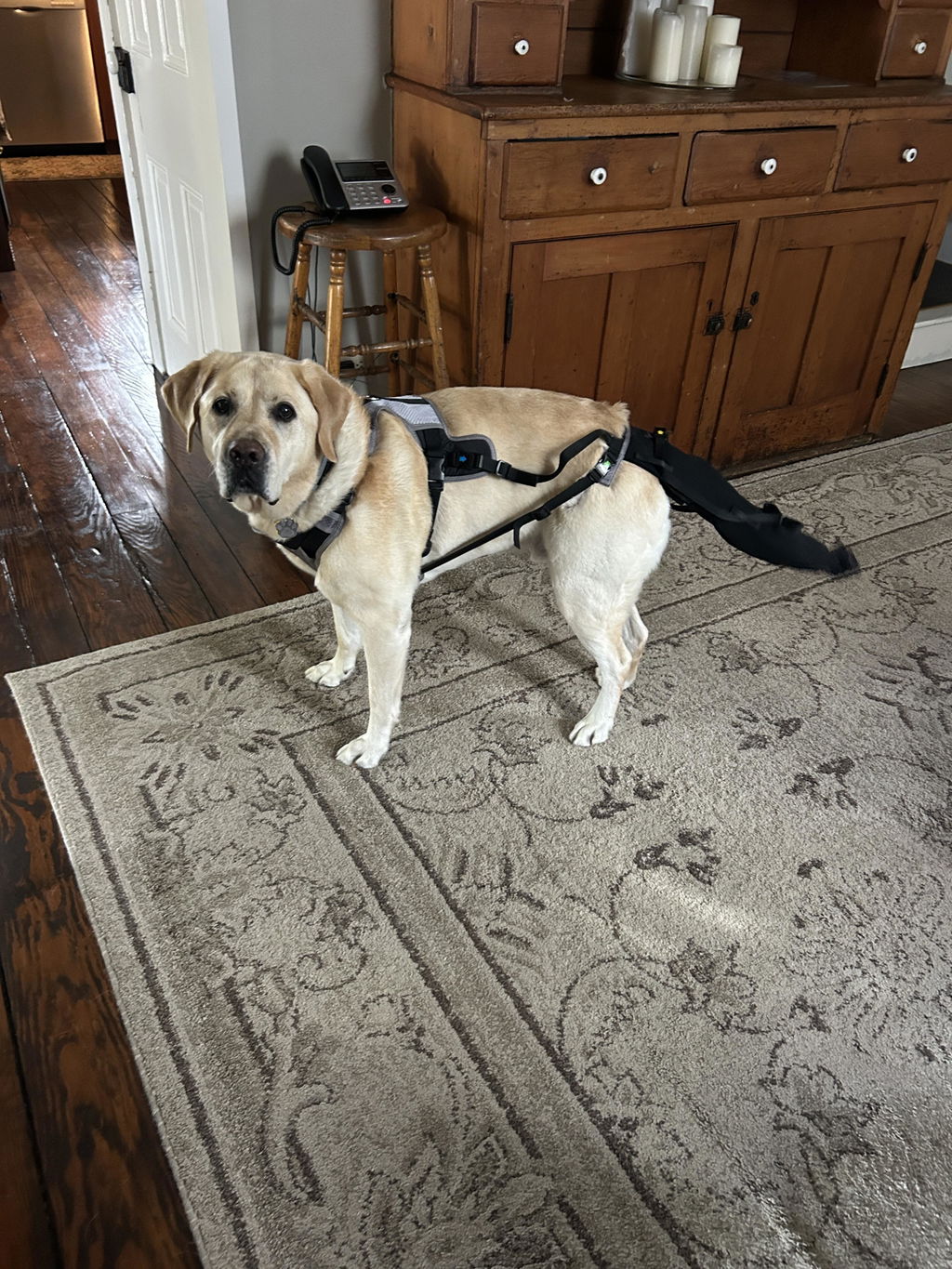
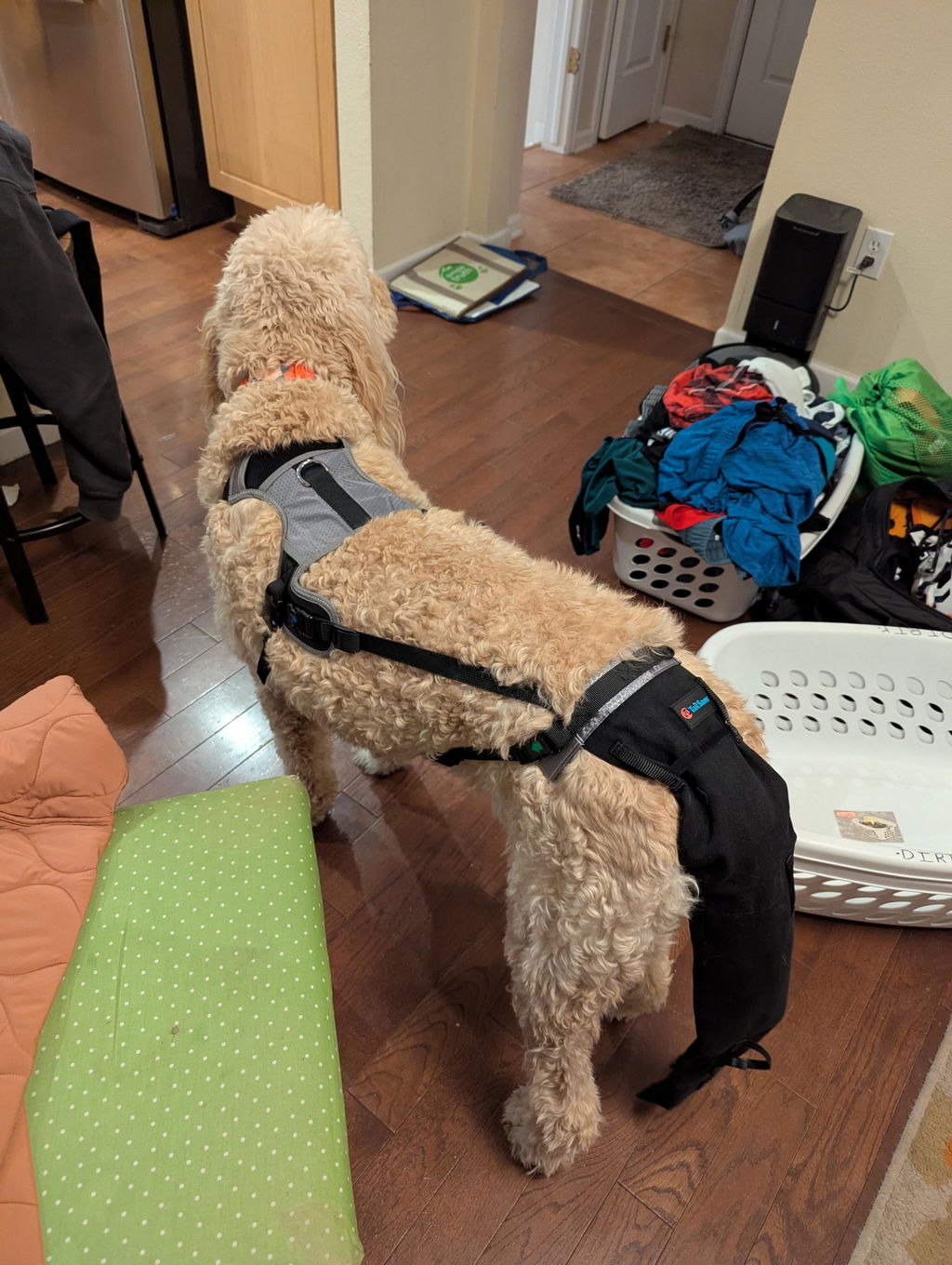
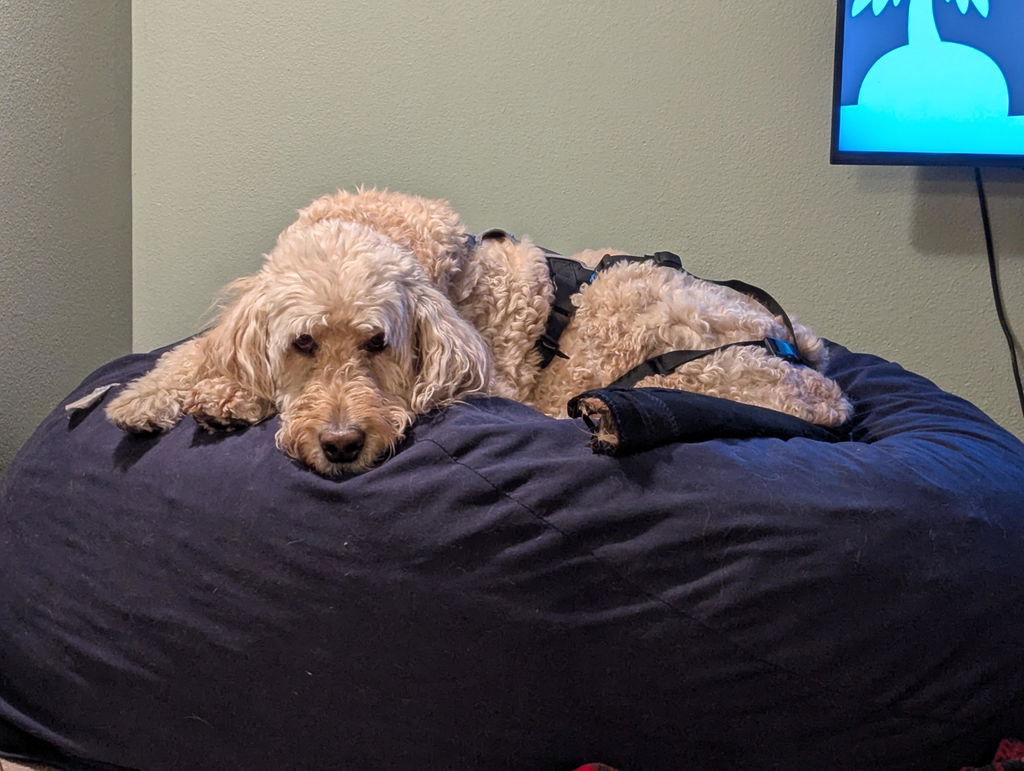
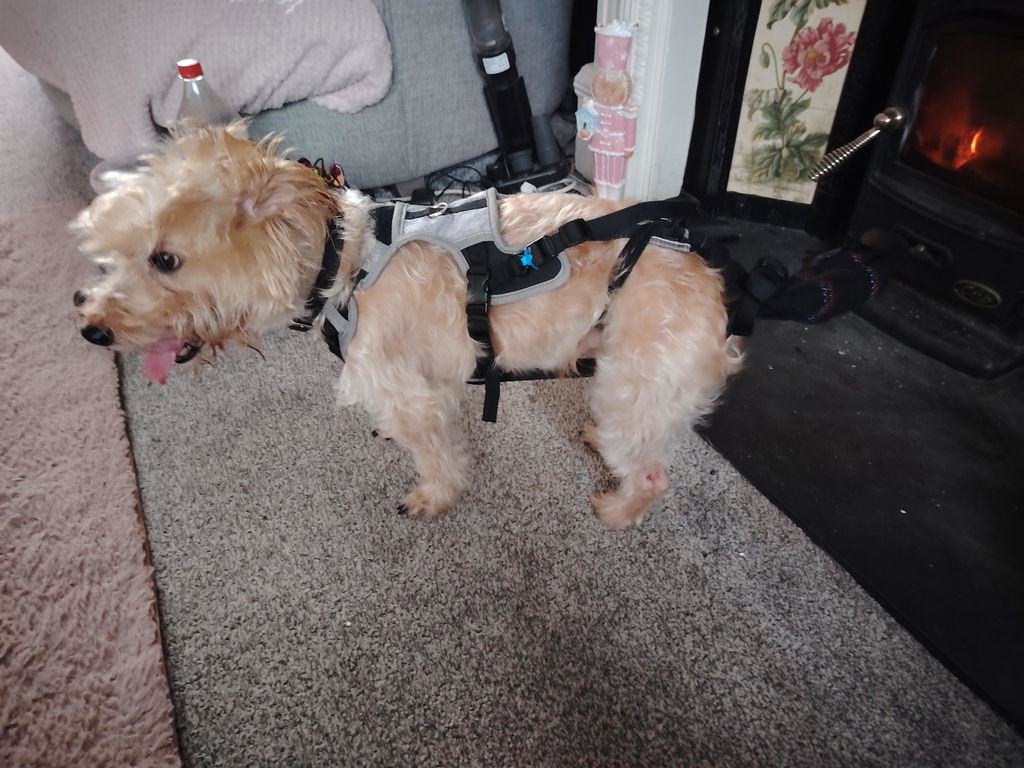
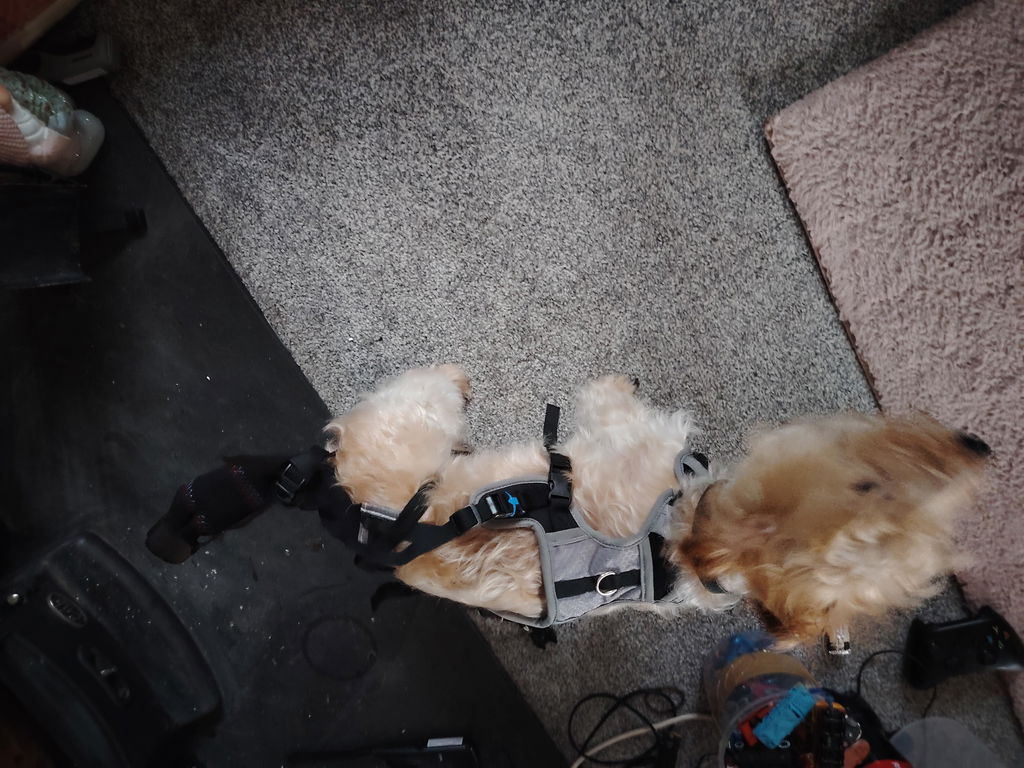
The K9 TailSaver addresses all three by pairing a padded tail sleeve with an adjustable body harness. The harness anchors the sleeve to the dog's body, so tail movement doesn't shift or remove the protection. The padded exterior discourages chewing because there's no exposed wound to fixate on.
What Vets Say About Bandage Alternatives
Veterinarians have long acknowledged that traditional bandaging is a temporary fix for Happy Tail Syndrome. Frequent reapplication is labor-intensive, and repeated bandage changes disturb newly formed tissue, slowing healing. Devices that remain stable between vet visits are now preferred for cases where the dog is otherwise healthy and the wound is not infected.
How to Choose the Right Size
Fit is critical. A tail sleeve that's too loose will shift; too tight and it restricts circulation. Use our Sizing Guide to measure chest girth, back length, and body weight before ordering. If your dog sits between sizes, contact support — we'll advise based on tail thickness and breed-specific fit history.
Frequently Asked Questions
Can I use the K9 TailSaver with an existing wound dressing?
Yes. Apply a sterile non-stick pad over the wound, then slide the tail sleeve over it. The sleeve keeps the dressing in place between changes.
My dog is very active. Will this actually stay on?
The harness anchor is specifically designed for active dogs. Labs, German Shepherds, and similarly energetic breeds are our most common customers. The harness has an anti-twist wag strap so the sleeve rotates with the tail rather than fighting it.
What if my dog already chews wraps and bandages?
The K9 TailSaver is our most common recommendation for serial bandage-chewers. The padded sleeve exterior is not rewarding to chew, and the harness prevents the dog from getting into a position to access the tail tip.
How is this different from a regular tail guard or protector?
Most tail guards are simple sleeves that slide onto the tail with no anchor. They're removed in minutes by any determined dog. The K9 TailSaver is a harness-anchored system — the sleeve cannot shift without the full harness moving, which the dog cannot accomplish.