Dog Biting Tail: Causes, Treatment & How to Stop Tail Chewing
Why Dogs Bite Their Tails: Causes, Treatment & Recovery
By Julie Valentine
If your dog is constantly biting, chewing, or attacking their tail, you're not alone. This frustrating behavior can stem from many causes—from medical issues to behavioral problems—and it often leads to serious injuries if left untreated.
After helping thousands of dog owners through this challenge, I've learned what works (and what doesn't) when it comes to stopping tail chewing and protecting your dog from further harm.
Why Do Dogs Bite Their Tails?
Tail biting isn't just a quirky habit—it's usually a sign that something is wrong. Here are the most common causes:
Medical Causes
- Allergies: Food allergies, environmental allergens, or flea allergies can cause intense itching
- Fleas and parasites: Even a few fleas can trigger obsessive tail biting
- Skin infections: Bacterial or fungal infections cause discomfort and itching
- Anal gland issues: Impacted or infected anal glands can make dogs target their tail area
- Injuries: Previous tail injuries, fractures, or nerve damage
- Hot spots: Moist dermatitis that develops from excessive licking or biting
Behavioral Causes
- Anxiety and stress: Separation anxiety, changes in routine, or environmental stressors
- Boredom: Lack of mental stimulation or physical exercise
- Compulsive disorder: Similar to OCD in humans, some dogs develop compulsive tail chasing
- Attention-seeking: If tail chasing gets a reaction, dogs may repeat the behavior
When Tail Biting Becomes Dangerous
What starts as occasional tail chewing can quickly escalate into a serious medical emergency. I've spoken with countless owners who came home to find:
- Blood splattered on walls, furniture, and ceilings
- Open wounds on the tail that won't heal
- Their dog had chewed completely through the tail
- Emergency vet visits due to severe bleeding
This is when tail biting crosses into Happy Tail Syndrome a condition where the tail is repeatedly injured and can't heal because the dog keeps re-injuring it through wagging, impact, or continued chewing.
How to Stop Your Dog from Biting Their Tail
The solution depends on the underlying cause. Here's a step-by-step approach:
Step 1: Rule Out Medical Issues
Schedule a vet visit to check for:
- Fleas, ticks, and parasites
- Skin infections or allergies
- Anal gland problems
- Injuries or neurological issues
Step 2: Address Behavioral Causes
If medical issues are ruled out, focus on:
- Increase exercise: A tired dog is less likely to engage in compulsive behaviors
- Mental stimulation: Puzzle toys, training sessions, and interactive games
- Reduce anxiety: Create a calm environment, consider calming supplements or medications
- Redirect the behavior: Interrupt tail chasing with a command and reward alternative behaviors
Step 3: Protect the Tail While It Heals
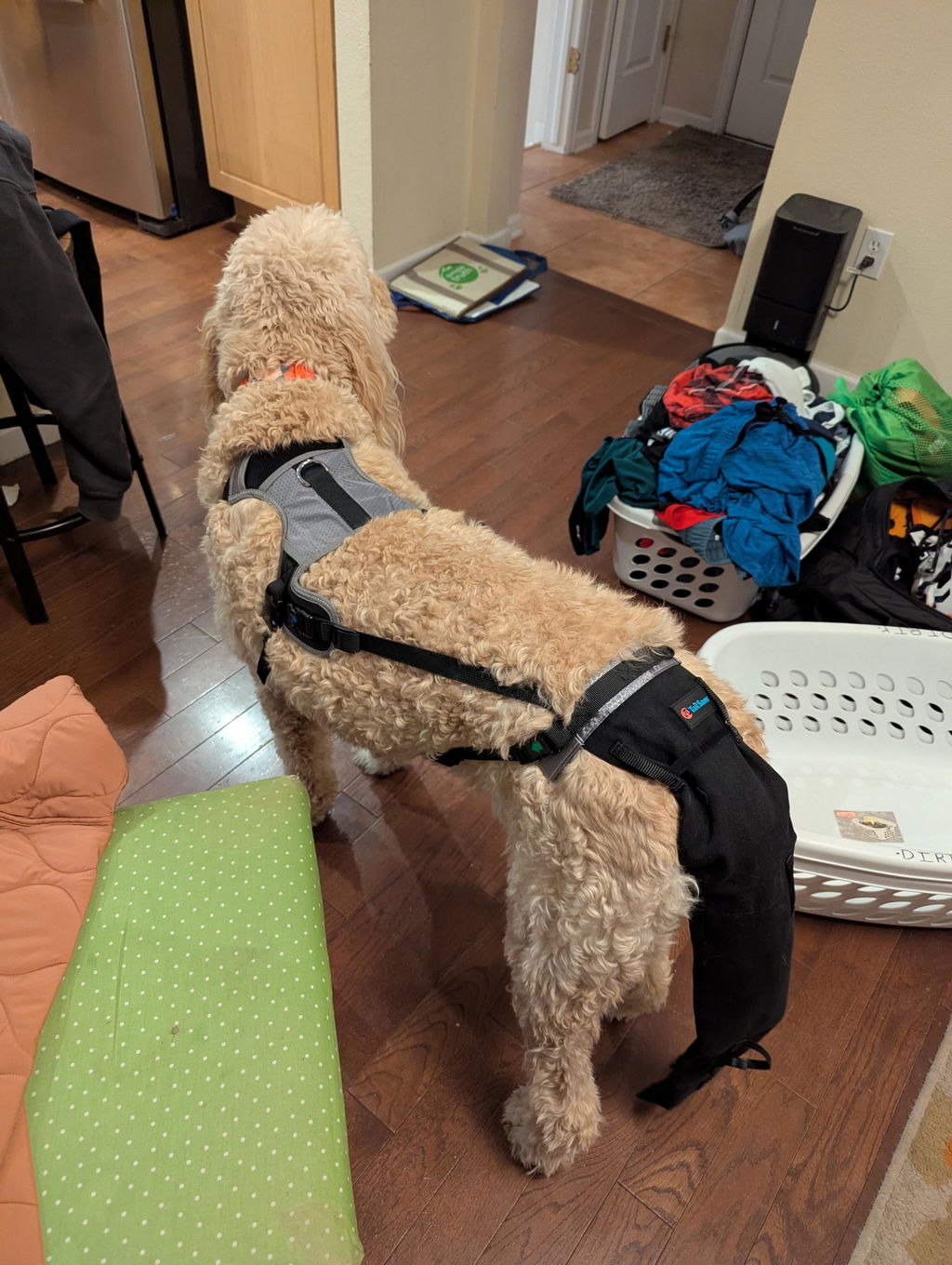
This is the most challenging part. Dogs are incredibly determined to remove anything touching their tail, and traditional solutions often fail:
- E-collars (cones): Don't protect the tail from impacts and make dogs miserable
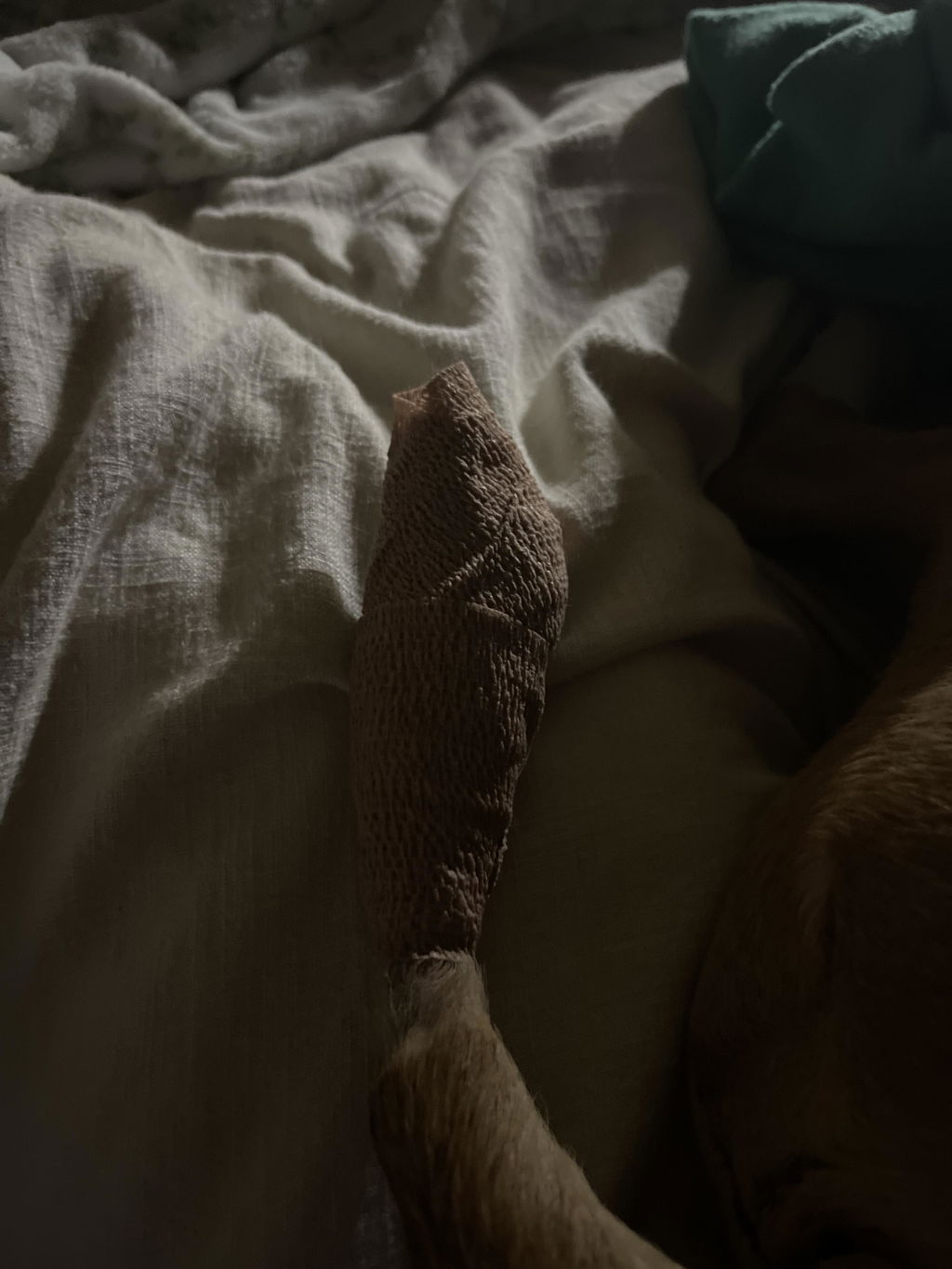
- Bandages: Dogs remove them within minutes
- Vet wrap: Chewed off almost immediately
- Duct tape: Painful to remove and still gets chewed
The Comfort Factor: Why Most Solutions Fail
After working with over 3,000 dog owners, I've discovered the key issue: comfort.
Dogs will tolerate tail protection if it doesn't bind, chafe, or restrict their movement. The problem is that most solutions are uncomfortable, so dogs work tirelessly to remove them.
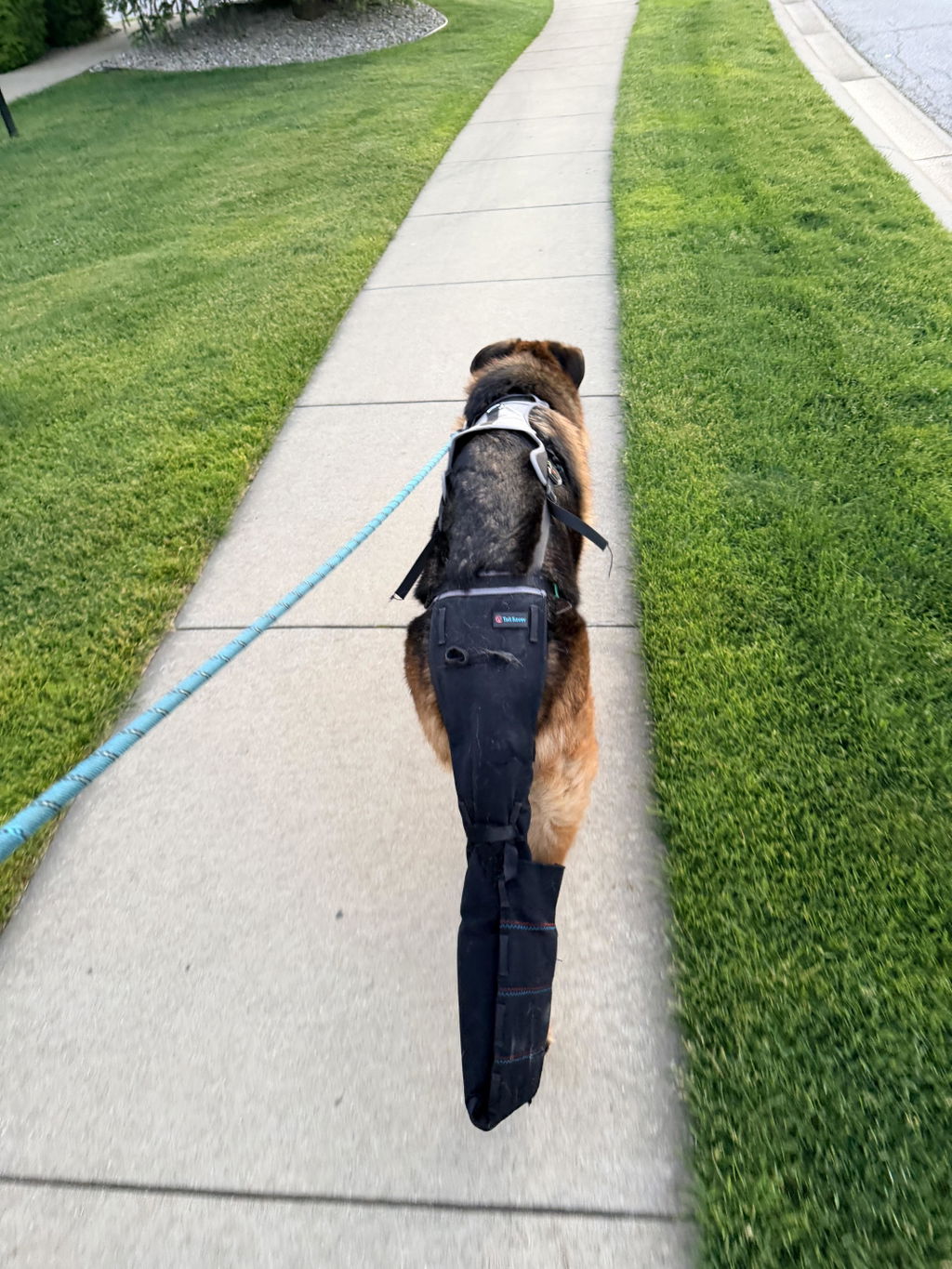
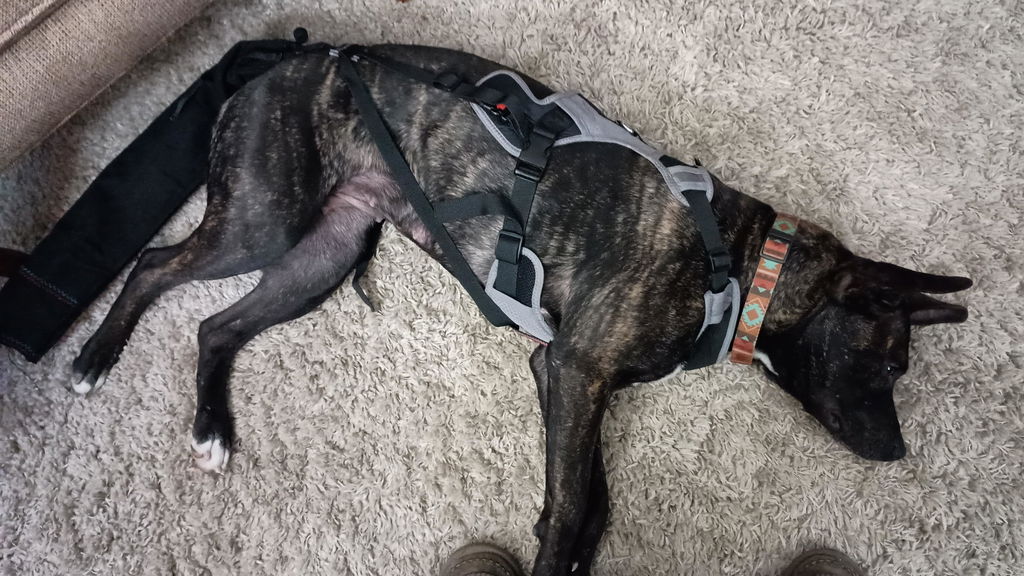
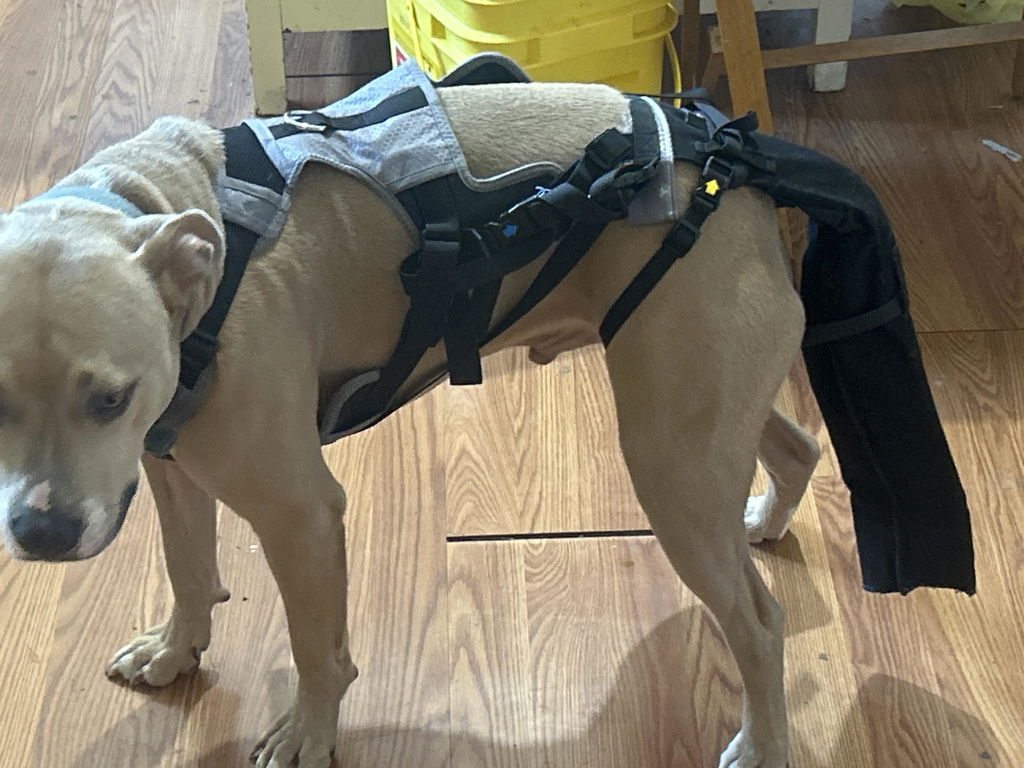
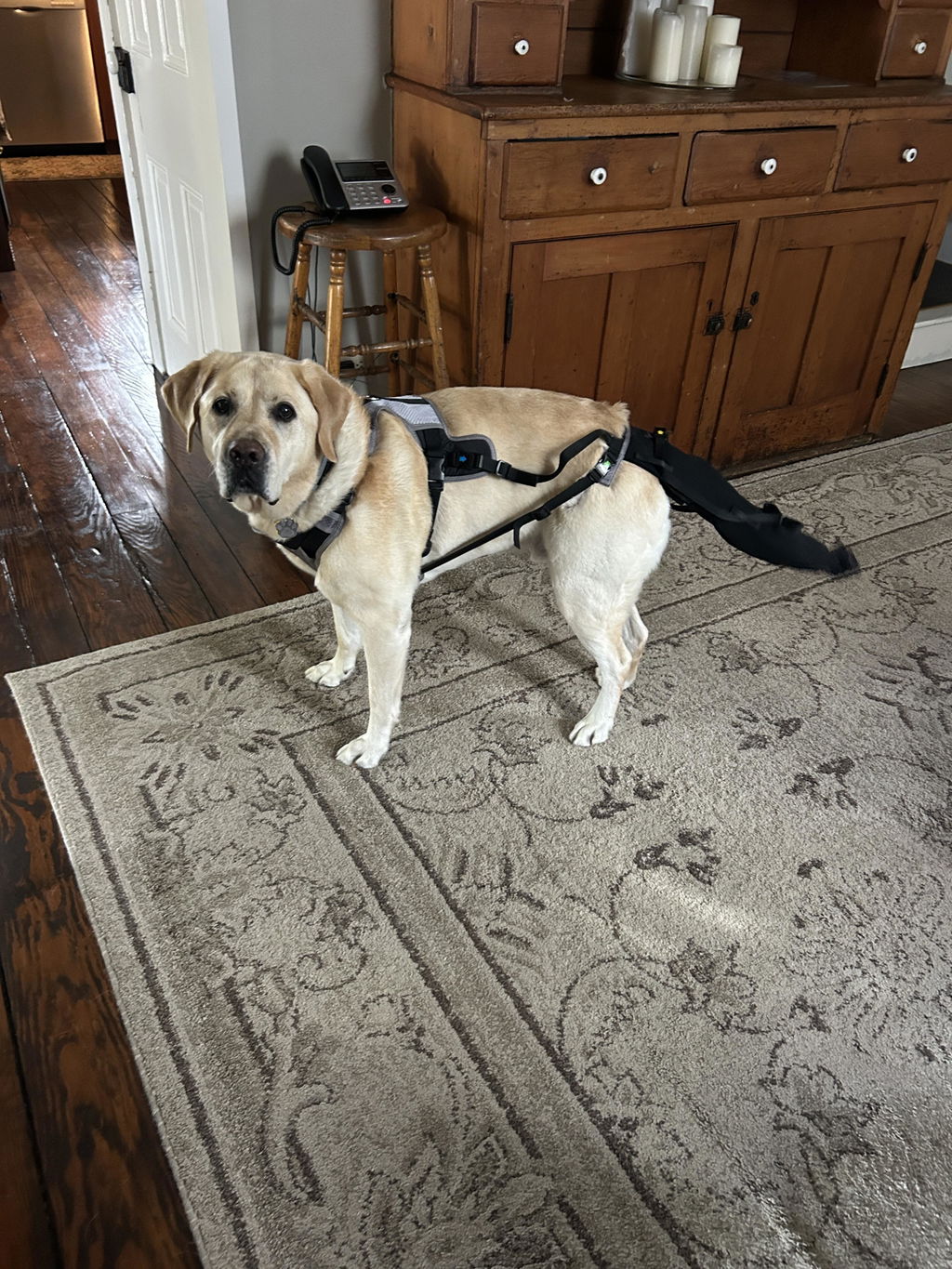
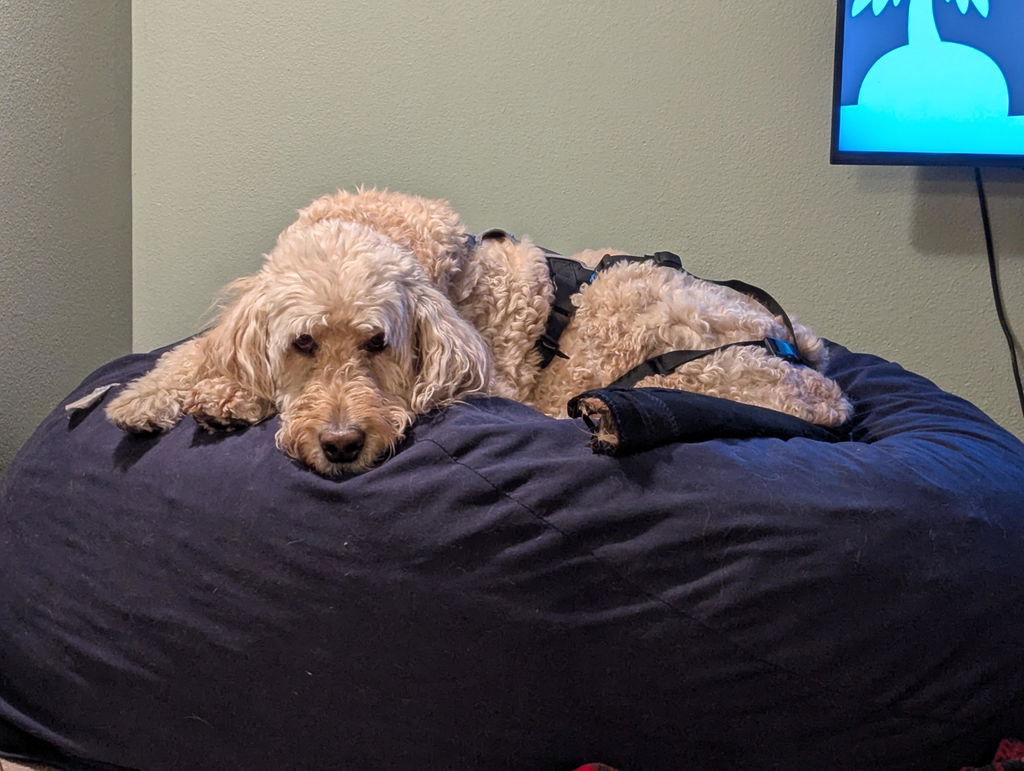
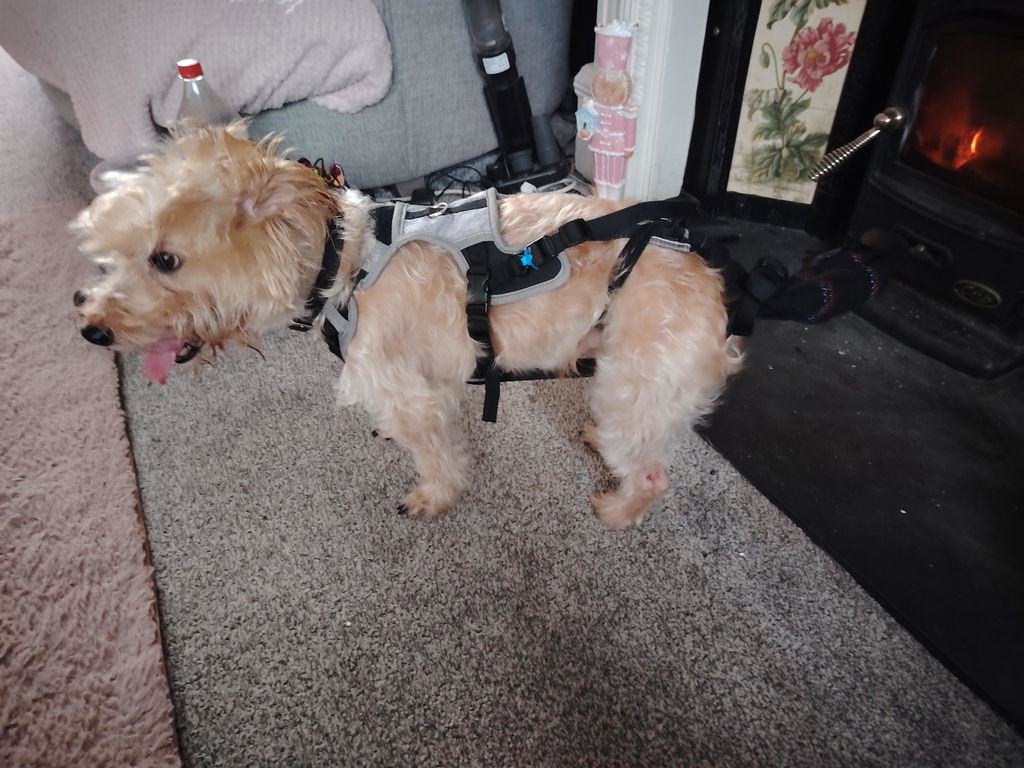
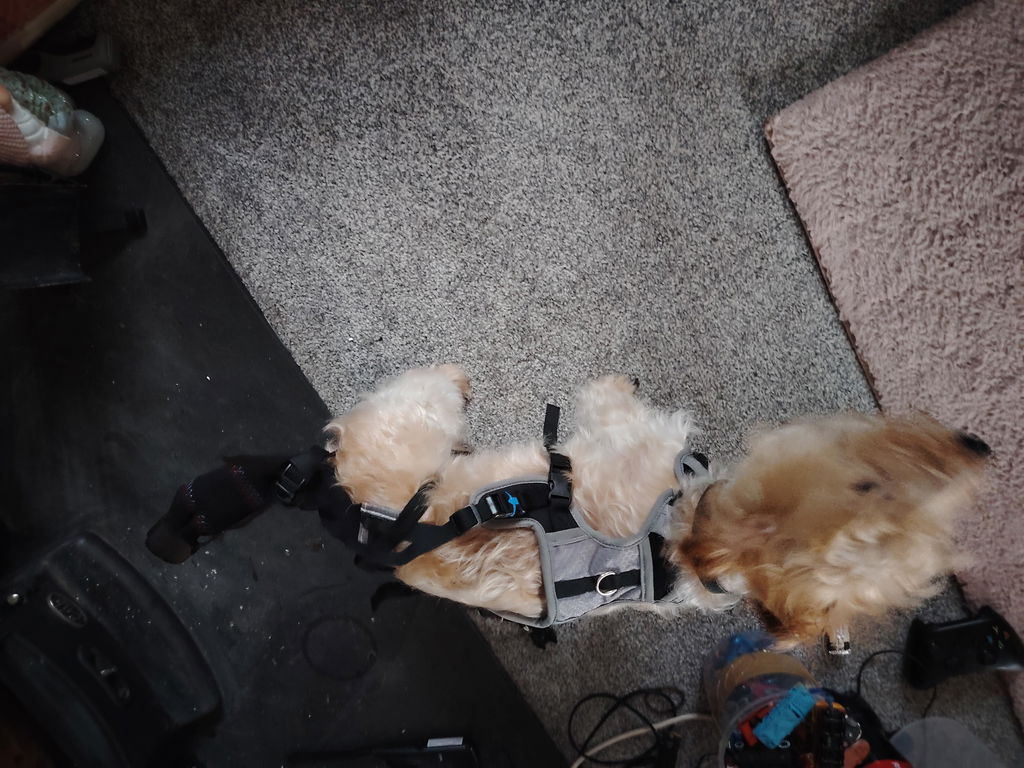
When a tail protection device is properly fitted and comfortable, something amazing happens—dogs stop trying to remove it. They realize within 48 hours that they can still do all their normal activities: eat, sleep, play, go potty, and run around.
The 48-Hour Adaptation Period
Give your dog about two days to adjust to any tail protection. During this time, they'll test whether it interferes with their daily routine. Once they realize life goes on as normal, the urge to chew or remove it drops to nearly zero—unless there's discomfort.
Watch for signs of discomfort:
- Chewing at straps or buckles
- Excessive focus on the device
- Rubbing against furniture
These behaviors usually mean something needs adjustment—check the fit under the tail, around the chest, and along the back.
Preventing Tail Amputation
The fear that haunts most owners is tail amputation. When a tail won't heal due to repeated injury or chewing, veterinarians may recommend surgery.
The good news? Most of our customers avoid surgery by using proper tail protection that allows the tail to heal while preventing re-injury.
Even if surgery is necessary, tail protection is still needed during recovery—especially if the remaining tail is over 8 inches long, since cones can't protect it from impacts or chewing.
Tail Protection Solutions Comparison
Choosing the right protection for your dog's tail is essential for healing and preventing re-injury. Here's how different solutions compare:
| Solution | Protection Level | Comfort | Durability | Best For |
|---|---|---|---|---|
| E-Collar Only | None | Poor | High | Not tail injuries, dogs can still reach tail |
| DIY Solutions (toddler pants, socks) | Moderate | High | Moderate | Short-term, supervised use only |
| Basic Bandaging | Low | Moderate | Poor (needs frequent changing) | Temporary use: Beware of dogs eating bandages/intestinal blockages |
| Vet Wrap Only | Low | Poor (dogs remove it) | Very Poor | Very short-term coverage only |
| Duct Tape Method | Moderate | Very Poor (painful removal) | Poor (dogs chew it off) | Not recommended |
| Professional Tail Protection Products | ||||
| Tail Sleeves (without harness or wag strap) | Moderate | Moderate | Moderate (slips off easily) | Light protection, supervised use |
| Foam Pipe Insulation | Moderate | Poor (bulky, awkward) | Poor | DIY cushioning (hard to secure) |
| Harness, Tail Sleeve & Wag Control System (K9 TailSaver® Patented Design) | Excellent | Excellent | Excellent (reusable, tested on 8,000+ dogs) | Happy Tail Syndrome, chronic injuries, unsupervised healing |
Visit K9 TailSaver to learn more about our proven tail protection solutions and find the right fit for your dog.
Final Thoughts
Tail biting and chewing can be heartbreaking to watch, but with the right approach—addressing the underlying cause and providing proper protection—most dogs can heal and return to their happy, healthy selves.
The key is patience, proper diagnosis, and finding a protection solution that your dog will actually tolerate. When you get it right, the transformation is remarkable.
Other Helpful Resources
We believe in helping dog owners find the best care for their pets. Here are some other trusted sites that have helped us and many dog owners:
- PetMD - Happy Tail Syndrome Guide
Expert vet advice on happy tail syndrome treatment and care. - Have Dog Will Travel
Great tips for traveling with dogs and keeping them safe on the go. - Brian's Bandages
Quality bandaging supplies for pet injuries. - PetHelpful
Helpful articles and advice for all kinds of pet care needs.
Meet the Author
Julie Valentine is the owner of K9 TailSaver and inventor of the K9 TailSaver. With over 10,000 TailSaver sets sold and personal guidance provided to more than 3,000 dog owners, Julie has become a trusted expert in treating tail injuries without surgery. She is the proud owner of Misty, Rosie, and Simba (her German Shepherds) and has fostered Pitbulls, Terriers, Mastiffs, Chihuahuas, and many other breeds. Her real-world experience with tail injuries inspired her to create a better solution for dogs everywhere.