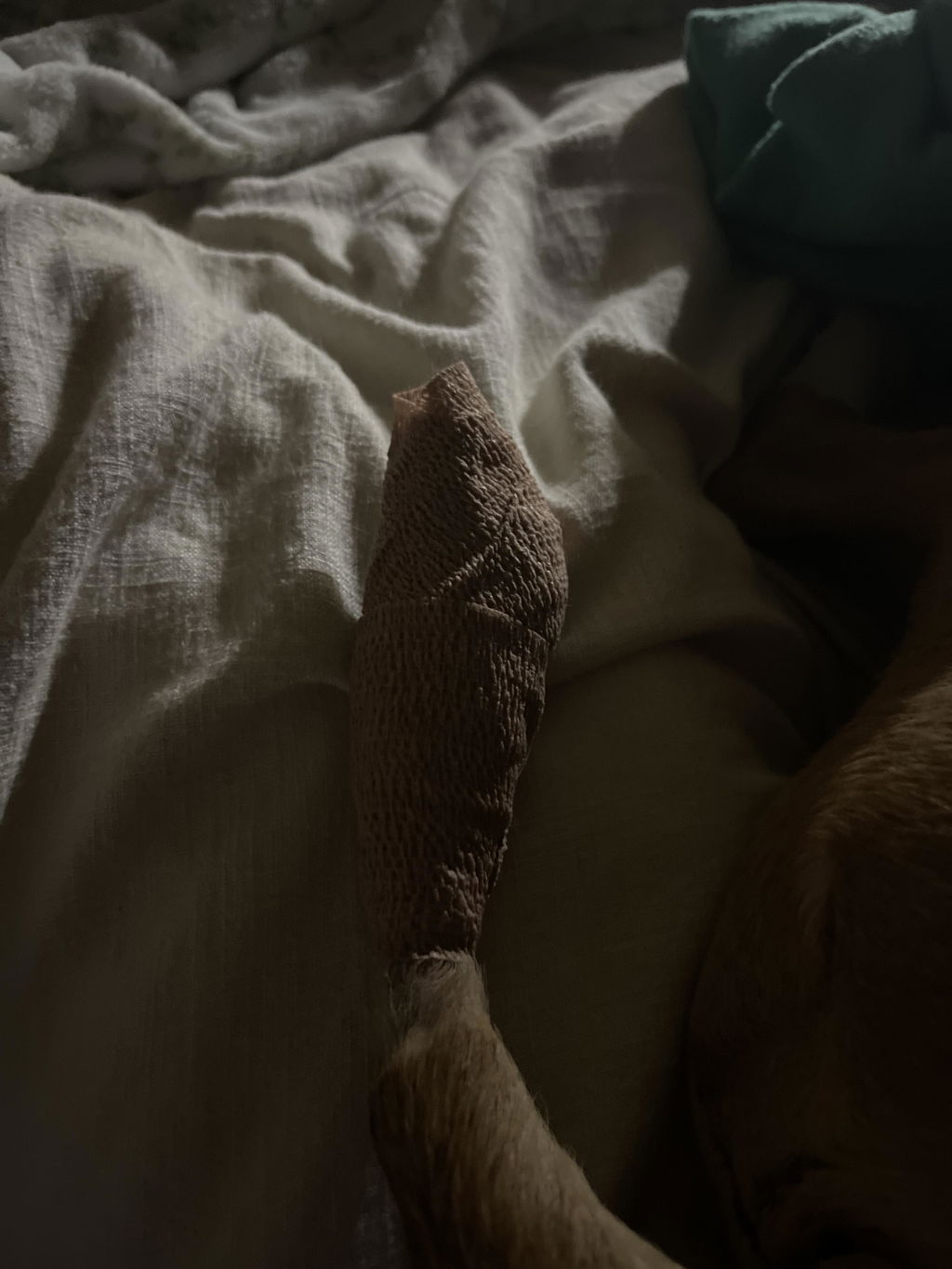
What Is a Tail Lick Cover for Dogs? Uses, Benefits, and How to Choose
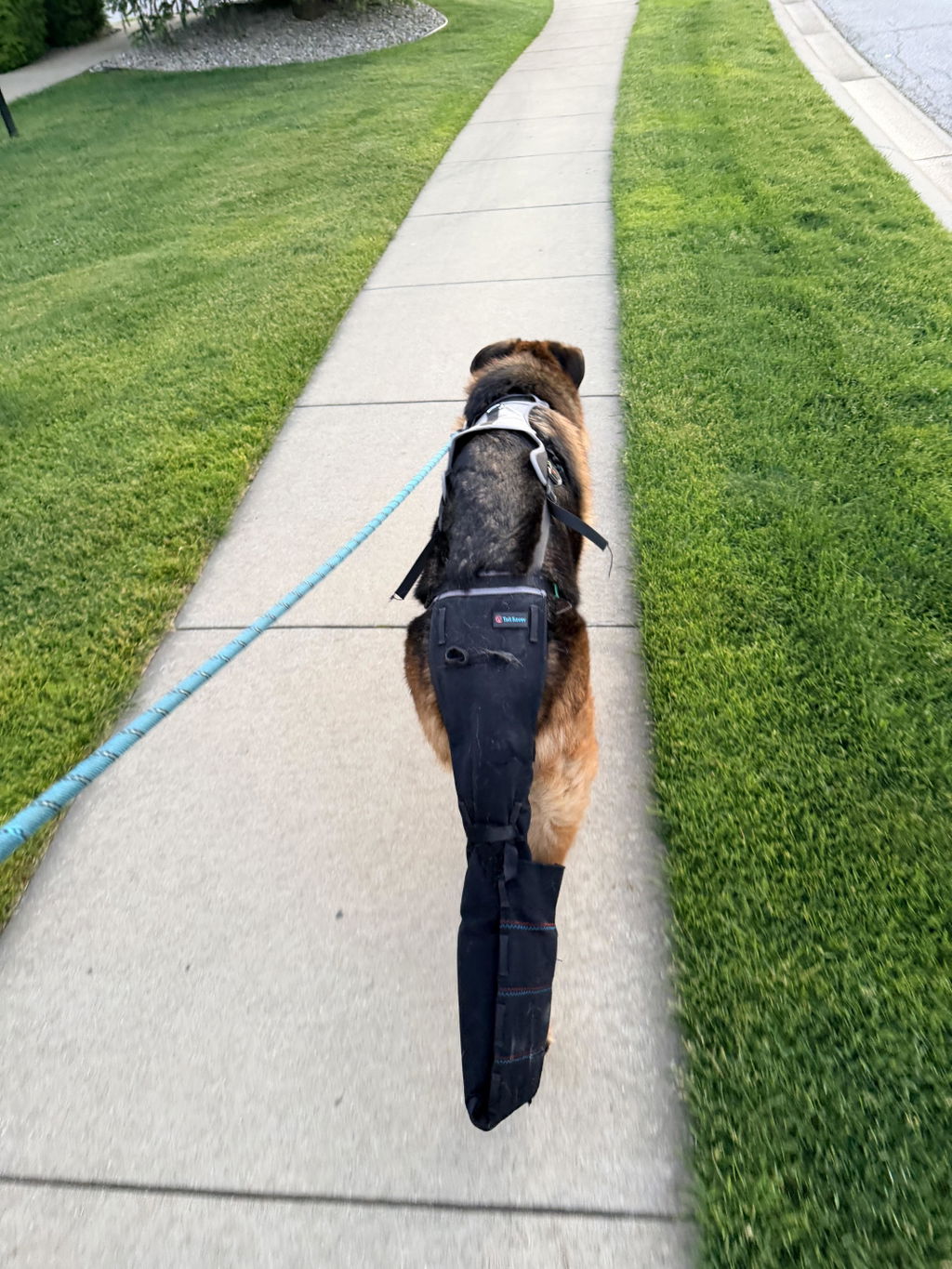
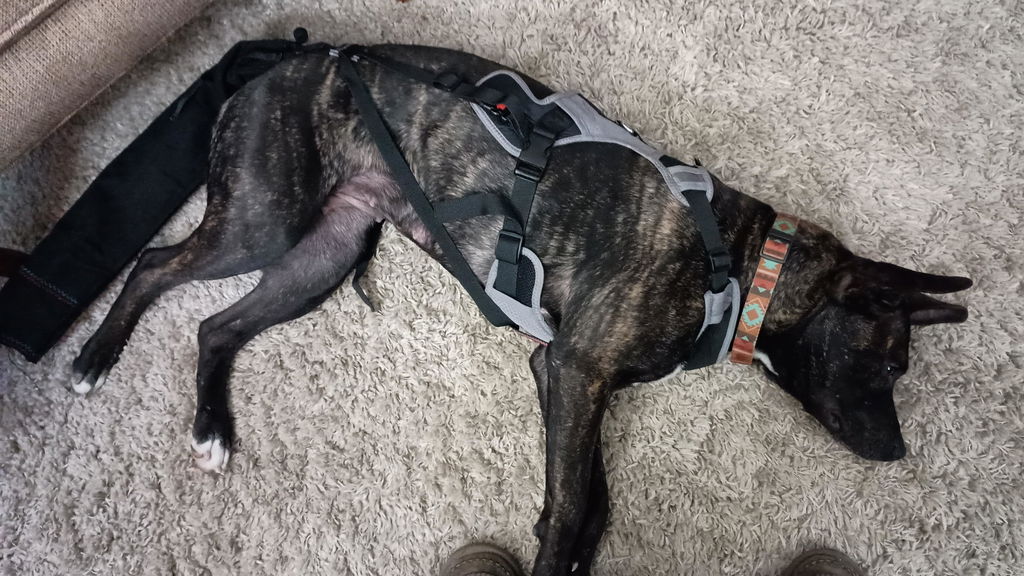
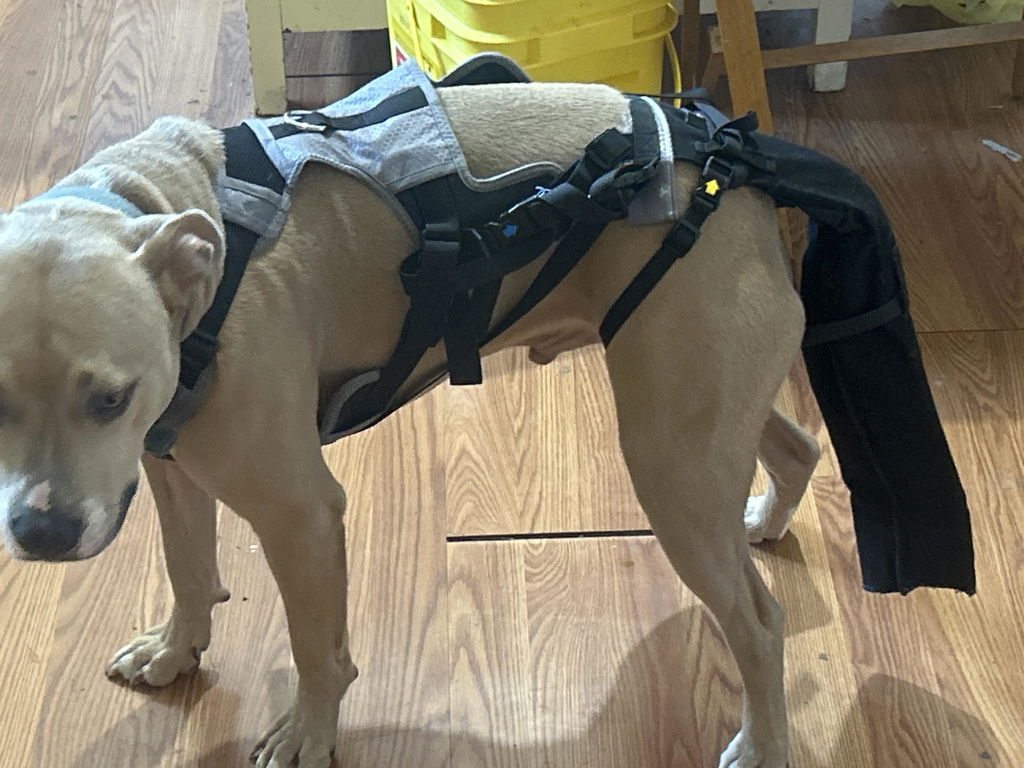
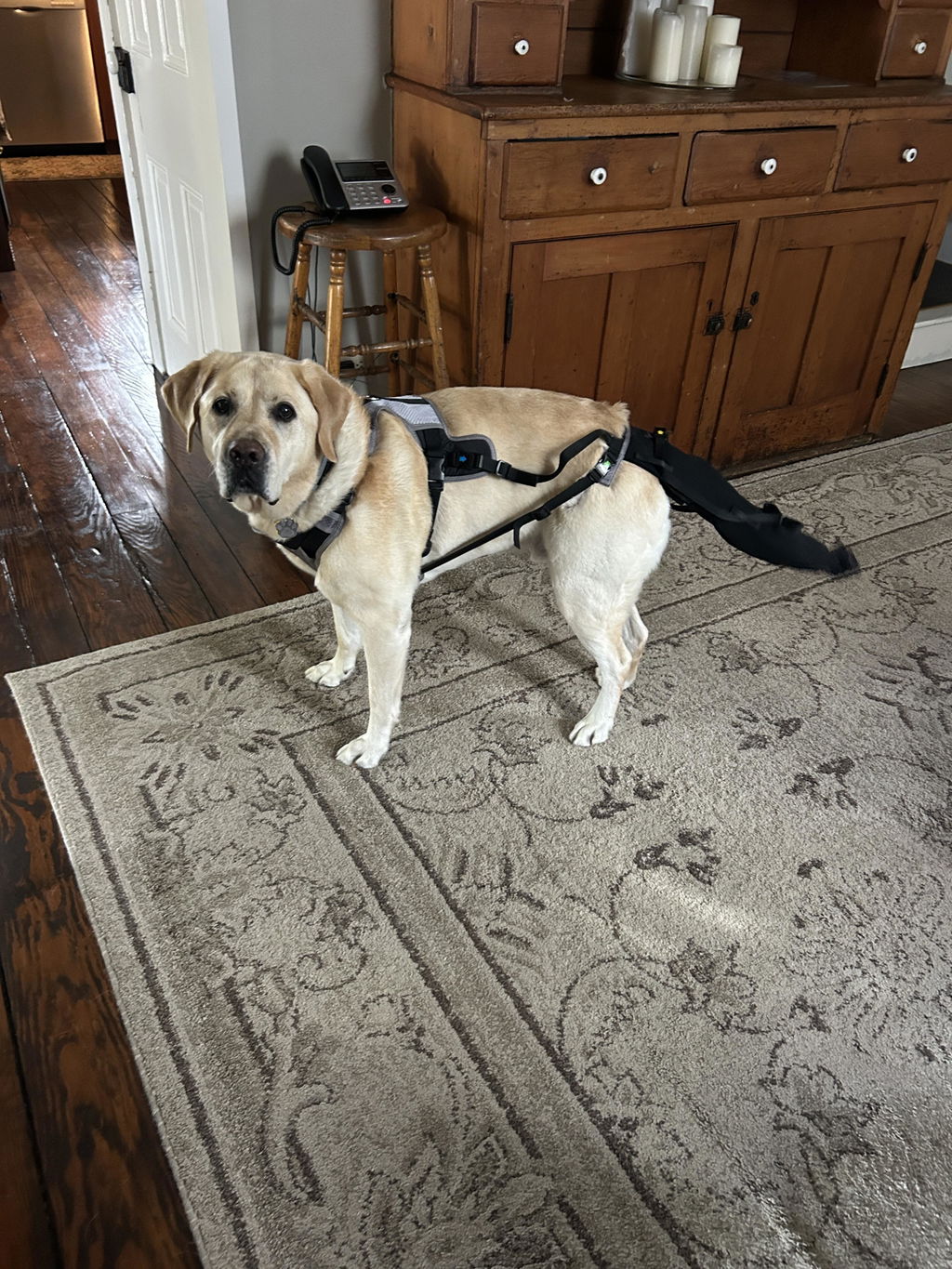
A tail lick cover is a protective sleeve placed over a dog's tail to prevent the dog from licking, chewing, or disturbing a wound, injury, or post-surgical site. Unlike cones and collars that work by limiting neck movement, a tail lick cover works by directly enclosing the tail — blocking access to the wound at its source regardless of how the dog positions its body.
What Conditions Require a Tail Lick Cover?
Any injury, wound, or skin condition at or near the tail tip can benefit from a lick cover. Common scenarios include:
- Happy Tail Syndrome — repeated wagging opens the tail wound before it can close; the lick cover protects the wound and prevents licking between wagging impacts
- Kennel tail — abrasion wounds at the tail tip from kennel wall impacts; dogs lick these raw when left to heal without protection
- Post-surgical recovery — after cyst removal, tumor excision, or laceration repair; sutures must be kept dry and uncontaminated
- Allergic skin conditions — flea bite hot spots near the tail base that the dog repeatedly licks open
- Fracture recovery — after a tail bone fracture, the dog may lick at the injured area obsessively, delaying healing
Why a Cone Isn’t Always Enough
The Elizabethan collar (E-collar) is the standard veterinary recommendation for wound licking prevention — but it has a well-documented limitation with tail injuries. Because the tail extends behind the dog's body, a motivated dog with a flexible spine can rotate enough to reach the tail tip, even with a standard-sized cone in place. This is particularly common in breeds like Labrador Retrievers, German Shepherds, Golden Retrievers, and similar high-energy working breeds.
A tail lick cover solves this by directly enclosing the wound — the cone becomes redundant for tail-tip injuries when a properly secured sleeve is in place.
What to Look for in a Tail Lick Cover
- Secure anchor point. A sleeve that slides onto the tail without attachment will be removed by most dogs in minutes. The best tail lick covers attach to a body harness that the dog cannot manipulate.
- Breathability. Wound tissue needs airflow. An occlusive, non-breathable cover creates moisture buildup that delays healing and increases infection risk. Look for canvas, mesh, or padded breathable materials.
- Correct sizing. The sleeve must be snug enough to stay in position through tail movement but not tight enough to restrict circulation. Most systems are sized by chest girth and back length rather than tail size alone.
- Compatibility with dressings. The best tail lick covers allow a sterile dressing to be placed under the sleeve, protecting the wound while the sleeve provides the physical licking barrier on the outside.
The K9 TailSaver®: Purpose-Built Tail Lick Cover
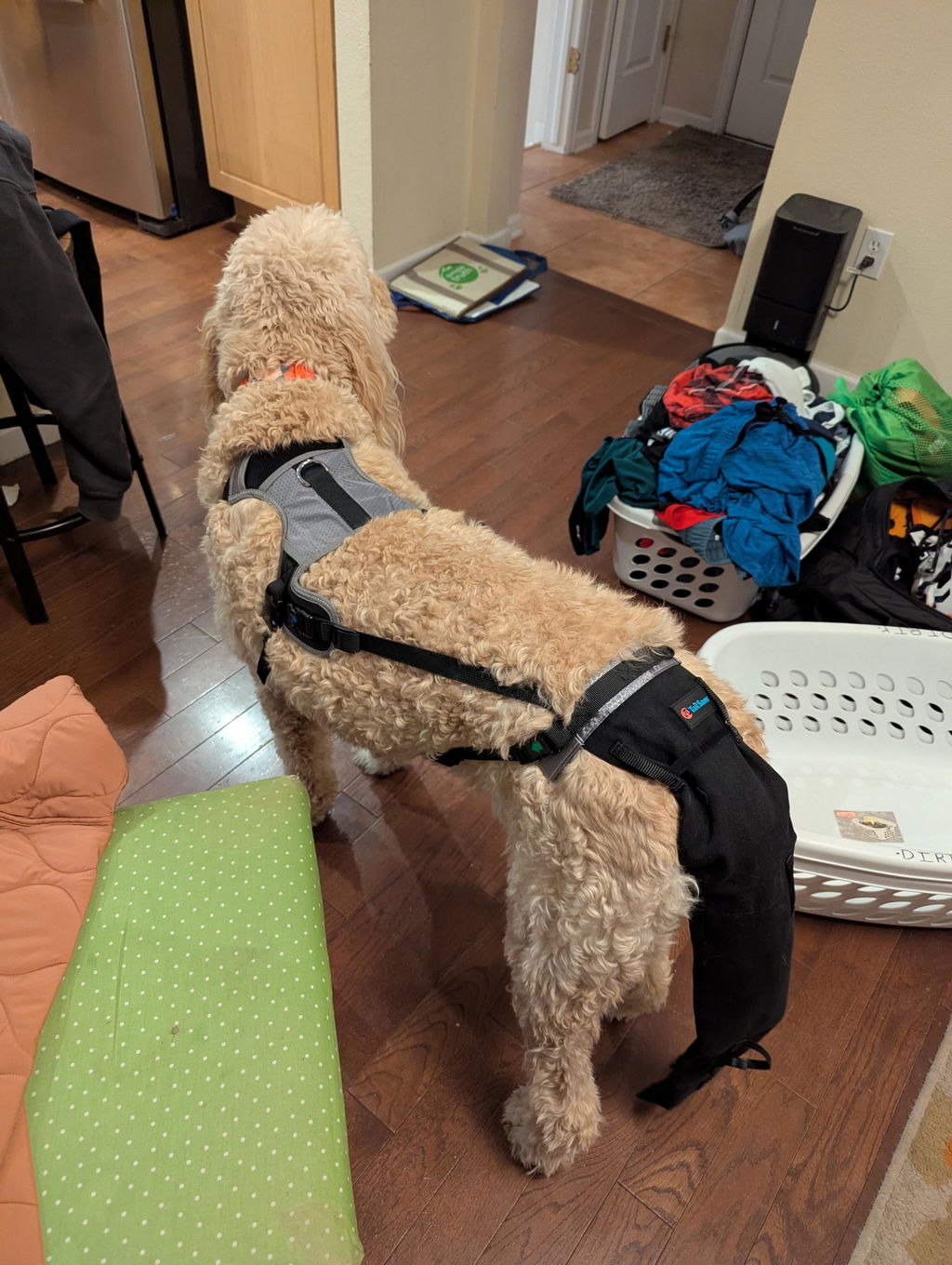
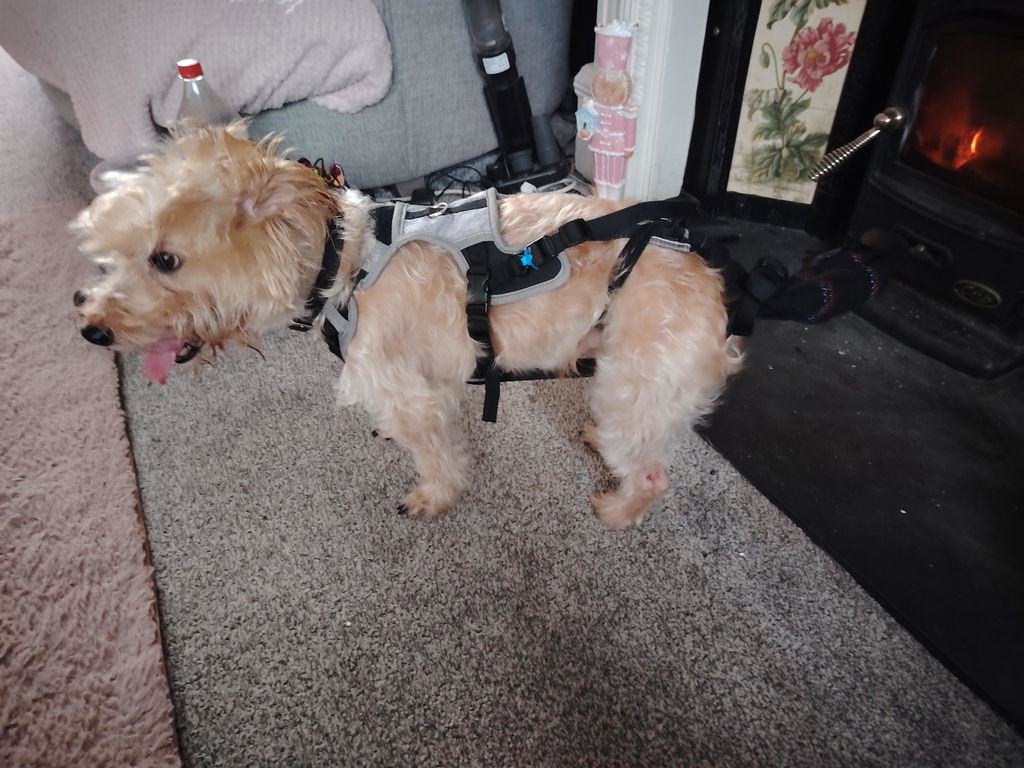
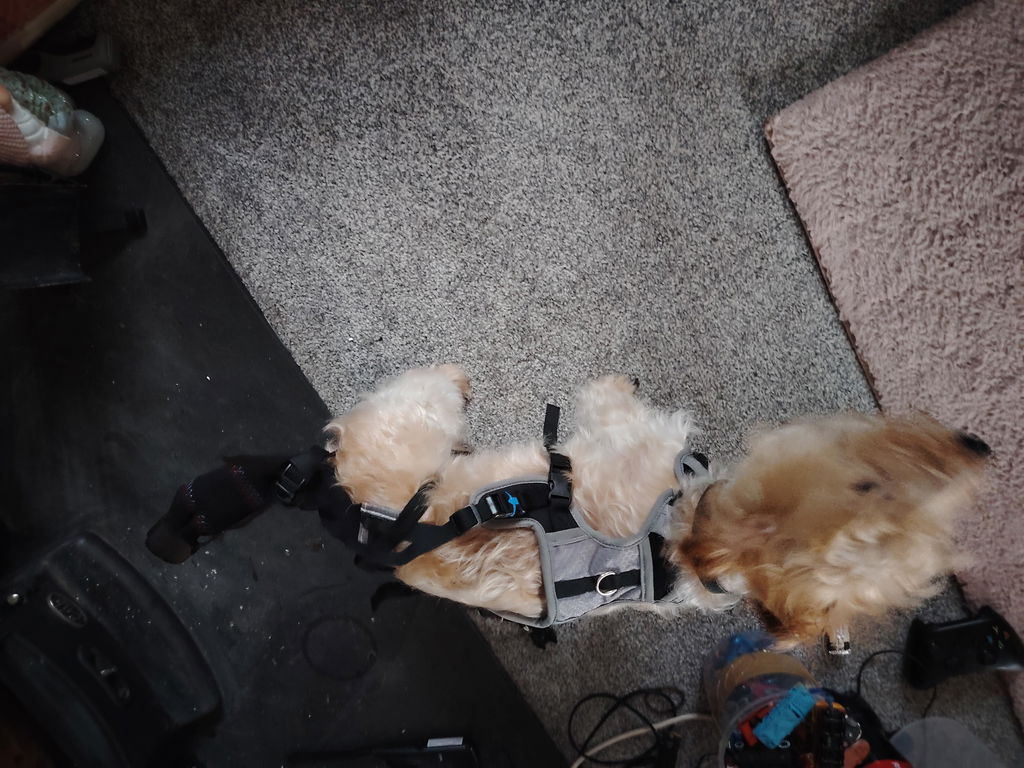
The K9 TailSaver® was designed specifically around the problem of tail wound licking and reinjury. It is a two-part system: a padded canvas tail sleeve that covers the wound, anchored by a full-body harness with an anti-twist wag strap. The harness prevents the sleeve from shifting or being pulled off — even during vigorous wagging, running, and active play.
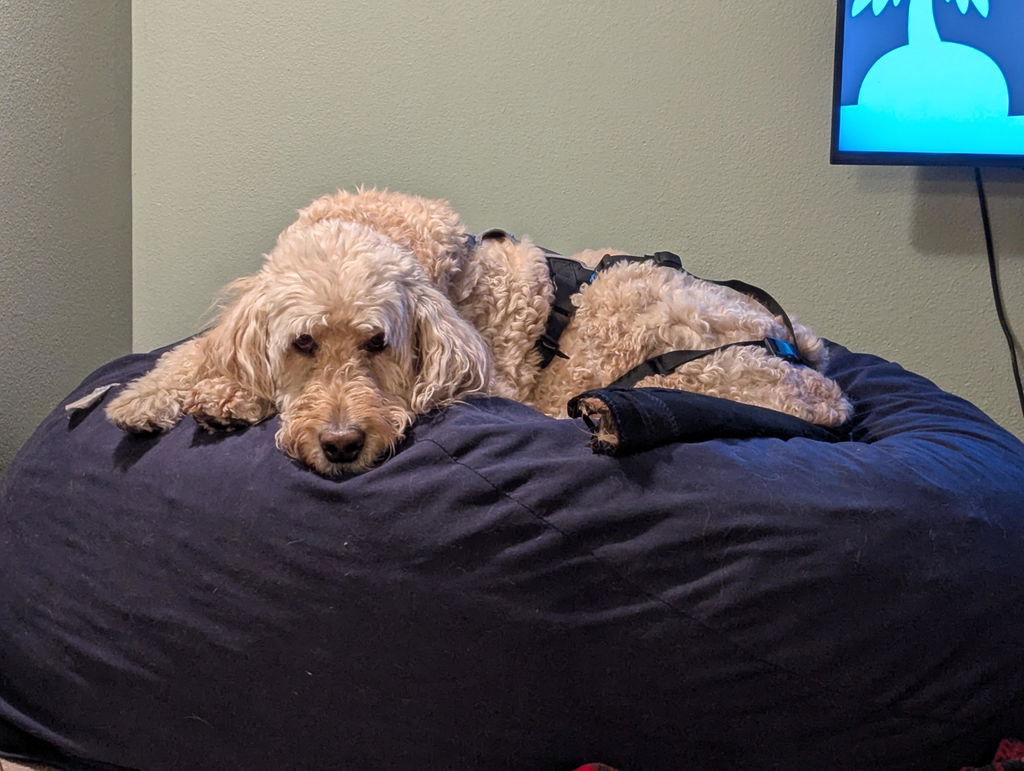
Unlike improvised solutions (pool noodles, tape, bandages), the K9 TailSaver® is designed for extended wear — dogs can sleep, eat, use the bathroom, and play while wearing it without removal. This continuous protection is what allows the wound to finally close.
How Long Does a Dog Need to Wear a Tail Lick Cover?
The tail lick cover should remain in place until the wound is fully closed with new epithelial skin — no raw tissue, no scabs that are being disturbed. Typical timelines:
- Minor lacerations and skin breaks: 7–14 days
- Happy Tail with chronic reopening: 3–6 weeks
- Post-surgical incisions: As directed by your vet — typically until suture removal at 10–14 days minimum
- Deep wounds with infection history: 6+ weeks; confirm healing with a vet before removal
Frequently Asked Questions
Will my dog try to remove the tail lick cover?
Most dogs investigate and mouth the sleeve briefly during the first 24–48 hours,
then accept it. Dogs that actively chew at the device are usually responding to
fit discomfort. See the
Chewing & Compliance FAQ
for adjustment guidance.
Can I use a tail lick cover with a wound dressing underneath?
Yes — and it's recommended for actively weeping or bleeding wounds. Apply
a sterile non-stick pad over the wound, then slide the sleeve over it. The sleeve
holds the dressing in place and prevents contamination from the outside. See the
Wound Care FAQ for protocol.
Do I need to remove the tail lick cover for bathroom breaks?
No. The K9 TailSaver® is designed so dogs can posture and eliminate
normally without removal. Never leave a dog unprotected during bathroom breaks
if the wound is open — this is when most licking setbacks occur.
How do I clean the tail lick cover?
Remove the sleeve, hand wash or machine wash cold on gentle cycle, and hang to
dry. Rotate two sleeves so one is always clean and the dog is never unprotected
during wash cycles. Replacement sleeves are available
here.