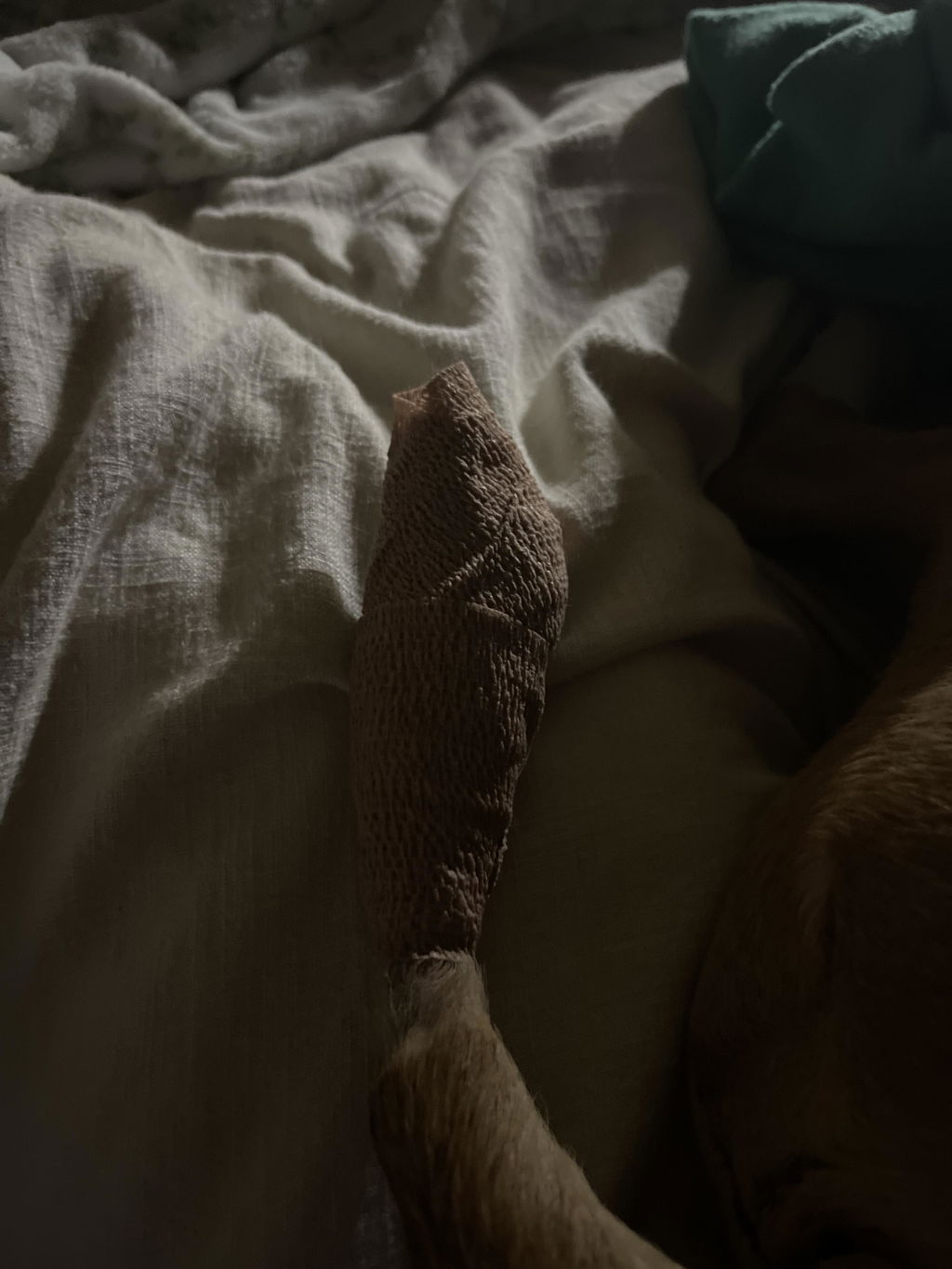
Dog Tail Wounds & Injuries: Treatment Guide for Happy Tail Syndrome
When Wagging Hurts: Understanding and Treating Canine Tail Injuries
The Unending Challenge: Why Tail Injuries Defy Conventional Treatment
If your dog is suffering from a tail injury, you are facing a truly difficult recovery. The pain is often extreme, making even routine wound care nearly impossible. Whether the initial cause was Happy Tail Syndrome, an injury from grooming, being slammed in a door, or issues stemming from cysts, allergies, tail chasing and biting, the core problem is universal: The tail never stops moving.
Conventional solutions fail because they don't account for the dog's behavior or biology:
- Cones Don't Work: Dogs are often able to contort their bodies to reach the base or tip of the tail, licking or chewing past the cone to aggravate the wound.
- Wraps Are Rejected: Dogs will fiercely resist and chew off anything that binds, pinches, chafes, or interferes with their natural movements or activities.
Unfortunately, many dedicated owners struggle because many veterinarians only see 1–3 serious tail injury cases per year. The latest, most effective breakthroughs in non-surgical tail protection are often not yet widely known, leaving owners with outdated advice.
The Solution: Stable, Secure Tail Protection Designed for Real-World Dogs
To break the cycle of instability and re-trauma, the solution must meet three critical criteria: Stability, Breathability, and Anti-Slip Security.
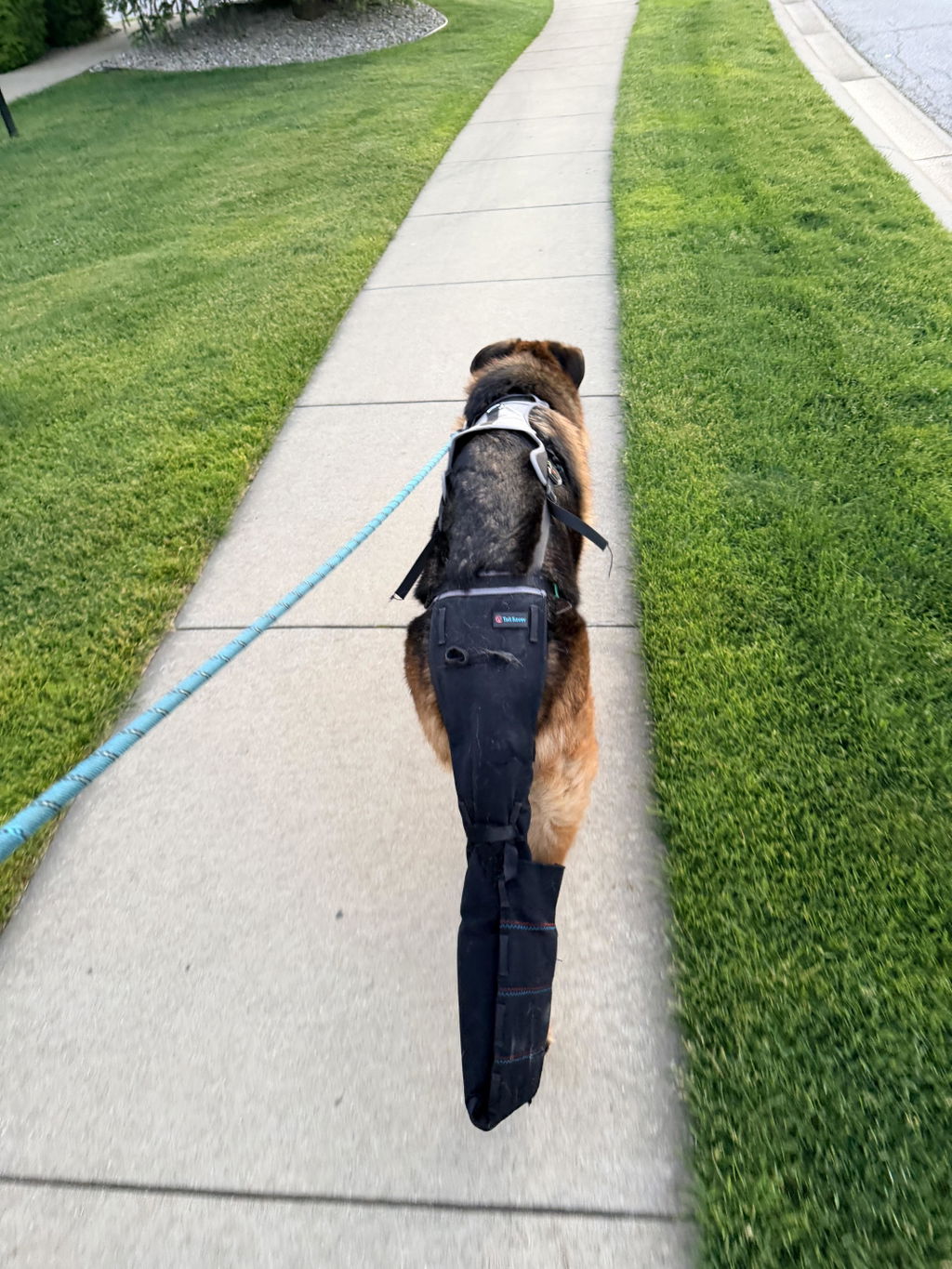
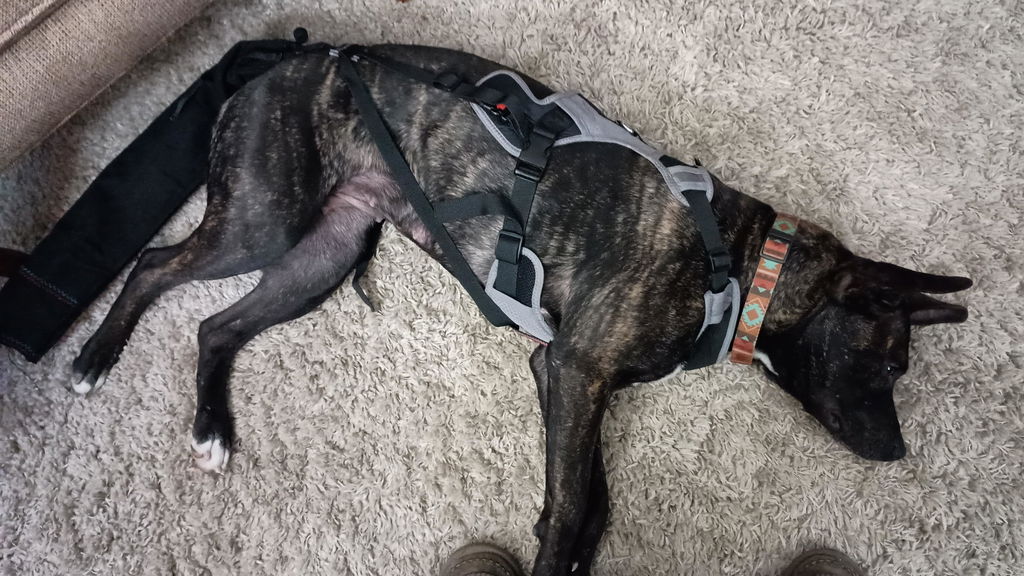
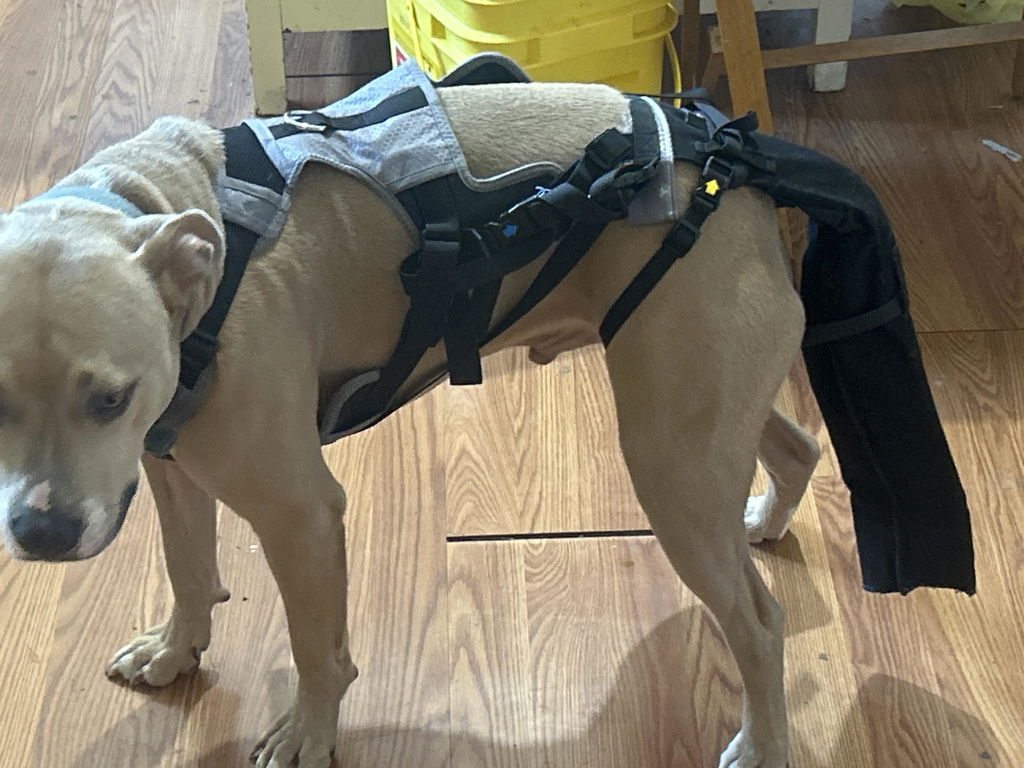
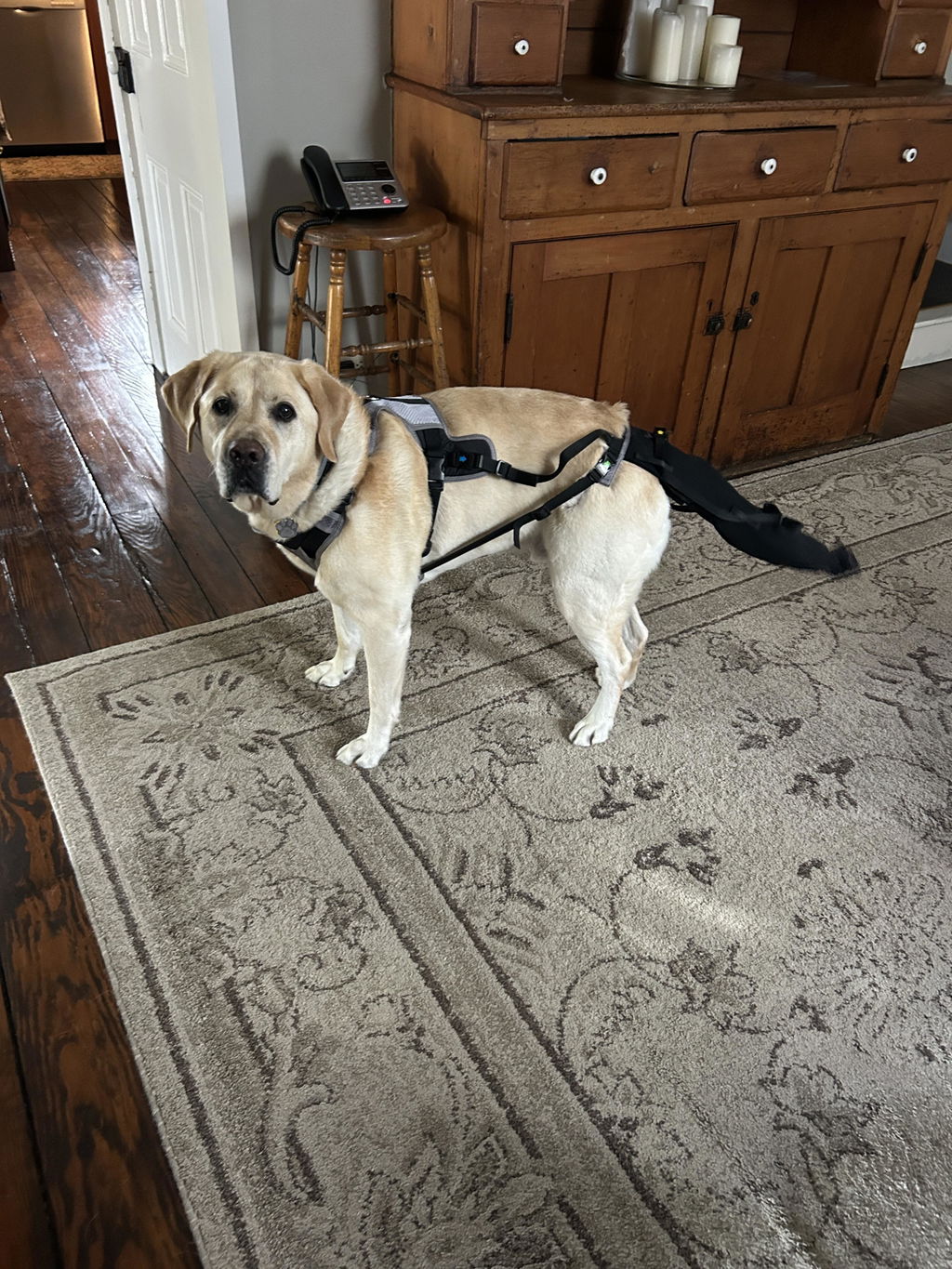
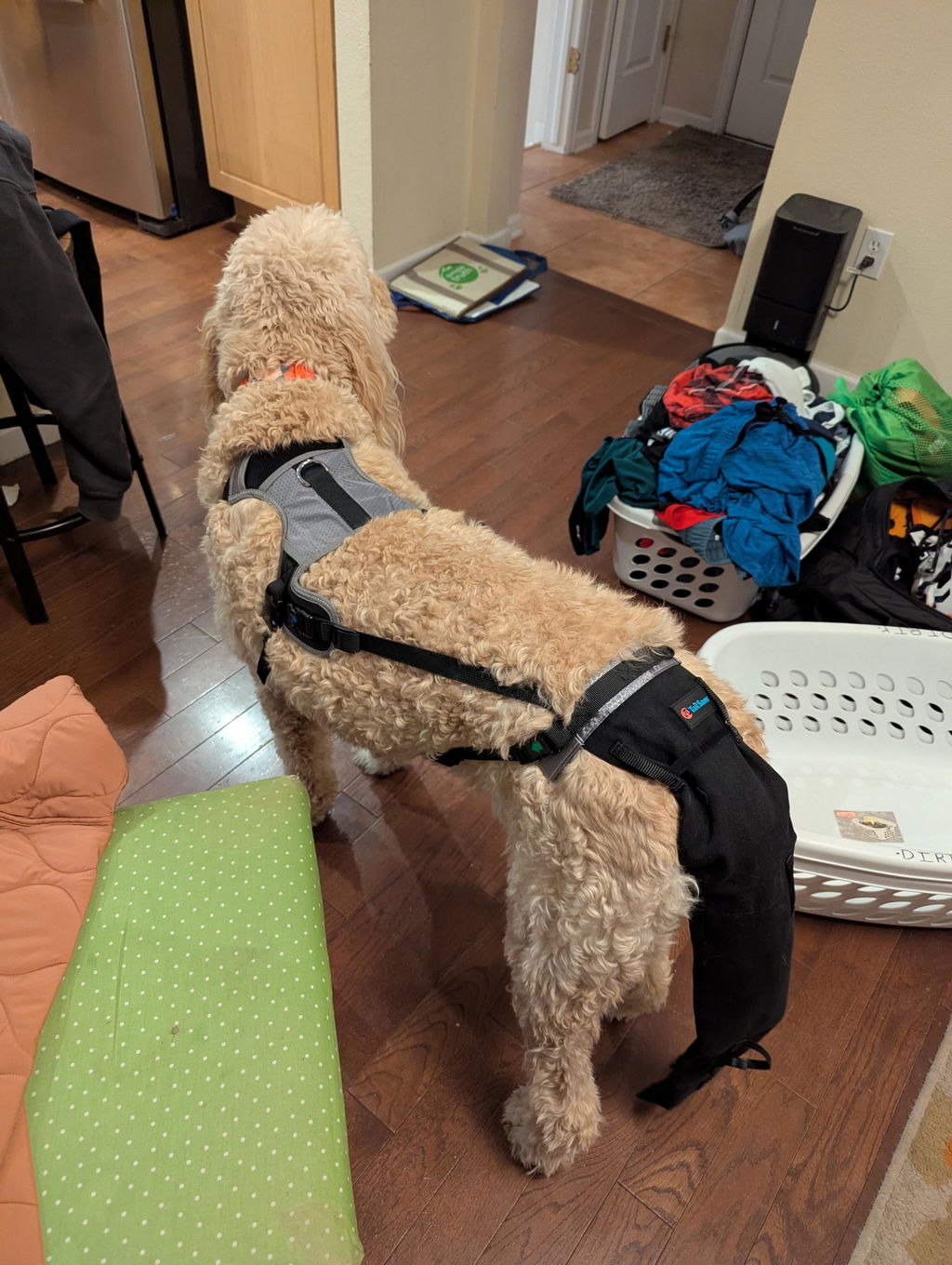
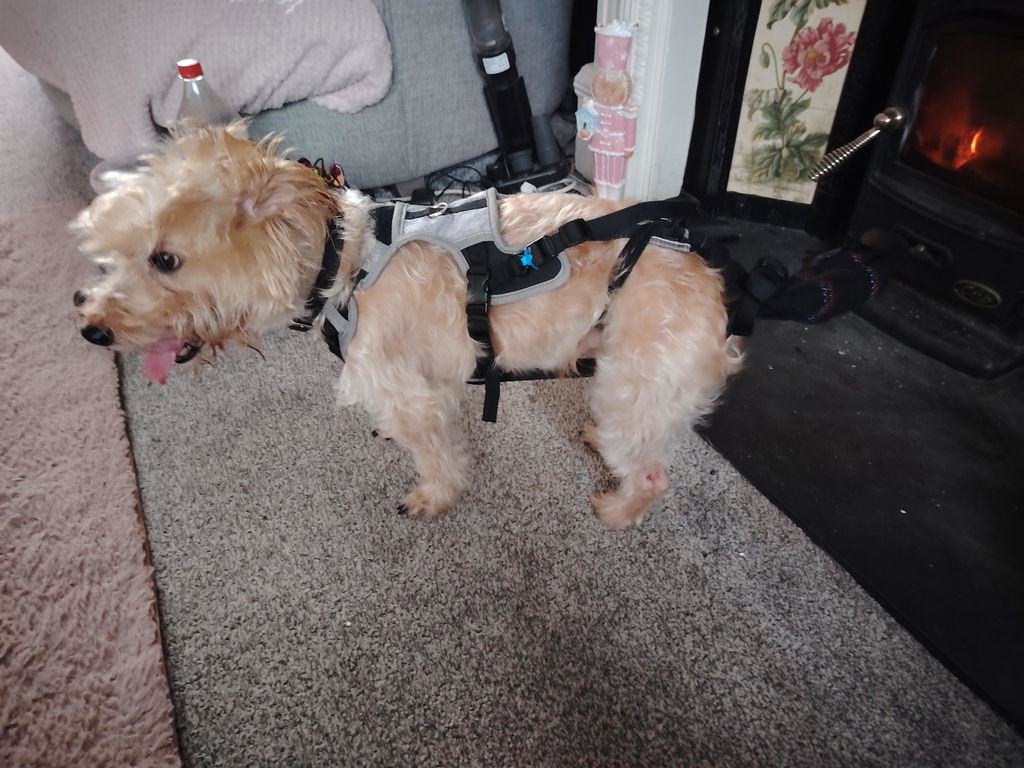
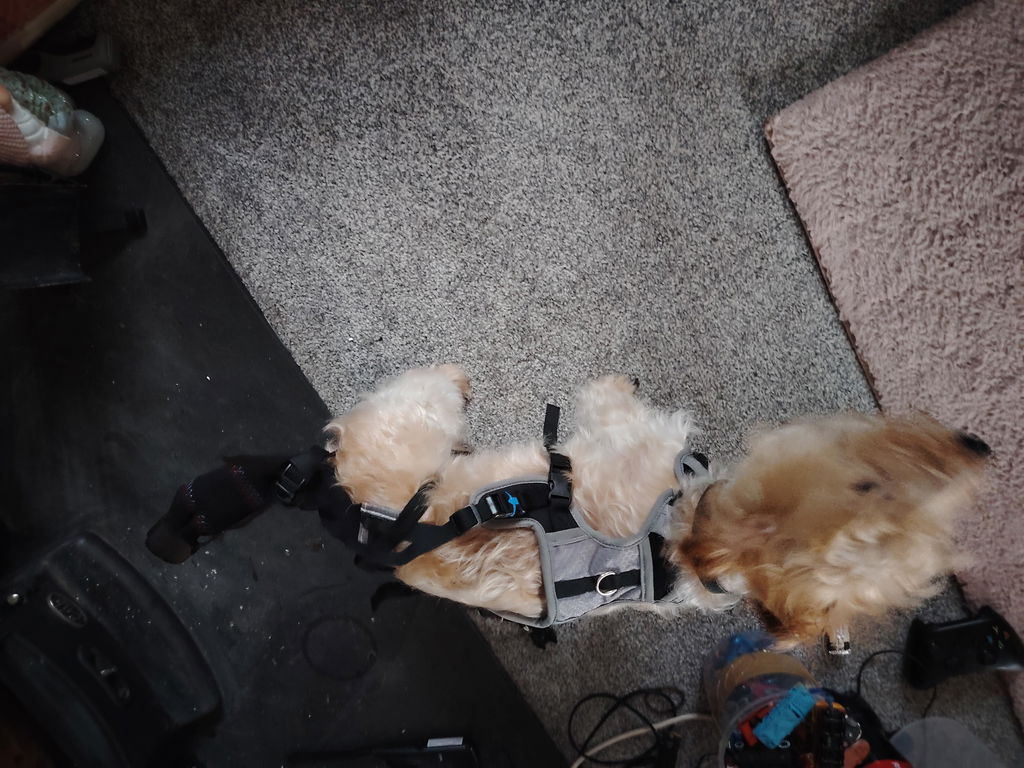
The K9 TailSaver is a breakthrough alternative to messy, temporary fixes. Unlike standard sleeves that require adhesives or binding, it uses a patented 8-Strap Harness that anchors securely around the dog's chest and back. This stability ensures the wound-covering breathable, padded tail sleeve remains perfectly centered over the injury — providing continuous, uninterrupted protection without binding or pinching the tail itself.
Key Benefits for Healing and Comfort
Choosing the K9 TailSaver provides guaranteed benefits that aid recovery from any chronic tail wound:
- Guaranteed Anti-Slip: The stable harness design prevents the device from twisting, sliding, or being forcibly removed, protecting the wound 24/7.
- Promotes Hygiene: The breathable, padded tail sleeve protects the injury without trapping moisture — critical for quick healing. The entire device is machine washable.
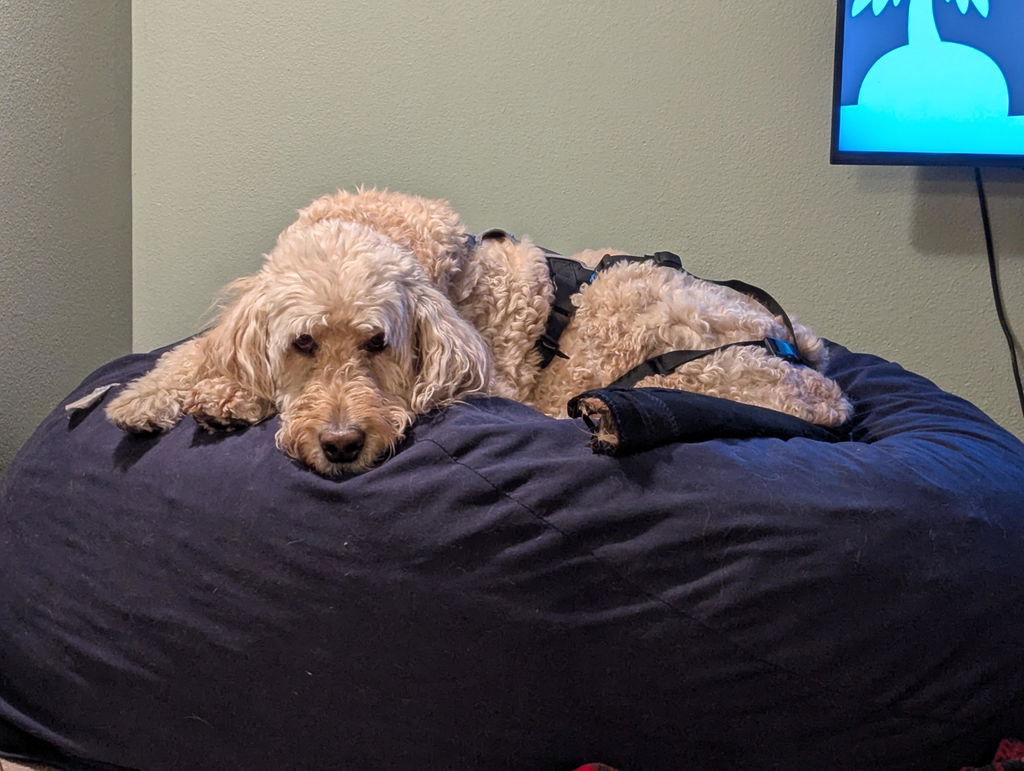
- Freedom to Function: Dogs can move, rest, and go potty freely without removal, which drastically improves their compliance and comfort during a painful time.
Avoid the “Doesn’t Fit” Frustration
The success of any protection device relies entirely on the fit. To guarantee the K9 TailSaver works for your dog — whether you need the XXS for a Yorkie or the 3XL for the largest tails — you must consult the size chart and confirm both Back Length and Weight before ordering. Our solution works when fitted correctly, and that starts with the setup guide.
By choosing secure, veterinarian-recommended protection, you can finally end the chronic tail trauma and let your dog heal in comfort.