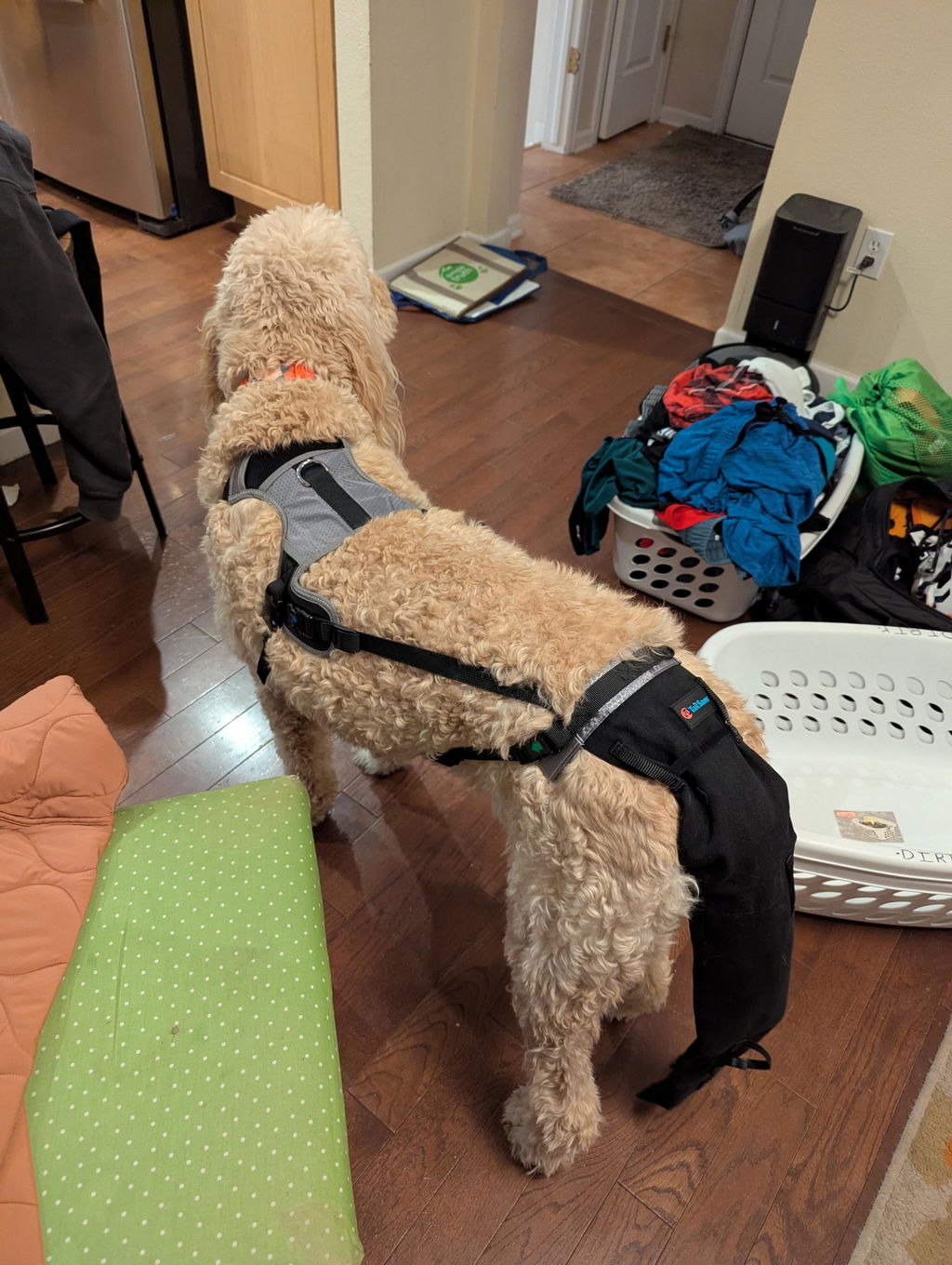
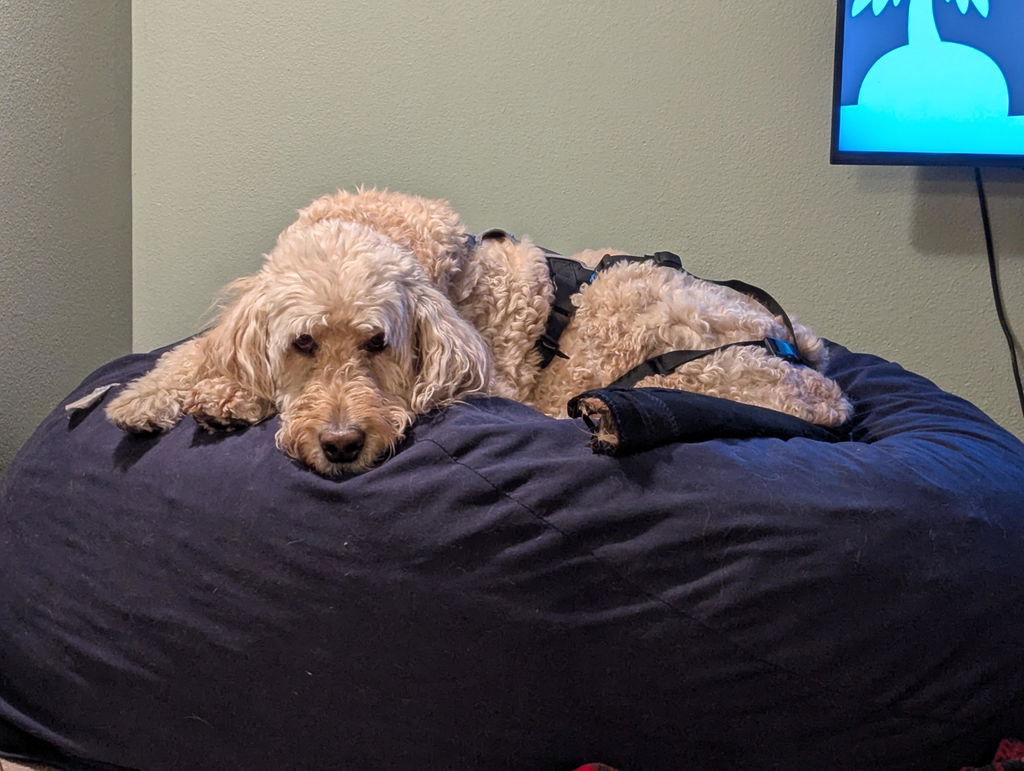
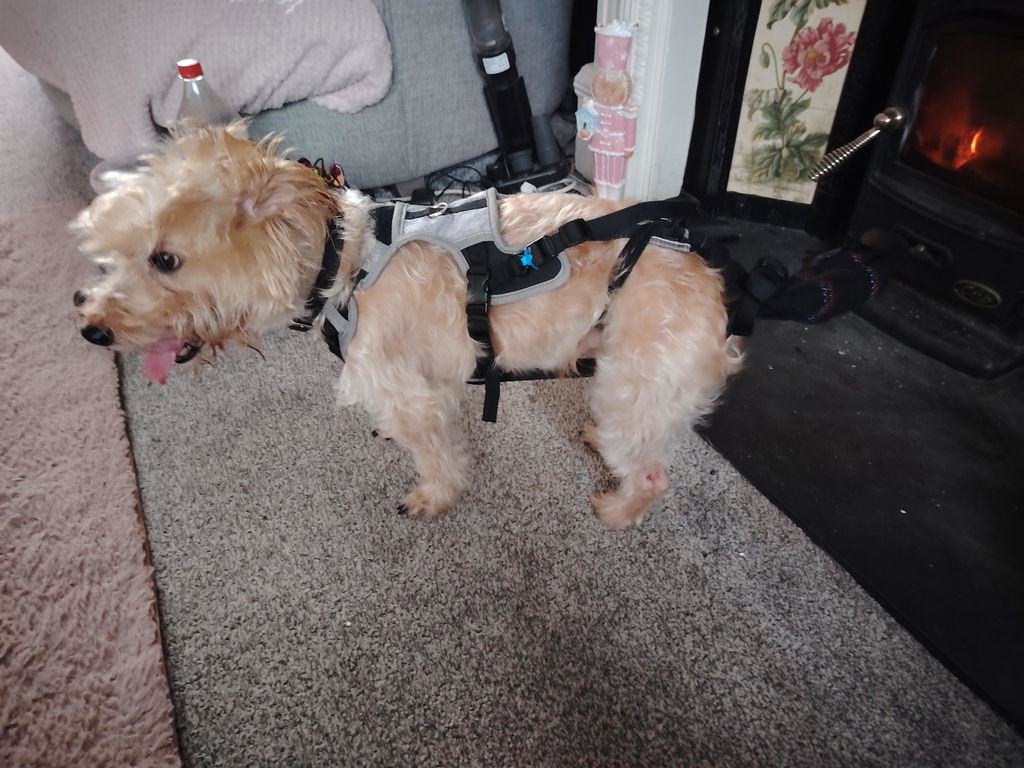
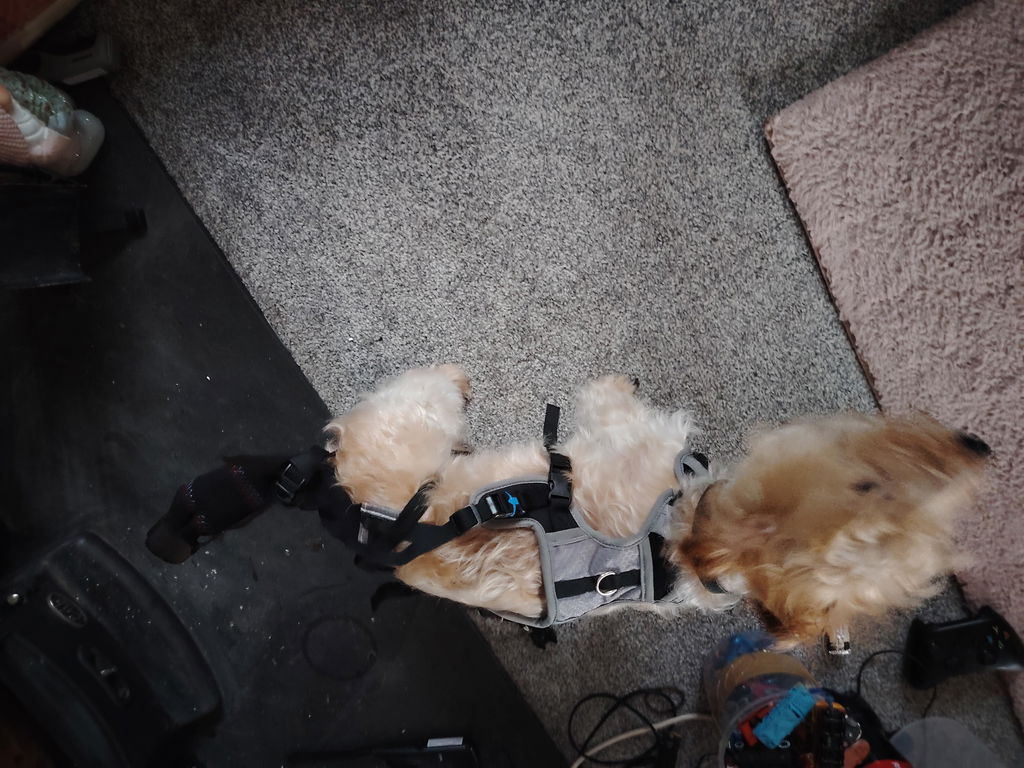
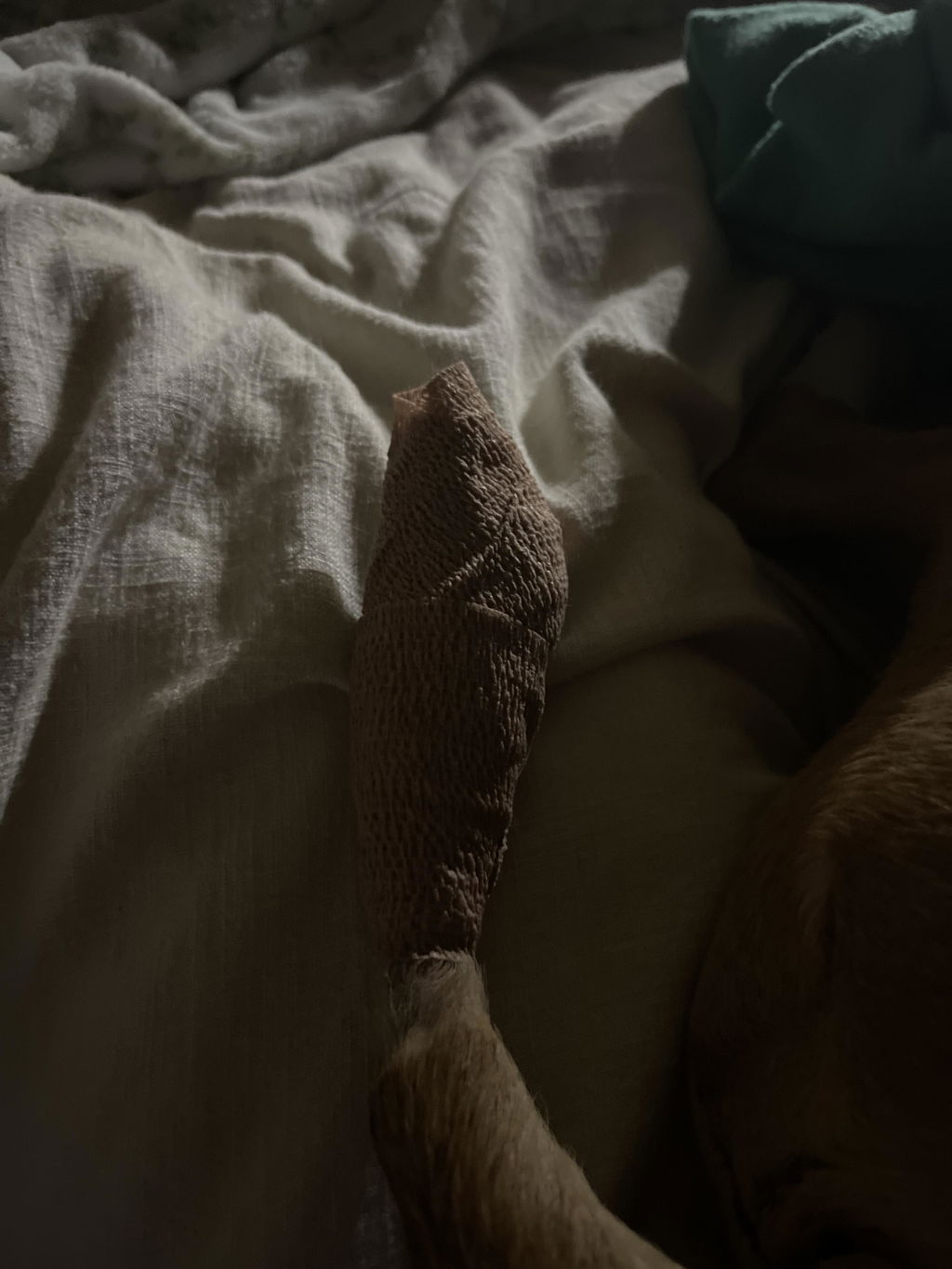
How to Prevent Tail Licking in Dogs Using a TailSaver Guard?
Dogs lick their tails for many reasons. What often begins as mild irritation can quickly turn into a painful cycle of constant licking, chewing, and reopening wounds. For many pet parents, tail licking becomes a daily struggle that seems impossible to stop without causing stress or discomfort.
Understanding why tail licking happens and how to interrupt the behavior safely is essential for lon -term healing. One of the most effective and humane ways to break this cycle is by using a Lick Guard designed specifically for tail protection, which creates a physical barrier while allowing the skin to heal naturally.
Table of Contents
- Why Do Dogs Lick Their Tails Excessively?
- Why Tail Licking Should Never Be Ignored
- How Physical Protection Breaks the Licking Cycle
- How a Tail Lick Guard Supports Healing
- Choosing the Right Protection for Tail Injuries
- When to Use Tail Protection
- Why Consistency Matters for Recovery
- Why Choose Us?
- Choose Trusted Protection Designed for Real Healing
- Frequently Asked Questions
Why Do Dogs Lick Their Tails Excessively?
Tail licking is rarely random. It usually signals irritation, discomfort, or emotional stress. Identifying the cause helps prevent the behavior from becoming chronic.
- Skin Irritation and Allergies: Contact with allergens such as grass, grooming products, or flea saliva can cause itching at the base or tip of the tail. Licking offers temporary relief but worsens inflammation over time.
- Hot Spots and Open Wounds: Moisture trapped in thick fur or repeated licking can lead to hot spots and raw skin. Once the skin breaks, dogs instinctively continue licking, slowing healing and increasing infection risk.
- Flea Bites and Parasites: Fleas often target the tail base. Even after treatment, residual irritation may trigger continued licking.
- Anxiety and Compulsive Behaviors: Stress, boredom, or changes in routine can lead to repetitive tail licking. Over time, this becomes a learned behavior that continues even after the original trigger is gone.
Why Tail Licking Should Never Be Ignored
Persistent tail licking can quickly escalate into serious skin damage. Constant moisture weakens the skin barrier, leading to inflammation, hair loss, bleeding sores, and infections.
If left untreated, tail injuries often reopen repeatedly, making healing slow and frustrating. Early intervention helps protect the skin, reduce discomfort, and prevent long-term behavioral fixation.
How Physical Protection Breaks the Licking Cycle
Training and redirection alone are often not enough once licking becomes habitual. Dogs lick instinctively, especially when irritation is present.
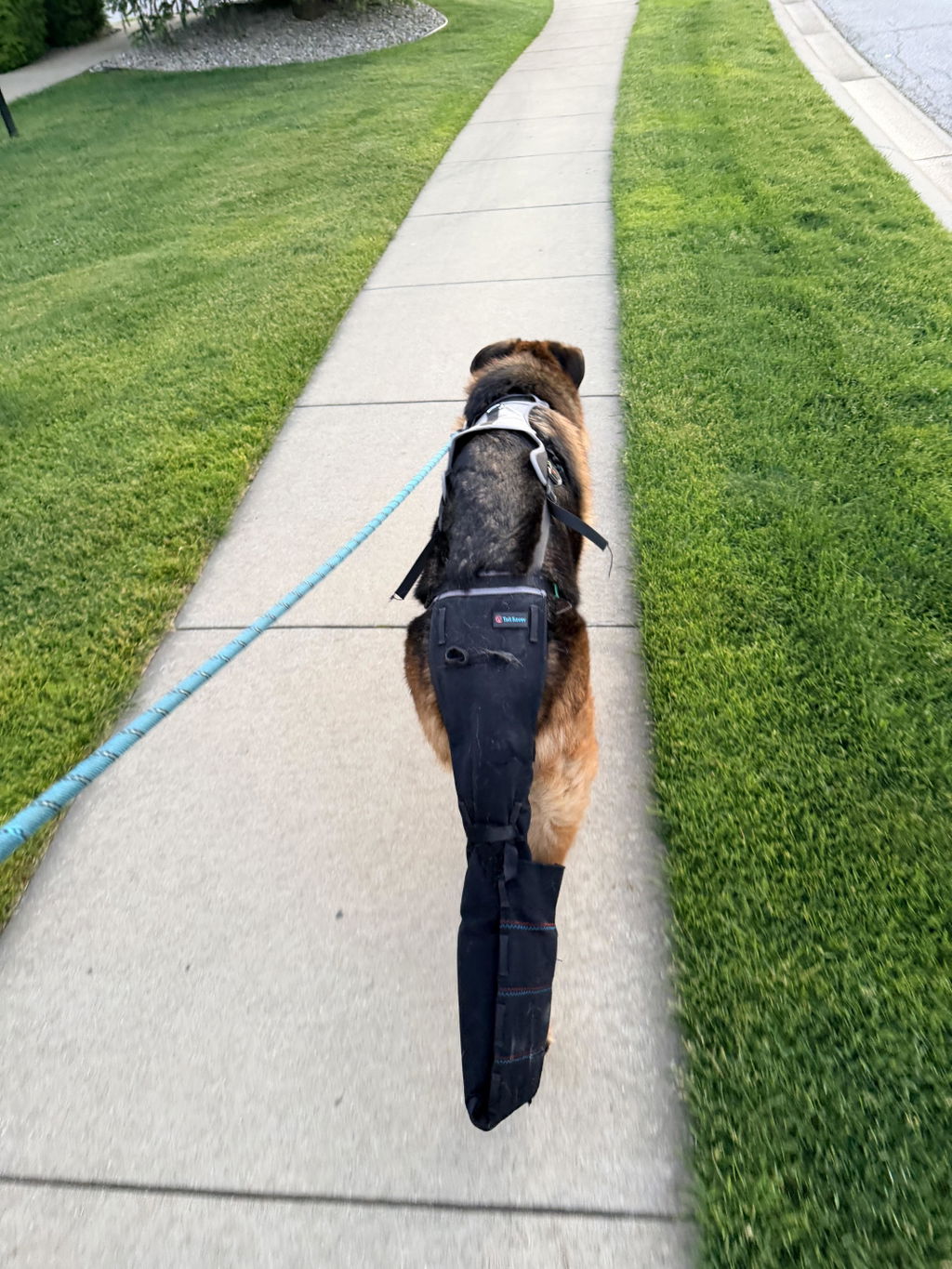
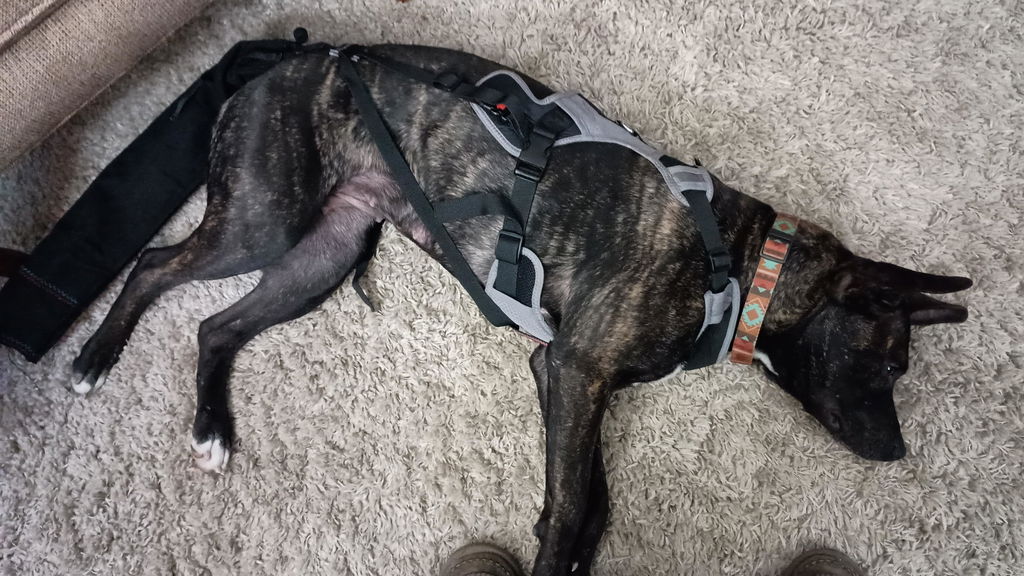
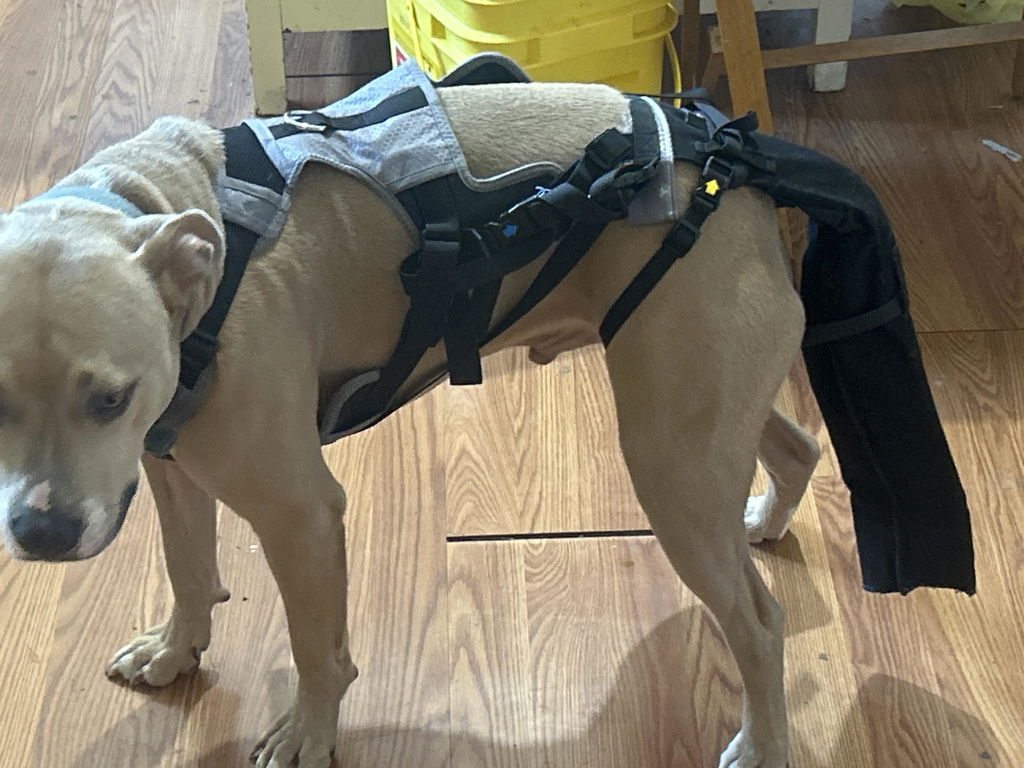
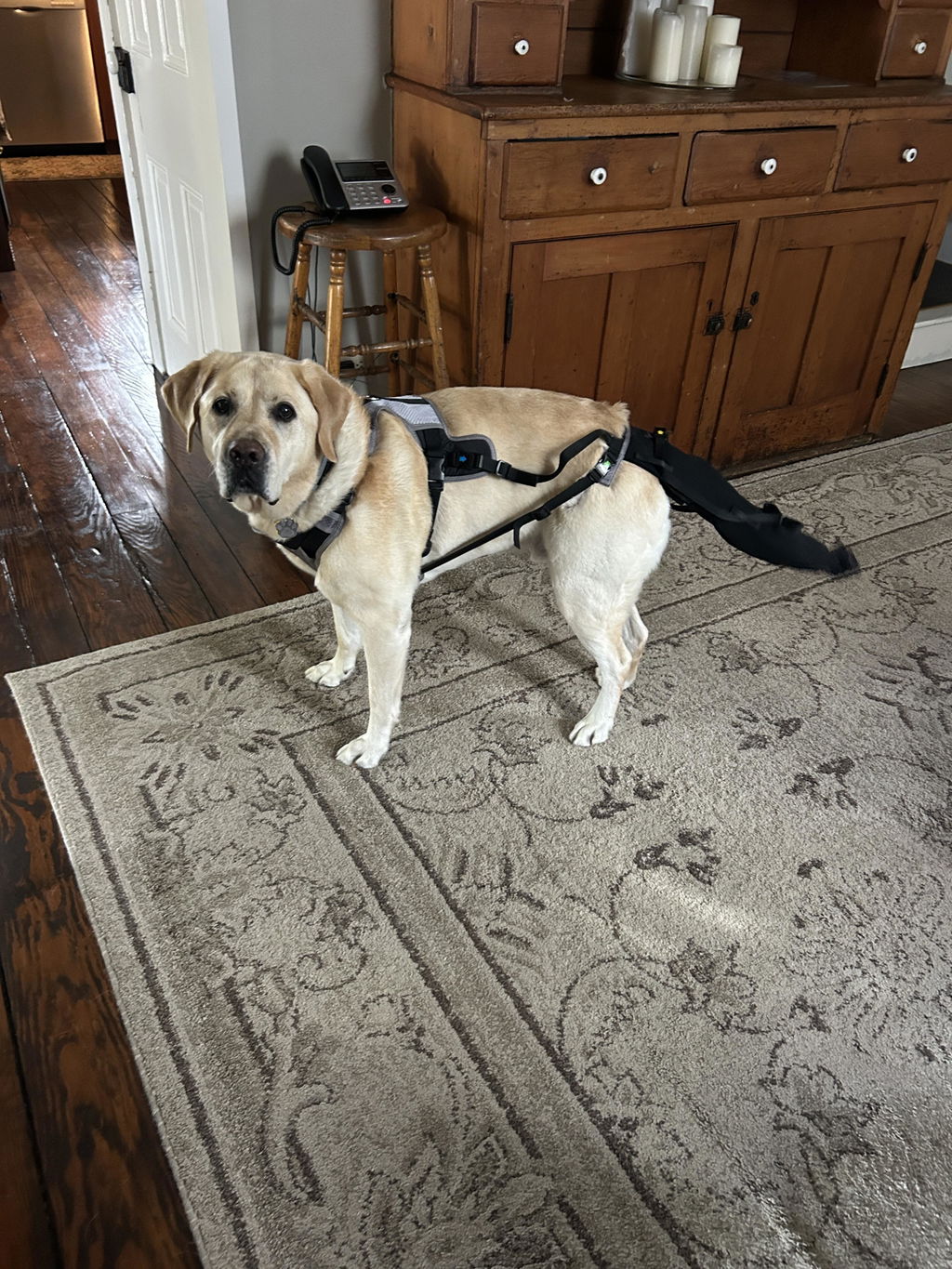
A physical barrier prevents direct access to the tail, allowing the skin to dry, inflammation to subside, and treatments to remain effective. Unlike cones, which restrict movement and cause stress, tail-specific protection targets the problem area without limiting mobility.
How a Tail Lick Guard Supports Healing
A Lick Guard for tail licking is designed to protect sensitive areas while allowing dogs to move, rest, and sleep comfortably. When properly fitted, it prevents chewing and licking without trapping moisture or causing discomfort.
By maintaining consistent coverage, the guard creates an environment where the skin can repair itself naturally. It also helps reduce the need for frequent bandage changes and prevents dogs from reopening wounds.
Choosing the Right Protection for Tail Injuries
Effective tail protection should stay securely in place without slipping or twisting. Breathable materials are essential to prevent moisture buildup, while soft fabrics reduce friction against healing skin.
The right design allows full range of movement and does not interfere with daily activities. Adjustability is important, especially as swelling decreases during recovery.
When to Use Tail Protection
Tail guards are helpful in many situations, including:
- Hot spots and skin irritation
- Healing open sores or abrasions
- Post-surgical recovery
- Anxiety-related tail licking
- Preventing reinjury during healing
Early use can significantly shorten recovery time and reduce complications.
Why Consistency Matters for Recovery
Removing protection too soon often leads to relapse. Even when the skin appears healed, it remains sensitive. Continued protection allows the skin barrier to fully restore and helps eliminate habitual licking behaviors.
Consistency is key to both physical healing and long-term behavioral improvement.
Why Choose Us?
At K9 TailSaver, we focus exclusively on humane, tail-specific protection. Our products are designed to support healing without causing stress or limiting your dog’s quality of life.
Every design decision prioritizes comfort, mobility, and real-world usability. We believe effective protection should work with your dog’s natural behavior not against it while giving pet parents peace of mind.
Choose Trusted Protection Designed for Real Healing
If your dog is struggling with constant tail licking, early protection can make a meaningful difference. Explore thoughtful solutions from K9 TailSaver that prioritize comfort, healing, and long-term wellbeing. Helping your dog heal starts with protecting what matters most.
Frequently Asked Questions
1. Is tail licking always a medical issue?
Not always, but persistent licking usually indicates irritation or stress. Early intervention prevents skin damage.
2. Can bandages be used instead?
Bandages often slip, trap moisture, and are easily removed. Tail guards provide more consistent protection.
3. How long should my dog wear tail protection?
Use should continue until the skin fully heals and licking behavior stops.
4. Will my dog be uncomfortable?
Most dogs adapt quickly when the guard is properly fitted and designed for comfort.
5. Can protection be used with topical treatments?
Yes. Guards help keep medication in place and prevent licking it off.
6. Should I consult a veterinarian?
Yes, especially if there is swelling, discharge, or worsening symptoms.
Continue Your Research
What to do next
If you are ready to stop the re-injury cycle, go to the main K9 TailSaver set now. If fit is your only hesitation, run the size finder first. If your dog is between sizes or actively reopening the wound, text support for a faster fit check.
Shop the main K9 TailSaver set
Find my size first | See first-fit instructions | Text support