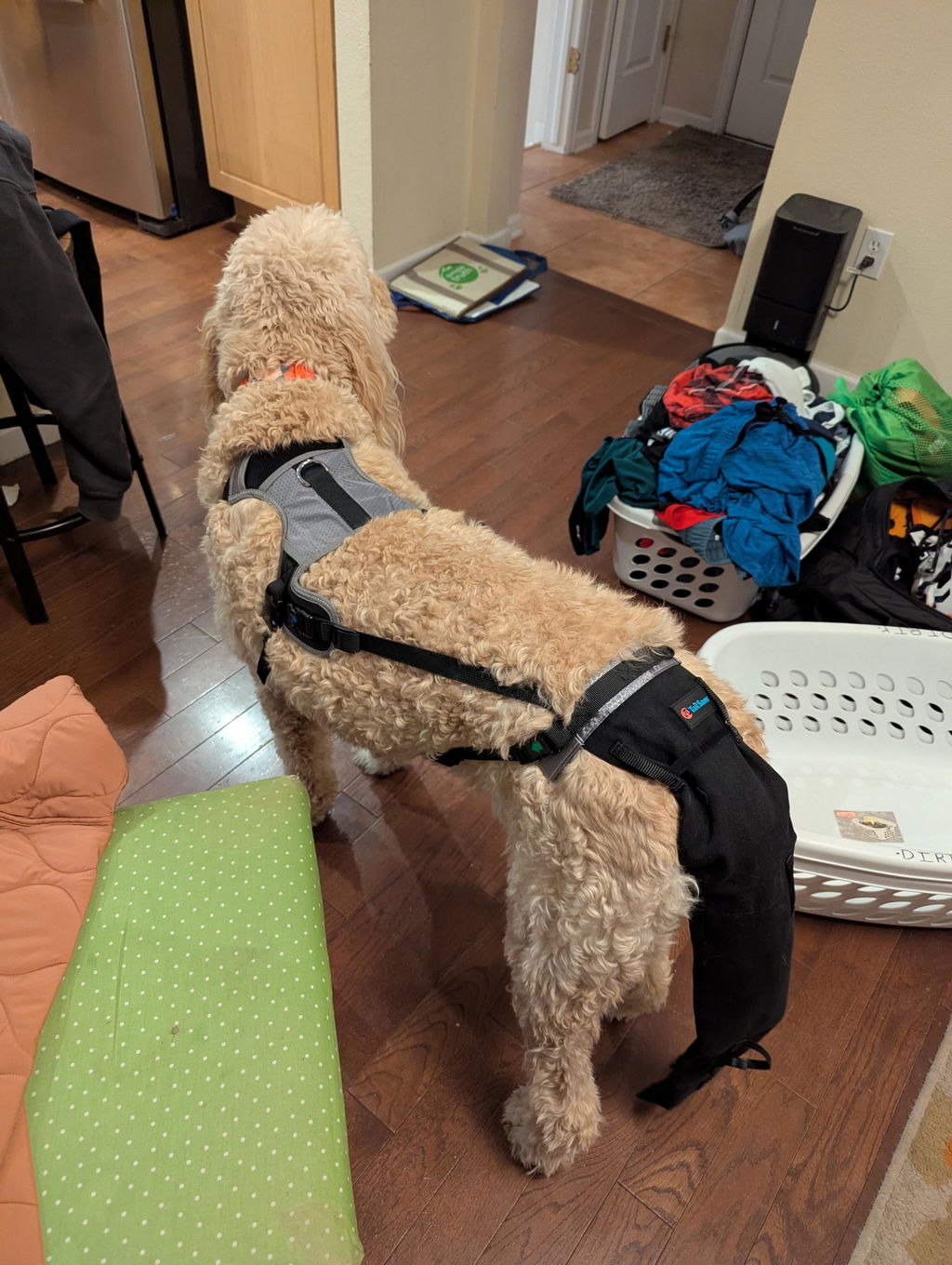
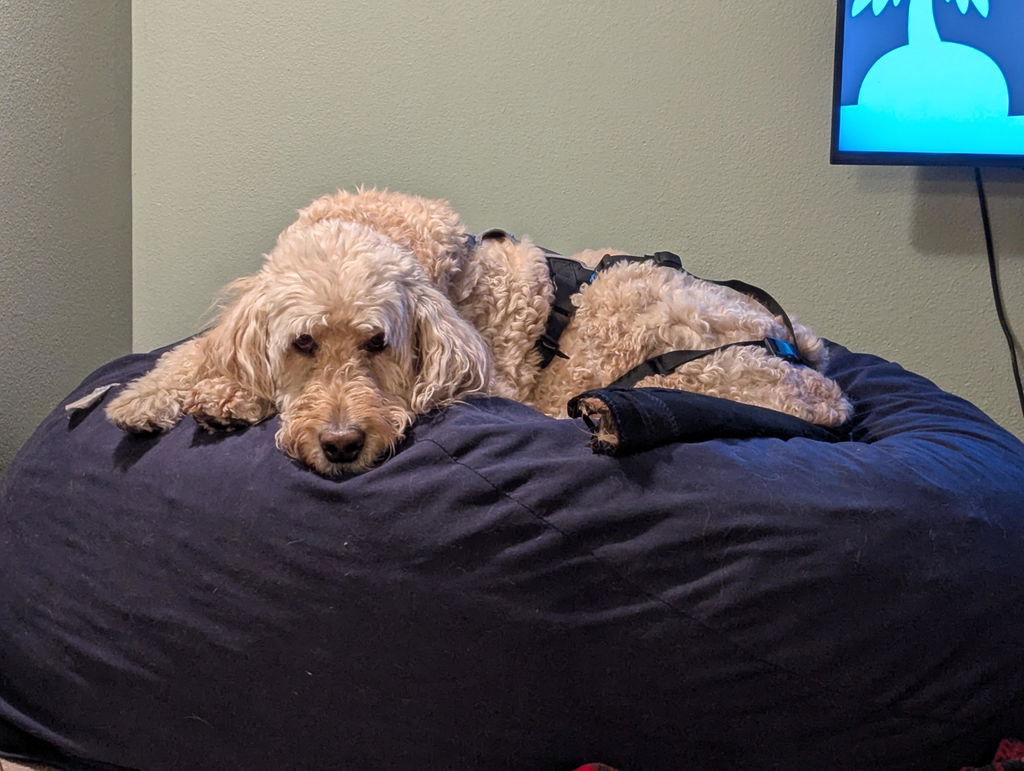
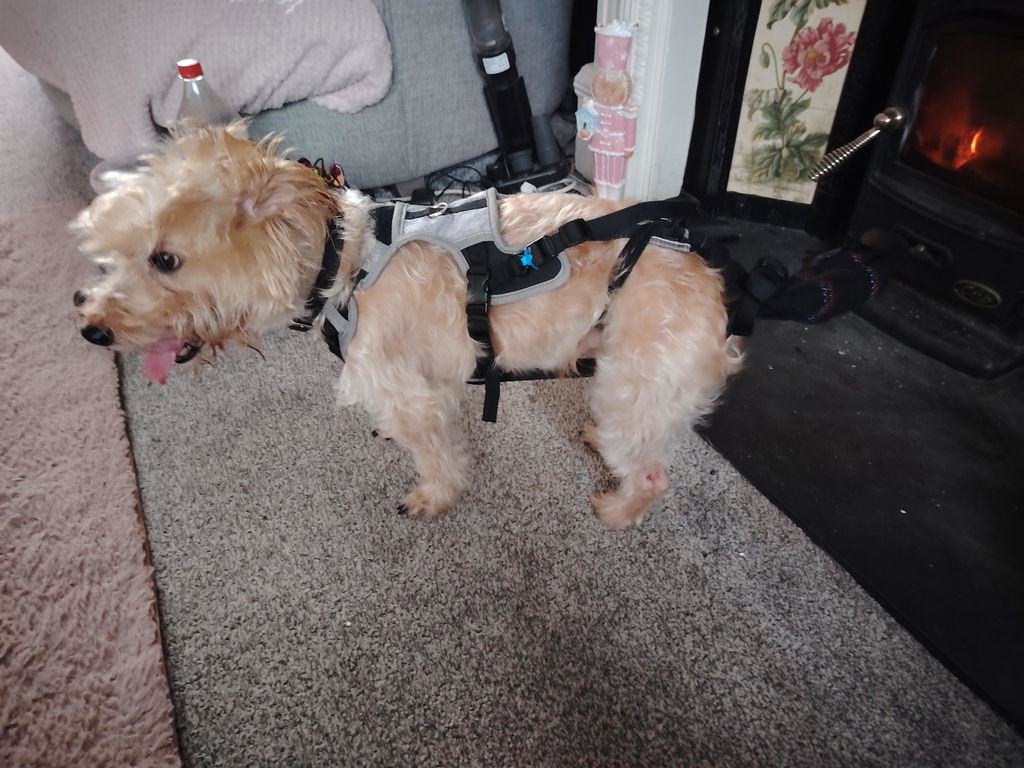
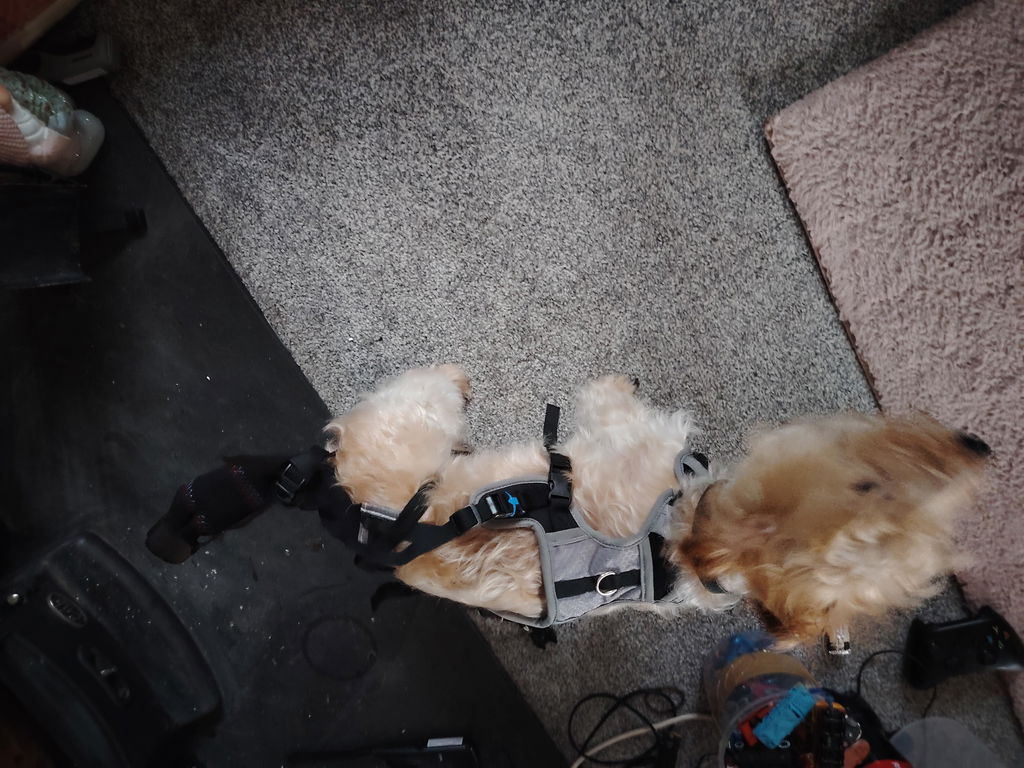
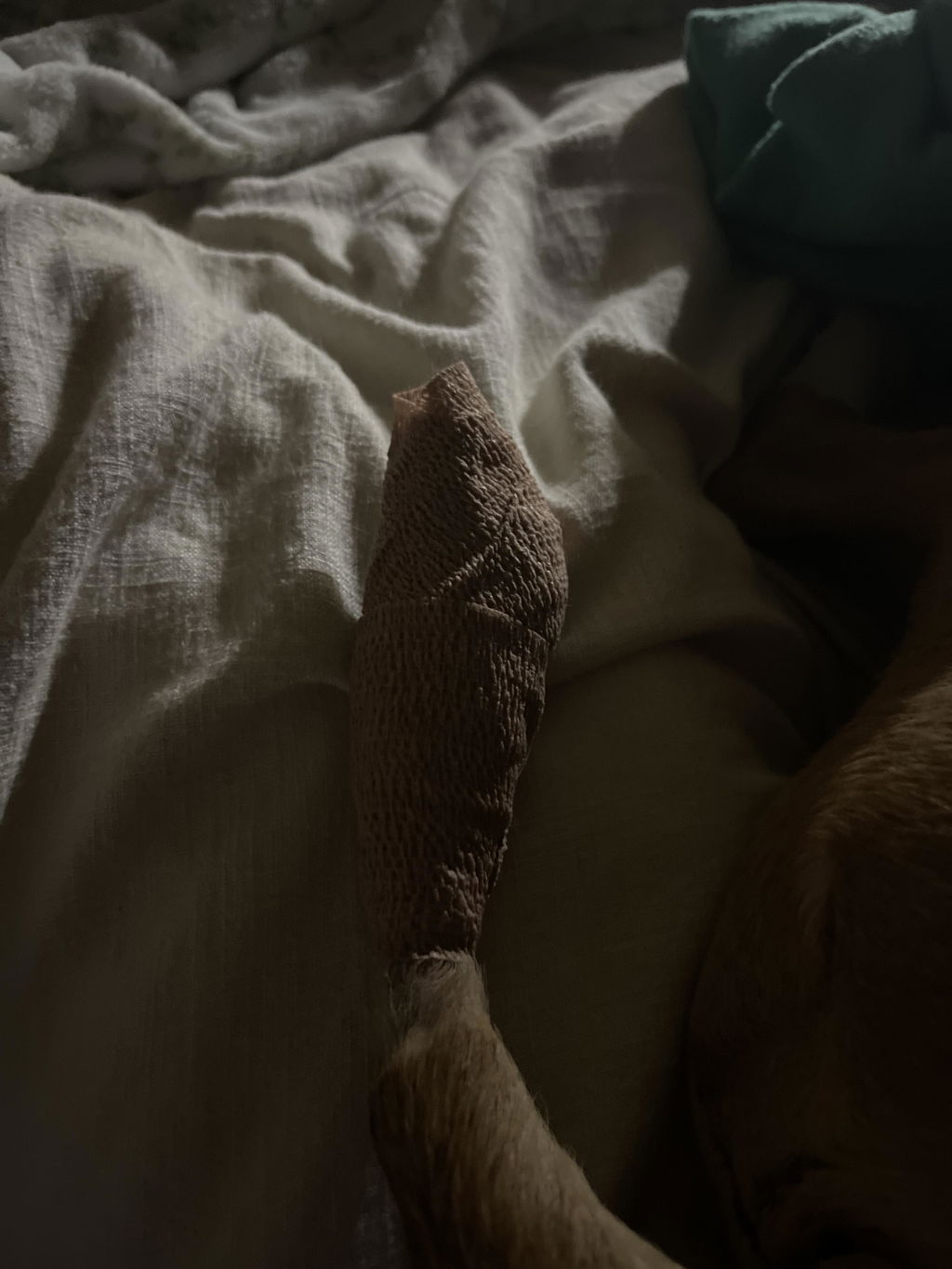
Dog Breeds Prone to Happy Tail Syndrome
Dog Breeds Most Prone to Happy Tail Syndrome
Breeds Prone to Happy Tail Syndrome: The Complete Breed Risk Guide
#
Which Dogs Are Most at Risk? And What You Can Do to Prevent It
– -
#
The Breed Factor: Why Some Dogs Get Happy Tail Syndrome More Than Others
Happy tail syndrome isn't random. Certain breeds are statistically 10-50x more likely to develop this condition.
The reason? A combination of:
- Tail structure (thin, bony, little padding)
- Tail motion (powerful wagging, constant movement)
- Energy level (breeds bred for constant activity)
- Bloodline genetics (some families/breeds are prone)
– -
#
Critical Risk Breeds: The Highest Threat Level
##
1. Boxer (CRITICAL RISK 🔴) Why they're #1 risk:- Powerful, muscular tail capable of tremendous force
- Extreme enthusiasm and constant wagging
- Thin tail with minimal fat padding
- Bred for high energy; never truly calm
K9 TailSaver usage: Most common breed treated (3,800+ cases) Risk statistics:- 1 in 3 Boxers will experience happy tail syndrome
- Average age of onset: 18-36 months
- Severity when it occurs: Often extreme
Prevention tips:- Watch for tail-on-surface contact during play
- Provide padded "safe" surfaces in home
- Early intervention at first sign of bleeding
- Consider prophylactic K9 TailSaver in high-risk households
What one owner said: "My Boxer started bleeding at 14 months old. I wish I'd known to get K9 TailSaver before it started. Now I recommend it to every Boxer owner I meet." – -
##
2. Great Dane (CRITICAL RISK 🔴) Why they're high risk:- Extremely thin, long tail with minimal protection
- Large body size means powerful tail swing
- Gentle temperament means they don't realize tail is being damaged
- Height means tail frequently hits doorways and ceiling fans
K9 TailSaver usage: 2,100+ cases Risk statistics:- 1 in 4 Great Danes will develop happy tail syndrome
- Onset age: Can occur at any age, but common in adolescence
- Severity: Often severe because tail lacks natural protection
Prevention tips:- Be especially cautious of ceiling fans (common happy tail syndrome cause)
- Watch for tail impact when dog turns quickly
- Provide protective padding around frequent tail-hit surfaces
- Early treatment critical; Great Dane tails are harder to heal due to minimal padding
What owners report: "Great Dane tails bleed for almost no reason. We use K9 TailSaver prophylactically during recovery after boarding/stressful events." – -
##
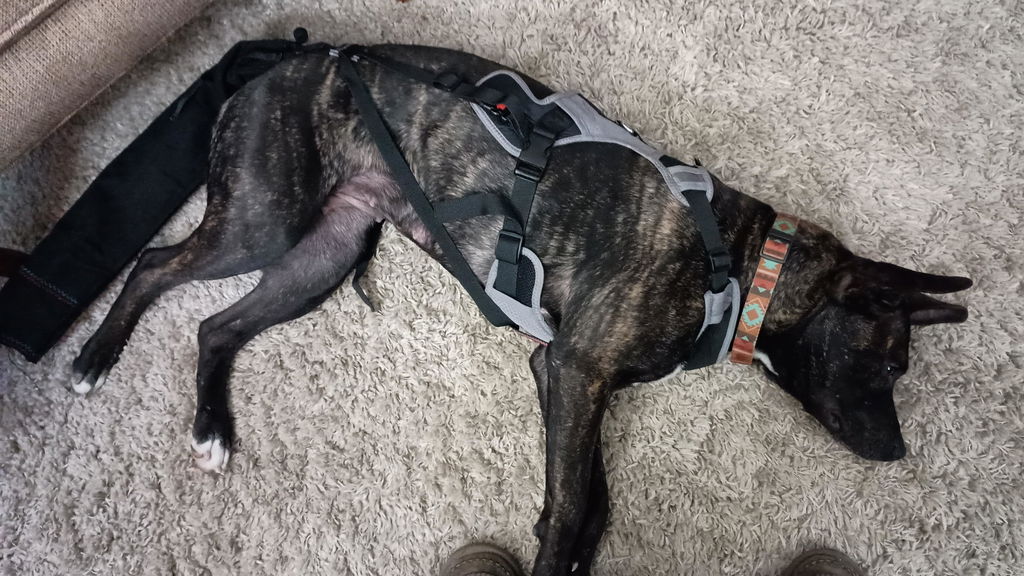
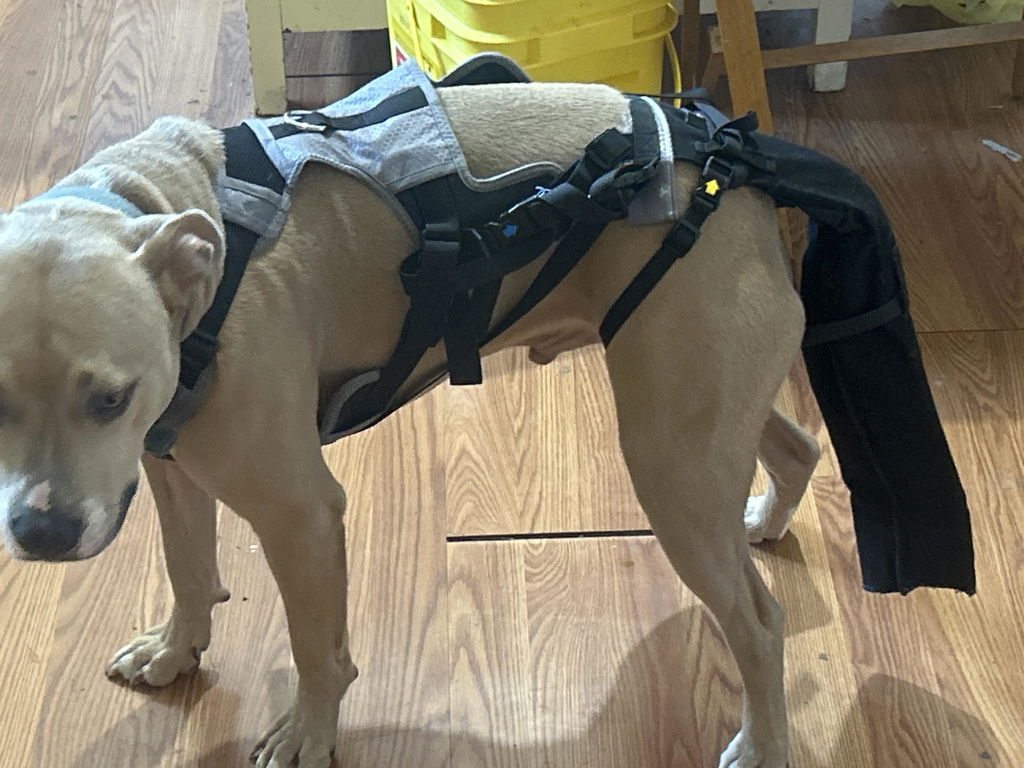
3. Bull Terrier / Pit Bull Type (CRITICAL RISK 🔴) Why they're high risk:- Muscular, powerful tail; breeds built for strength
- High drive and enthusiasm
- Tail often kept high (confident stance)
- Thin skin with minimal fat padding underneath
K9 TailSaver usage: 1,900+ cases Risk statistics:- 1 in 4 Bull Terriers develop happy tail syndrome
- Often occurs during peak energy years (2-4 years old)
- Severity: Moderate to severe
Prevention tips:- Provide extra open space to prevent wall-hitting
- Monitor for aggressive play leading to tail contact
- Be extra vigilant during play sessions with other dogs
- Early intervention is critical
What vets report: "Bull Terriers are second only to Boxers in my happy tail syndrome caseload. Now I routinely recommend K9 TailSaver to Bull Terrier owners as a preventive." – -
#
High Risk Breeds: Significant Threat Level
##
4. Springer Spaniel (HIGH RISK 🟠)
- Tail almost in constant motion (hunting dog instinct)
- Moderate tail; can cause serious damage
- Enthusiasm doesn't translate to awareness of injury
- Water exposure (swimming) increases re-injury risk
K9 TailSaver usage: 1,200+ cases Prevention: Standard precautions; high surveillance recommended – -
##
5. Cocker Spaniel (HIGH RISK 🟠)
- Similar tail structure to Springer but smaller
- Ear problems can lead to ear flapping → tail wagging → injury
- Often injured tail becomes chronic due to constant motion
- May require longer K9 TailSaver duration (secondary tail flapping motion)
K9 TailSaver usage: 900+ cases Prevention: Address ear health proactively; monitor for chain reaction injuries – -
##
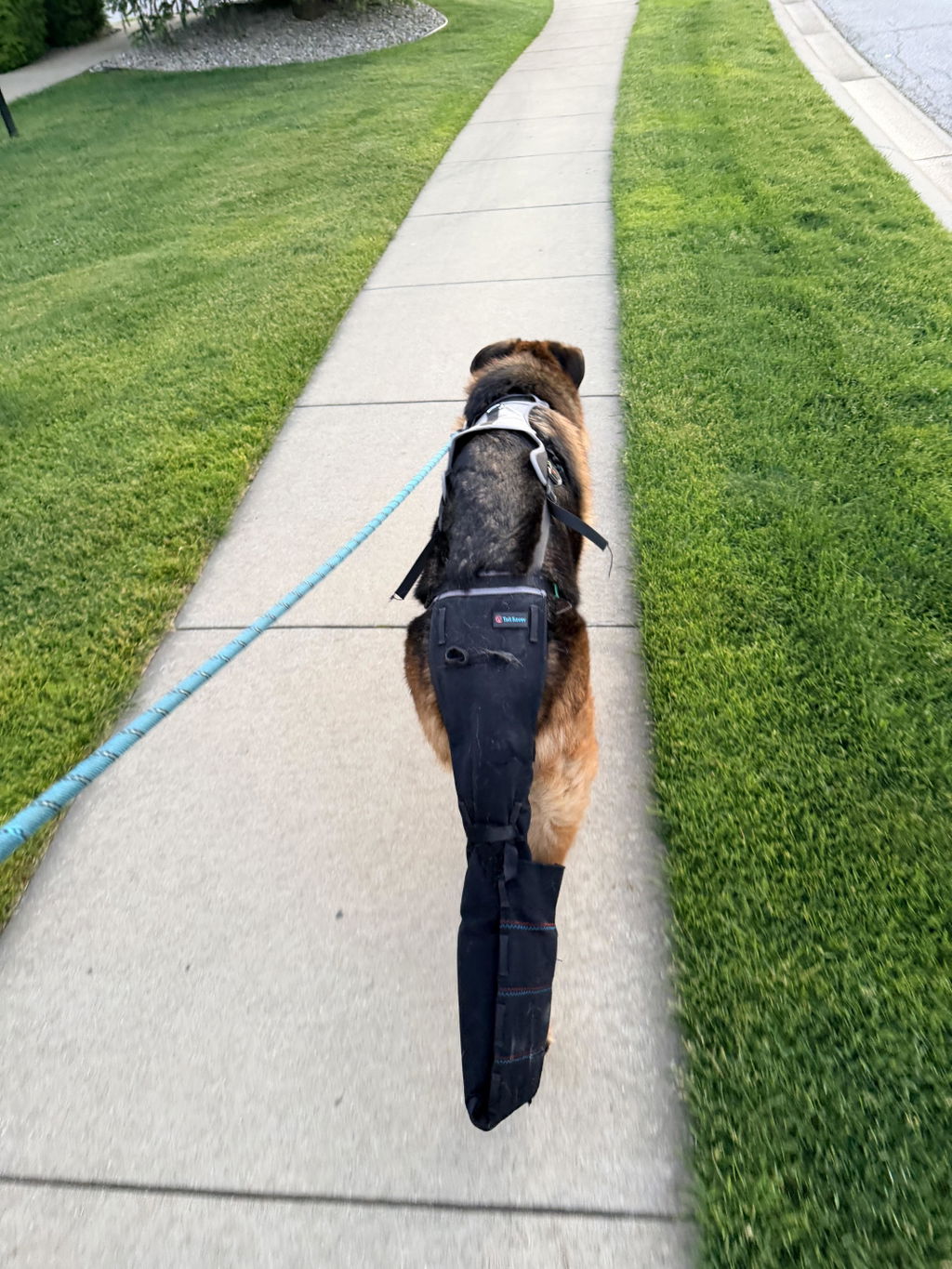
6. German Shepherd (HIGH RISK 🟠)
- Large body + thin, whip-like tail
- Working dog drive = constant motion
- Structure means tail often in vulnerable position
- Common in police/military dogs due to high activity
K9 TailSaver usage: 1,100+ cases Prevention: Standard precautions; high surveillance during activity/excitement – -
#
Moderate Risk Breeds: Notable Threat Level
##
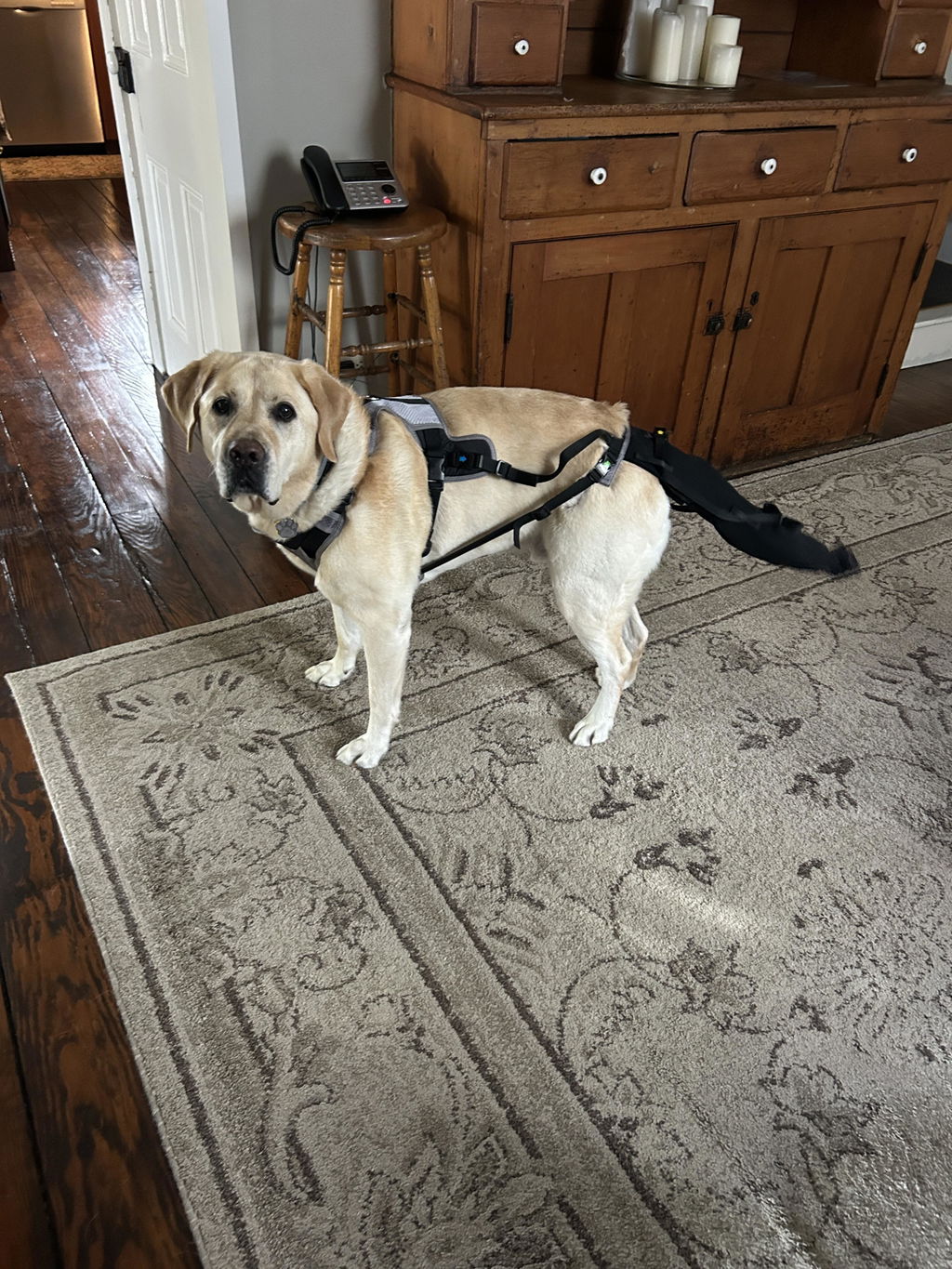
7. Labrador Retriever (MODERATE RISK 🟡) Why still at risk:- Large, muscular body with powerful tail
- Friendly temperament = constant wagging
- Less thin-tailed than Boxers, but weight matters
- Water retriever bred for constant motion
K9 TailSaver usage: 600+ cases Risk facts: Only 1 in 15 Labs develop happy tail syndrome (much better than critical risk breeds) Prevention: Standard monitoring; often preventable with environmental awareness – -
##
8. Golden Retriever (MODERATE RISK 🟡) Protective factors:- Thick, fluffy coat provides natural padding
- Similar high energy to Labs, but coat protection reduces risk
- Only 1 in 20 develop happy tail syndrome
K9 TailSaver usage: 400+ cases Prevention: Standard monitoring; less intensive than Box/Dane prevention – -
##
9. Siberian Husky / Alaskan Malamute (MODERATE RISK 🟡) Factors:- Fluffy tails provide exceptional padding
- High energy, but tail structure is resilient
- Only 1 in 18-20 develop syndrome
- More common in unusual circumstances (stressful events, confinement)
K9 TailSaver usage: 350+ cases Prevention: Standard monitoring; especially vigilant during high-stress events – -
#
Lower Risk Breeds: Minimal Threat
##
10. Bulldog (LOWER RISK 🟢)
- Naturally corkscrew tail (shorter, less flexible)
- Lower energy levels = less tail impact
- Natural tail structure limits motion
- Only 1 in 40-50 develop syndrome
K9 TailSaver usage: 80+ cases – -
##
11. Dachshund (LOWER RISK 🟢)
- Short tail naturally limits impact severity
- Lower energy (some exceptions with younger dogs)
- Natural structure protects
- Only 1 in 50+ develop syndrome
K9 TailSaver usage: 50+ cases – -
#
The Mixed/Crossbreed Question Q: What if my dog is a mix of breeds?A: Risk assessment is based on:
1. Dominant breed heritage — If mostly Boxer, risk is high
2. Physical tail structure — Is it thin, long, and vulnerable?
3. Energy level — Does the dog wag constantly?
4. Your observation — Watch for tail-on-surface contact
Example: A Lab-Boxer mix would have HIGH RISK due to Boxer heritage and combined muscle. Recommendation: If uncertain, assume your dog has risk and monitor proactively. – -
#
Breed Risk Assessment Checklist For your specific dog, rate these factors:##
Physical Traits
- [ ] Tail is thin or bony (minimal fat padding) = 2 points
- [ ] Tail is long (12"+ tip) = 1 point
- [ ] Tail is high-set (confident stance) = 1 point
- [ ] Body is muscular or large (40+ lbs) = 1 point
##
Behavioral Traits
- [ ] Tail wags constantly (more than 1x per second) = 2 points
- [ ] Dog is high-energy breed = 1 point
- [ ] Dog gets overly excited by triggers (visitors, play) = 1 point
- [ ] Dog has been diagnosed with stress/anxiety = 1 point
##
Environmental Factors
- [ ] Lives in confined space (apartment, kennel) = 1 point
- [ ] Experiences frequent high-stress events = 1 point
- [ ] Has hard flooring throughout home = 1 point
- [ ] Participates in intense play or sports = 1 point
##
Scoring
- 0-2 points: Low risk; standard monitoring
- 3-5 points: Moderate risk; heightened vigilance
- 6-8 points: High risk; consider preventive K9 TailSaver or strict monitoring
- 9+ points: Critical risk; K9 TailSaver is highly recommended
– -
#
Preventing Happy Tail Syndrome: The Most Important Breeds List
##
If You Own Any of These Breeds, Active Prevention Is Worth Considering MUST MONITOR: Boxer, Great Dane, Bull Terrier, Springer Spaniel SHOULD MONITOR: Cocker Spaniel, German Shepherd, Labrador CAN MONITOR: Golden Retriever, Husky, other large/thin-tailed breeds – -
#
Real Prevention Stories
##
Prevention Case 1: The Boxer Owner Who Acted Early Situation: Owner's previous Boxer had happy tail syndrome; resulting in amputation. With new Boxer puppy: "I bought K9 TailSaver before any problem appeared. My vet thought I was crazy. Then at 18 months, my new Boxer started a severe bleed while just running around the house. I immediately put him in K9 TailSaver for 3 weeks. Completely healed. The $99 upfront investment was worth billions compared to amputation." Lesson: For critical risk breeds, prophylactic purchase is often justified. ##
Prevention Case 2: The Dane Owner's Discovery Situation: Owner noticed Great Dane hitting ceiling fan and getting tail abraded. Action: Removed ceiling fan (common happy tail syndrome trigger for tall dogs). Purchased K9 TailSaver to have on hand. Outcome: 3 years later, no happy tail syndrome. Every time dog got excited, owner expected bleeding due to tail structure, but removal of trigger prevented onset. Lesson: Environmental modification + preparedness = prevention success. – -
#
What to Do If Your Breed Is High Risk
##
Option 1: Prophylactic Ownership
- Purchase K9 TailSaver before any problem occurs
- Have it on hand for immediate use
- Cost: $99 (one-time investment)
- Benefit: Ready if happy tail syndrome develops
##
Option 2: Heightened Surveillance
- Monitor for any tail bleeding (weekly inspection)
- Watch for excessive tail-surface contact
- Intervene immediately if bleeding occurs
- Cost: $0 (time and attention only)
- Benefit: Early detection allows faster treatment
##
Option 3: Environmental Modification
- Remove ceiling fans
- Pad hard surfaces where tail contacts occur
- Provide open space for running without wall impact
- Create "safe zones" with soft surfaces
- Cost: $50-200 (one-time modifications)
- Benefit: Reduces trigger events
##
Option 4: Combined Approach (Recommended for Critical Risk)
- Prophylactic K9 TailSaver ownership ($99)
- Environmental modifications ($50-100)
- Regular monitoring (15 min/week)
- Total investment: $149-199 upfront
- Benefit: Virtually eliminates risk
– -
#
Breed-Specific Recommendations
##
For High-Risk Breeds (Boxer, Great Dane, Bull Terrier, Springer Spaniel): STRONGLY RECOMMENDED: Purchase K9 TailSaver before getting the dog or early in ownership Why?- 1 in 3 to 1 in 4 will develop syndrome
- Amputation is likely without intervention
- Early treatment saves the tail
- Having device on hand reduces decision-making time
– -
##
For Moderate-Risk Breeds (Lab, Golden, German Shepherd): RECOMMENDED: Purchase K9 TailSaver as a "just in case" investment Why?- Risk is lower but still statistically significant
- $99 investment is negligible vs. $1,500+ amputation cost
- Early intervention is critical if it does occur
– -
##
For Lower-Risk Breeds (Bulldog, Smaller Breeds): OPTIONAL: Purchase if you observe high-risk behaviors or environmental factors Why?- Inherent tail structure is protective
- Most owners won't need it
- But some edge cases still occur
– -
#
The Bottom Line for Breed Owners
##
Happy Tail Syndrome Is Preventable for Most Breeds
1. Know your breed's risk — Use this guide to assess
2. Monitor proactively — Weekly tail inspections take 30 seconds
3. Act immediately — If bleeding occurs, use K9 TailSaver within 24 hours
4. Consider prophylactic purchase — For critical risk breeds, invest early
The goal: Keep your dog's tail. Amputation is permanent; prevention is simple. – -
#
Ready to Protect Your Tail?
[Order K9 TailSaver Now](https://happytailsaver.com/products/tail-saver-set-includes-detachable-harness) — For peace of mind knowing you're prepared.
Questions about your breed's risk? Text +1-331-725-1098 with your breed and we'll assess your situation.
- Extremely thin, long tail with minimal protection
- Large body size means powerful tail swing
- Gentle temperament means they don't realize tail is being damaged
- Height means tail frequently hits doorways and ceiling fans
K9 TailSaver usage: 2,100+ cases Risk statistics:- 1 in 4 Great Danes will develop happy tail syndrome
- Onset age: Can occur at any age, but common in adolescence
- Severity: Often severe because tail lacks natural protection
Prevention tips:- Be especially cautious of ceiling fans (common happy tail syndrome cause)
- Watch for tail impact when dog turns quickly
- Provide protective padding around frequent tail-hit surfaces
- Early treatment critical; Great Dane tails are harder to heal due to minimal padding
What owners report: "Great Dane tails bleed for almost no reason. We use K9 TailSaver prophylactically during recovery after boarding/stressful events."– -
##
3. Bull Terrier / Pit Bull Type (CRITICAL RISK 🔴) Why they're high risk:- Muscular, powerful tail; breeds built for strength
- High drive and enthusiasm
- Tail often kept high (confident stance)
- Thin skin with minimal fat padding underneath
K9 TailSaver usage: 1,900+ cases Risk statistics:- 1 in 4 Bull Terriers develop happy tail syndrome
- Often occurs during peak energy years (2-4 years old)
- Severity: Moderate to severe
Prevention tips:- Provide extra open space to prevent wall-hitting
- Monitor for aggressive play leading to tail contact
- Be extra vigilant during play sessions with other dogs
- Early intervention is critical
What vets report: "Bull Terriers are second only to Boxers in my happy tail syndrome caseload. Now I routinely recommend K9 TailSaver to Bull Terrier owners as a preventive." – -
#
High Risk Breeds: Significant Threat Level
##
4. Springer Spaniel (HIGH RISK 🟠)
- Tail almost in constant motion (hunting dog instinct)
- Moderate tail; can cause serious damage
- Enthusiasm doesn't translate to awareness of injury
- Water exposure (swimming) increases re-injury risk
K9 TailSaver usage: 1,200+ cases Prevention: Standard precautions; high surveillance recommended – -
##
5. Cocker Spaniel (HIGH RISK 🟠)
- Similar tail structure to Springer but smaller
- Ear problems can lead to ear flapping → tail wagging → injury
- Often injured tail becomes chronic due to constant motion
- May require longer K9 TailSaver duration (secondary tail flapping motion)
K9 TailSaver usage: 900+ cases Prevention: Address ear health proactively; monitor for chain reaction injuries – -
##
6. German Shepherd (HIGH RISK 🟠)
- Large body + thin, whip-like tail
- Working dog drive = constant motion
- Structure means tail often in vulnerable position
- Common in police/military dogs due to high activity
K9 TailSaver usage: 1,100+ cases Prevention: Standard precautions; high surveillance during activity/excitement – -
#
Moderate Risk Breeds: Notable Threat Level
##
7. Labrador Retriever (MODERATE RISK 🟡) Why still at risk:- Large, muscular body with powerful tail
- Friendly temperament = constant wagging
- Less thin-tailed than Boxers, but weight matters
- Water retriever bred for constant motion
K9 TailSaver usage: 600+ cases Risk facts: Only 1 in 15 Labs develop happy tail syndrome (much better than critical risk breeds) Prevention: Standard monitoring; often preventable with environmental awareness – -
##
8. Golden Retriever (MODERATE RISK 🟡) Protective factors:- Thick, fluffy coat provides natural padding
- Similar high energy to Labs, but coat protection reduces risk
- Only 1 in 20 develop happy tail syndrome
K9 TailSaver usage: 400+ cases Prevention: Standard monitoring; less intensive than Box/Dane prevention – -
##
9. Siberian Husky / Alaskan Malamute (MODERATE RISK 🟡) Factors:- Fluffy tails provide exceptional padding
- High energy, but tail structure is resilient
- Only 1 in 18-20 develop syndrome
- More common in unusual circumstances (stressful events, confinement)
K9 TailSaver usage: 350+ cases Prevention: Standard monitoring; especially vigilant during high-stress events – -
#
Lower Risk Breeds: Minimal Threat
##
10. Bulldog (LOWER RISK 🟢)
- Naturally corkscrew tail (shorter, less flexible)
- Lower energy levels = less tail impact
- Natural tail structure limits motion
- Only 1 in 40-50 develop syndrome
K9 TailSaver usage: 80+ cases – -
##
11. Dachshund (LOWER RISK 🟢)
- Short tail naturally limits impact severity
- Lower energy (some exceptions with younger dogs)
- Natural structure protects
- Only 1 in 50+ develop syndrome
K9 TailSaver usage: 50+ cases – -
#
The Mixed/Crossbreed Question Q: What if my dog is a mix of breeds?A: Risk assessment is based on:
1. Dominant breed heritage — If mostly Boxer, risk is high
2. Physical tail structure — Is it thin, long, and vulnerable?
3. Energy level — Does the dog wag constantly?
4. Your observation — Watch for tail-on-surface contact
Example: A Lab-Boxer mix would have HIGH RISK due to Boxer heritage and combined muscle. Recommendation: If uncertain, assume your dog has risk and monitor proactively. – -
#
Breed Risk Assessment Checklist For your specific dog, rate these factors:##
Physical Traits
- [ ] Tail is thin or bony (minimal fat padding) = 2 points
- [ ] Tail is long (12"+ tip) = 1 point
- [ ] Tail is high-set (confident stance) = 1 point
- [ ] Body is muscular or large (40+ lbs) = 1 point
##
Behavioral Traits
- [ ] Tail wags constantly (more than 1x per second) = 2 points
- [ ] Dog is high-energy breed = 1 point
- [ ] Dog gets overly excited by triggers (visitors, play) = 1 point
- [ ] Dog has been diagnosed with stress/anxiety = 1 point
##
Environmental Factors
- [ ] Lives in confined space (apartment, kennel) = 1 point
- [ ] Experiences frequent high-stress events = 1 point
- [ ] Has hard flooring throughout home = 1 point
- [ ] Participates in intense play or sports = 1 point
##
Scoring
- 0-2 points: Low risk; standard monitoring
- 3-5 points: Moderate risk; heightened vigilance
- 6-8 points: High risk; consider preventive K9 TailSaver or strict monitoring
- 9+ points: Critical risk; K9 TailSaver is highly recommended
– -
#
Preventing Happy Tail Syndrome: The Most Important Breeds List
##
If You Own Any of These Breeds, Active Prevention Is Worth Considering MUST MONITOR: Boxer, Great Dane, Bull Terrier, Springer Spaniel SHOULD MONITOR: Cocker Spaniel, German Shepherd, Labrador CAN MONITOR: Golden Retriever, Husky, other large/thin-tailed breeds – -
#
Real Prevention Stories
##
Prevention Case 1: The Boxer Owner Who Acted Early Situation: Owner's previous Boxer had happy tail syndrome; resulting in amputation. With new Boxer puppy: "I bought K9 TailSaver before any problem appeared. My vet thought I was crazy. Then at 18 months, my new Boxer started a severe bleed while just running around the house. I immediately put him in K9 TailSaver for 3 weeks. Completely healed. The $99 upfront investment was worth billions compared to amputation." Lesson: For critical risk breeds, prophylactic purchase is often justified. ##
Prevention Case 2: The Dane Owner's Discovery Situation: Owner noticed Great Dane hitting ceiling fan and getting tail abraded. Action: Removed ceiling fan (common happy tail syndrome trigger for tall dogs). Purchased K9 TailSaver to have on hand. Outcome: 3 years later, no happy tail syndrome. Every time dog got excited, owner expected bleeding due to tail structure, but removal of trigger prevented onset. Lesson: Environmental modification + preparedness = prevention success. – -
#
What to Do If Your Breed Is High Risk
##
Option 1: Prophylactic Ownership
- Purchase K9 TailSaver before any problem occurs
- Have it on hand for immediate use
- Cost: $99 (one-time investment)
- Benefit: Ready if happy tail syndrome develops
##
Option 2: Heightened Surveillance
- Monitor for any tail bleeding (weekly inspection)
- Watch for excessive tail-surface contact
- Intervene immediately if bleeding occurs
- Cost: $0 (time and attention only)
- Benefit: Early detection allows faster treatment
##
Option 3: Environmental Modification
- Remove ceiling fans
- Pad hard surfaces where tail contacts occur
- Provide open space for running without wall impact
- Create "safe zones" with soft surfaces
- Cost: $50-200 (one-time modifications)
- Benefit: Reduces trigger events
##
Option 4: Combined Approach (Recommended for Critical Risk)
- Prophylactic K9 TailSaver ownership ($99)
- Environmental modifications ($50-100)
- Regular monitoring (15 min/week)
- Total investment: $149-199 upfront
- Benefit: Virtually eliminates risk
– -
#
Breed-Specific Recommendations
##
For High-Risk Breeds (Boxer, Great Dane, Bull Terrier, Springer Spaniel): STRONGLY RECOMMENDED: Purchase K9 TailSaver before getting the dog or early in ownership Why?- 1 in 3 to 1 in 4 will develop syndrome
- Amputation is likely without intervention
- Early treatment saves the tail
- Having device on hand reduces decision-making time
– -
##
For Moderate-Risk Breeds (Lab, Golden, German Shepherd): RECOMMENDED: Purchase K9 TailSaver as a "just in case" investment Why?- Risk is lower but still statistically significant
- $99 investment is negligible vs. $1,500+ amputation cost
- Early intervention is critical if it does occur
– -
##
For Lower-Risk Breeds (Bulldog, Smaller Breeds): OPTIONAL: Purchase if you observe high-risk behaviors or environmental factors Why?- Inherent tail structure is protective
- Most owners won't need it
- But some edge cases still occur
– -
#
The Bottom Line for Breed Owners
##
Happy Tail Syndrome Is Preventable for Most Breeds
1. Know your breed's risk — Use this guide to assess
2. Monitor proactively — Weekly tail inspections take 30 seconds
3. Act immediately — If bleeding occurs, use K9 TailSaver within 24 hours
4. Consider prophylactic purchase — For critical risk breeds, invest early
The goal: Keep your dog's tail. Amputation is permanent; prevention is simple. – -
#
Ready to Protect Your Tail?
[Order K9 TailSaver Now](https://happytailsaver.com/products/tail-saver-set-includes-detachable-harness) — For peace of mind knowing you're prepared.
Questions about your breed's risk? Text +1-331-725-1098 with your breed and we'll assess your situation.
- Large, muscular body with powerful tail
- Friendly temperament = constant wagging
- Less thin-tailed than Boxers, but weight matters
- Water retriever bred for constant motion
K9 TailSaver usage: 600+ cases Risk facts: Only 1 in 15 Labs develop happy tail syndrome (much better than critical risk breeds) Prevention: Standard monitoring; often preventable with environmental awareness– -
##
8. Golden Retriever (MODERATE RISK 🟡) Protective factors:- Thick, fluffy coat provides natural padding
- Similar high energy to Labs, but coat protection reduces risk
- Only 1 in 20 develop happy tail syndrome
K9 TailSaver usage: 400+ cases Prevention: Standard monitoring; less intensive than Box/Dane prevention – -
##
9. Siberian Husky / Alaskan Malamute (MODERATE RISK 🟡) Factors:- Fluffy tails provide exceptional padding
- High energy, but tail structure is resilient
- Only 1 in 18-20 develop syndrome
- More common in unusual circumstances (stressful events, confinement)
K9 TailSaver usage: 350+ cases Prevention: Standard monitoring; especially vigilant during high-stress events – -
#
Lower Risk Breeds: Minimal Threat
##
10. Bulldog (LOWER RISK 🟢)
- Naturally corkscrew tail (shorter, less flexible)
- Lower energy levels = less tail impact
- Natural tail structure limits motion
- Only 1 in 40-50 develop syndrome
K9 TailSaver usage: 80+ cases – -
##
11. Dachshund (LOWER RISK 🟢)
- Short tail naturally limits impact severity
- Lower energy (some exceptions with younger dogs)
- Natural structure protects
- Only 1 in 50+ develop syndrome
K9 TailSaver usage: 50+ cases – -
#
The Mixed/Crossbreed Question Q: What if my dog is a mix of breeds?A: Risk assessment is based on:
1. Dominant breed heritage — If mostly Boxer, risk is high
2. Physical tail structure — Is it thin, long, and vulnerable?
3. Energy level — Does the dog wag constantly?
4. Your observation — Watch for tail-on-surface contact
Example: A Lab-Boxer mix would have HIGH RISK due to Boxer heritage and combined muscle. Recommendation: If uncertain, assume your dog has risk and monitor proactively. – -
#
Breed Risk Assessment Checklist For your specific dog, rate these factors:##
Physical Traits
- [ ] Tail is thin or bony (minimal fat padding) = 2 points
- [ ] Tail is long (12"+ tip) = 1 point
- [ ] Tail is high-set (confident stance) = 1 point
- [ ] Body is muscular or large (40+ lbs) = 1 point
##
Behavioral Traits
- [ ] Tail wags constantly (more than 1x per second) = 2 points
- [ ] Dog is high-energy breed = 1 point
- [ ] Dog gets overly excited by triggers (visitors, play) = 1 point
- [ ] Dog has been diagnosed with stress/anxiety = 1 point
##
Environmental Factors
- [ ] Lives in confined space (apartment, kennel) = 1 point
- [ ] Experiences frequent high-stress events = 1 point
- [ ] Has hard flooring throughout home = 1 point
- [ ] Participates in intense play or sports = 1 point
##
Scoring
- 0-2 points: Low risk; standard monitoring
- 3-5 points: Moderate risk; heightened vigilance
- 6-8 points: High risk; consider preventive K9 TailSaver or strict monitoring
- 9+ points: Critical risk; K9 TailSaver is highly recommended
– -
#
Preventing Happy Tail Syndrome: The Most Important Breeds List
##
If You Own Any of These Breeds, Active Prevention Is Worth Considering MUST MONITOR: Boxer, Great Dane, Bull Terrier, Springer Spaniel SHOULD MONITOR: Cocker Spaniel, German Shepherd, Labrador CAN MONITOR: Golden Retriever, Husky, other large/thin-tailed breeds – -
#
Real Prevention Stories
##
Prevention Case 1: The Boxer Owner Who Acted Early Situation: Owner's previous Boxer had happy tail syndrome; resulting in amputation. With new Boxer puppy: "I bought K9 TailSaver before any problem appeared. My vet thought I was crazy. Then at 18 months, my new Boxer started a severe bleed while just running around the house. I immediately put him in K9 TailSaver for 3 weeks. Completely healed. The $99 upfront investment was worth billions compared to amputation." Lesson: For critical risk breeds, prophylactic purchase is often justified. ##
Prevention Case 2: The Dane Owner's Discovery Situation: Owner noticed Great Dane hitting ceiling fan and getting tail abraded. Action: Removed ceiling fan (common happy tail syndrome trigger for tall dogs). Purchased K9 TailSaver to have on hand. Outcome: 3 years later, no happy tail syndrome. Every time dog got excited, owner expected bleeding due to tail structure, but removal of trigger prevented onset. Lesson: Environmental modification + preparedness = prevention success. – -
#
What to Do If Your Breed Is High Risk
##
Option 1: Prophylactic Ownership
- Purchase K9 TailSaver before any problem occurs
- Have it on hand for immediate use
- Cost: $99 (one-time investment)
- Benefit: Ready if happy tail syndrome develops
##
Option 2: Heightened Surveillance
- Monitor for any tail bleeding (weekly inspection)
- Watch for excessive tail-surface contact
- Intervene immediately if bleeding occurs
- Cost: $0 (time and attention only)
- Benefit: Early detection allows faster treatment
##
Option 3: Environmental Modification
- Remove ceiling fans
- Pad hard surfaces where tail contacts occur
- Provide open space for running without wall impact
- Create "safe zones" with soft surfaces
- Cost: $50-200 (one-time modifications)
- Benefit: Reduces trigger events
##
Option 4: Combined Approach (Recommended for Critical Risk)
- Prophylactic K9 TailSaver ownership ($99)
- Environmental modifications ($50-100)
- Regular monitoring (15 min/week)
- Total investment: $149-199 upfront
- Benefit: Virtually eliminates risk
– -
#
Breed-Specific Recommendations
##
For High-Risk Breeds (Boxer, Great Dane, Bull Terrier, Springer Spaniel): STRONGLY RECOMMENDED: Purchase K9 TailSaver before getting the dog or early in ownership Why?- 1 in 3 to 1 in 4 will develop syndrome
- Amputation is likely without intervention
- Early treatment saves the tail
- Having device on hand reduces decision-making time
– -
##
For Moderate-Risk Breeds (Lab, Golden, German Shepherd): RECOMMENDED: Purchase K9 TailSaver as a "just in case" investment Why?- Risk is lower but still statistically significant
- $99 investment is negligible vs. $1,500+ amputation cost
- Early intervention is critical if it does occur
– -
##
For Lower-Risk Breeds (Bulldog, Smaller Breeds): OPTIONAL: Purchase if you observe high-risk behaviors or environmental factors Why?- Inherent tail structure is protective
- Most owners won't need it
- But some edge cases still occur
– -
#
The Bottom Line for Breed Owners
##
Happy Tail Syndrome Is Preventable for Most Breeds
1. Know your breed's risk — Use this guide to assess
2. Monitor proactively — Weekly tail inspections take 30 seconds
3. Act immediately — If bleeding occurs, use K9 TailSaver within 24 hours
4. Consider prophylactic purchase — For critical risk breeds, invest early
The goal: Keep your dog's tail. Amputation is permanent; prevention is simple. – -
#
Ready to Protect Your Tail?
[Order K9 TailSaver Now](https://happytailsaver.com/products/tail-saver-set-includes-detachable-harness) — For peace of mind knowing you're prepared.
Questions about your breed's risk? Text +1-331-725-1098 with your breed and we'll assess your situation.
- Fluffy tails provide exceptional padding
- High energy, but tail structure is resilient
- Only 1 in 18-20 develop syndrome
- More common in unusual circumstances (stressful events, confinement)
K9 TailSaver usage: 350+ cases Prevention: Standard monitoring; especially vigilant during high-stress events– -
#
Lower Risk Breeds: Minimal Threat
##
10. Bulldog (LOWER RISK 🟢)
- Naturally corkscrew tail (shorter, less flexible)
- Lower energy levels = less tail impact
- Natural tail structure limits motion
- Only 1 in 40-50 develop syndrome
K9 TailSaver usage: 80+ cases– -
##
11. Dachshund (LOWER RISK 🟢)
- Short tail naturally limits impact severity
- Lower energy (some exceptions with younger dogs)
- Natural structure protects
- Only 1 in 50+ develop syndrome
K9 TailSaver usage: 50+ cases– -
#
The Mixed/Crossbreed Question Q: What if my dog is a mix of breeds?A: Risk assessment is based on:
1. Dominant breed heritage — If mostly Boxer, risk is high
2. Physical tail structure — Is it thin, long, and vulnerable?
3. Energy level — Does the dog wag constantly?
4. Your observation — Watch for tail-on-surface contact
Example: A Lab-Boxer mix would have HIGH RISK due to Boxer heritage and combined muscle. Recommendation: If uncertain, assume your dog has risk and monitor proactively. – -
#
Breed Risk Assessment Checklist For your specific dog, rate these factors:##
Physical Traits
- [ ] Tail is thin or bony (minimal fat padding) = 2 points
- [ ] Tail is long (12"+ tip) = 1 point
- [ ] Tail is high-set (confident stance) = 1 point
- [ ] Body is muscular or large (40+ lbs) = 1 point
##
Behavioral Traits
- [ ] Tail wags constantly (more than 1x per second) = 2 points
- [ ] Dog is high-energy breed = 1 point
- [ ] Dog gets overly excited by triggers (visitors, play) = 1 point
- [ ] Dog has been diagnosed with stress/anxiety = 1 point
##
Environmental Factors
- [ ] Lives in confined space (apartment, kennel) = 1 point
- [ ] Experiences frequent high-stress events = 1 point
- [ ] Has hard flooring throughout home = 1 point
- [ ] Participates in intense play or sports = 1 point
##
Scoring
- 0-2 points: Low risk; standard monitoring
- 3-5 points: Moderate risk; heightened vigilance
- 6-8 points: High risk; consider preventive K9 TailSaver or strict monitoring
- 9+ points: Critical risk; K9 TailSaver is highly recommended
– -
#
Preventing Happy Tail Syndrome: The Most Important Breeds List
##
If You Own Any of These Breeds, Active Prevention Is Worth Considering MUST MONITOR: Boxer, Great Dane, Bull Terrier, Springer Spaniel SHOULD MONITOR: Cocker Spaniel, German Shepherd, Labrador CAN MONITOR: Golden Retriever, Husky, other large/thin-tailed breeds – -
#
Real Prevention Stories
##
Prevention Case 1: The Boxer Owner Who Acted Early Situation: Owner's previous Boxer had happy tail syndrome; resulting in amputation. With new Boxer puppy: "I bought K9 TailSaver before any problem appeared. My vet thought I was crazy. Then at 18 months, my new Boxer started a severe bleed while just running around the house. I immediately put him in K9 TailSaver for 3 weeks. Completely healed. The $99 upfront investment was worth billions compared to amputation." Lesson: For critical risk breeds, prophylactic purchase is often justified. ##
Prevention Case 2: The Dane Owner's Discovery Situation: Owner noticed Great Dane hitting ceiling fan and getting tail abraded. Action: Removed ceiling fan (common happy tail syndrome trigger for tall dogs). Purchased K9 TailSaver to have on hand. Outcome: 3 years later, no happy tail syndrome. Every time dog got excited, owner expected bleeding due to tail structure, but removal of trigger prevented onset. Lesson: Environmental modification + preparedness = prevention success. – -
#
What to Do If Your Breed Is High Risk
##
Option 1: Prophylactic Ownership
- Purchase K9 TailSaver before any problem occurs
- Have it on hand for immediate use
- Cost: $99 (one-time investment)
- Benefit: Ready if happy tail syndrome develops
##
Option 2: Heightened Surveillance
- Monitor for any tail bleeding (weekly inspection)
- Watch for excessive tail-surface contact
- Intervene immediately if bleeding occurs
- Cost: $0 (time and attention only)
- Benefit: Early detection allows faster treatment
##
Option 3: Environmental Modification
- Remove ceiling fans
- Pad hard surfaces where tail contacts occur
- Provide open space for running without wall impact
- Create "safe zones" with soft surfaces
- Cost: $50-200 (one-time modifications)
- Benefit: Reduces trigger events
##
Option 4: Combined Approach (Recommended for Critical Risk)
- Prophylactic K9 TailSaver ownership ($99)
- Environmental modifications ($50-100)
- Regular monitoring (15 min/week)
- Total investment: $149-199 upfront
- Benefit: Virtually eliminates risk
– -
#
Breed-Specific Recommendations
##
For High-Risk Breeds (Boxer, Great Dane, Bull Terrier, Springer Spaniel): STRONGLY RECOMMENDED: Purchase K9 TailSaver before getting the dog or early in ownership Why?- 1 in 3 to 1 in 4 will develop syndrome
- Amputation is likely without intervention
- Early treatment saves the tail
- Having device on hand reduces decision-making time
– -
##
For Moderate-Risk Breeds (Lab, Golden, German Shepherd): RECOMMENDED: Purchase K9 TailSaver as a "just in case" investment Why?- Risk is lower but still statistically significant
- $99 investment is negligible vs. $1,500+ amputation cost
- Early intervention is critical if it does occur
– -
##
For Lower-Risk Breeds (Bulldog, Smaller Breeds): OPTIONAL: Purchase if you observe high-risk behaviors or environmental factors Why?- Inherent tail structure is protective
- Most owners won't need it
- But some edge cases still occur
– -
#
The Bottom Line for Breed Owners
##
Happy Tail Syndrome Is Preventable for Most Breeds
1. Know your breed's risk — Use this guide to assess
2. Monitor proactively — Weekly tail inspections take 30 seconds
3. Act immediately — If bleeding occurs, use K9 TailSaver within 24 hours
4. Consider prophylactic purchase — For critical risk breeds, invest early
The goal: Keep your dog's tail. Amputation is permanent; prevention is simple. – -
#
Ready to Protect Your Tail?
[Order K9 TailSaver Now](https://happytailsaver.com/products/tail-saver-set-includes-detachable-harness) — For peace of mind knowing you're prepared.
Questions about your breed's risk? Text +1-331-725-1098 with your breed and we'll assess your situation.
##
Physical Traits
- [ ] Tail is thin or bony (minimal fat padding) = 2 points
- [ ] Tail is long (12"+ tip) = 1 point
- [ ] Tail is high-set (confident stance) = 1 point
- [ ] Body is muscular or large (40+ lbs) = 1 point
##
Behavioral Traits
- [ ] Tail wags constantly (more than 1x per second) = 2 points
- [ ] Dog is high-energy breed = 1 point
- [ ] Dog gets overly excited by triggers (visitors, play) = 1 point
- [ ] Dog has been diagnosed with stress/anxiety = 1 point
##
Environmental Factors
- [ ] Lives in confined space (apartment, kennel) = 1 point
- [ ] Experiences frequent high-stress events = 1 point
- [ ] Has hard flooring throughout home = 1 point
- [ ] Participates in intense play or sports = 1 point
##
Scoring
- 0-2 points: Low risk; standard monitoring
- 3-5 points: Moderate risk; heightened vigilance
- 6-8 points: High risk; consider preventive K9 TailSaver or strict monitoring
- 9+ points: Critical risk; K9 TailSaver is highly recommended
– -
#
Preventing Happy Tail Syndrome: The Most Important Breeds List
##
If You Own Any of These Breeds, Active Prevention Is Worth Considering MUST MONITOR: Boxer, Great Dane, Bull Terrier, Springer Spaniel SHOULD MONITOR: Cocker Spaniel, German Shepherd, Labrador CAN MONITOR: Golden Retriever, Husky, other large/thin-tailed breeds – -
#
Real Prevention Stories
##
Prevention Case 1: The Boxer Owner Who Acted Early Situation: Owner's previous Boxer had happy tail syndrome; resulting in amputation. With new Boxer puppy: "I bought K9 TailSaver before any problem appeared. My vet thought I was crazy. Then at 18 months, my new Boxer started a severe bleed while just running around the house. I immediately put him in K9 TailSaver for 3 weeks. Completely healed. The $99 upfront investment was worth billions compared to amputation." Lesson: For critical risk breeds, prophylactic purchase is often justified. ##
Prevention Case 2: The Dane Owner's Discovery Situation: Owner noticed Great Dane hitting ceiling fan and getting tail abraded. Action: Removed ceiling fan (common happy tail syndrome trigger for tall dogs). Purchased K9 TailSaver to have on hand. Outcome: 3 years later, no happy tail syndrome. Every time dog got excited, owner expected bleeding due to tail structure, but removal of trigger prevented onset. Lesson: Environmental modification + preparedness = prevention success. – -
#
What to Do If Your Breed Is High Risk
##
Option 1: Prophylactic Ownership
- Purchase K9 TailSaver before any problem occurs
- Have it on hand for immediate use
- Cost: $99 (one-time investment)
- Benefit: Ready if happy tail syndrome develops
##
Option 2: Heightened Surveillance
- Monitor for any tail bleeding (weekly inspection)
- Watch for excessive tail-surface contact
- Intervene immediately if bleeding occurs
- Cost: $0 (time and attention only)
- Benefit: Early detection allows faster treatment
##
Option 3: Environmental Modification
- Remove ceiling fans
- Pad hard surfaces where tail contacts occur
- Provide open space for running without wall impact
- Create "safe zones" with soft surfaces
- Cost: $50-200 (one-time modifications)
- Benefit: Reduces trigger events
##
Option 4: Combined Approach (Recommended for Critical Risk)
- Prophylactic K9 TailSaver ownership ($99)
- Environmental modifications ($50-100)
- Regular monitoring (15 min/week)
- Total investment: $149-199 upfront
- Benefit: Virtually eliminates risk
– -
#
Breed-Specific Recommendations
##
For High-Risk Breeds (Boxer, Great Dane, Bull Terrier, Springer Spaniel): STRONGLY RECOMMENDED: Purchase K9 TailSaver before getting the dog or early in ownership Why?- 1 in 3 to 1 in 4 will develop syndrome
- Amputation is likely without intervention
- Early treatment saves the tail
- Having device on hand reduces decision-making time
– -
##
For Moderate-Risk Breeds (Lab, Golden, German Shepherd): RECOMMENDED: Purchase K9 TailSaver as a "just in case" investment Why?- Risk is lower but still statistically significant
- $99 investment is negligible vs. $1,500+ amputation cost
- Early intervention is critical if it does occur
– -
##
For Lower-Risk Breeds (Bulldog, Smaller Breeds): OPTIONAL: Purchase if you observe high-risk behaviors or environmental factors Why?- Inherent tail structure is protective
- Most owners won't need it
- But some edge cases still occur
– -
#
The Bottom Line for Breed Owners
##
Happy Tail Syndrome Is Preventable for Most Breeds
1. Know your breed's risk — Use this guide to assess
2. Monitor proactively — Weekly tail inspections take 30 seconds
3. Act immediately — If bleeding occurs, use K9 TailSaver within 24 hours
4. Consider prophylactic purchase — For critical risk breeds, invest early
The goal: Keep your dog's tail. Amputation is permanent; prevention is simple. – -
#
Ready to Protect Your Tail?
[Order K9 TailSaver Now](https://happytailsaver.com/products/tail-saver-set-includes-detachable-harness) — For peace of mind knowing you're prepared.
Questions about your breed's risk? Text +1-331-725-1098 with your breed and we'll assess your situation.
##
Prevention Case 2: The Dane Owner's Discovery Situation: Owner noticed Great Dane hitting ceiling fan and getting tail abraded. Action: Removed ceiling fan (common happy tail syndrome trigger for tall dogs). Purchased K9 TailSaver to have on hand. Outcome: 3 years later, no happy tail syndrome. Every time dog got excited, owner expected bleeding due to tail structure, but removal of trigger prevented onset. Lesson: Environmental modification + preparedness = prevention success. – -
#
What to Do If Your Breed Is High Risk
##
Option 1: Prophylactic Ownership
- Purchase K9 TailSaver before any problem occurs
- Have it on hand for immediate use
- Cost: $99 (one-time investment)
- Benefit: Ready if happy tail syndrome develops
##
Option 2: Heightened Surveillance
- Monitor for any tail bleeding (weekly inspection)
- Watch for excessive tail-surface contact
- Intervene immediately if bleeding occurs
- Cost: $0 (time and attention only)
- Benefit: Early detection allows faster treatment
##
Option 3: Environmental Modification
- Remove ceiling fans
- Pad hard surfaces where tail contacts occur
- Provide open space for running without wall impact
- Create "safe zones" with soft surfaces
- Cost: $50-200 (one-time modifications)
- Benefit: Reduces trigger events
##
Option 4: Combined Approach (Recommended for Critical Risk)
- Prophylactic K9 TailSaver ownership ($99)
- Environmental modifications ($50-100)
- Regular monitoring (15 min/week)
- Total investment: $149-199 upfront
- Benefit: Virtually eliminates risk
– -
#
Breed-Specific Recommendations
##
For High-Risk Breeds (Boxer, Great Dane, Bull Terrier, Springer Spaniel): STRONGLY RECOMMENDED: Purchase K9 TailSaver before getting the dog or early in ownership Why?- 1 in 3 to 1 in 4 will develop syndrome
- Amputation is likely without intervention
- Early treatment saves the tail
- Having device on hand reduces decision-making time
– -
##
For Moderate-Risk Breeds (Lab, Golden, German Shepherd): RECOMMENDED: Purchase K9 TailSaver as a "just in case" investment Why?- Risk is lower but still statistically significant
- $99 investment is negligible vs. $1,500+ amputation cost
- Early intervention is critical if it does occur
– -
##
For Lower-Risk Breeds (Bulldog, Smaller Breeds): OPTIONAL: Purchase if you observe high-risk behaviors or environmental factors Why?- Inherent tail structure is protective
- Most owners won't need it
- But some edge cases still occur
– -
#
The Bottom Line for Breed Owners
##
Happy Tail Syndrome Is Preventable for Most Breeds
1. Know your breed's risk — Use this guide to assess
2. Monitor proactively — Weekly tail inspections take 30 seconds
3. Act immediately — If bleeding occurs, use K9 TailSaver within 24 hours
4. Consider prophylactic purchase — For critical risk breeds, invest early
The goal: Keep your dog's tail. Amputation is permanent; prevention is simple. – -
#
Ready to Protect Your Tail?
[Order K9 TailSaver Now](https://happytailsaver.com/products/tail-saver-set-includes-detachable-harness) — For peace of mind knowing you're prepared.
Questions about your breed's risk? Text +1-331-725-1098 with your breed and we'll assess your situation.
- 1 in 3 to 1 in 4 will develop syndrome
- Amputation is likely without intervention
- Early treatment saves the tail
- Having device on hand reduces decision-making time
– -
##
For Moderate-Risk Breeds (Lab, Golden, German Shepherd): RECOMMENDED: Purchase K9 TailSaver as a "just in case" investment Why?- Risk is lower but still statistically significant
- $99 investment is negligible vs. $1,500+ amputation cost
- Early intervention is critical if it does occur
– -
##
For Lower-Risk Breeds (Bulldog, Smaller Breeds): OPTIONAL: Purchase if you observe high-risk behaviors or environmental factors Why?- Inherent tail structure is protective
- Most owners won't need it
- But some edge cases still occur
– -
#
The Bottom Line for Breed Owners
##
Happy Tail Syndrome Is Preventable for Most Breeds
1. Know your breed's risk — Use this guide to assess
2. Monitor proactively — Weekly tail inspections take 30 seconds
3. Act immediately — If bleeding occurs, use K9 TailSaver within 24 hours
4. Consider prophylactic purchase — For critical risk breeds, invest early
The goal: Keep your dog's tail. Amputation is permanent; prevention is simple. – -
#
Ready to Protect Your Tail?
[Order K9 TailSaver Now](https://happytailsaver.com/products/tail-saver-set-includes-detachable-harness) — For peace of mind knowing you're prepared.
Questions about your breed's risk? Text +1-331-725-1098 with your breed and we'll assess your situation.
- Inherent tail structure is protective
- Most owners won't need it
- But some edge cases still occur
– -
#
The Bottom Line for Breed Owners
##
Happy Tail Syndrome Is Preventable for Most Breeds
1. Know your breed's risk — Use this guide to assess
2. Monitor proactively — Weekly tail inspections take 30 seconds
3. Act immediately — If bleeding occurs, use K9 TailSaver within 24 hours
4. Consider prophylactic purchase — For critical risk breeds, invest early
The goal: Keep your dog's tail. Amputation is permanent; prevention is simple.– -
#
Ready to Protect Your Tail?
[Order K9 TailSaver Now](https://happytailsaver.com/products/tail-saver-set-includes-detachable-harness) — For peace of mind knowing you're prepared.
Questions about your breed's risk? Text +1-331-725-1098 with your breed and we'll assess your situation.