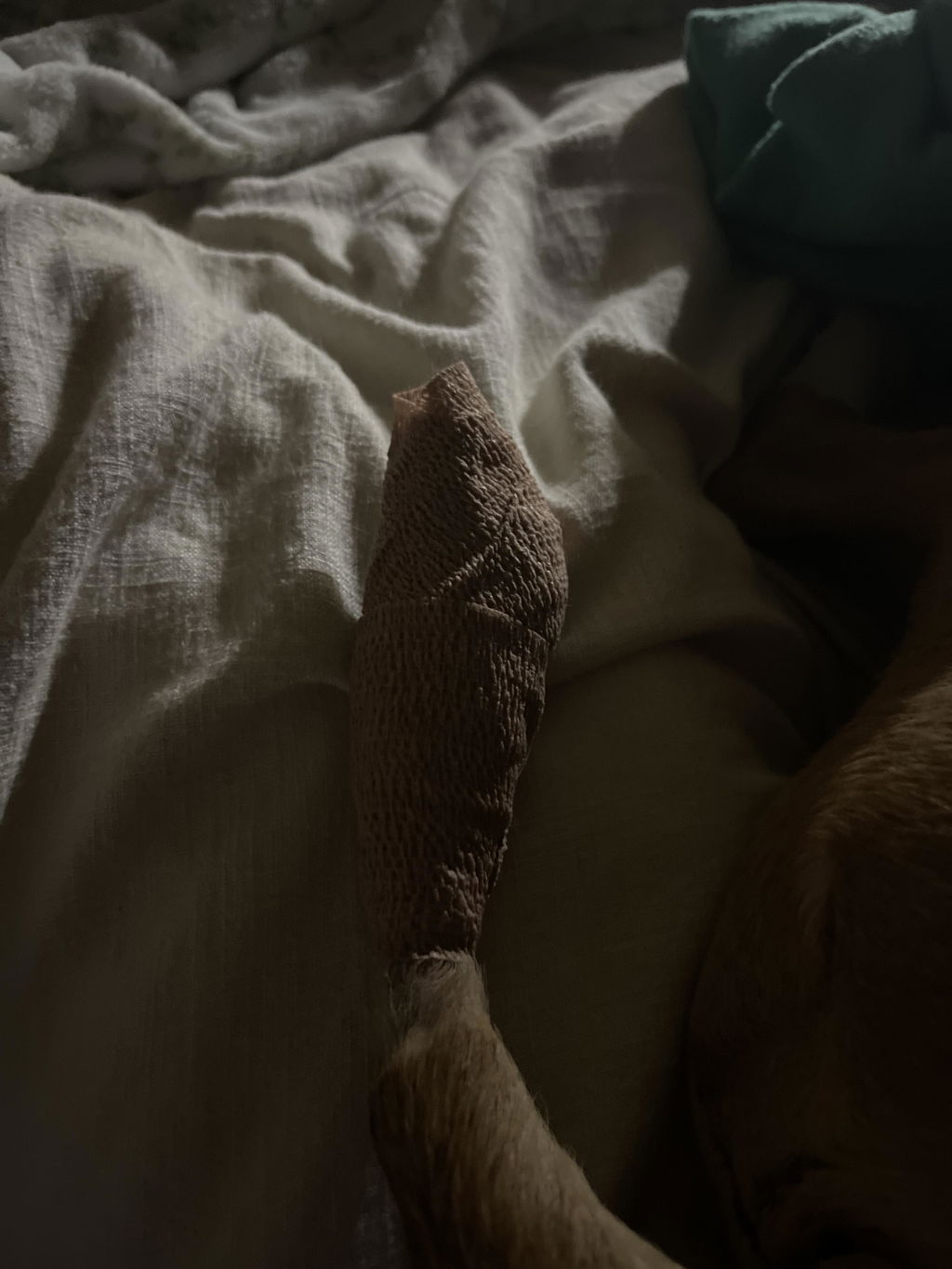
German Shepherd Tail Injury: Treatment, Happy Tail & Recovery
German Shepherd Tail Injury: Causes, Treatment & Preventing Chronic Wounds
German Shepherd tail injuries present a different challenge than Happy Tail in retrievers or Danes. While the same impact-and-reopen cycle occurs, German Shepherds add a behavioral layer: they are prone to tail-biting and self-directed stress behavior, meaning the wound is attacked from two directions — impact from the outside and chewing from the dog itself. Understanding both mechanisms is essential for successful treatment.
Causes of Tail Injuries in German Shepherds
Impact injuries (Happy Tail / Kennel Tail)
Like other large breeds, German Shepherds wag powerful tails against hard surfaces. In kennels and shelters, this is called "kennel tail" — the stress and excitement of confinement produces a frantic wag that repeatedly strikes crate bars. In home environments, door frames, corners, and furniture are the most common impact surfaces. The skin at the tail tip is thin and eventually cracks open, beginning the classic cycle of partial healing and re-injury.
Anxiety-driven tail chewing
German Shepherds are highly driven working dogs. In environments with insufficient mental and physical stimulation, compulsive tail-biting can develop as a stress behavior. Unlike impact injuries, anxiety-driven chewing produces wounds that appear at multiple points along the tail — not just the tip — and recur even in padded, soft environments. Both the chewing behavior and the wound must be managed simultaneously.
Hip dysplasia-referred pain
German Shepherds have a high prevalence of hip dysplasia. Chronic hip pain can produce referred discomfort that the dog localizes to the tail base and attempts to relieve through licking and biting. If a GSD is chewing at the tail base (rather than the tip), have hip radiographs taken before assuming the cause is behavioral.
Identifying the Wound Type
- Tail tip only, history of impact: Classic Happy Tail or kennel tail. Treat as impact injury with physical protection.
- Multiple wounds along the tail, random distribution: Likely anxiety-driven chewing. Protection alone is insufficient; address the behavioral root.
- Wound at tail base with hip/back sensitivity: Rule out orthopedic cause before beginning wound management.
- Single wound, post-surgical or post-grooming: Standard wound healing protocol with protective sleeve.
Treatment Protocol for German Shepherd Tail Injuries
For impact / Happy Tail wounds:
- Vet assessment: Confirm no bone exposure, fracture, or deep tissue involvement. Obtain antibiotic prescription if infection signs are present.
- Daily wound care: Saline rinse, non-stick Telfa pad dressing, then protective sleeve.
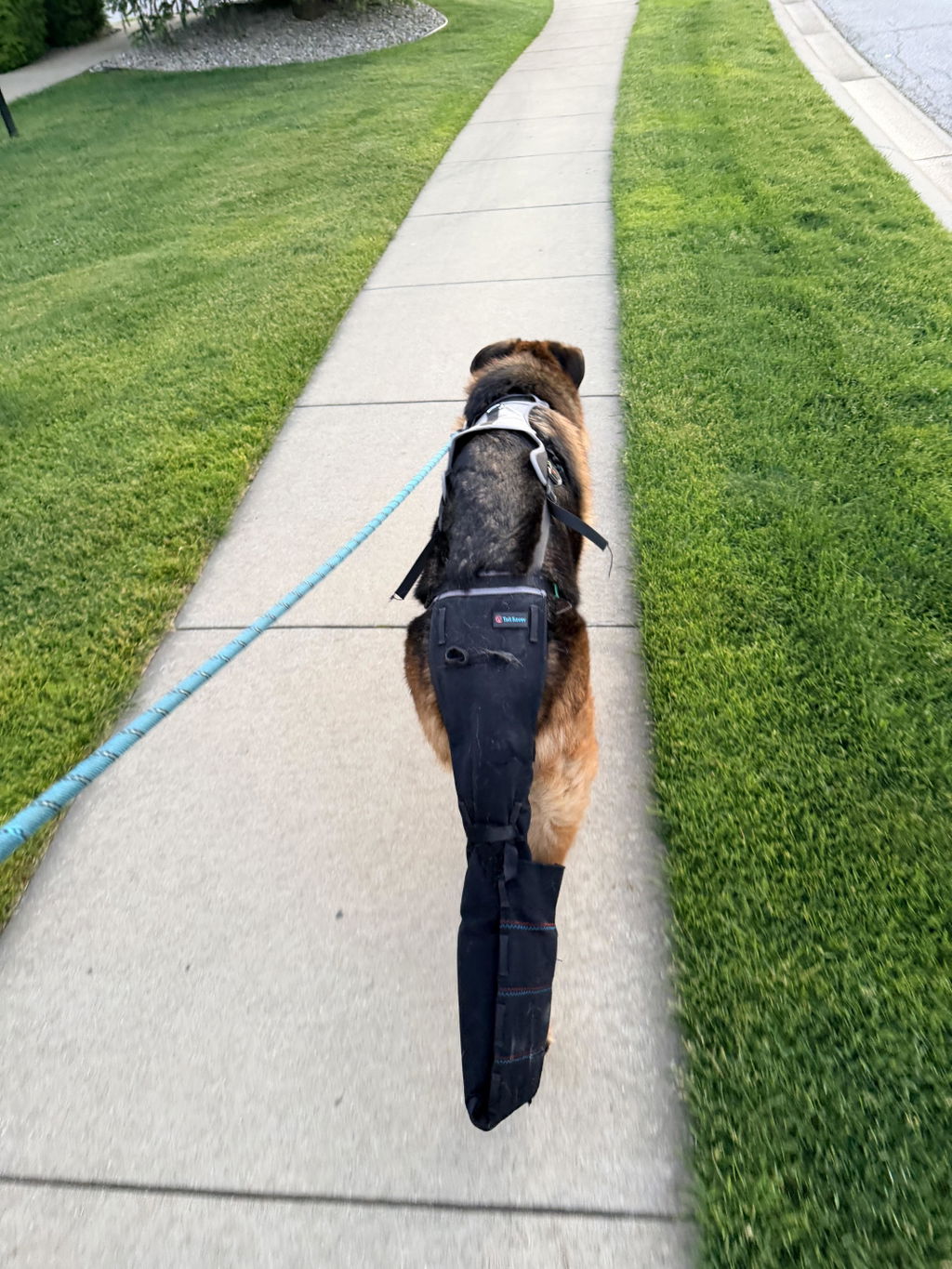
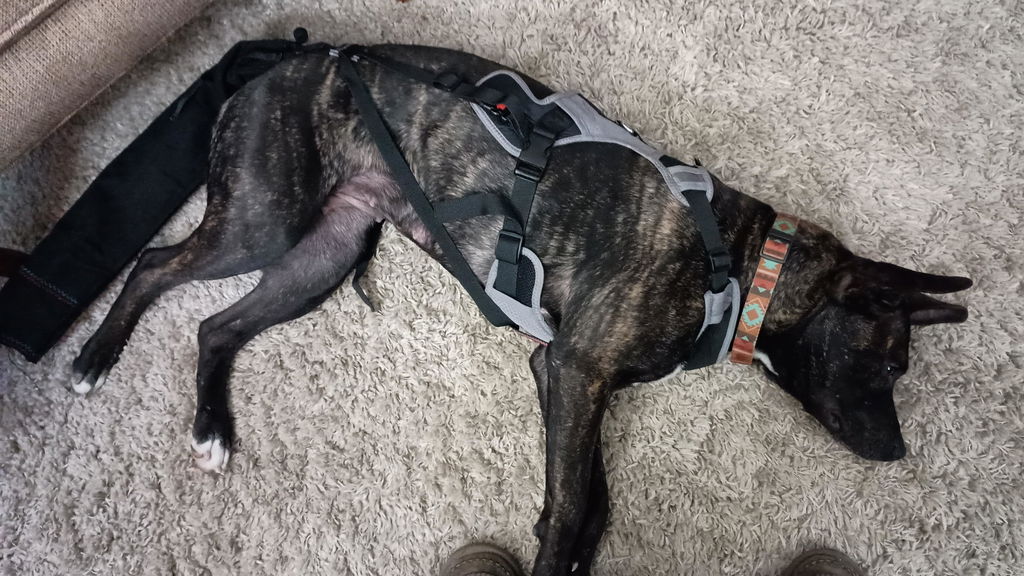
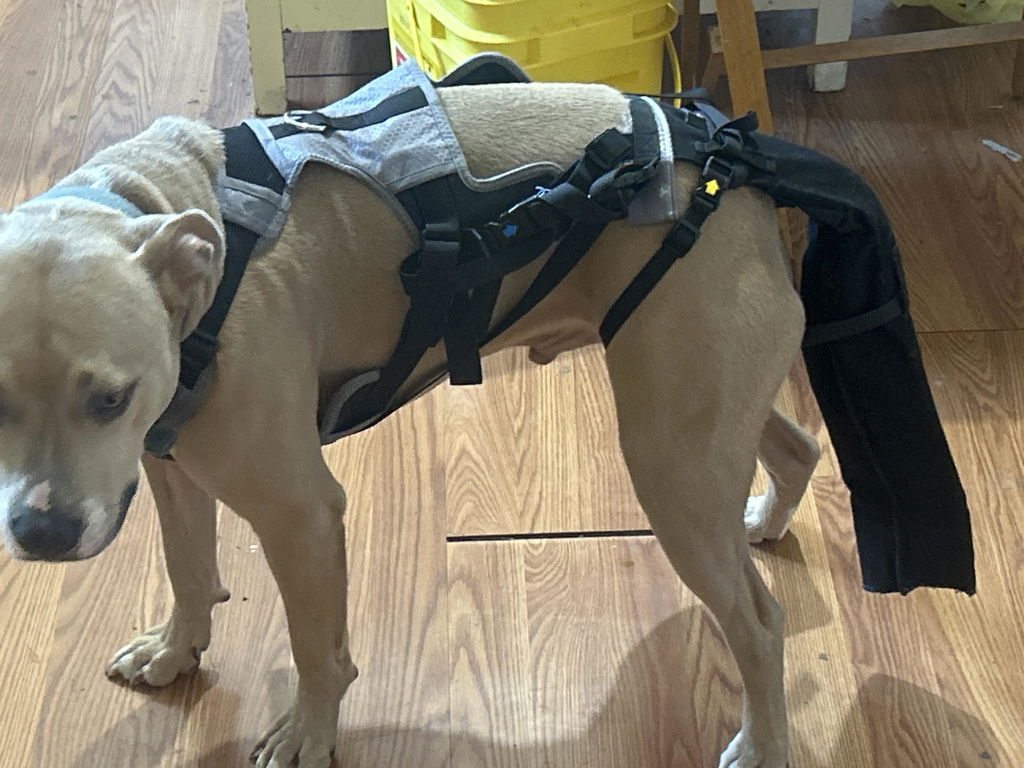
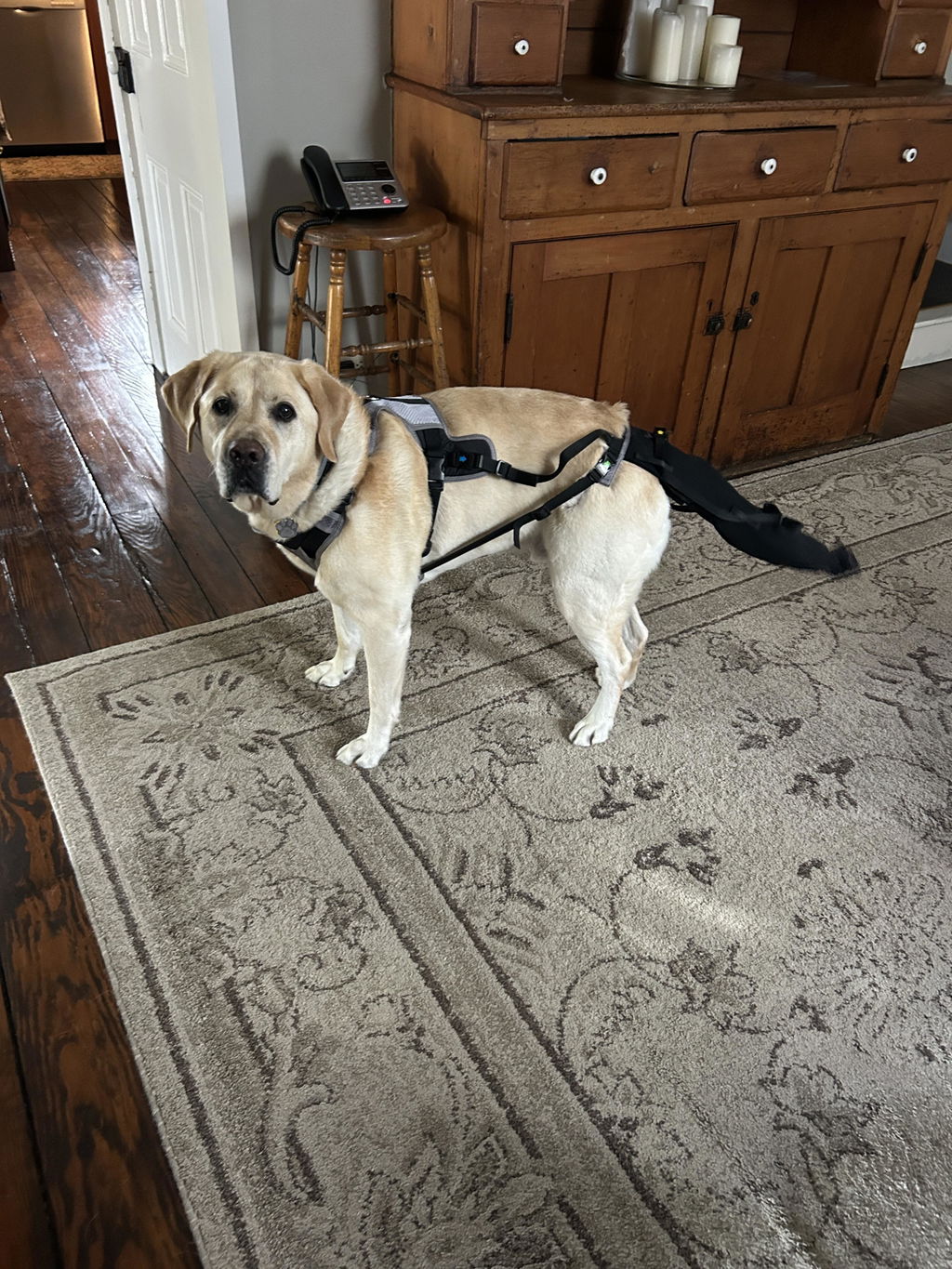
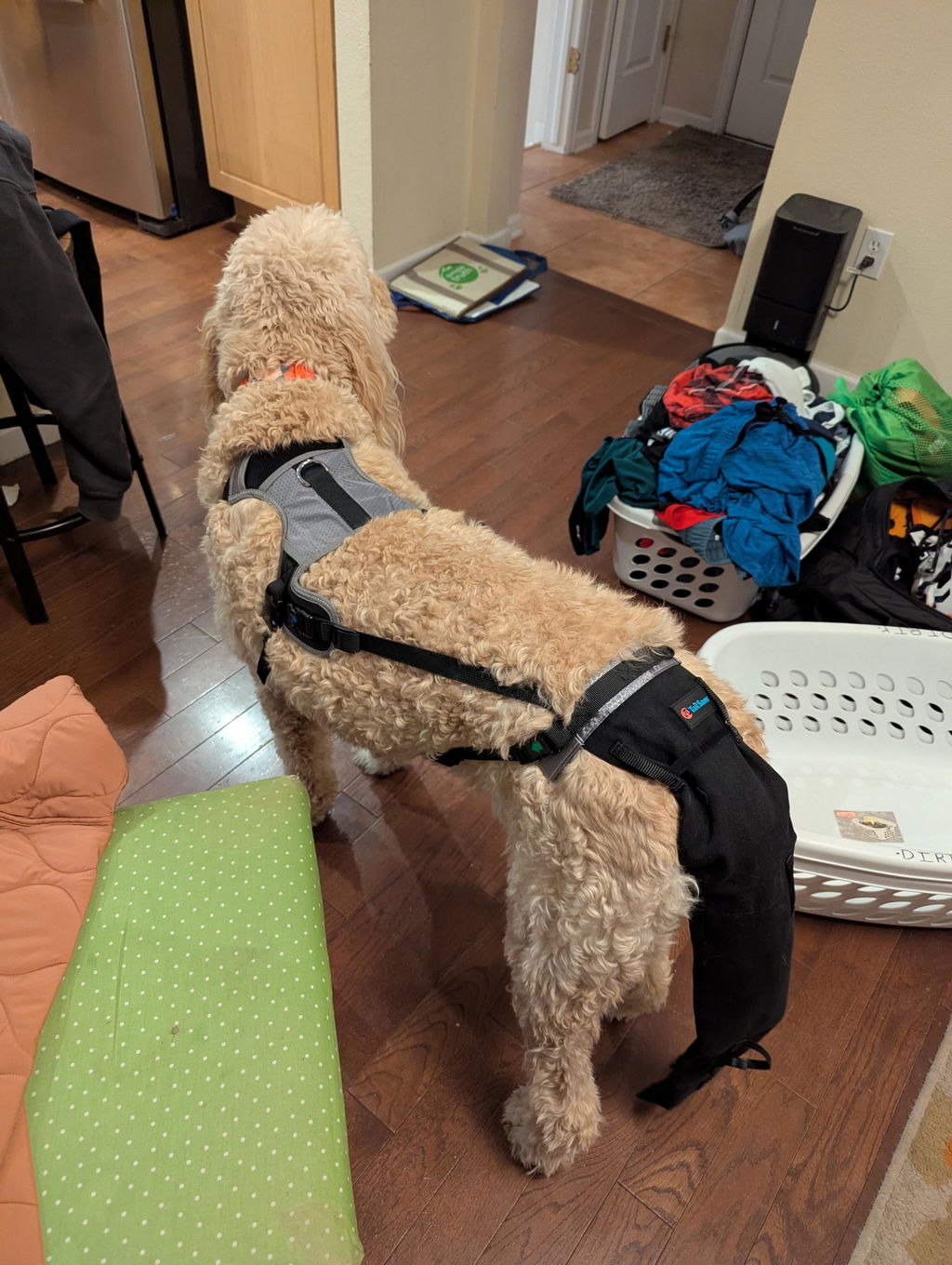
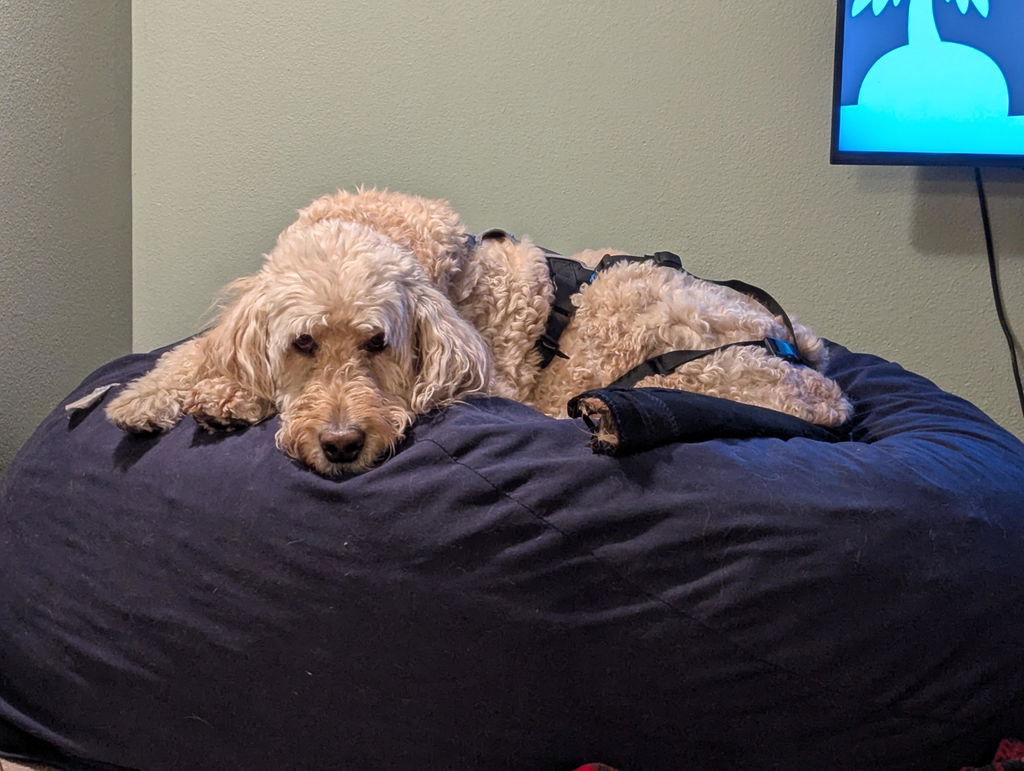
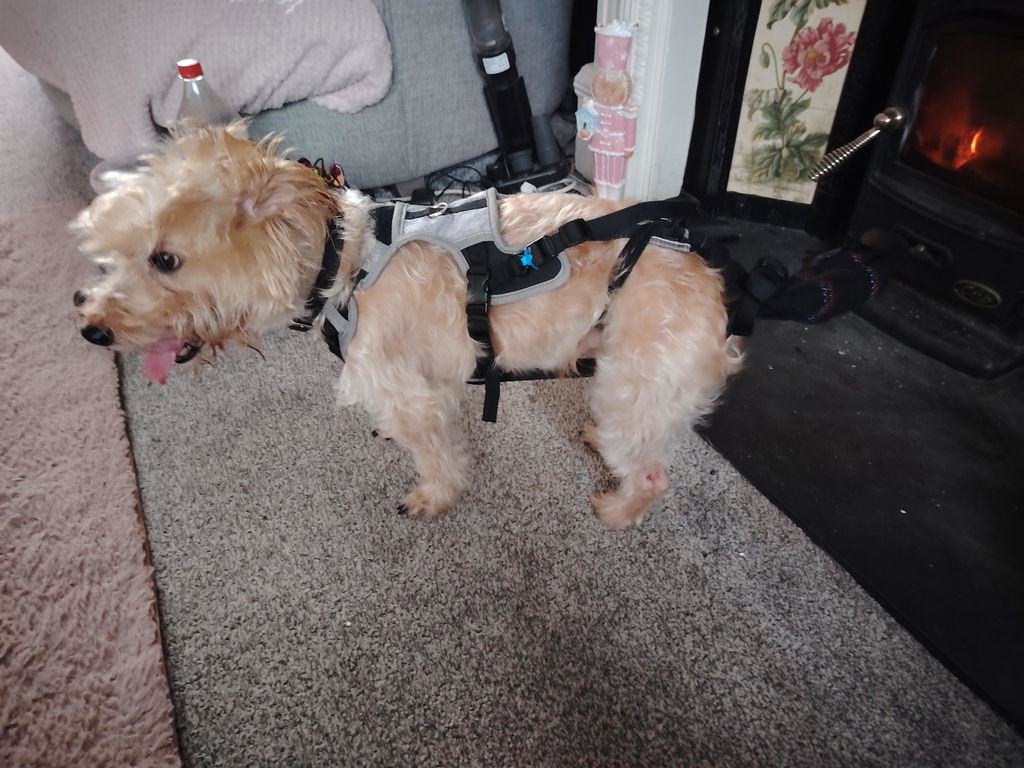
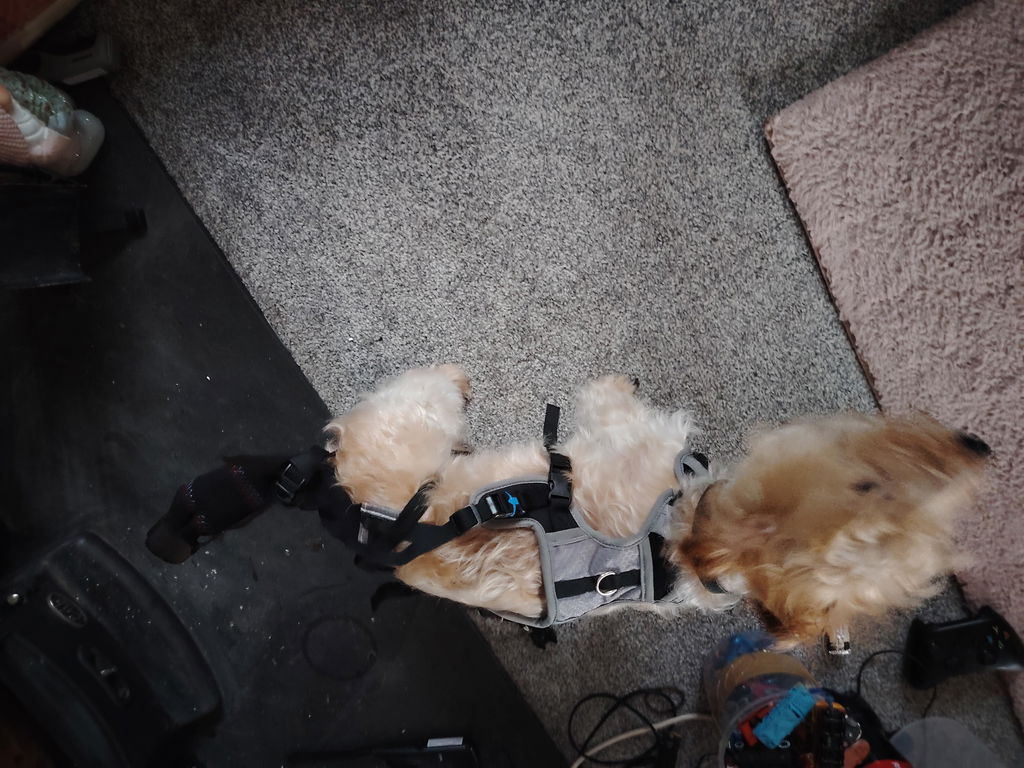
- 24/7 protection: The K9 TailSaver® anchors the sleeve via a body harness. German Shepherds typically accept the harness well given their working dog temperament — many take to it within a few hours.
- Environmental modification: Pad crate bars, corner edges, and door frames in primary living areas while the wound heals.
For anxiety-driven chewing wounds:
- Increase enrichment: Puzzle feeders, scent work, and structured exercise reduce displacement chewing significantly in German Shepherds.
- Physical protection: The K9 TailSaver prevents access to the wound while the behavioral root is addressed, allowing the wound to close even during the behavioral modification period.
- Consult a veterinary behaviorist for cases where compulsive tail-biting persists beyond 4 weeks of enrichment intervention.
German Shepherd-Specific Fit Considerations
German Shepherds range from 50–90+ lbs with significant variation in chest depth and back length between American and European bloodlines. Use the sizing guide to measure chest girth and back length rather than relying solely on weight. German Shepherd working lines tend to have deeper chests than show lines and may size up by one size compared to body weight alone.
Recovery Expectations
- Acute impact wound (less than 1 week old): 10–14 days with consistent protection
- Chronic wound (cycling for 2–6 weeks): 3–5 weeks from the point consistent protection begins
- Wounds with secondary infection: antibiotic course (typically 10–14 days) plus 3–6 weeks of wound healing after infection clears
- Anxiety-driven chewing wounds: Timeline depends on behavioral progress; physical healing can be maintained with K9 TailSaver throughout
German Shepherd Tail Injury FAQ
My German Shepherd's tail has been bleeding on and off for 3 weeks. Is amputation the only option?
Not necessarily. A 3-week cycling wound is chronic but still treatable with consistent
protection. Request a veterinary assessment to rule out bone involvement
or infection, then begin a 4–6 week trial with the K9 TailSaver before
considering surgical options. Many chronic GSD Happy Tail cases resolve with
this approach.
Will a German Shepherd try to chew through the K9 TailSaver?
GSDs are intelligent and may investigate the device the first day. The harness
anchor prevents them from accessing the padded sleeve tip directly. Most German
Shepherds stop attempting removal within 48–72 hours. See the
Chewing & Compliance FAQ
for step-by-step strategies if the behavior continues.
My GSD is a working or protection dog. Will the harness interfere with their work?
The K9 TailSaver harness is not designed as a working harness and should be removed
during active work sessions. Reapply immediately after. If your dog works 1–2 hours
per day, the remaining 22+ hours of protected recovery time is sufficient for healing.