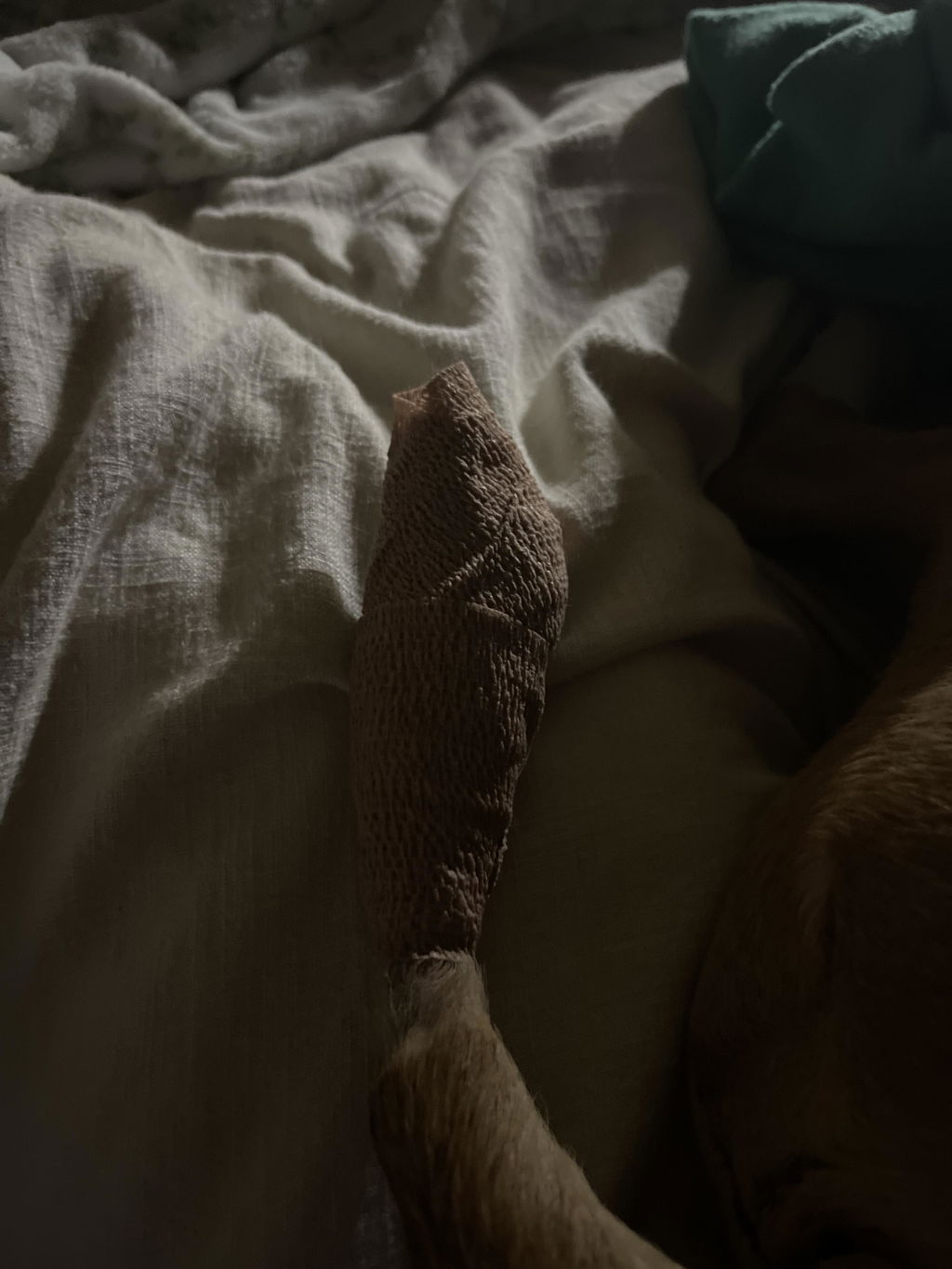
How to Prevent Dog Tail Injuries from Wall Impacts and Kennel Strike
How to Prevent Dog Tail Injuries from Wall Impacts, Kennel Strike & Happy Tail
Happy Tail Syndrome and kennel tail injuries are among the most preventable recurring injuries in large-breed dogs. Unlike many dog health issues, the cause is entirely mechanical — a tail striking a hard surface during a vigorous wag. Every element of that mechanism can be modified: the force of the wag through excitement management, the availability of impact surfaces through environmental modification, and the vulnerability of the tail tip through protective equipment. This guide covers the practical prevention steps that work for dogs at risk.
Which Dogs Are at Highest Risk?
Not all dogs have equal Happy Tail risk. The following factors compound to produce high-risk dogs:
Breed risk factors
- Large breeds with long tail: Great Danes, Labrador Retrievers, German Shepherds, Greyhounds, Irish Setters, Weimaraners, Boxers, and similar breeds
- High-energy, high-enthusiasm temperament: Dogs bred for active work who wag at high frequency and intensity
- Thin tail tip skin: Greyhounds, Whippets, and other sighthounds are highest risk per impact event
Environmental risk factors
- Standard rooms with plaster, drywall, or tile walls at dog tail height
- Wire crates or metal kennels with bar spacing that allows tail contact
- Narrow hallways and staircases that the dog's tail arc cannot clear
- Door frames at dog tail height with sharp edges
Behavioral risk factors
- Dogs that become very excited during arrivals, greetings, or feeding
- Multi-dog households with frequent excitement and play
- Dogs in boarding, daycare, or shelter environments with cement walls and metal kennels
Environmental Modification: Room by Room
Living areas
- Pad wall corners: PVC foam pipe lagging (available at hardware stores) cut to length and applied to corner edges at dog tail height costs under $10 and dramatically reduces impact force.
- Move sharp-edged furniture: Coffee table corners, entertainment center edges, and cabinet handles at tail height become impact surfaces during excitement. Create clear tail-arc paths in primary resting areas.
- Soft wall surfaces: In extreme repeat-injury cases, foam exercise mats or padded wall panels (sold for gym/play room use) can be deployed on primary impact walls.
Crate and kennel areas
- Replace wire crates with exercise pens: X-pens have no rigid bars at tail height. The panels deflect on impact rather than concentrating force on the tail tip. This is one of the highest-impact prevention changes available and is strongly recommended for any large-breed dog with Happy Tail history.
- Pad crate bars: If a wire crate must be used, apply pipe foam insulation to the bars at dog tail height. Secure with zip ties.
- Use plastic-panel crates: Airline-style plastic crates lack internal bars. The smooth interior wall deflects rather than concentrates impact.
Outdoor and boarding environments
- Notify boarders and daycare facilities about your dog's Happy Tail risk and request kennel type accommodations.
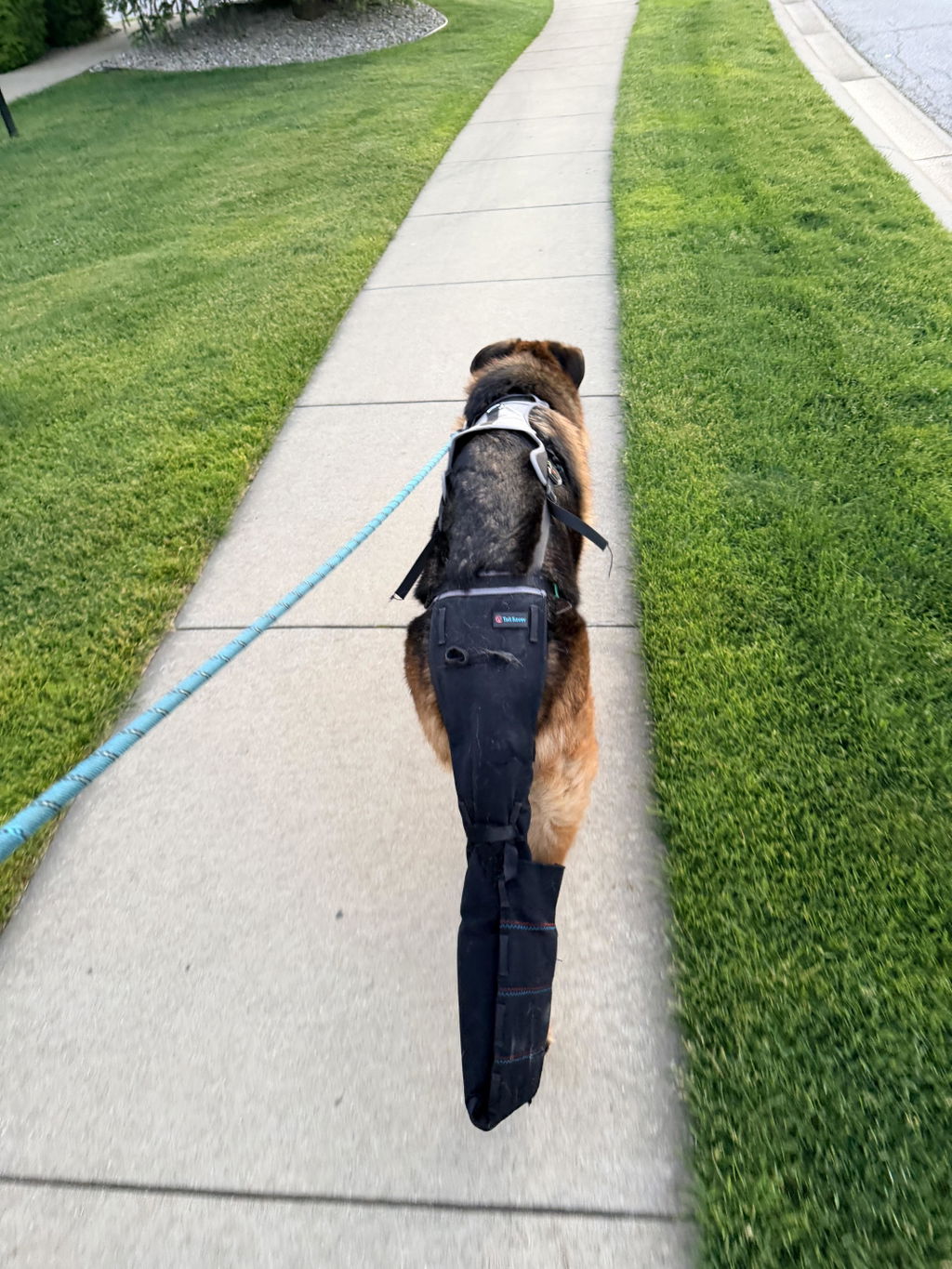
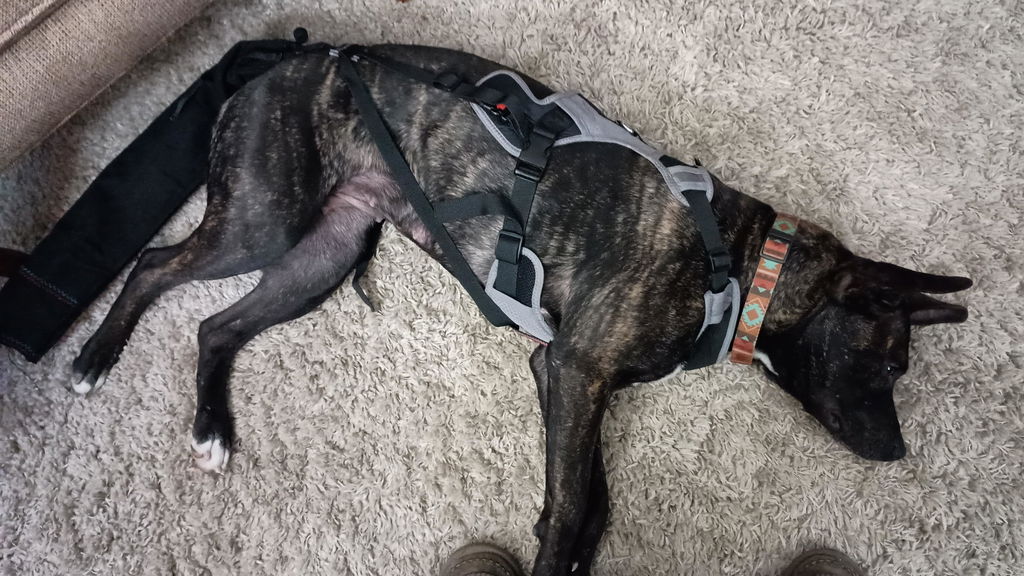
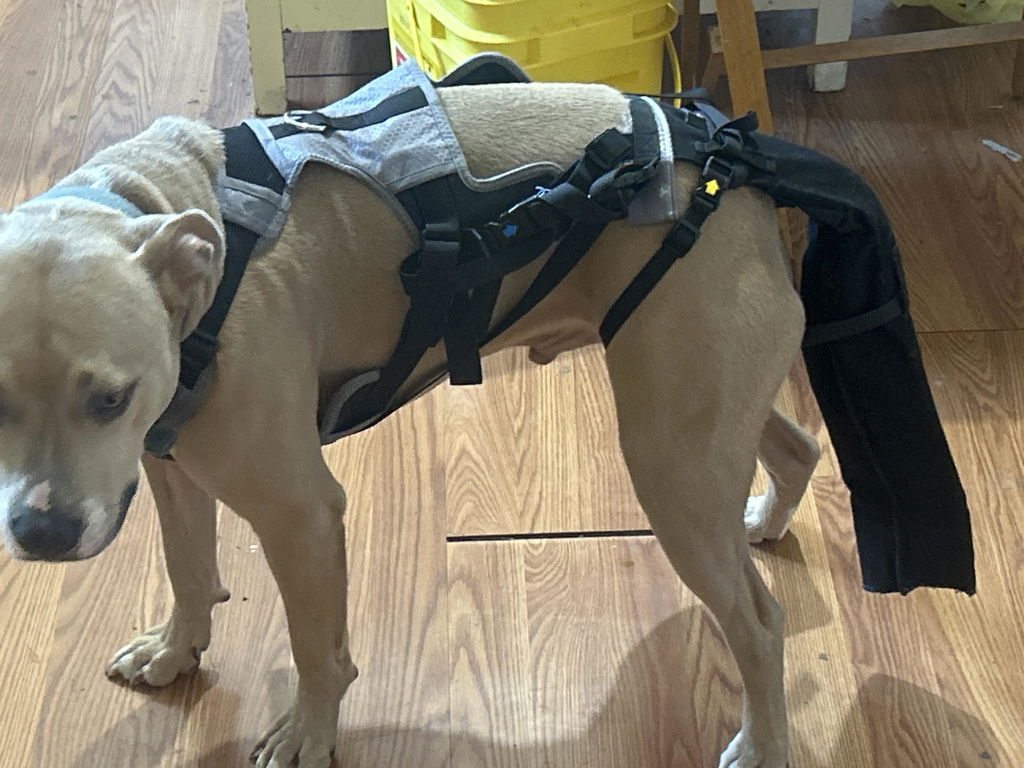
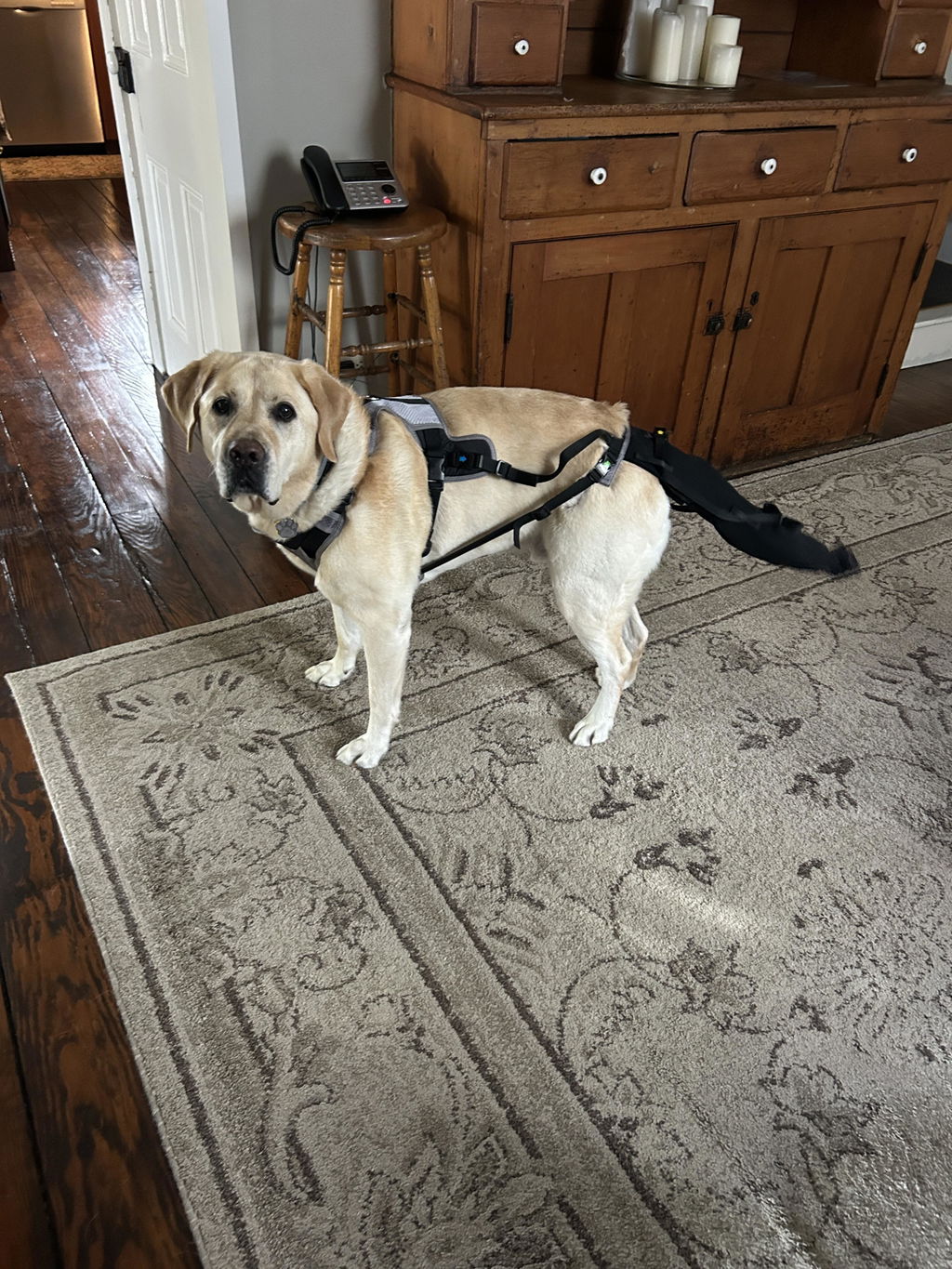
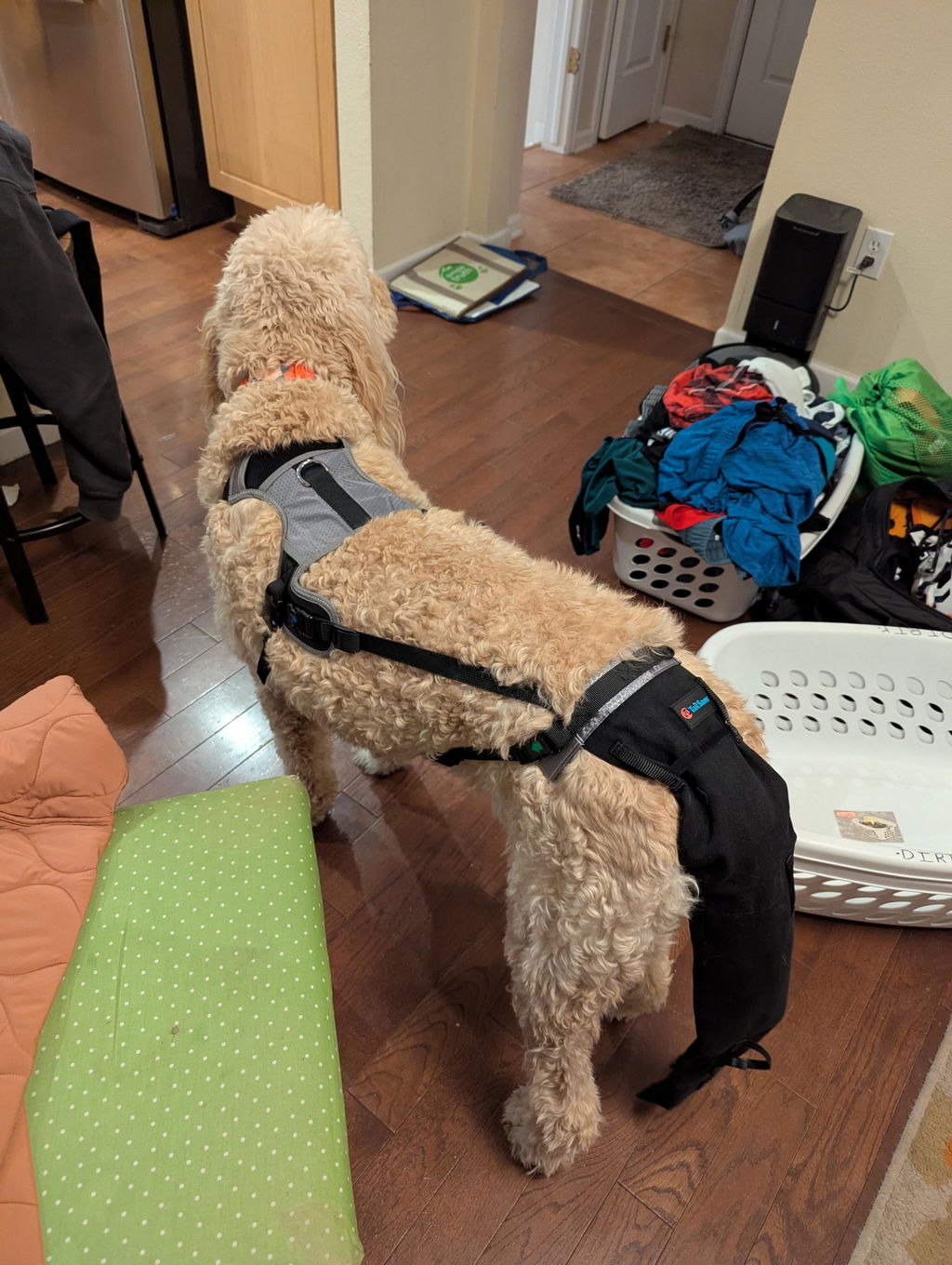
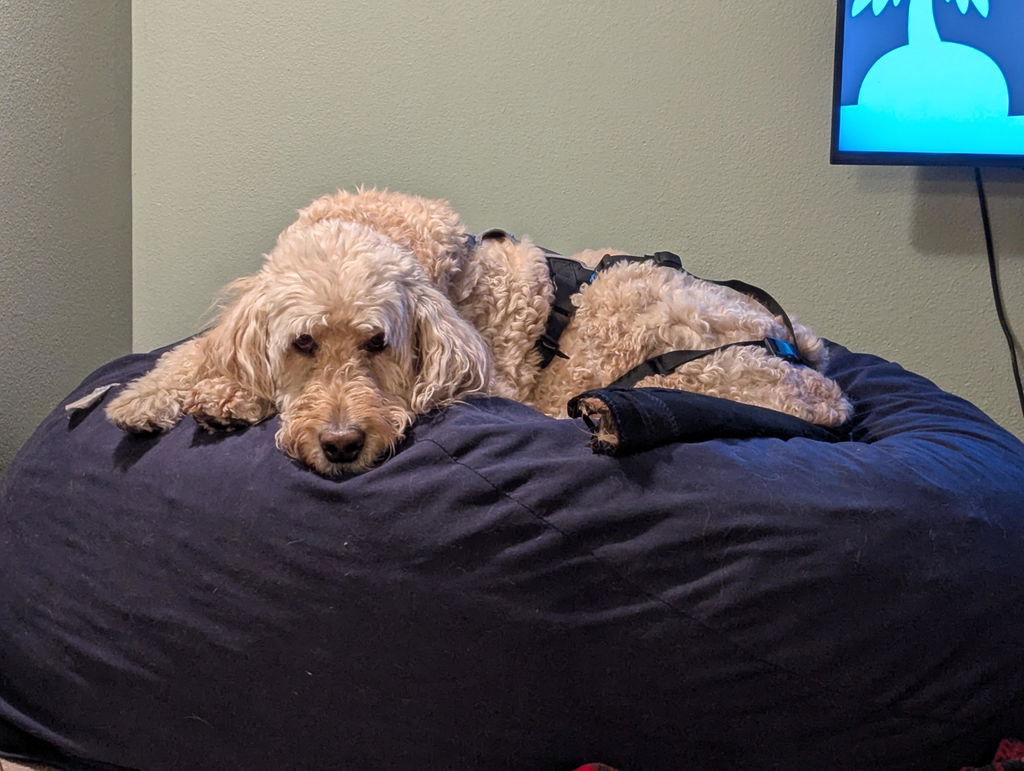
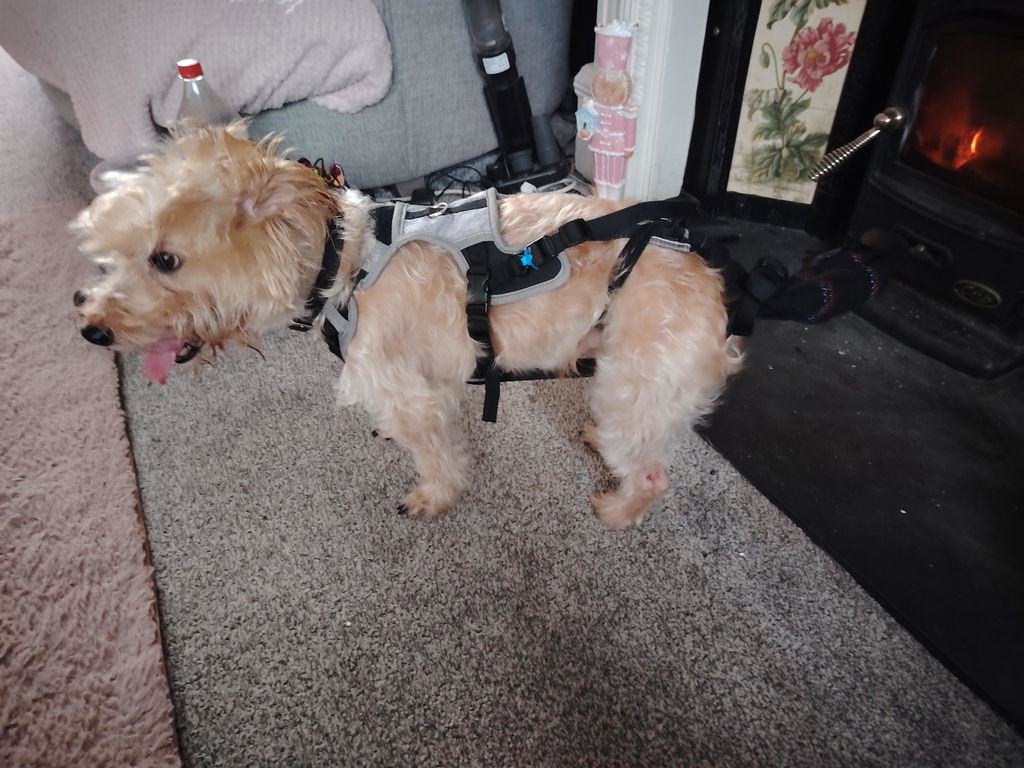
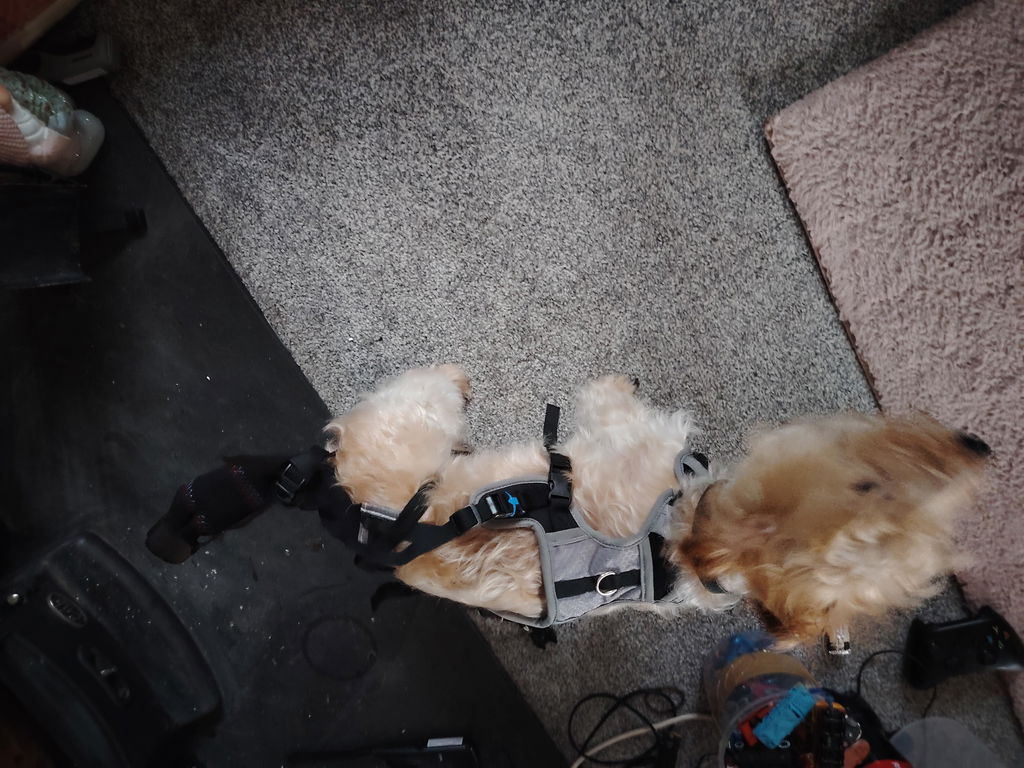
- Use a tail protective sleeve during kennel stays for dogs with history of Happy Tail. The K9 TailSaver® can be worn preventatively — not just during active wound management.
Behavioral Prevention: Managing High-Risk Moments
Greeting routines
Arrivals home produce the highest intensity wagging in most dogs. Train family members and visitors to greet calmly: turn sideways, make no direct eye contact, wait for the dog to settle before engaging. This reduces peak-excitement wagging during the highest-risk transition period.
Feeding time
Many dogs wag vigorously while waiting for food. Move feeding to a wide-open space with no walls within a dog's full tail arc during this routine.
Play management
Organized play in clear, padded spaces reduces impact opportunities during excited movement. Avoid play sessions in narrow hallways or rooms where tail wall contact is frequent.
Protective Equipment for Prevention
For dogs with a history of Happy Tail or those that are considered very high risk, a tail sleeve worn during peak-risk periods (arrivals, play, boarding) provides an additional layer of protection beyond environmental modification.
The K9 TailSaver® is not only a treatment device — it can be used preventatively during high-risk windows. The padded sleeve absorbs and distributes impact force, protecting the tail tip skin from the concentrated strike energy that causes Happy Tail wounds to open.
After a First Happy Tail Event: Preventing Recurrence
Once a dog has experienced Happy Tail, the risk of a second event is significantly elevated. The tail tip scar tissue is less durable than original skin, the dog's environment and behavior haven't changed, and the now-familiar pattern will recur under similar conditions.
After the wound has fully healed from the first event, implement the environmental modifications above and consider:
- Keeping a K9 TailSaver on standby for rapid deployment at the first sign of a new wound
- Using the protective sleeve during high-risk boarding or daycare periods
- Discussing with your vet whether surgical tail shortening is appropriate if the dog has had 3+ severe events
Prevention FAQ
Can I wrap my dog's tail preventively before an impact happens?
Standard bandage wraps applied preventively will be removed by the dog or will
fall off within hours regardless of the dog's tail injury history. If you want
preventive tail protection, the K9 TailSaver is the only device designed to
remain in place through vigorous activity without relying on adhesives.
My dog has Happy Tail every winter. Why is it seasonal?
Winter often brings more indoor confinement, more excitement from holiday visitors,
and reduced outdoor exercise. All of these factors increase wag intensity and
indoor impact frequency. Environmental padding and greeting management before
winter arrives is the most effective seasonal prevention strategy.
How do I know if my dog is at high risk before the first injury?
Observe tail contact during a normal excited greeting: does the tail make audible
contact with walls or furniture? If so, your dog is actively generating Happy Tail
impact events — the injury is a question of when, not if. Start environmental
modification now.