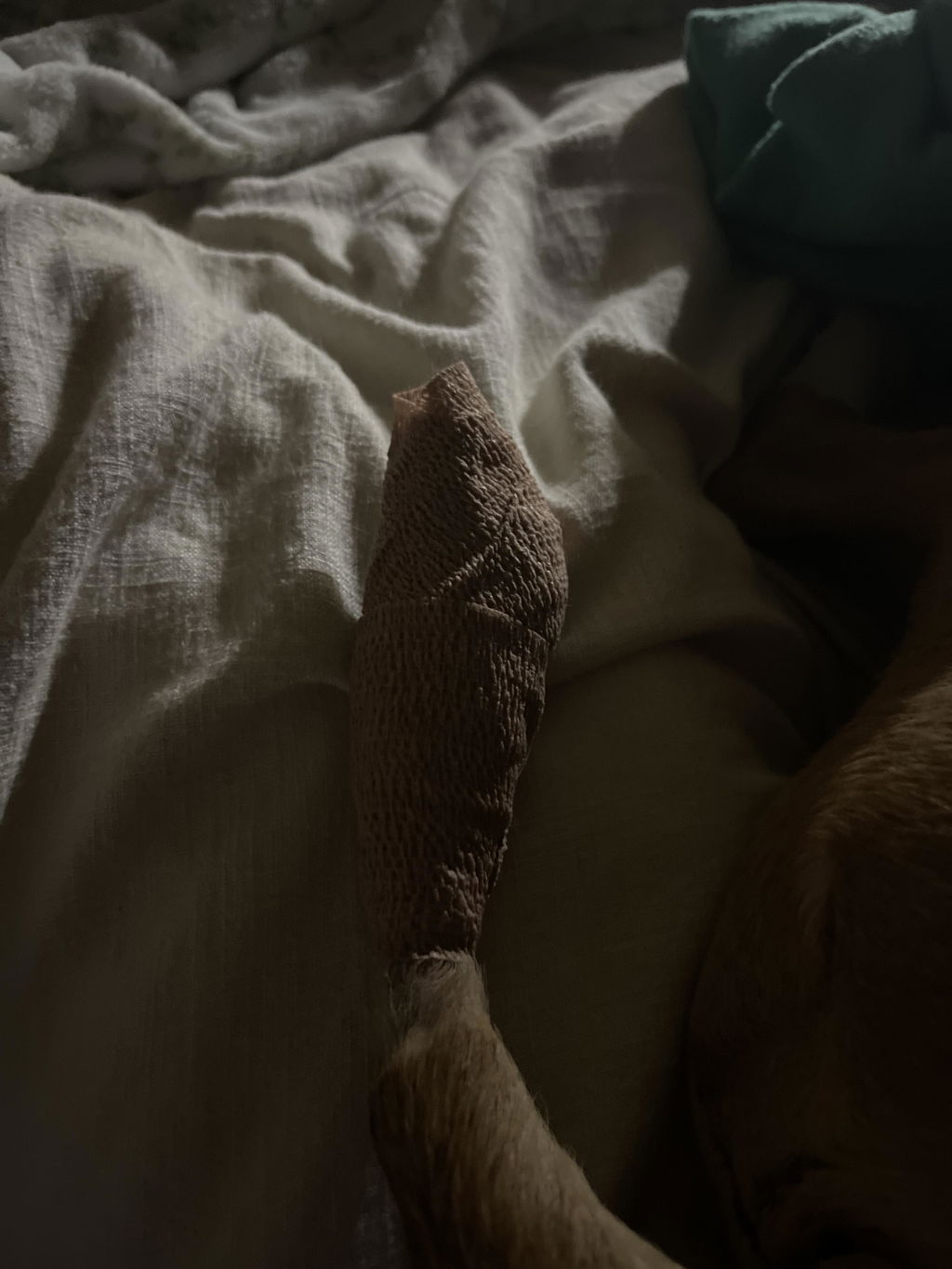
Lick Guard for Dogs: What It Is, How It Works, and When You Need One
If you've spent any time watching a dog nurse a wound, you know the paradox: the more they lick, the longer it takes to heal. Licking introduces bacteria, removes protective scabs and tissue, and can reopen wounds that had begun to close. A lick guard is any device that creates a physical barrier between the dog's mouth and the wound. This guide explains how they work, the different types available, and when the K9 TailSaver® system is the most effective option for tail injuries specifically.
Why Dogs Lick Their Wounds
Licking is instinctual. Saliva has mild antibacterial properties, and the physical action of licking provides sensory relief from itching and pain. The problem is that these benefits are vastly outweighed by the mechanical damage and contamination licking inflicts on healing tissue. Repeated licking can turn a minor wound into a chronic, infected injury within days.
Types of Lick Guards
| Type | Best For | Limitation |
|---|---|---|
| E-collar (cone) | Head, neck, body wounds | Cannot reach tail tip; dog can still access tail base |
| Soft cone / recovery collar | Face and paw scratching | Too flexible for determined lickers |
| Recovery suit / onesie | Torso wounds, post-surgical | Tail tip remains exposed; overheating risk |
| Bitter spray | Minor deterrence | Washes off; many dogs habituate quickly |
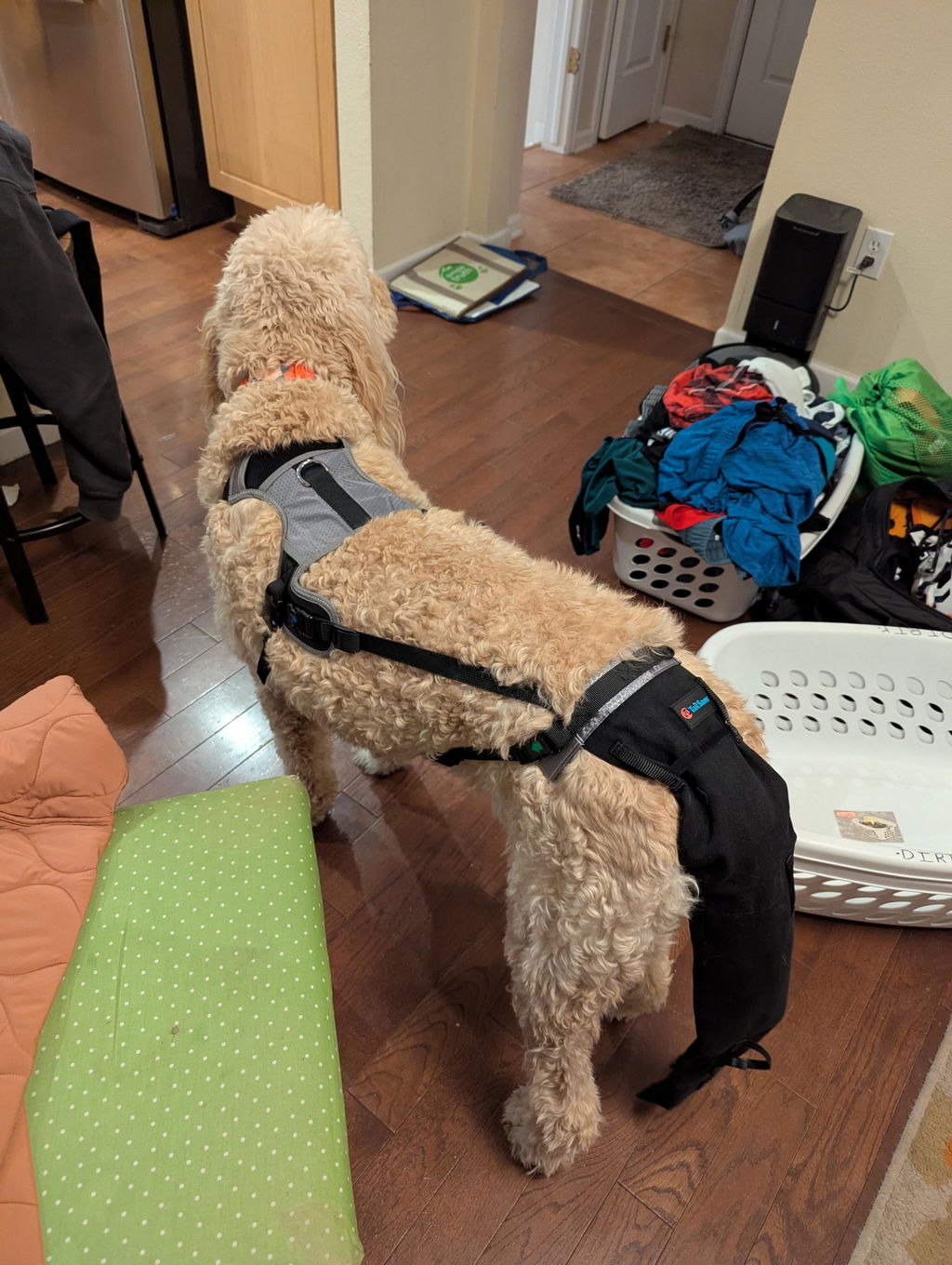
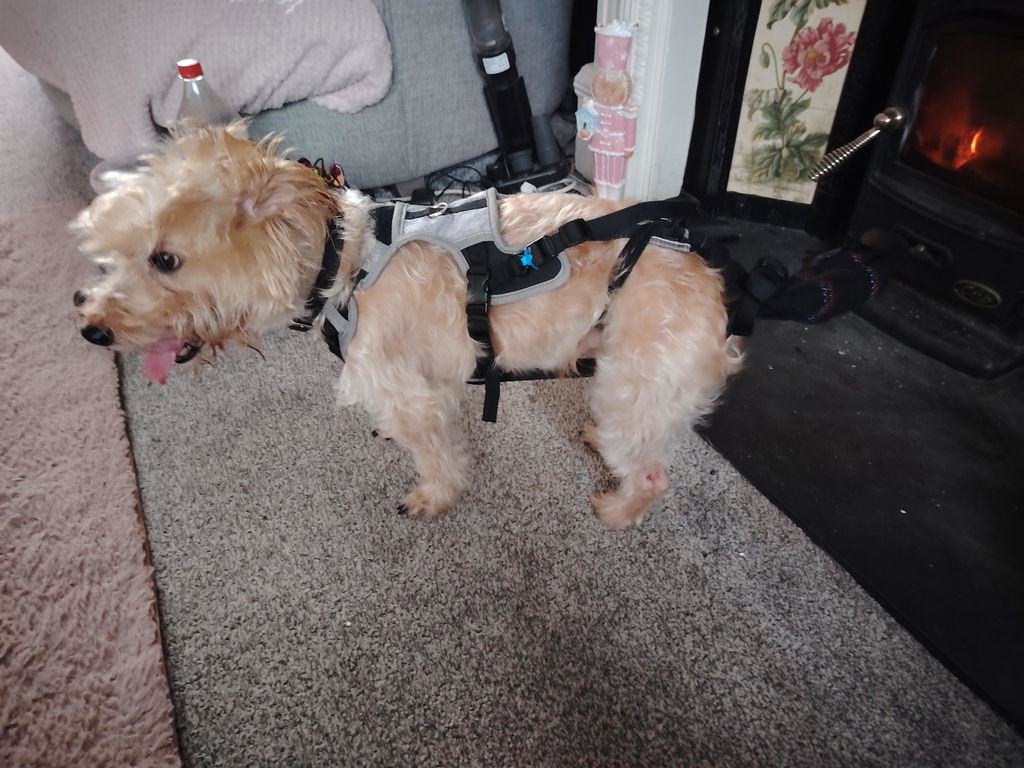
| K9 TailSaver® sleeve + harness | Tail tip wounds, Happy Tail, kennel tail | Tail-specific — not designed for body wounds |
Why Standard Lick Guards Fail on Tail Wounds
The fundamental problem with cones and collars as tail lick guards is geometry. A dog can rotate at the hips and spine far enough to loop back and reach the tail — especially breeds with naturally flexible spines like Labrador Retrievers, German Shepherds, and Greyhounds. Cones block access to the flank and back but rarely prevent a determined dog from reaching the tail tip.
Bitter deterrent sprays applied to a wound site wash off with saliva within minutes, and most dogs simply persist through the taste after repeated exposure.
The Tail-Specific Lick Guard Solution
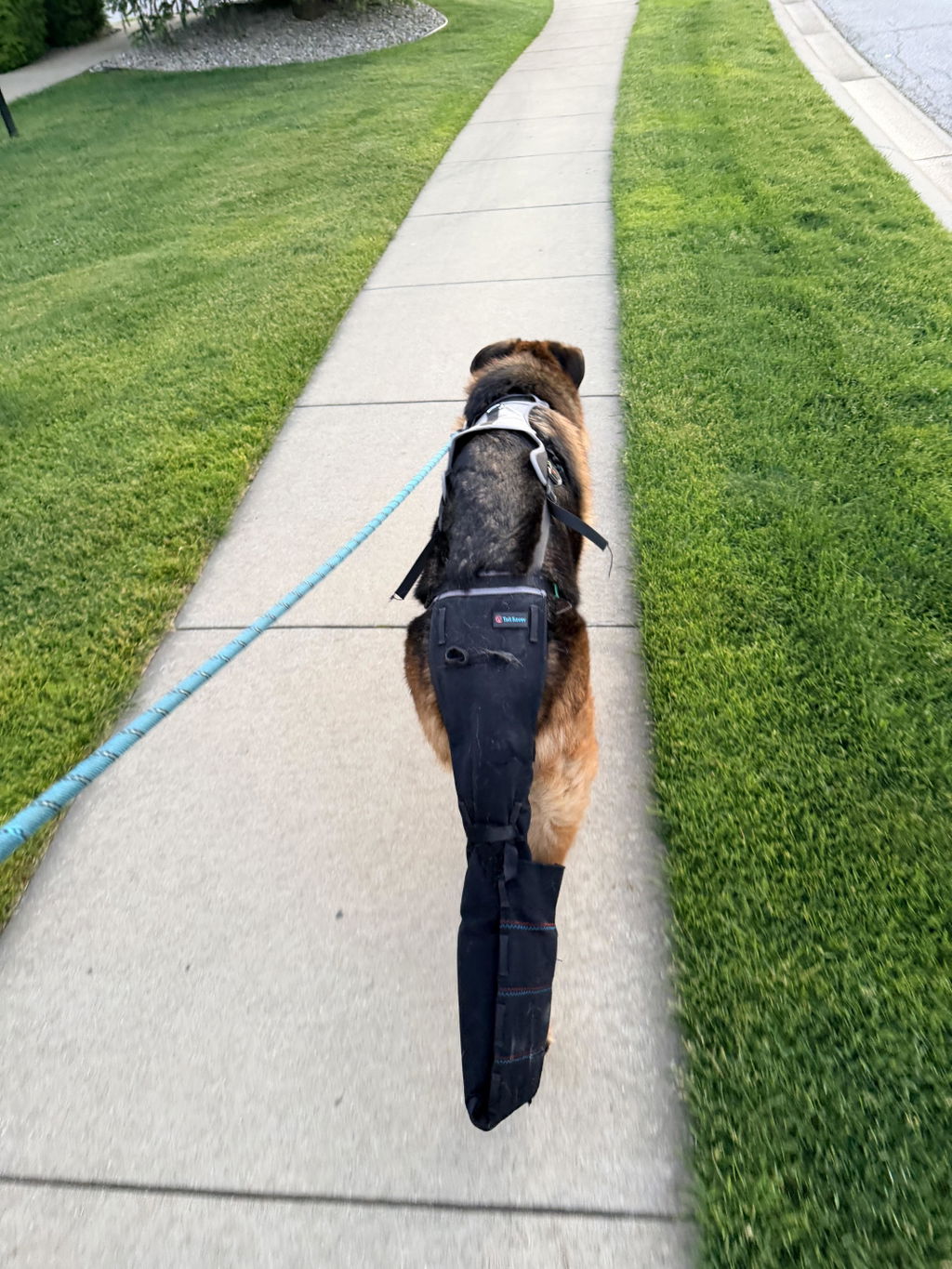
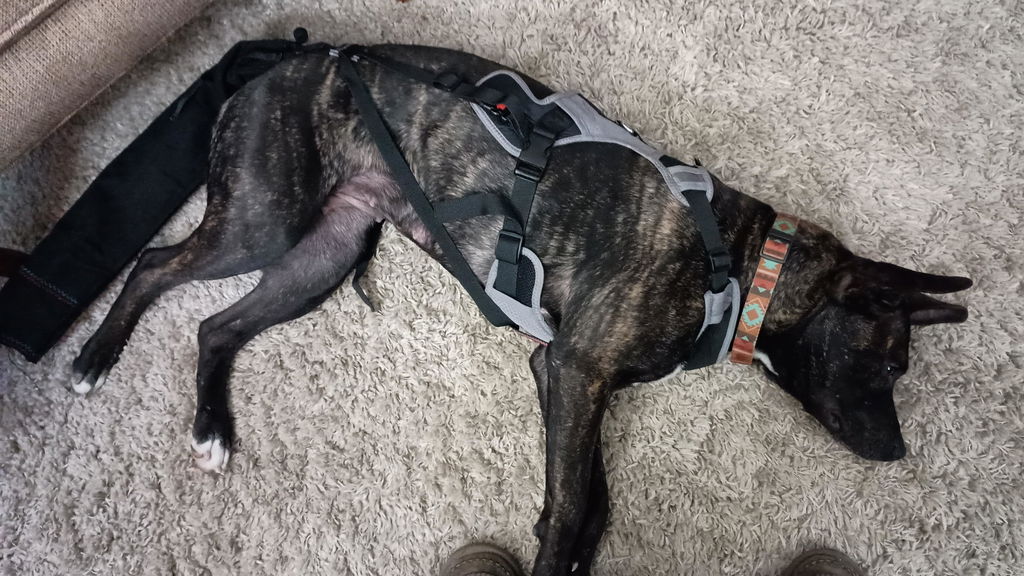
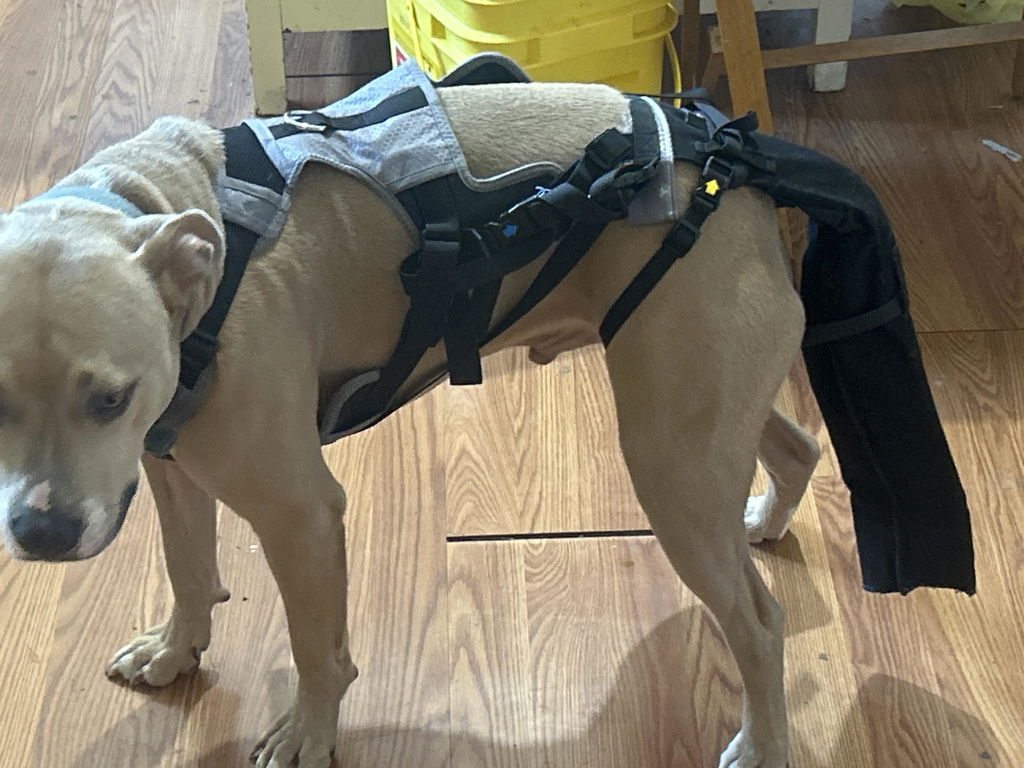
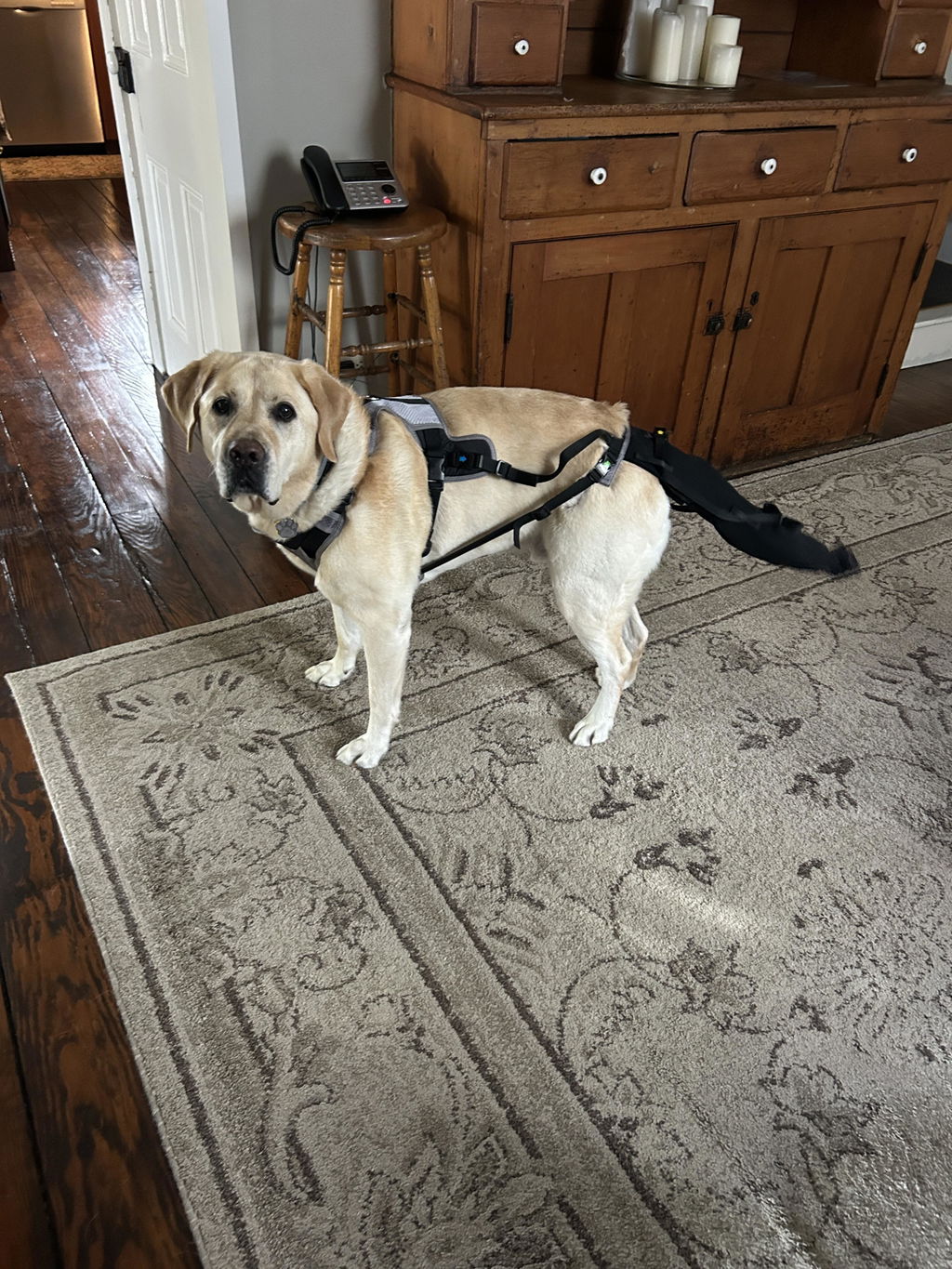
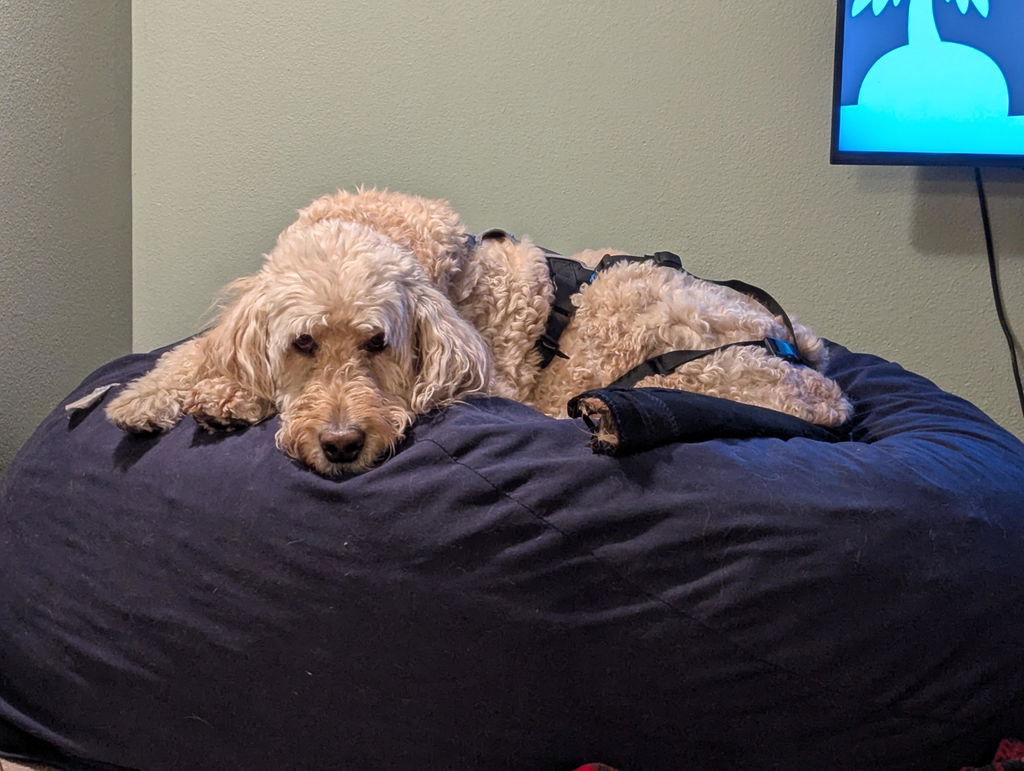
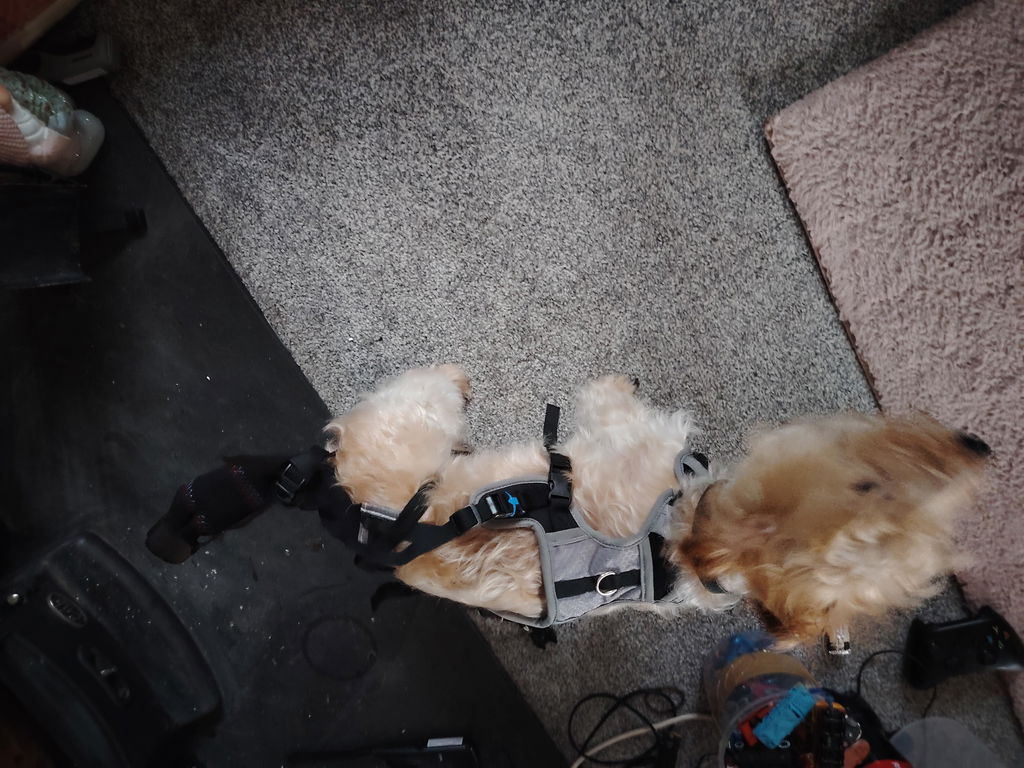
The K9 TailSaver® works by physically enclosing the tail tip in a padded canvas sleeve that the dog cannot access because it is anchored to a body harness. The harness prevents the sleeve from shifting into a position the dog can reach or pull off. This makes it the most effective lick guard solution for any injury at or near the tail tip.
Because the sleeve allows airflow, a light dressing can be placed directly under it — letting the wound breathe while remaining moisture-controlled and protected from the dog's mouth simultaneously.
When Is a Lick Guard Necessary?
- Any open wound the dog is repeatedly licking — within 48 hours, licking can turn a healing wound into an infected one
- Post-surgical incisions on the tail following cyst or tumor removal
- Happy Tail Syndrome — the tail wound opens and closes daily without protection
- Kennel tail — confined dogs often lick abrasion wounds on the tail tip obsessively
- Allergic skin conditions — flea bite or environmental allergy sores near the tail base that the dog licks raw
How Long Does a Dog Need to Wear a Lick Guard?
Keep the lick guard in place until the wound is fully epithelialized — meaning new skin has grown over the entire wound surface and there is no longer any raw tissue visible. For most minor tail wounds this takes 7–14 days. For deep or chronic wounds, 3–6 weeks is common. Removing it too early is the most common cause of setbacks.
Tips for Getting Your Dog to Accept a Lick Guard
- Introduce it gradually. Let your dog sniff and investigate the device before putting it on for the first time.
- Use positive reinforcement. Give high-value treats immediately after putting the guard on — the dog should associate wearing it with a reward.
- Ensure correct fit. Most resistance and chewing of lick guard devices is caused by discomfort from an incorrect fit, not behavioral issues. See the sizing guide.
- Limit unsupervised access at first. For the first 24–48 hours, supervise your dog to catch and redirect any attempt to remove the device.