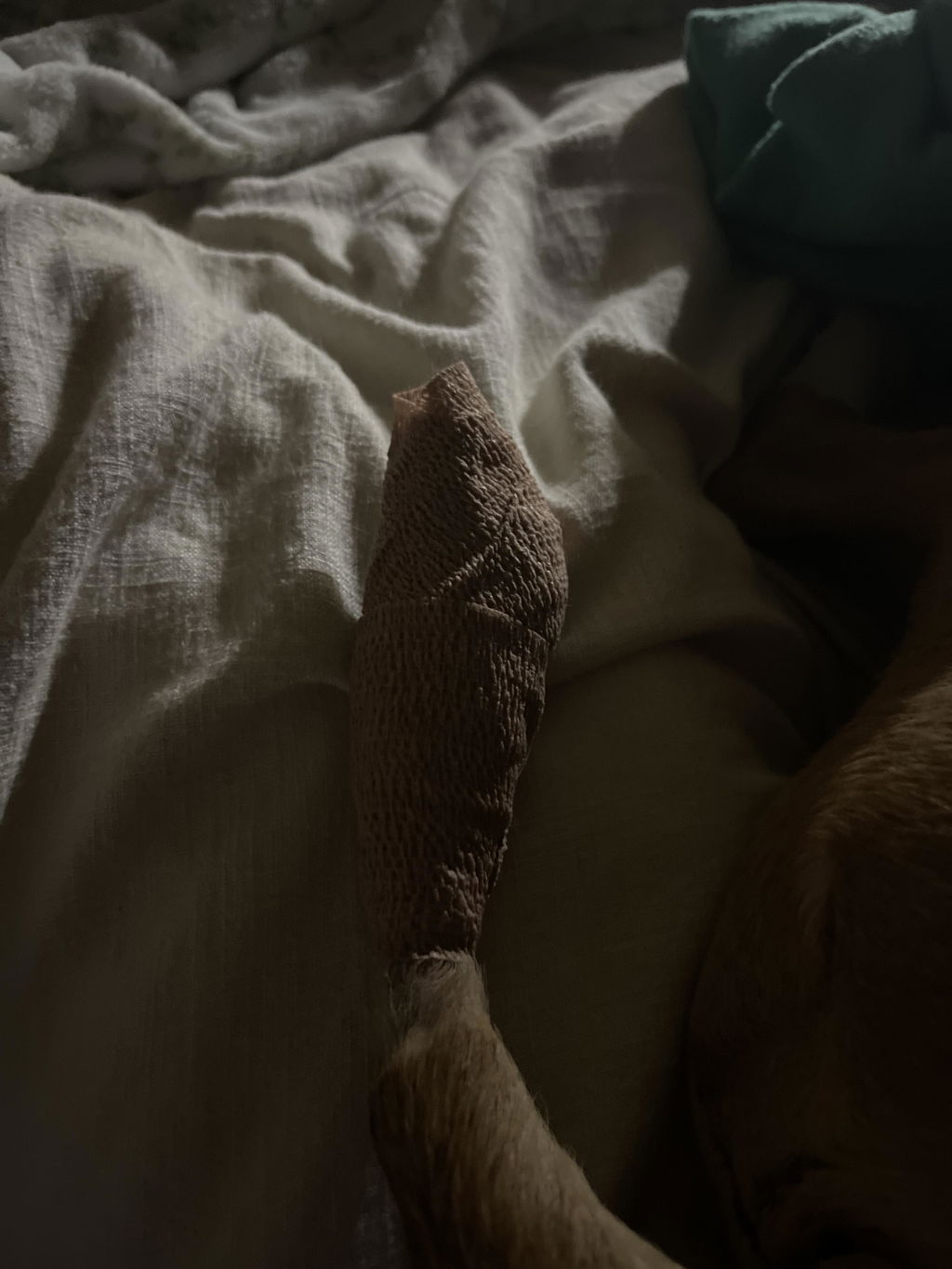
Why Does My Dog Bite His Own Tail and How Do I Prevent It?
Dogs bite or chase their tails for many different reasons. Some dogs are dealing with itching, allergies, boredom, or stress. Others may have pain, anxiety, or an injury that keeps bothering them. If you are searching for how to prevent dog from biting tail behavior, the most important step is finding the real cause behind it. Tail biting is not always harmless. Repeated chewing can lead to bleeding, infections, swelling, and long-term tail damage.
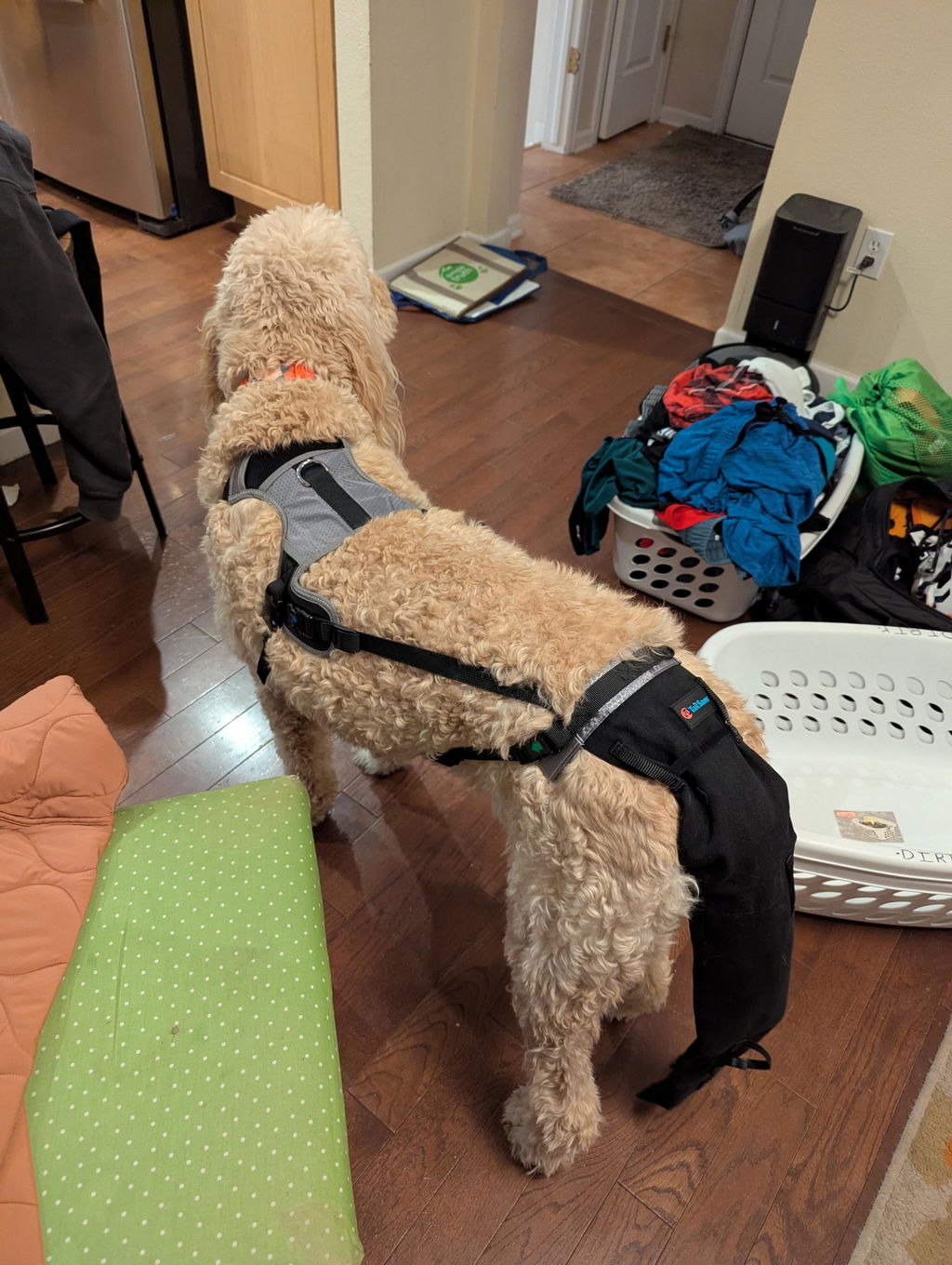
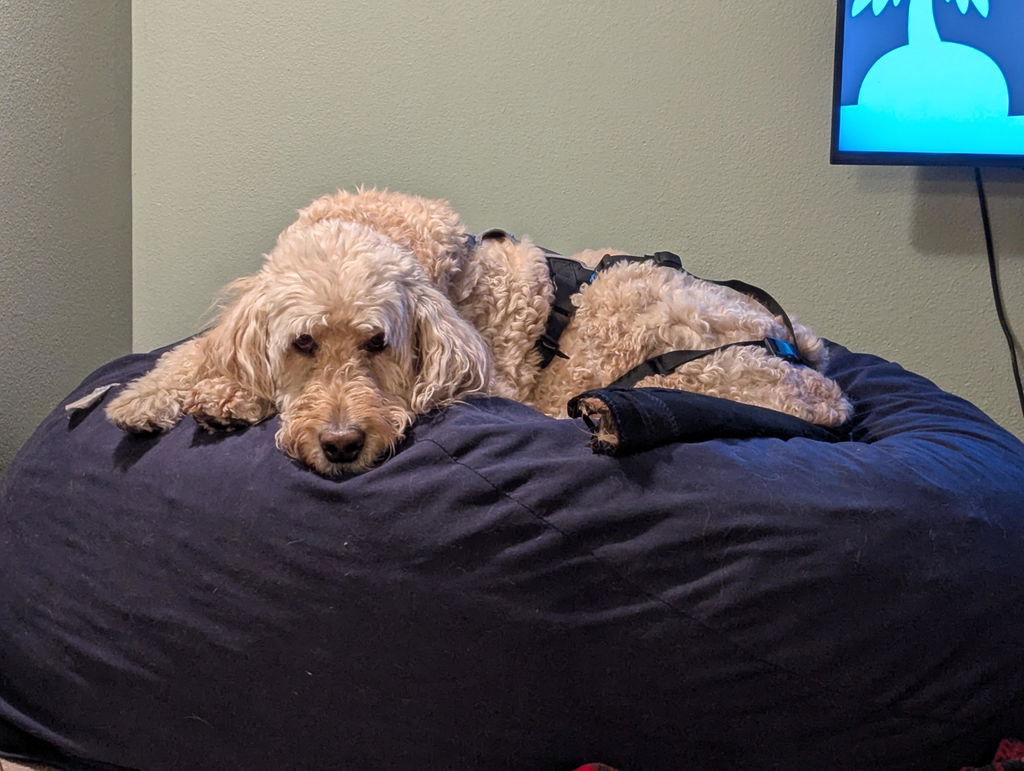
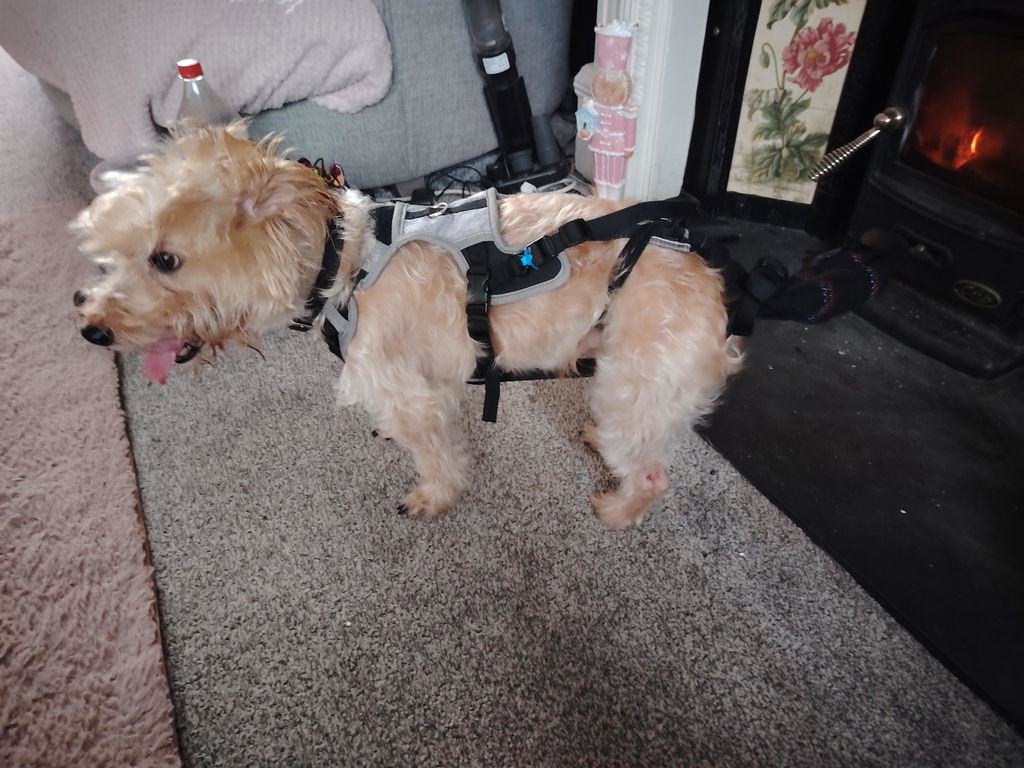
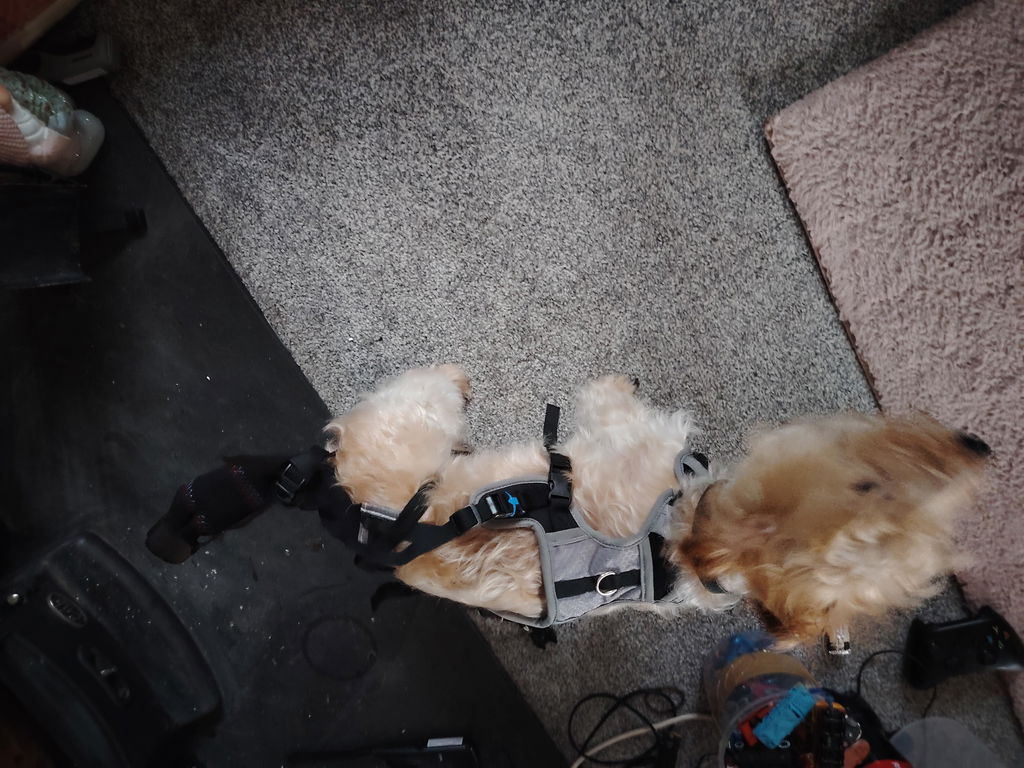
At K9 TailSaver, we have worked with many dog owners who first noticed small tail chewing habits before the problem became much more serious. Understanding the behavior early can help protect your dog’s comfort and overall health. We invite you to explore K9 TailSaver to learn more about tail protection solutions, recovery support, and ways to help keep your dog safe and comfortable during healing.
Table of Contents
- Why dogs bite their tails
- Medical reasons behind tail chewing
- Emotional and behavioral causes
- How to help stop the behavior
- When tail biting becomes dangerous
- Breeds More Prone to Tail Problems
-
Why Early Attention Matters
- Help Protect Your Dog’s Tail Before a Small Problem Gets Worse
- Frequently asked questions
Why Do Dogs Bite Their Own Tails?
Dogs often use chewing or licking as a way to react to discomfort. In some cases, tail biting starts because the skin feels itchy or irritated. In other situations, the behavior becomes a habit connected to stress or anxiety.
Some dogs chase their tails occasionally during play, especially puppies. That type of behavior is usually harmless. The concern starts when the chewing becomes repetitive, aggressive, or causes injury.
At K9 TailSaver, we often hear from owners whose dogs started with mild tail chasing before creating open wounds from constant biting and wagging.
Common Medical Causes of Tail Biting
Physical discomfort is one of the biggest reasons dogs focus on their tails.
1. Allergies and Skin Irritation: Dogs can develop allergies from food, grass, dust, pollen, or flea bites. When the skin becomes inflamed, the tail area may become extremely itchy. Dogs naturally chew or bite the area to find relief. Flea allergies are especially common. Even one flea bite can trigger intense irritation in sensitive dogs.
2. Injuries and Tail Pain: Tail injuries are another major cause. A dog may hit the tail repeatedly against walls, crates, or furniture, causing swelling or cuts. Once the skin breaks open, many dogs continue chewing the wound, making healing difficult. We created K9 TailSaver after experiencing firsthand how hard it can be to protect an injured tail once repeated damage begins.
3. Anal Gland Problems: Dogs with irritated or infected anal glands often focus on the area near the tail. Owners may notice scooting, licking, or sudden tail chewing along with discomfort while sitting.
4. Parasites or Infection: Skin infections, mites, and parasites can also create severe irritation. If the tail smells unusual, looks swollen, or has hair loss, veterinary care may be needed quickly.
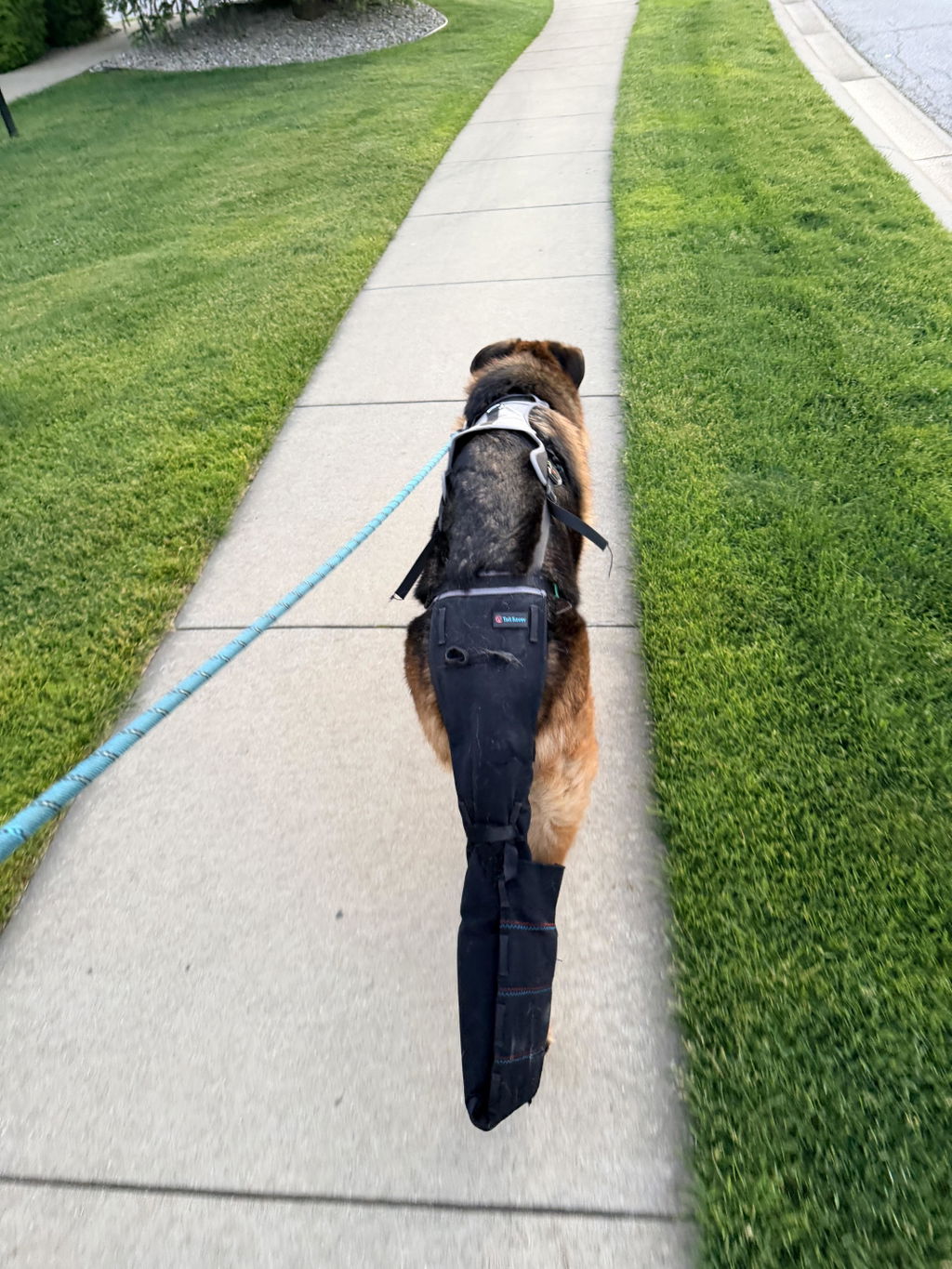
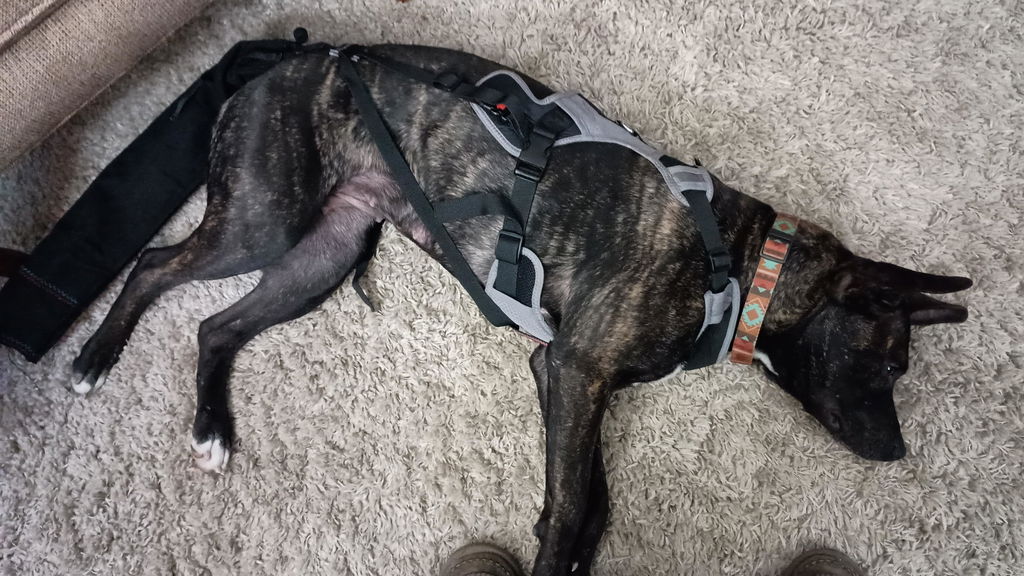
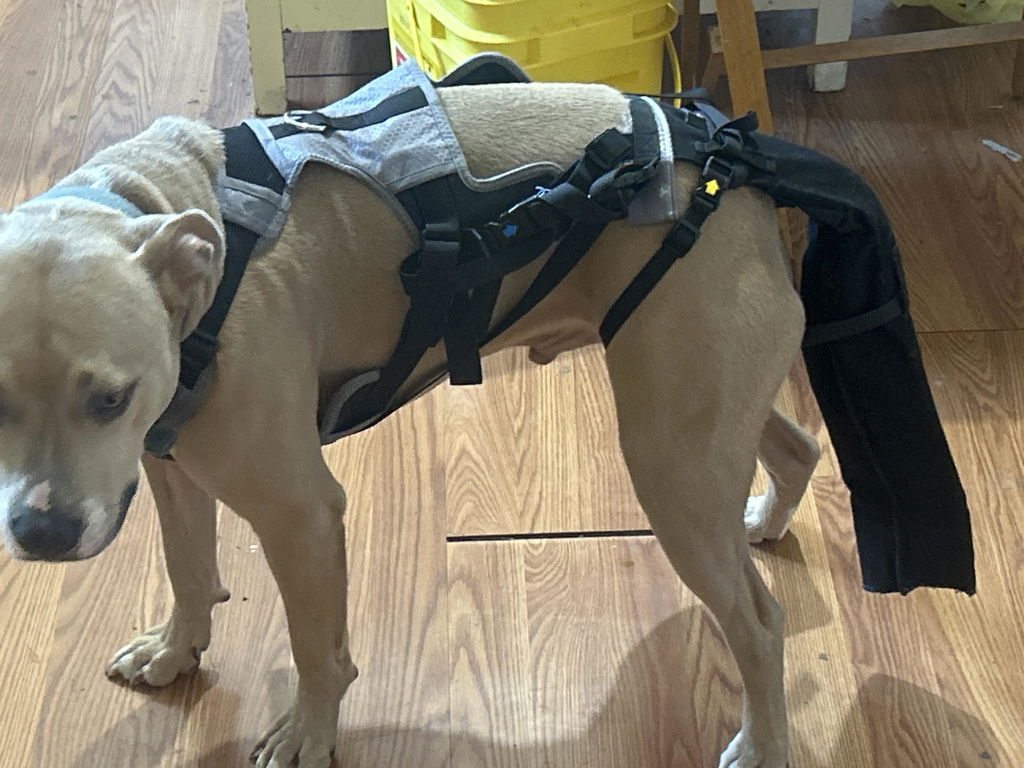
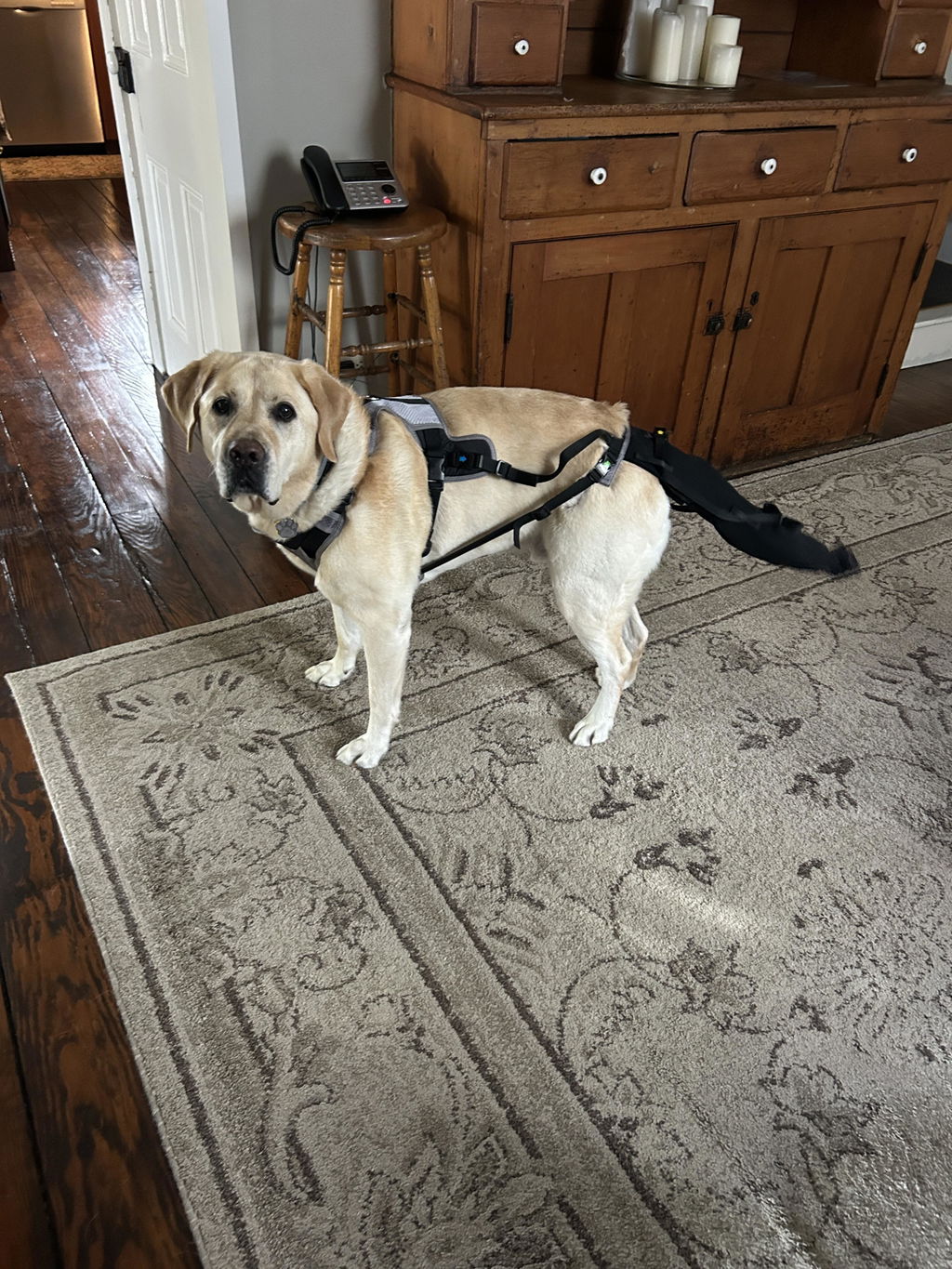
How to Prevent Tail Licking in Dogs Using a TailSaver Guard?
Emotional and Behavioral Reasons Dogs Chase Their Tails
Not every case is medical. Some dogs bite their tails because they are mentally overstimulated or emotionally stressed.
Dogs need exercise, attention, and mental activity every day. Without enough stimulation, repetitive behaviors may begin.
Common emotional triggers include:
Separation anxiety: Some dogs become nervous or stressed when left alone for long periods. Tail chasing or biting may become a coping habit during that time.
Lack of exercise: Dogs with extra energy often develop repetitive behaviors when they do not get enough physical activity or playtime.
Boredom: Dogs need mental stimulation every day. Without toys, interaction, or activities, some dogs begin chewing or chasing their tails to entertain themselves.
Sudden routine changes: Moving homes, changes in schedules, new pets, or unfamiliar environments can create stress and trigger unusual behaviors.
Loud or stressful environments: Constant noise, crowded spaces, or stressful situations may make anxious dogs react through repetitive chewing or tail chasing.
Many owners ask us about how to prevent dog chasing tail habits before they become obsessive. In many situations, improving daily structure and activity levels can make a noticeable difference.
How to Help Stop Tail Biting at Home
Helping a dog stop tail biting starts with observation. Owners should pay attention to when the behavior happens and what may be triggering it.
1. Increase Daily Exercise: Dogs with extra energy often need more physical and mental stimulation. Walks, games, scent activities, and training sessions can help redirect focus away from repetitive chewing. High-energy breeds usually require more activity than many people expect.
2. Check the Tail Carefully: Look for redness, swelling, cuts, or missing fur. Early signs of irritation are easier to manage before the wound becomes severe. If the tail is already injured, keeping the area protected becomes very important because dogs continue wagging even while healing.
3. Avoid Punishment: Yelling or harsh correction can increase anxiety in nervous dogs. Calm redirection works better. Giving a toy, puzzle feeder, or short training activity can help interrupt the habit without creating more stress.
4. Create a Stable Routine: Dogs feel more secure when daily routines stay consistent. Regular feeding times, exercise, rest, and attention can reduce anxious behaviors over time.
When Tail Biting Becomes Serious
Tail injuries can become worse very quickly because dogs continue wagging and moving throughout the day, even while injured. Owners should contact a veterinarian if they notice repeated bleeding, swelling, bad odor, open wounds, exposed tissue, or unusual sensitivity around the tail area. Some dogs may cry while sitting or become obsessed with chasing and biting the tail constantly. In more serious cases, dogs may struggle to rest comfortably because of pain and irritation. Without proper care and protection, repeated tail trauma can become difficult to heal and may lead to long-term complications.
Breeds More Prone to Tail Problems
Certain breeds naturally experience more tail injuries because of their strong wagging habits and energy levels. Labrador Retrievers, Great Danes, Greyhounds, Pit Bulls, and Boxers are commonly affected by repeated tail trauma. Active dogs with thin tails are especially vulnerable to splitting and bleeding injuries.
Why Early Attention Matters
Many owners wait too long before addressing tail chewing because it often looks harmless in the beginning. Unfortunately, repeated biting and constant wagging can turn small irritation into painful wounds that reopen repeatedly. Early attention is important because it helps reduce the risk of infection, hair loss, chronic pain, nerve damage, and in severe cases, tail amputation. Recognizing the warning signs early and taking action quickly can make the healing process easier and far less stressful for both dogs and owners.
How Do You Know If Your Dog’s Tail Is Broken?
Help Protect Your Dog’s Tail Before a Small Problem Gets Worse
At K9 TailSaver, we know how stressful tail injuries can be for both dogs and owners. Constant biting, chewing, and wagging can quickly turn minor irritation into painful wounds that are difficult to heal. That is why we created solutions designed to help protect injured tails, support recovery, and reduce repeated damage. If your dog is struggling with tail injuries or ongoing tail chewing, explore our trusted tail protection products and learn how we can help keep your dog more comfortable during the healing process.
Frequently Asked Questions
1. How to stop a dog from biting its own tail?
The first step is identifying the reason behind the behavior. Dogs may bite their tails because of allergies, fleas, boredom, stress, or injuries. Exercise, mental stimulation, and veterinary care can help reduce the behavior before it causes serious damage.
2. What breeds are prone to tail biting?
High-energy breeds with strong wagging habits are more likely to develop tail injuries. Labrador Retrievers, Great Danes, Pit Bulls, Greyhounds, and Boxers are commonly affected because repeated wagging can damage the sensitive tail area.
3. How do vets diagnose tail biting causes?
Veterinarians examine the skin, tail movement, and overall behavior of the dog. They may check for allergies, infections, parasites, injuries, or anal gland problems. In some situations, imaging tests may be needed to rule out fractures or nerve damage.
4. Is tail biting a common problem?
Yes. Tail biting is fairly common in dogs, especially puppies and active breeds. Mild tail chasing during play is usually normal, but repeated chewing or aggressive biting should always be evaluated carefully to prevent injuries from becoming worse.
5. What age are puppies most bitey?
Puppies are often most mouthy between 8 weeks and 6 months old. During this stage, they explore the world with their mouths and may occasionally chase or chew their tails while playing or teething.
6. What are the common causes of tail biting?
The most common causes include allergies, fleas, infections, stress, boredom, anxiety, injuries, and anal gland irritation. Some dogs also develop compulsive behaviors when they do not receive enough exercise or mental stimulation.