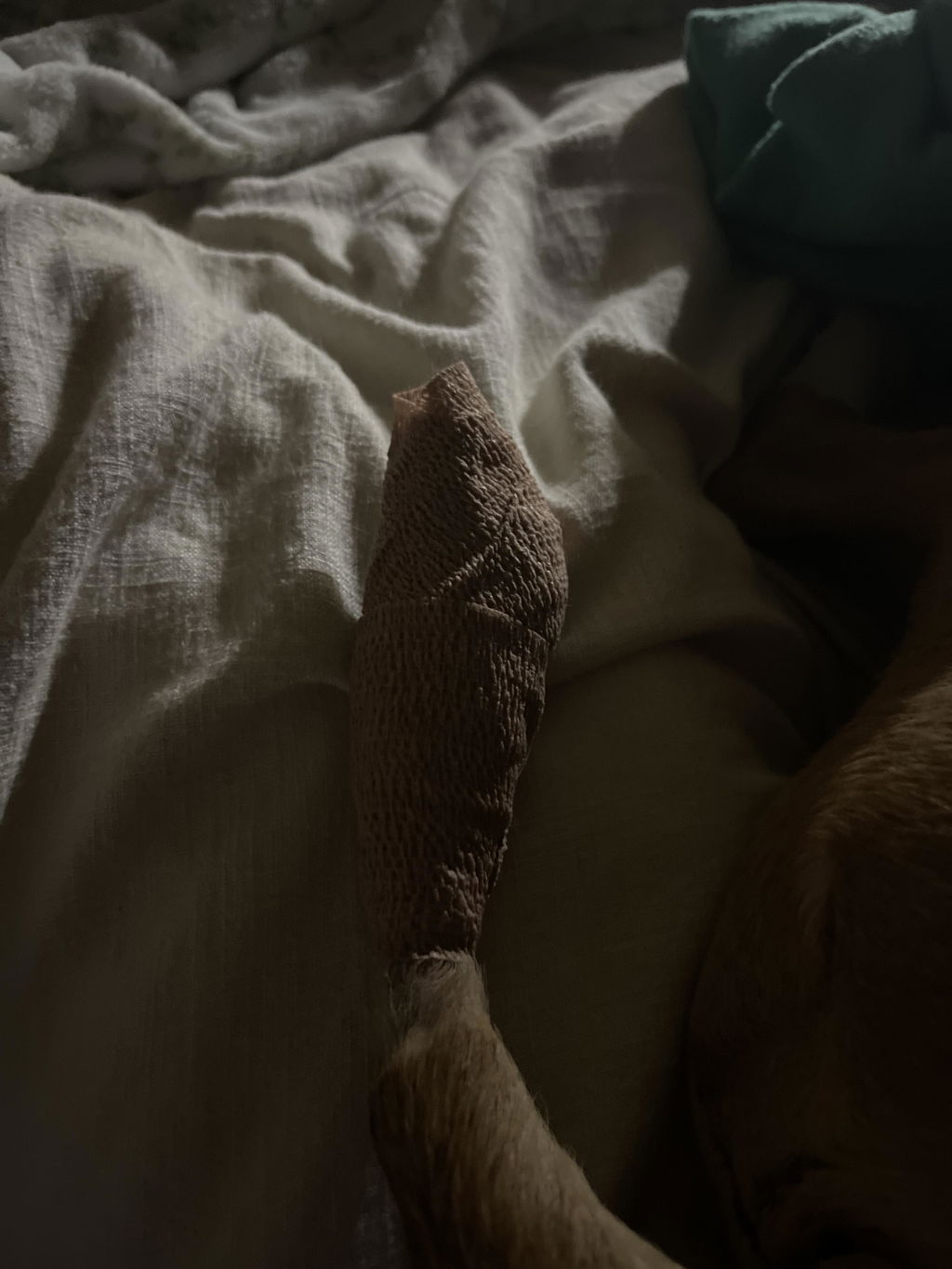
How Do You Know If Your Dog’s Tail Is Broken?
A broken dog’s tail is not always obvious at first, but there are clear signs you can look for. If your dog suddenly stops wagging, cries when the tail is touched, or holds the tail in a low or unusual position, it may indicate injury or fracture. You may also notice swelling, bending at an unnatural angle, bruising, or difficulty moving the tail normally. In some cases, the tail may also bleed or have visible wounds if trauma has occurred. Understanding these early signs is important because tail injuries can worsen quickly without proper care and protection.
In many cases, what owners think is a minor injury can actually be more serious, especially if the tail keeps getting hit or reopened. That’s why proper protection and early attention matter a lot.
Table of Contents
- What Does a Broken Dog Tail Look Like?
- Causes of Tail Injuries in Dogs
- Why Tail Injuries Become Serious Quickly
- How to Stop a Dog’s Tail From Bleeding
- How to Wrap a Dog Tail Wound
- What to Do If Your Dog’s Tail Is Broken
- Why Proper Tail Protection Matters During Healing
- Protect Your Dog’s Tail Before the Injury Gets Worse
- Frequently Asked Questions
What Does a Broken Dog Tail Look Like?
A broken dog tail usually shows both physical and behavioral changes. The appearance and movement of the tail will look different from normal.
Common physical signs:
- Swelling or puffiness near a specific area
- A visible bend or kink in the tail
- Bruising or dark discoloration
- Cuts or bleeding (in severe trauma cases)
- Hair loss around the injured area
Behavioral signs:
- Dog avoids wagging or moves tail very slowly
- Whining or crying when tail is touched
- Constant licking of the tail
- Aggression or discomfort when sitting
A healthy tail is usually flexible, pain-free, and responsive. Any stiffness or abnormal shape should be taken seriously.
Causes of Tail Injuries in Dogs
Dog tail injuries can happen more easily than many pet owners think.
Common causes include:
- Hitting hard surfaces while wagging (“Happy Tail Syndrome”)
- Door slams or accidents
- Rough play with other dogs
- Getting the tail caught in objects
- Excessive licking or biting
- Underlying skin infections or irritation
In active dogs, repeated wagging against walls or furniture is one of the most common reasons for chronic tail wounds.
Why Tail Injuries Become Serious Quickly
Tail injuries are difficult to heal because the tail is always moving. Even small movement can reopen a wound.
This leads to:
- Continuous bleeding
- Delayed healing
- Infection risk
- Increased pain and swelling
If not managed properly, repeated trauma can turn a small injury into a long-term problem.
How to Stop a Dog’s Tail From Bleeding
If your dog’s tail is bleeding, quick action is important.
Immediate steps:
- Apply gentle pressure using a clean cloth
- Keep your dog calm and still
- Clean the area with mild antiseptic (if advised by vet)
- Avoid letting your dog lick the wound
- Apply a protective cover or bandage
Important note:
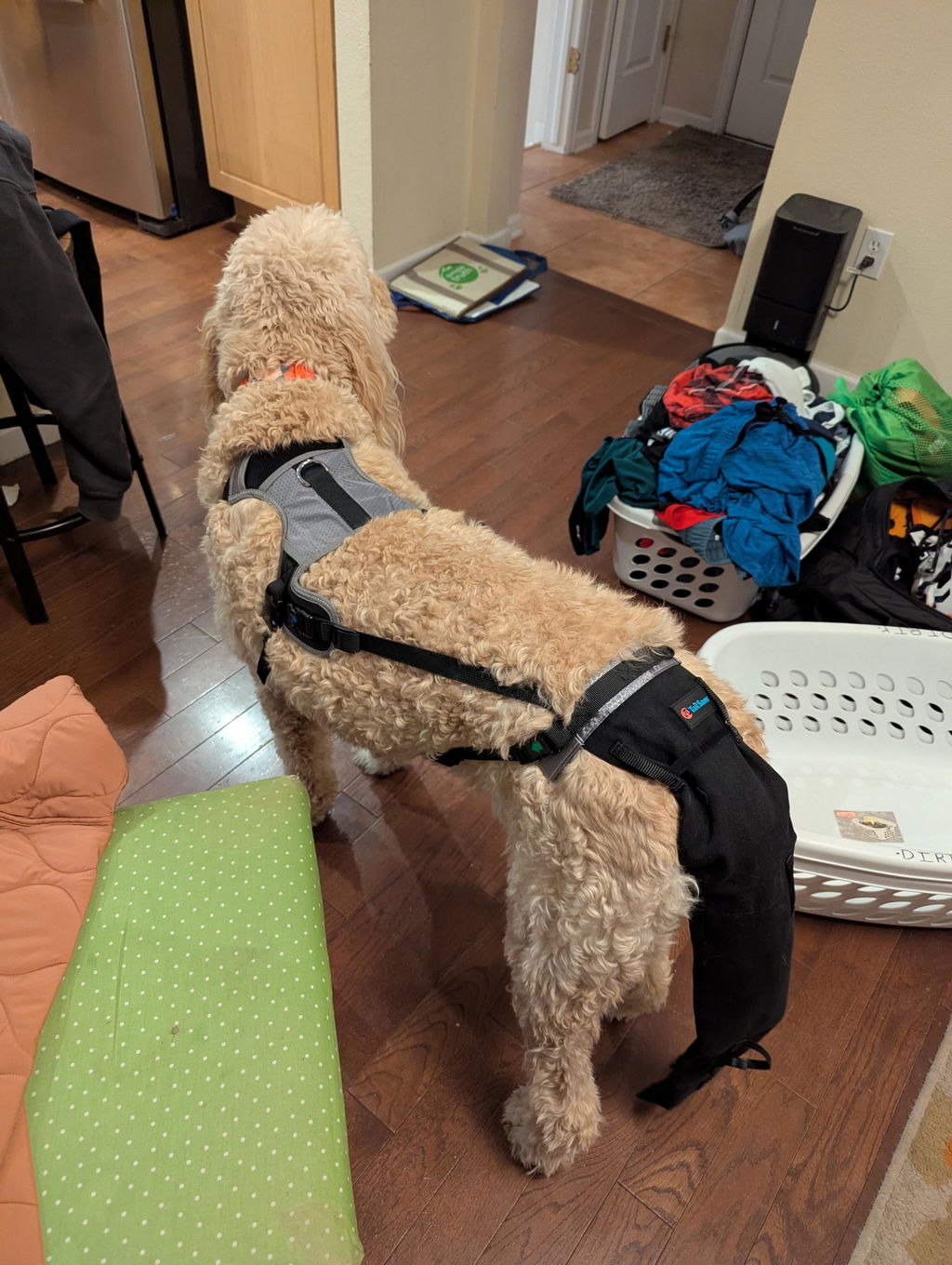
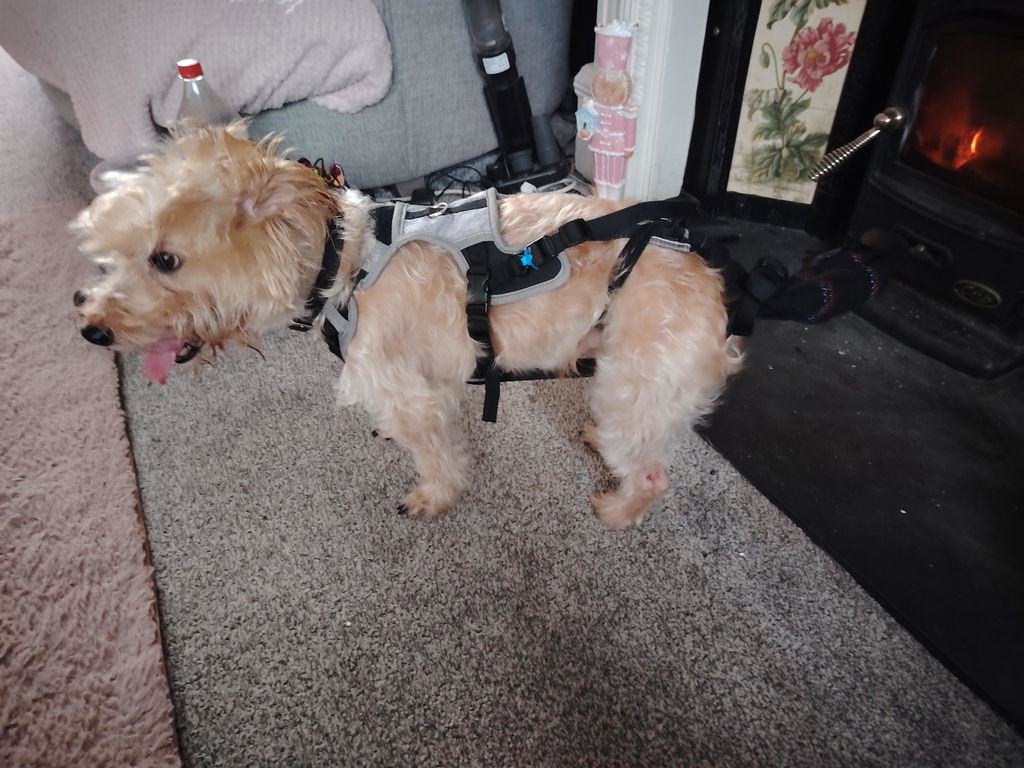
If bleeding does not stop within a few minutes or keeps returning, veterinary care is necessary. Persistent bleeding often means deeper injury. In many cases, owners also use protective systems like those we design at K9 TailSaver to prevent the tail from being hit again during healing.
How to Wrap a Dog Tail Wound
Wrapping a tail correctly is very important but also tricky because tails move constantly.
Basic steps:
- Clean the wound carefully
- Place a sterile gauze over the injury
- Wrap lightly with a soft bandage (not too tight)
- Secure the wrap without restricting blood flow
- Monitor regularly for slipping or tightness
However, traditional bandages often fail because dogs remove them or they loosen during movement. That’s why structured protection systems are often more effective for ongoing injuries.
What to Do If Your Dog’s Tail Is Broken
If you suspect a broken tail, do not ignore it. Early care can prevent long-term damage.
Recommended actions:
- Limit movement immediately
- Avoid touching or bending the tail
- Visit a veterinarian for proper diagnosis (X-ray if needed)
- Prevent licking or chewing
- Use protective support during recovery
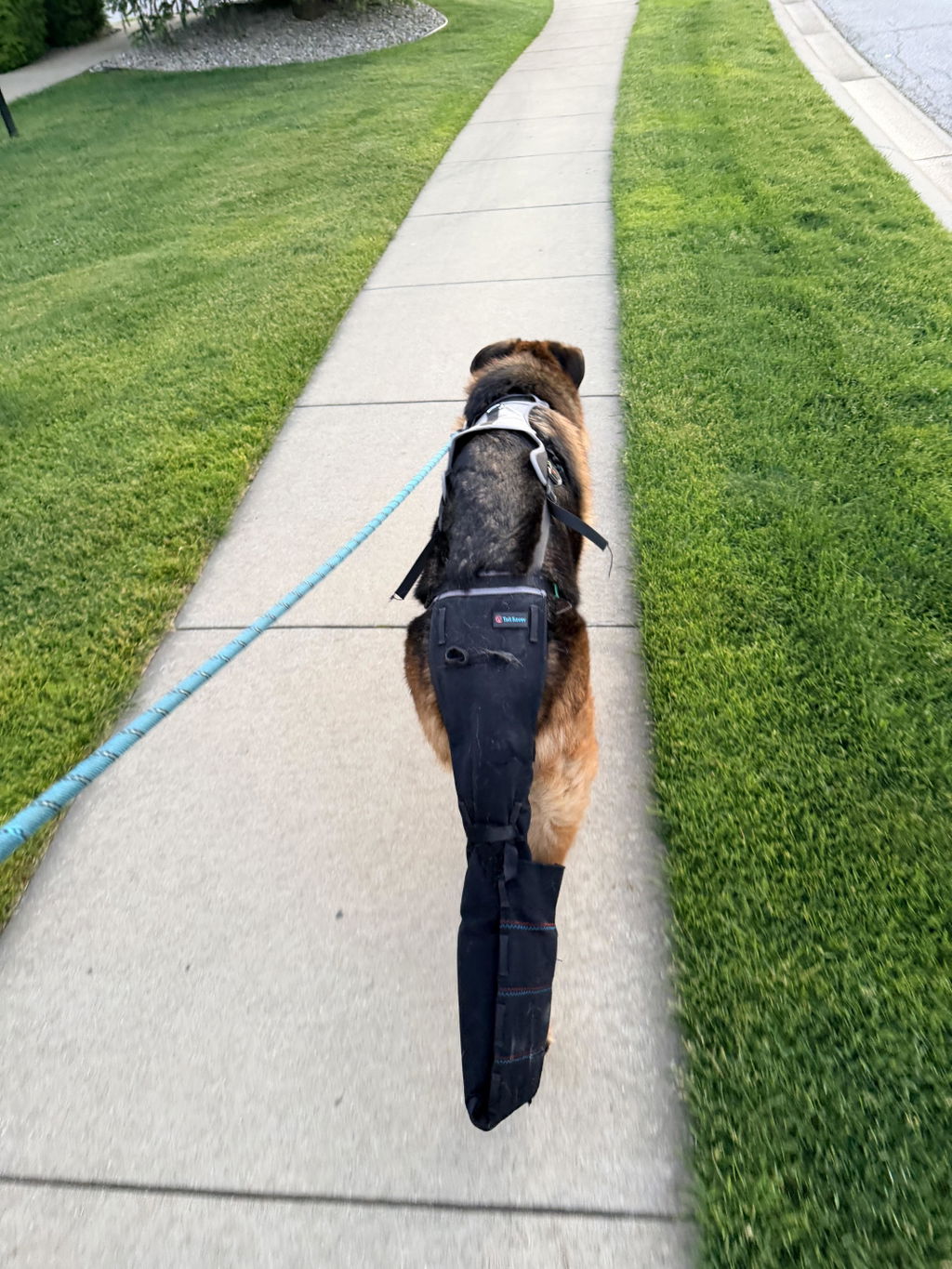
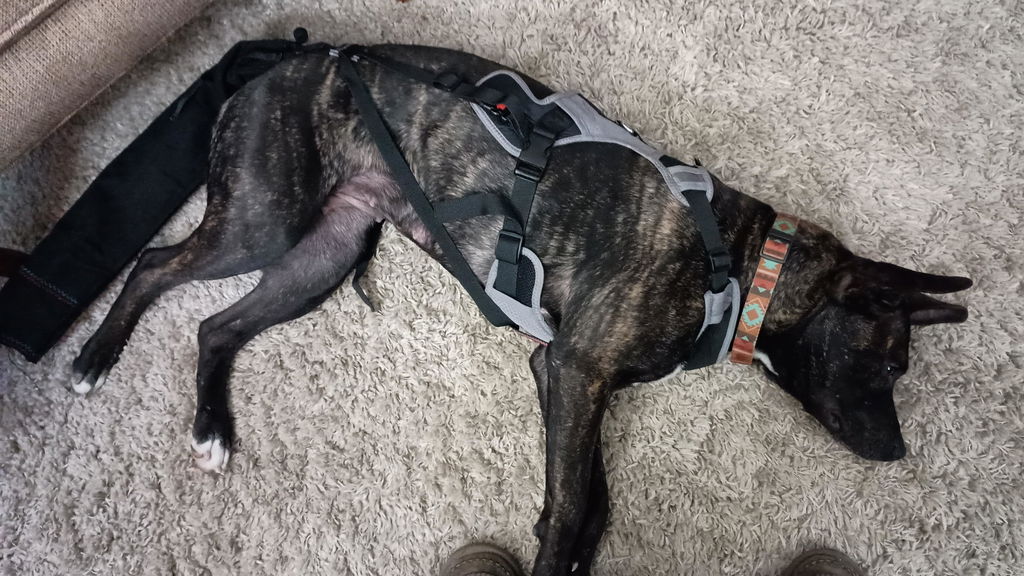
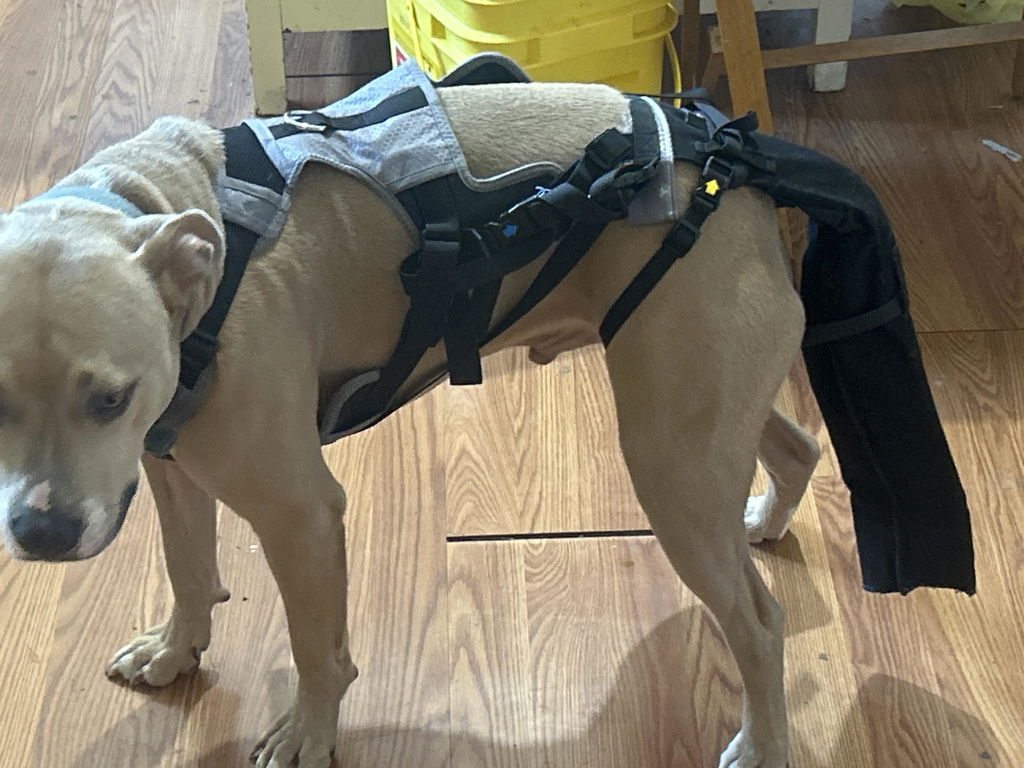
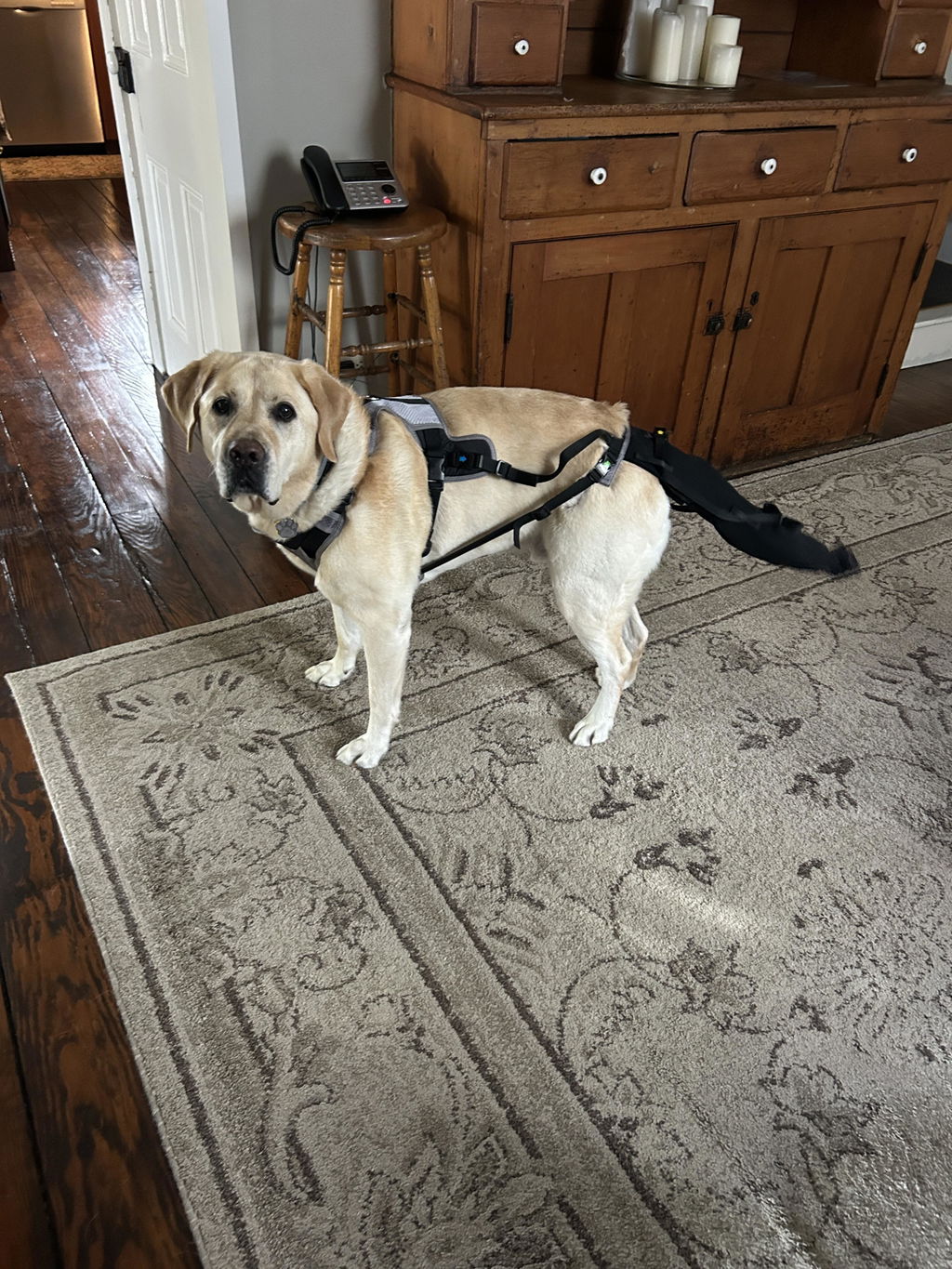
At K9 TailSaver, we design solutions that help protect the tail from repeated trauma so healing can happen without interruption.
Why Proper Tail Protection Matters During Healing
Tail injuries are unique because they rarely stay still long enough to heal on their own.
Without protection:
- Wounds reopen repeatedly
- Healing slows down significantly
- Infection risk increases
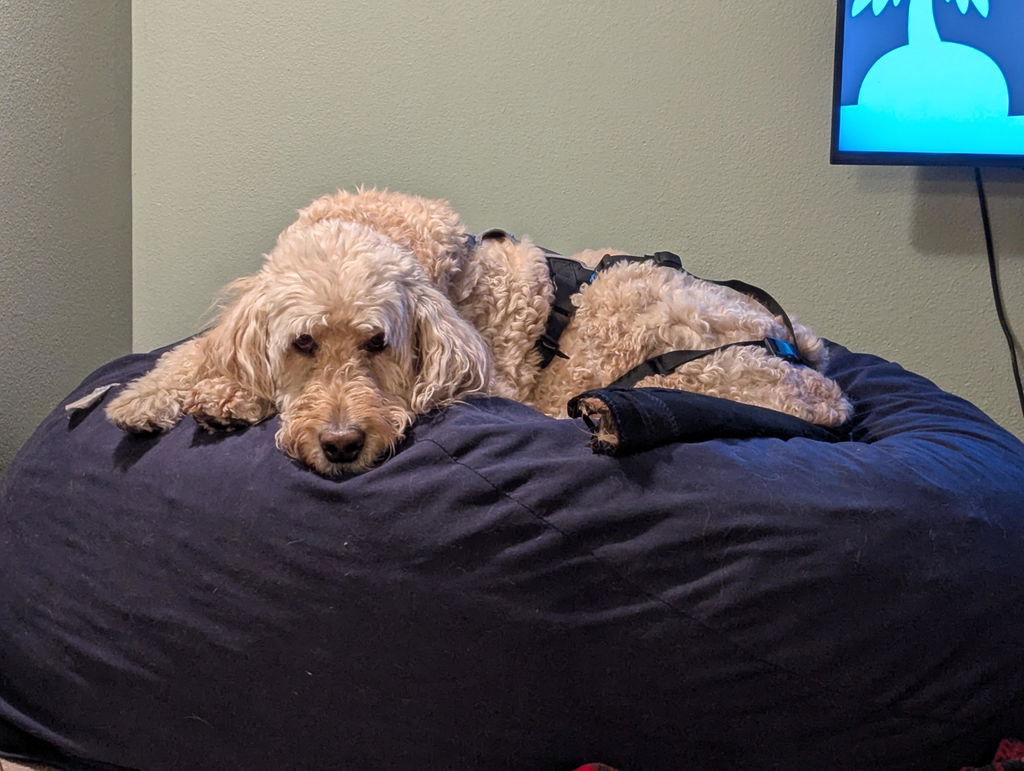
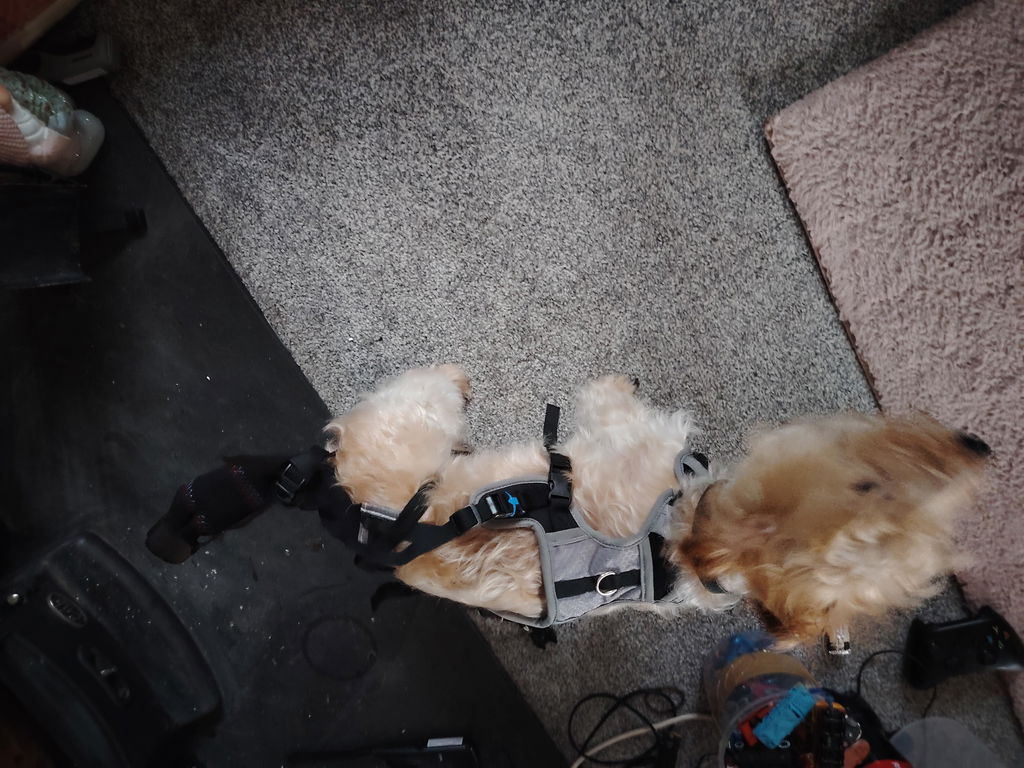
Proper protection helps keep the tail stable, reduces movement impact, and allows recovery to progress more smoothly.
Protect Your Dog’s Tail Before the Injury Gets Worse
If your dog is showing signs of a tail injury or you suspect something is wrong, don’t wait for it to get worse. Tail injuries can quickly become painful, infected, and difficult to heal if they keep reopening.
At K9 TailSaver, we provide a specially designed tail protection system that helps prevent further damage while your dog heals. Our solution is built to stay secure, reduce re-injury, and support a safer recovery process at home.
Give your dog the protection they need today and help them heal comfortably without constant setbacks.
Frequently Asked Questions
1. Are there bones in dogs’ tails?
Yes, dogs’ tails contain small bones called vertebrae. These bones are connected in a flexible chain and allow movement. Because of this structure, tails can still get fractures, sprains, or dislocations when injured.
2. Why is my dog losing hair on her tail?
Hair loss on the tail can be caused by licking, allergies, infections, parasites, or repeated trauma. If the skin is irritated or the dog is focusing on one area, it can lead to patchy hair loss over time.
3. Are dogs’ tails connected to their spine?
Yes, a dog’s tail is an extension of the spine. It contains vertebrae and nerves that continue from the lower back. That’s why serious tail injuries can sometimes be painful and affect movement.
4. How to stop a dog’s tail from bleeding?
Apply gentle pressure with a clean cloth and keep your dog calm. Clean the area if possible and prevent licking. If bleeding continues or returns, veterinary care is important. Protective covers can also help prevent re-injury during healing.
5. How do you bandage a dog’s happy tail?
Clean the wound, apply sterile padding, and wrap lightly with a soft bandage. However, Happy Tail injuries often reopen due to wagging, so many owners need stronger protection systems to keep the tail stable during recovery.