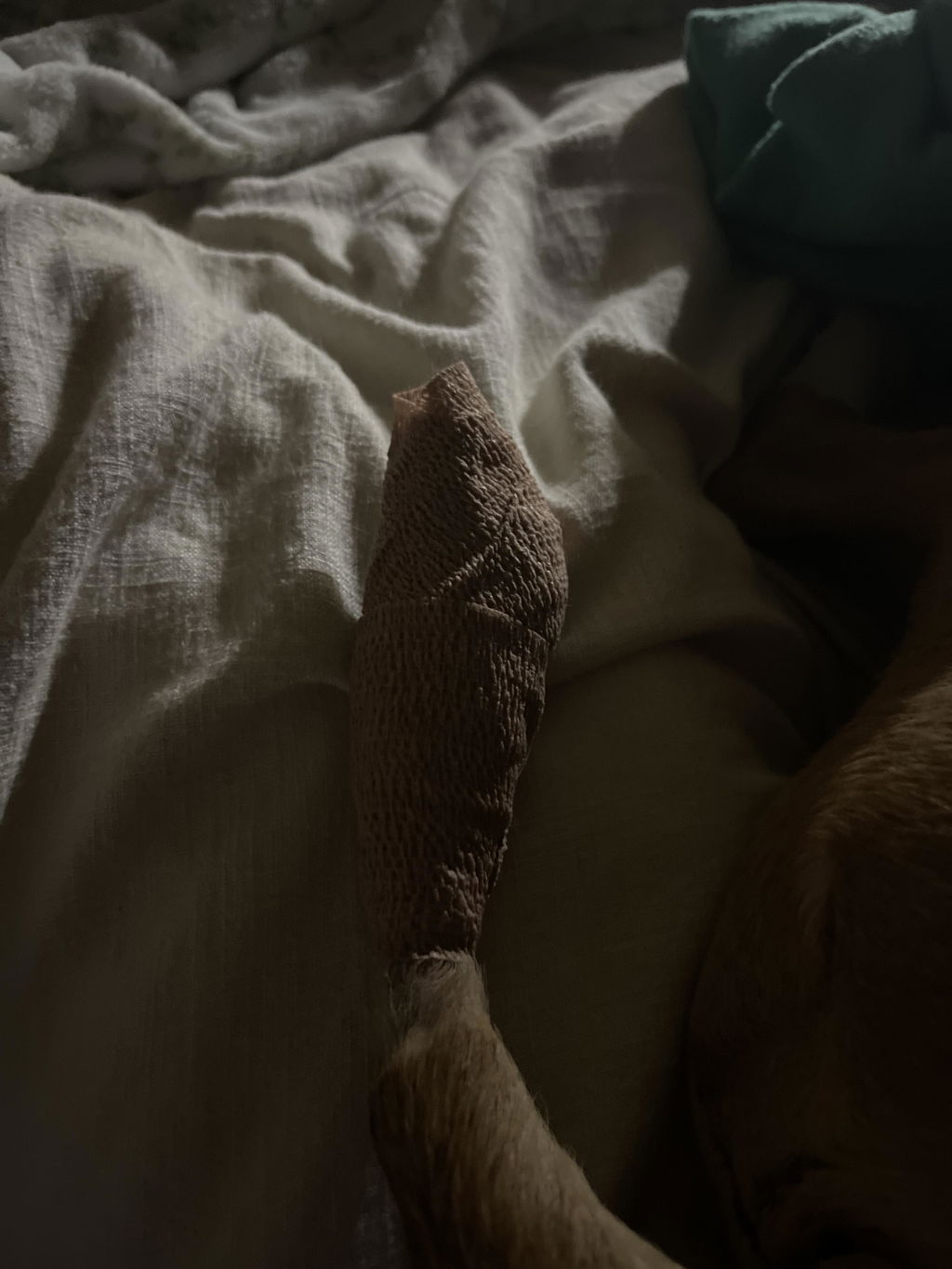
Doberman Happy Tail: Treatment Guide for Thin-Skinned Breeds
Dobermans face unique challenges with happy tail syndrome due to their extremely thin skin and powerful tail musculature. Their tail injuries tend to be more severe and harder to heal than many other breeds.
Why Dobermans Get Happy Tail
- Paper-thin tail skin — Dobermans have some of the thinnest skin of any breed on the tail tip
- Powerful wag — Strong muscles generate high-impact strikes against surfaces
- Short, sleek coat — Zero natural padding or fur protection
- Long, whip-like tail — Maximum velocity at the tip where skin is thinnest
- Loyal temperament — Following owners room to room means more confined-space wagging
The Doberman Happy Tail Cycle
Doberman happy tail follows a particularly frustrating pattern: the wound opens easily, bleeds profusely (blood spray on walls is common), scabs over, then reopens the next day. This cycle can continue for months without proper intervention. Read about all the stages of happy tail syndrome.
Treatment That Works for Dobermans
Traditional bandaging fails for Dobermans because:
- Bandages slide off their thin, smooth tails
- Tape damages their delicate skin further
- They can wag bandages off even with tape
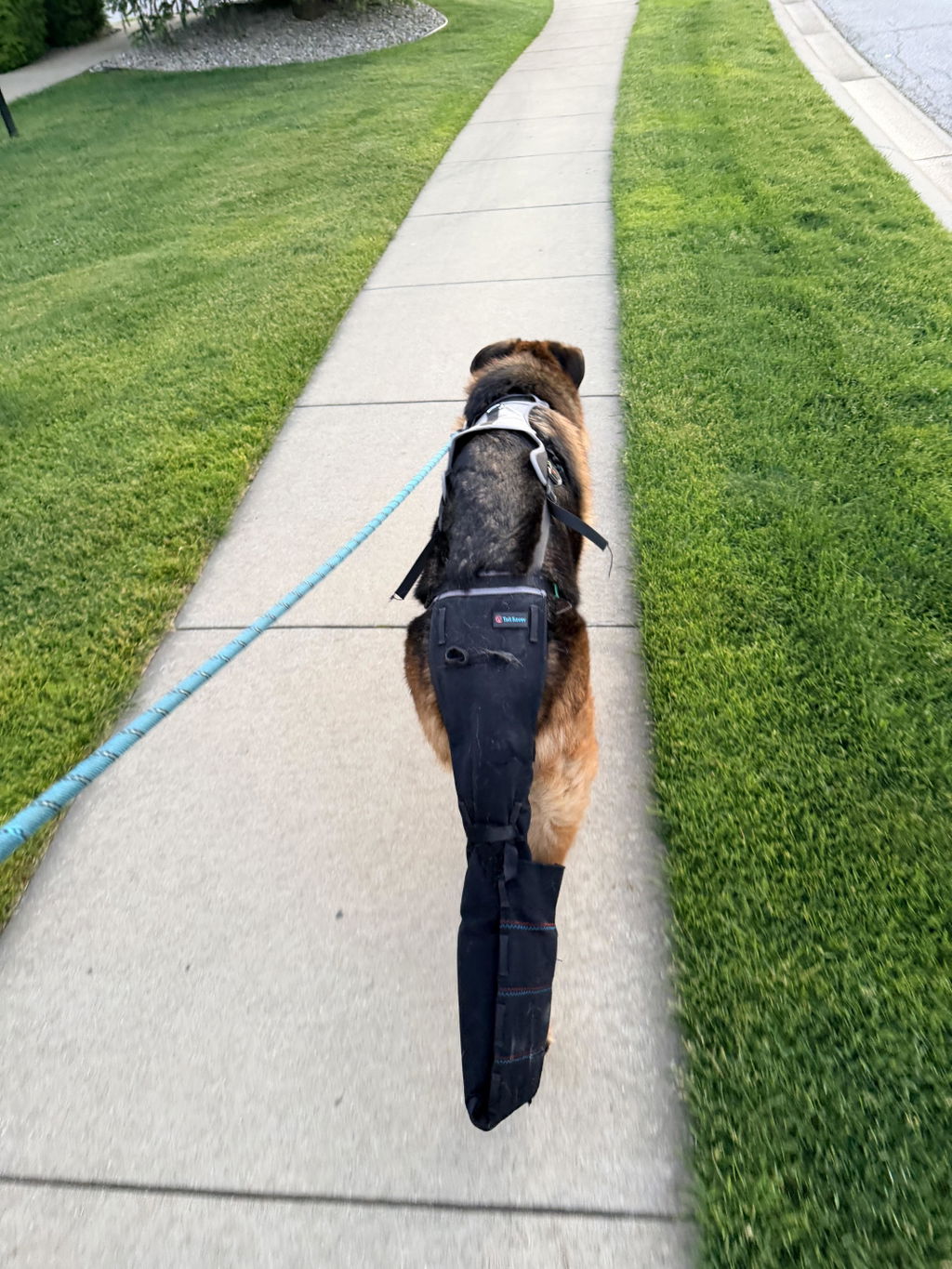
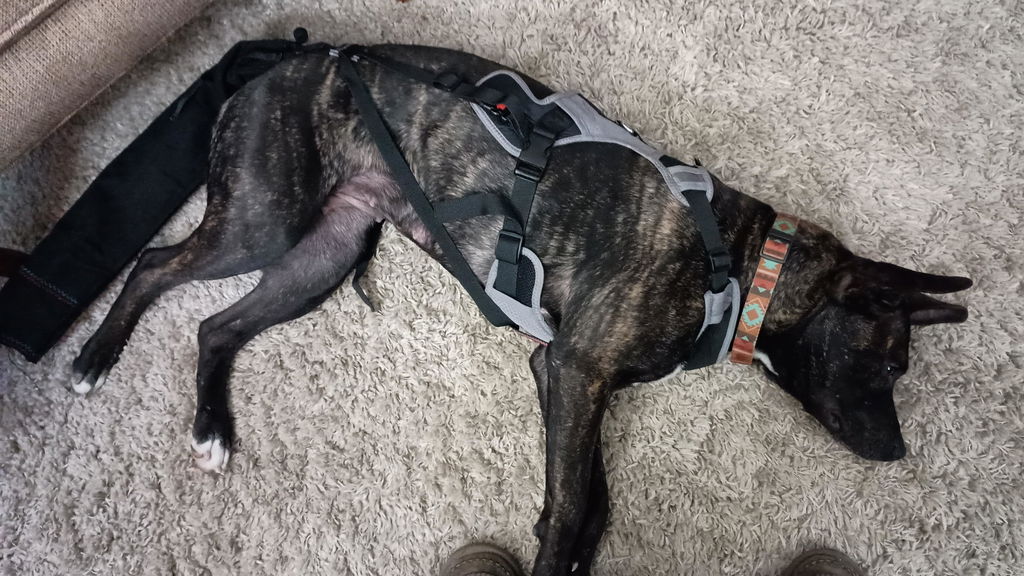
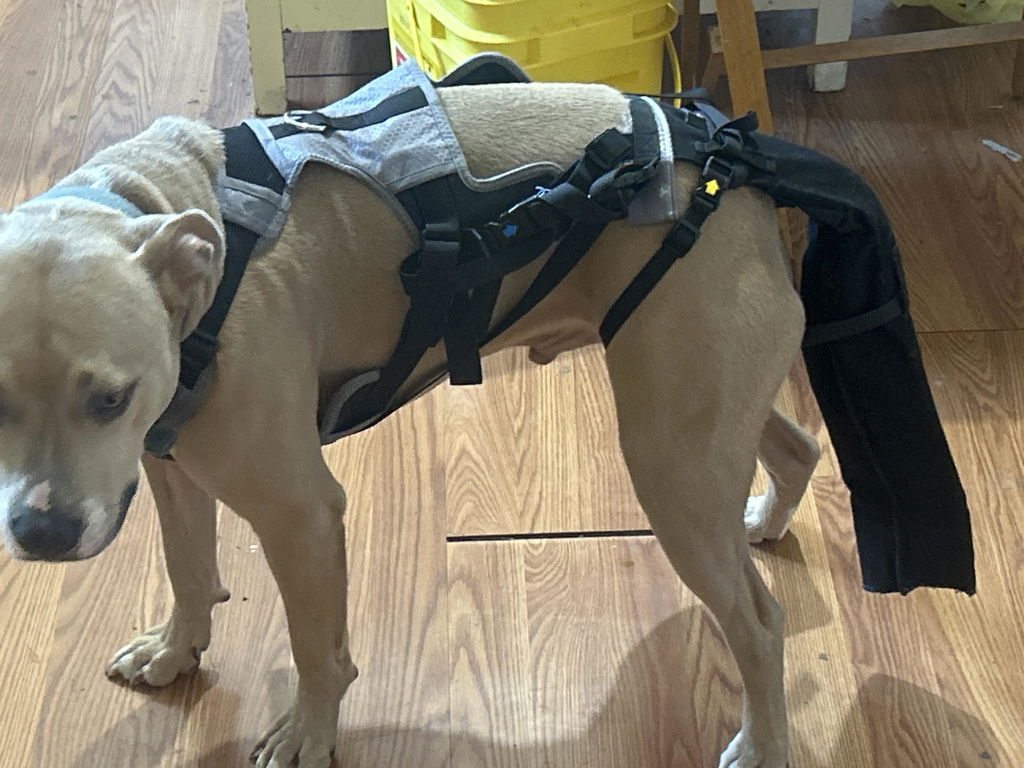
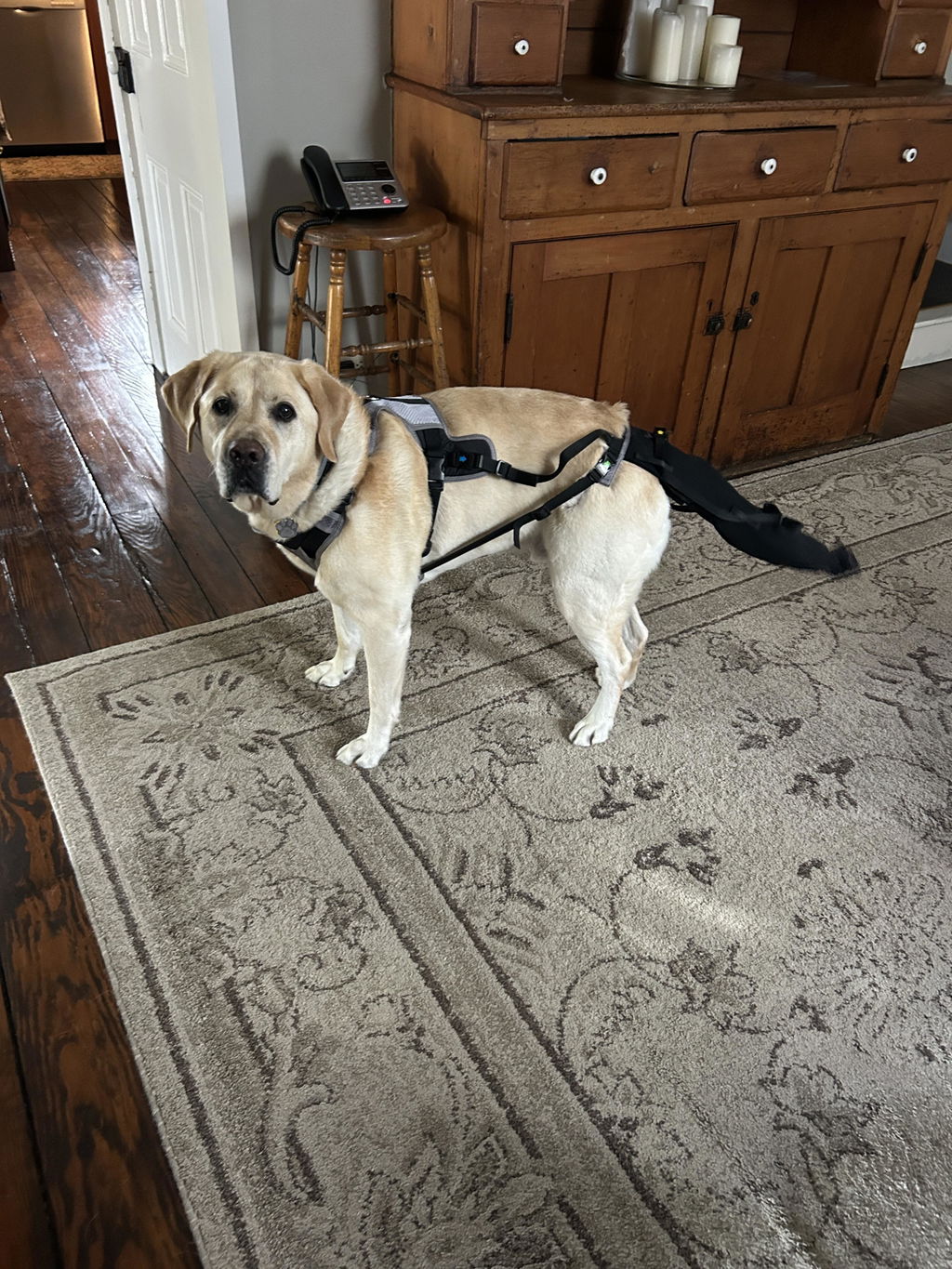
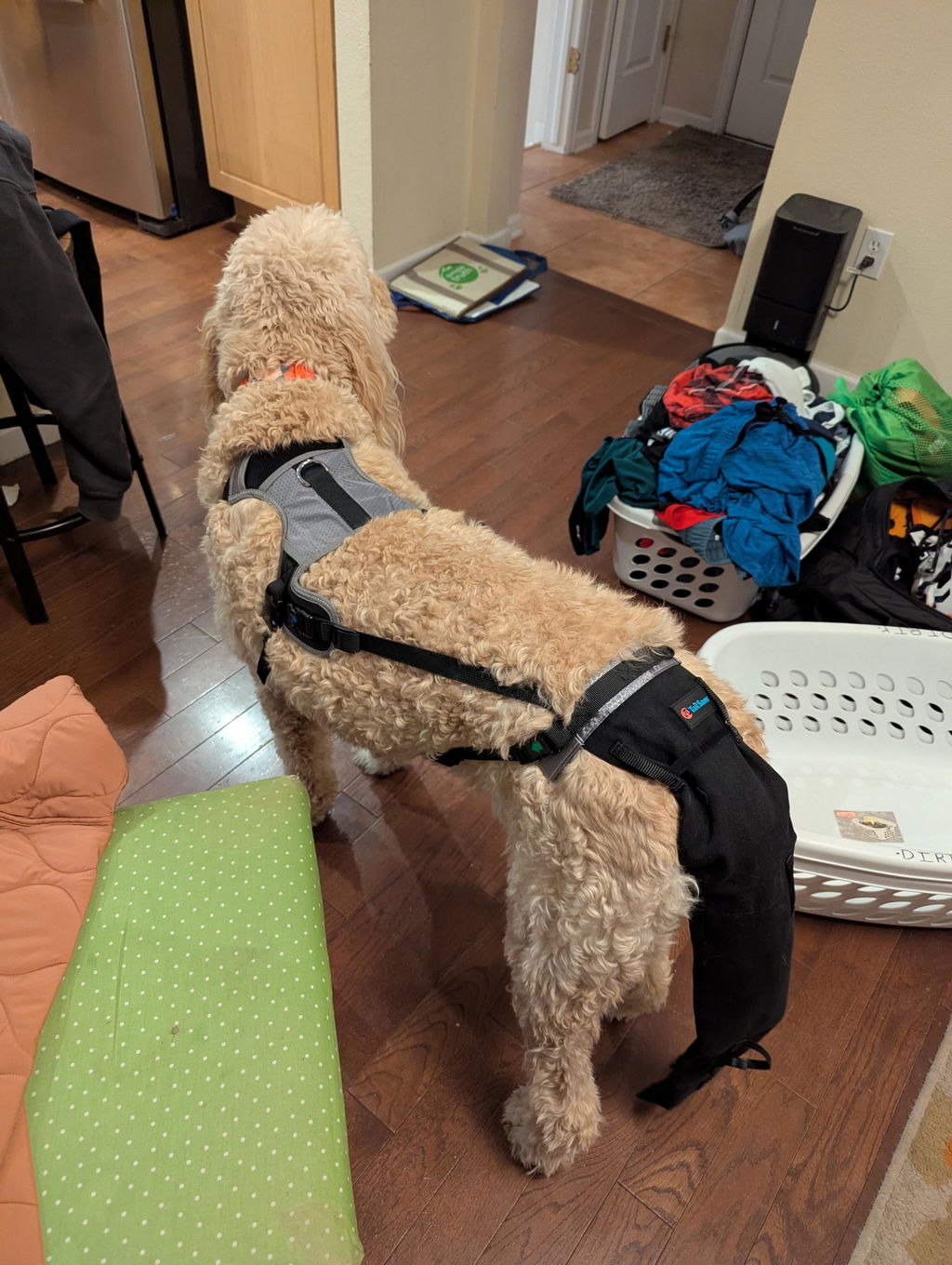
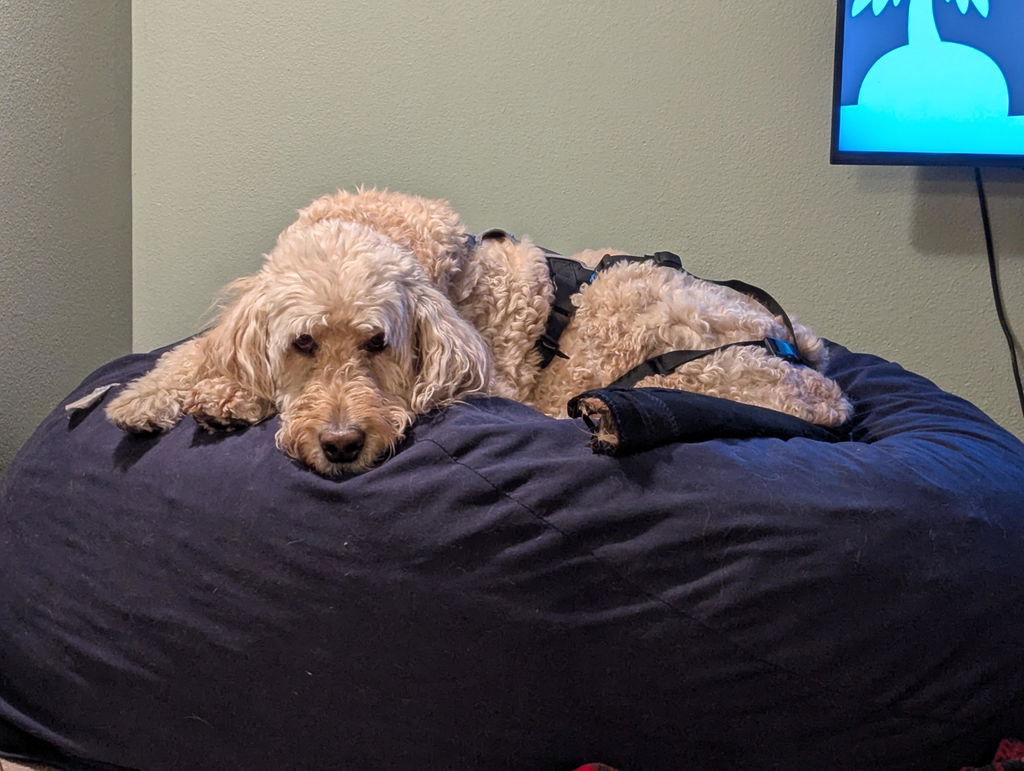
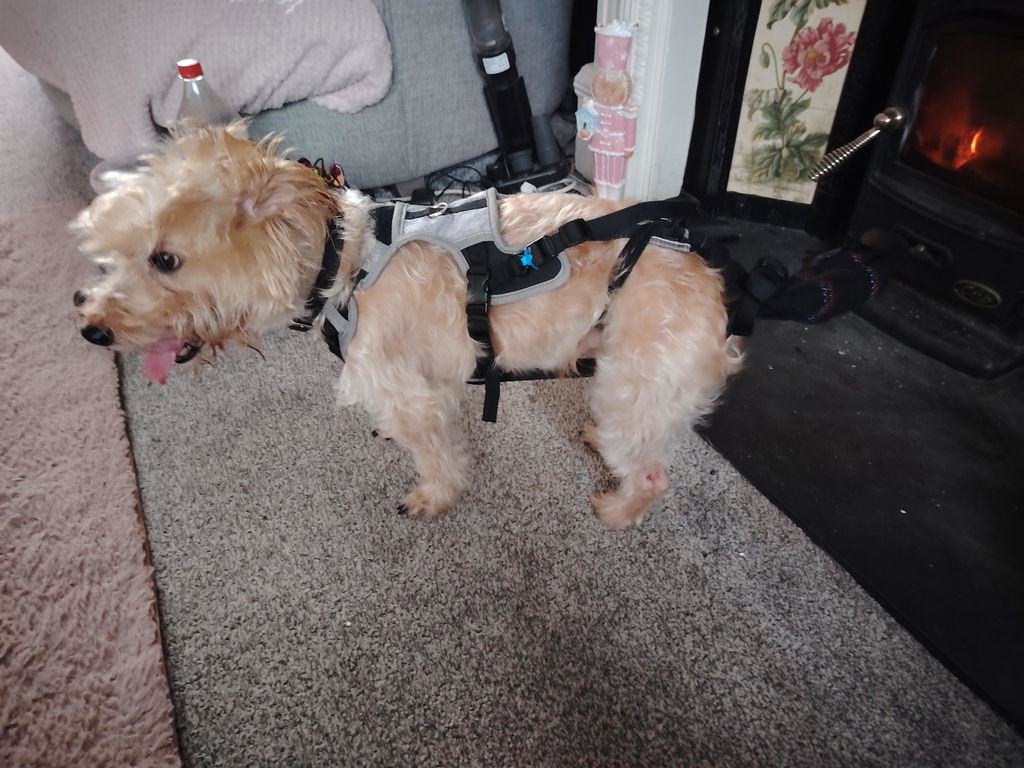
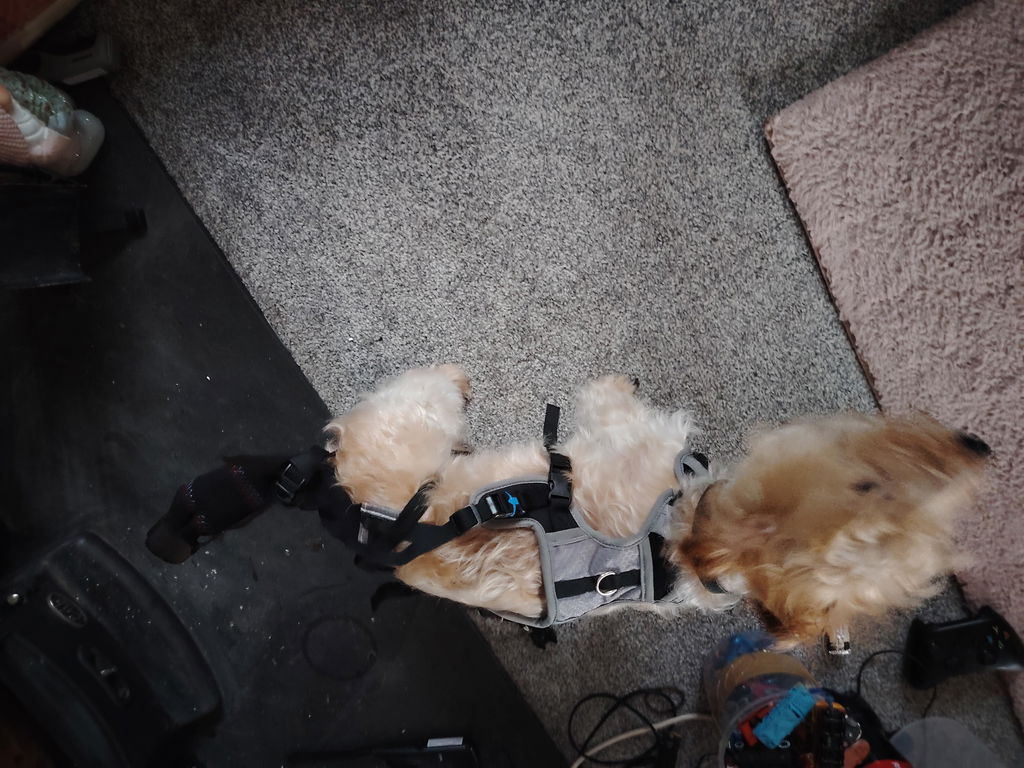
The K9 TailSaver® solves this by anchoring the tail protection to a body harness — it stays in place regardless of wagging speed or tail shape.
Sizing Tips for Dobermans
Most adult Dobermans fit a Medium or Large K9 TailSaver. Use our interactive sizing guide with your Doberman's hip-to-chest and tail circumference measurements for a perfect fit.
See also: Greyhound Happy Tail | German Shepherd Tail Injury | All Breeds Guide
What to do next
If you are ready to stop the re-injury cycle, go to the main K9 TailSaver set now. If fit is your only hesitation, run the size finder first. If your dog is between sizes or actively reopening the wound, text support for a faster fit check.
Shop the main K9 TailSaver set
Find my size first | See first-fit instructions | Text support