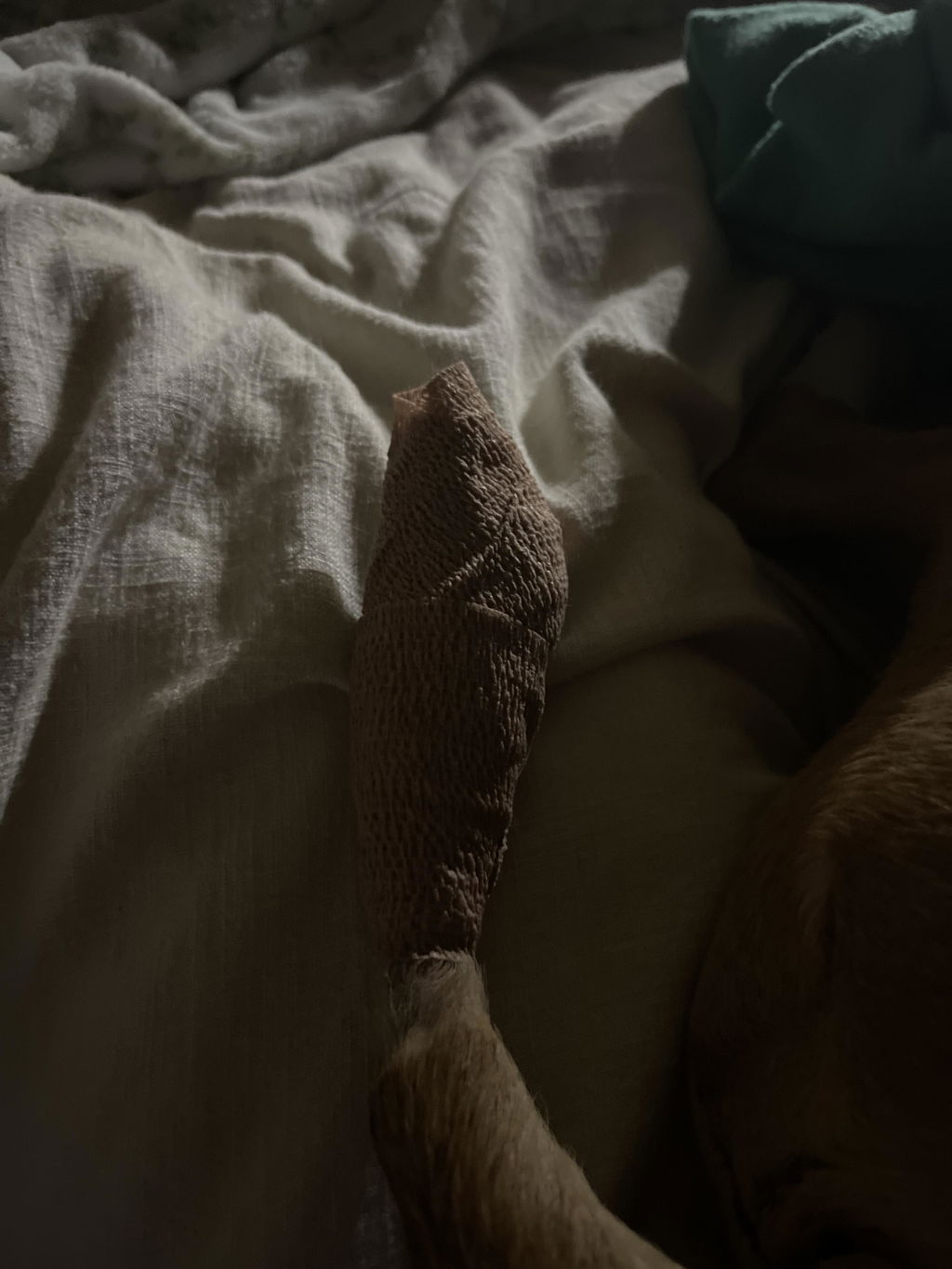
Navigating the Landscape of Happy Tail Syndrome in Canines
Watching your dog suffer from a painful tail injury can be heartbreaking and stressful. The good news is that with the right treatment approach, most dogs can heal quickly and get back to their happy, wagging selves without surgery. This guide explores proven treatment options that address both the physical healing and emotional well-being of your dog.
Understanding Your Dog's Tail Injury
Before starting treatment, it's important to understand what caused the injury. Common causes include:
- Happy tail syndrome: Vigorous wagging against hard surfaces like walls, furniture, or door frames
- Crate or kennel injuries: Hitting cage bars or hard surfaces in confined spaces
- Grooming accidents: Cuts or nicks from clippers or scissors
- Door injuries: Getting caught in closing doors
- Stress-induced behaviors: Tail chasing, biting, or excessive licking
- Trauma: Accidents, bites from other animals, or impacts
Identifying the cause helps you prevent future injuries and tailor your treatment approach. If you're unsure what caused the injury, your veterinarian can help assess the situation and recommend the best course of action.
Step 1: Assess and Clean the Wound
Initial Assessment
Examine the tail carefully to evaluate the severity:
- Minor injuries: Small cuts, light bleeding, minimal swelling
- Severe injuries: Deep wounds, persistent bleeding, signs of infection, necrotic tissue
Proper Wound Cleaning
- Gently irrigate the wound with antiseptic rinse to remove dirt and debris
- Avoid harsh chemicals that can damage tissue or irritate skin
- Pat dry with a clean cloth—don't rub
- Apply appropriate topical treatment (see below)
Step 2: Choose the Right Topical Treatment
Modern topical treatments offer targeted relief and promote faster healing:
Vetericyn Hydrogel Spray (Vet Recommended)
This is effective option for many tail injuries:
- Contains buffered hypochlorite that kills germs without damaging skin
- Hydrogel coating seals the wound and provides comfort
- Reduces itching and pain
- Wears off in 4-5 hours, allowing you to re-irrigate and reapply
- Apply every 5 hours or at least twice daily
Necrotic Skin - Go Natural
For blackened or severely damaged skin we recommend seeing a Vet. They may use laser or debride (scrape) away the dead skin. Some will suggest removing several inches of tail to remove the damaged tissue.
- Necrotic skin doesn't respond well to chemical Antibiotics
- Natural options (Honey & Silver, etc.) promote healing without further tissue damage. While we suggest the Vet for these pups, if one isn't unavailable use healing lights, warm compresses, natural topicals, and let the air flow around it.
Application Tips
- Follow your veterinarian's guidance on which product to use
- Apply a thin layer to the affected area
- Don't over-apply—more isn't better
- Monitor for any adverse reactions
Step 3: Protect the Tail from Reinjury
This is the most important step for successful healing. Without proper protection, wounds will keep reopening no matter how good your wound care is.
Why Traditional Bandaging Doesn't Work
- Dogs remove bandages within hours
- Dogs often eat bandages, causing digestive blockages requiring emergency surgery
- Bandages create moisture that promotes bacterial growth and infection
- Bloody bandages trigger obsessive chewing behavior
- Constant changes are stressful and expensive
Short-Term Protection (Requires Supervision)
- Stretchy toddler pants pulled over hind legs with tail tucked into one leg
- Works temporarily but dogs can't go to the bathroom with them on
- Dogs may remove them to reach the wound, especially when fresh and painful
Long-Term Protection That Works
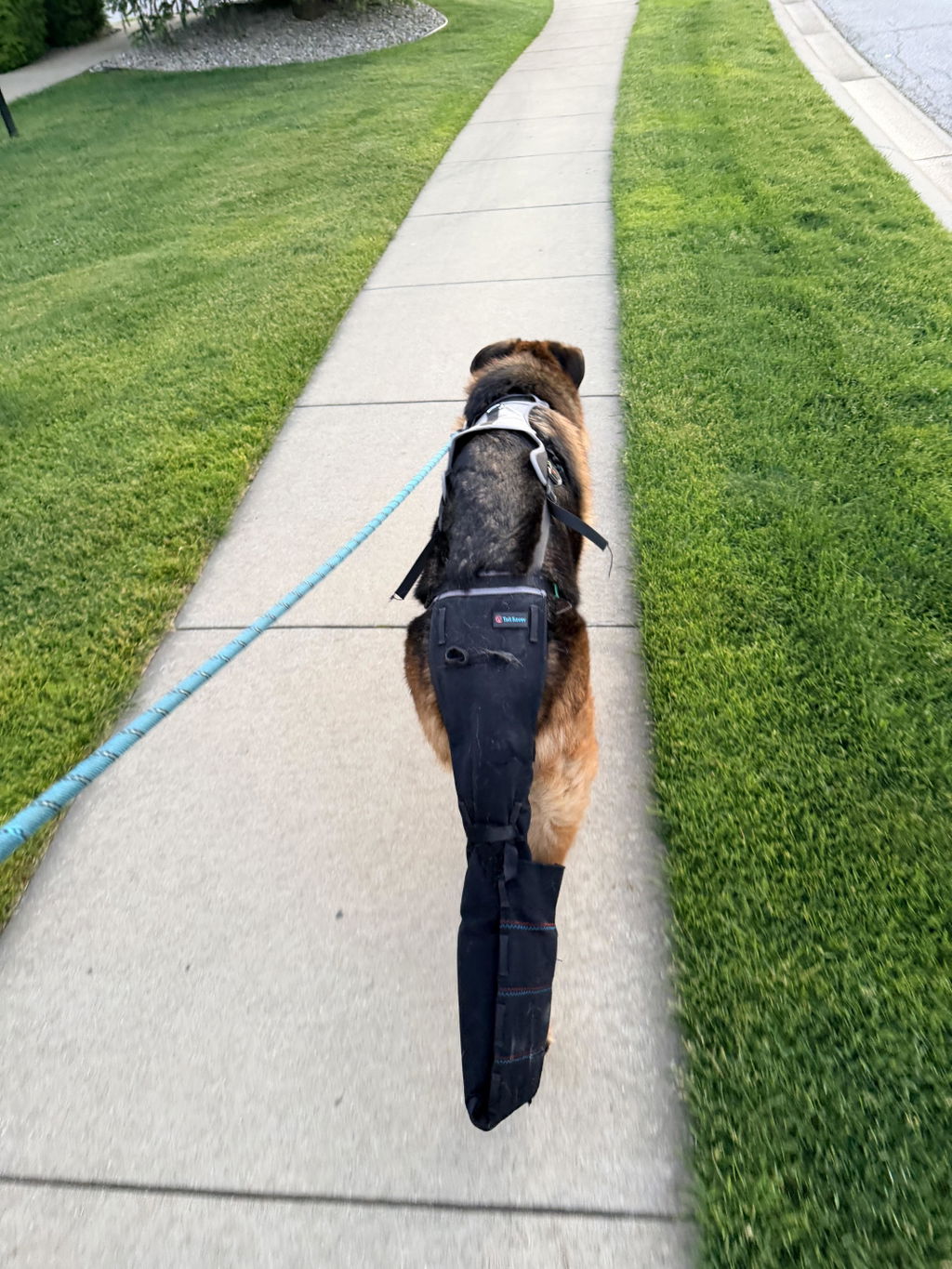
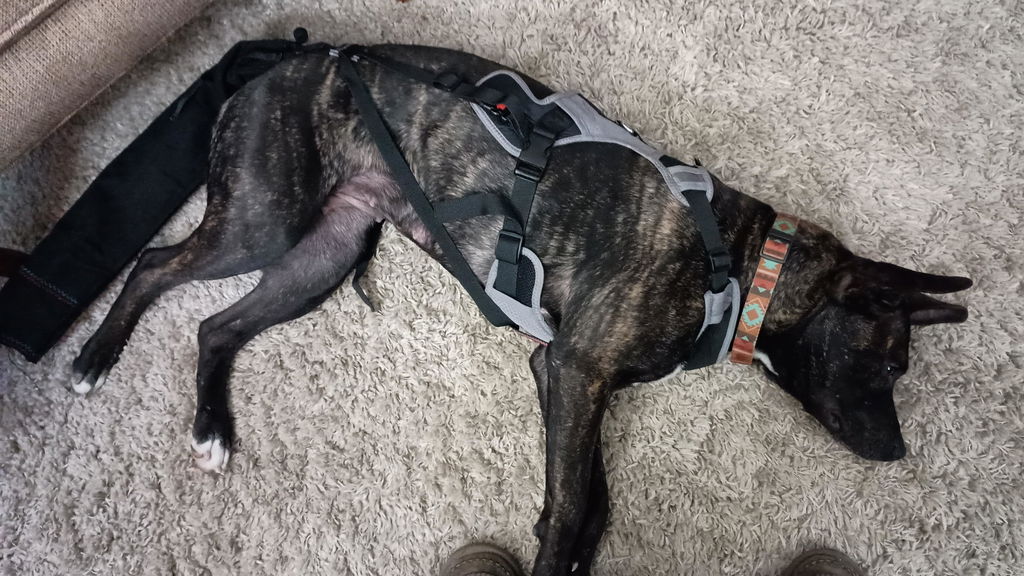
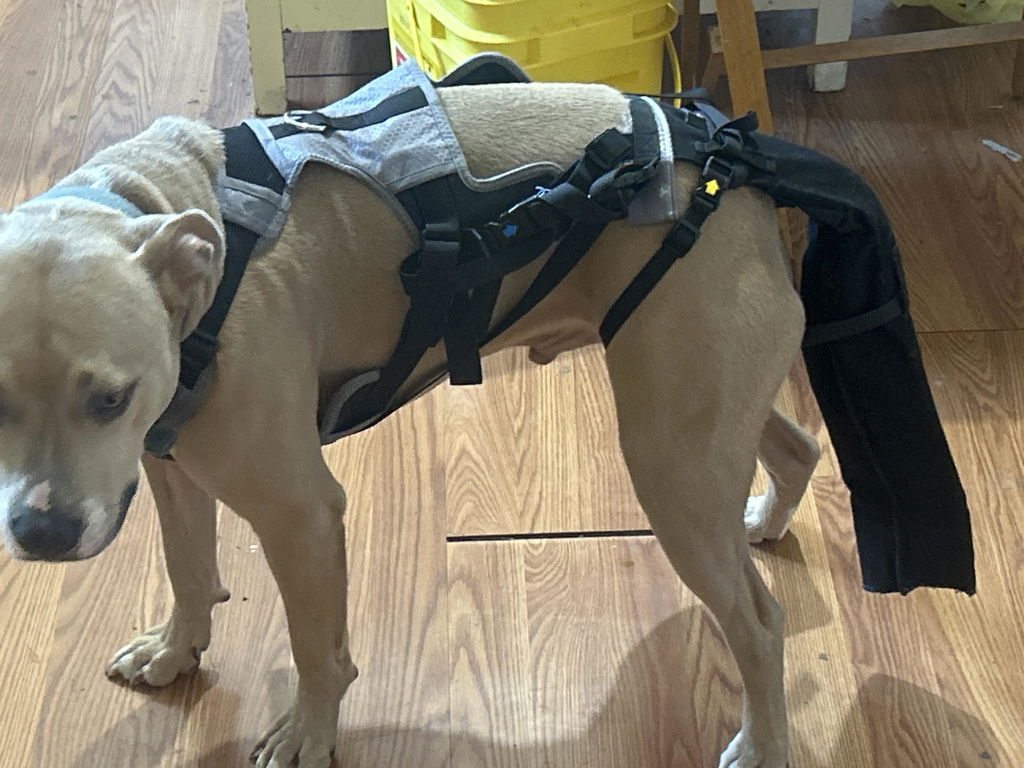
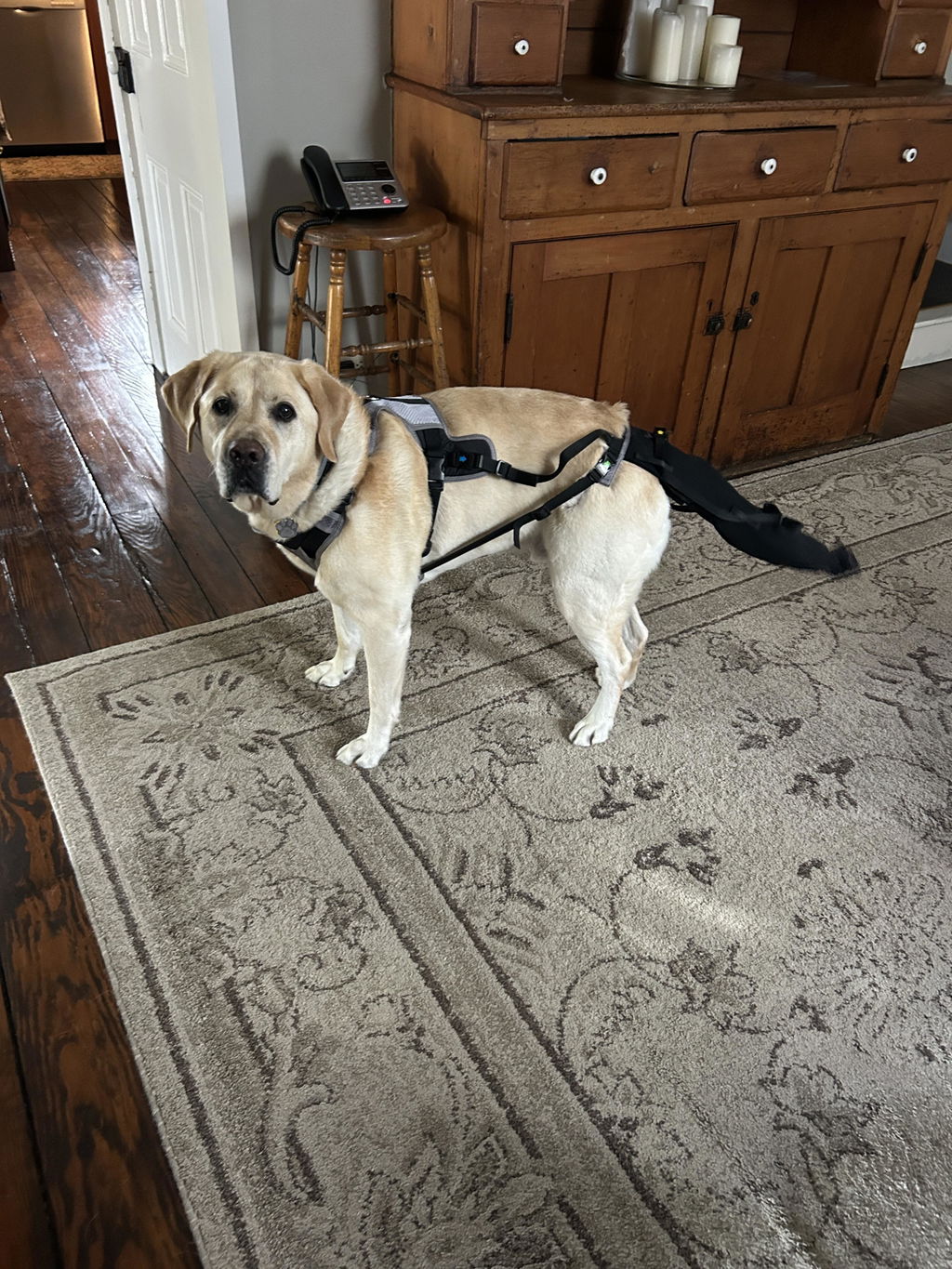
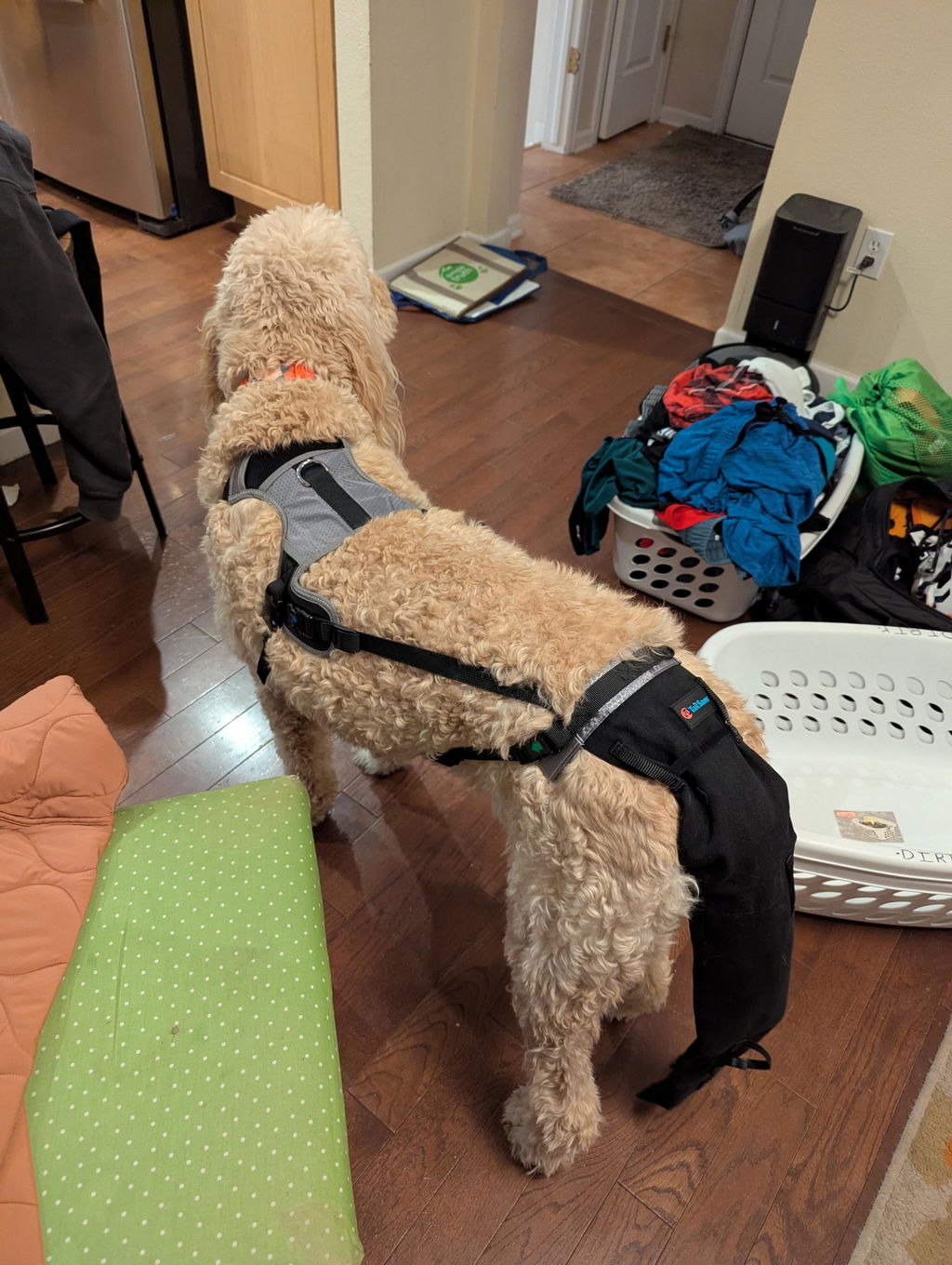
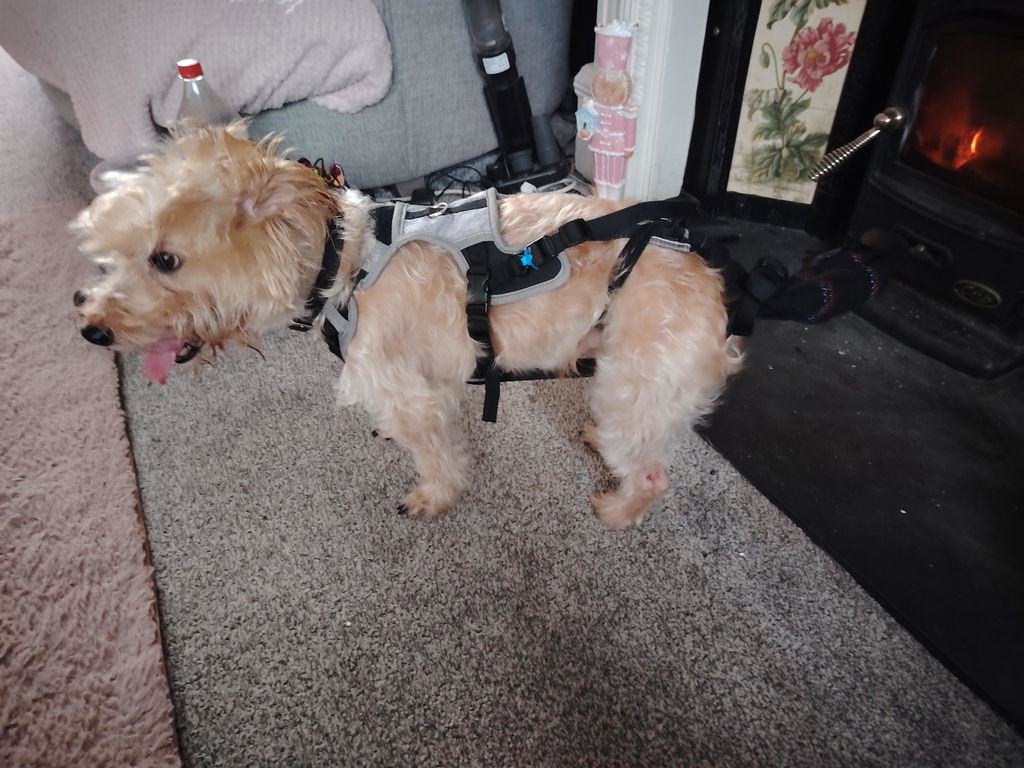
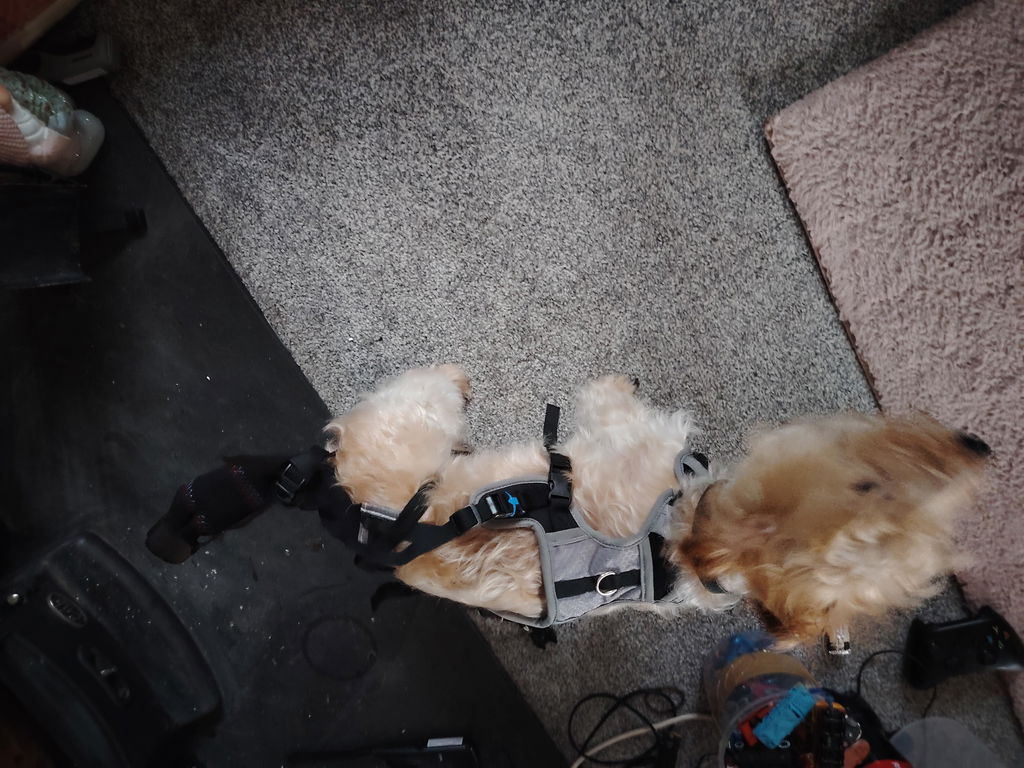
The K9 TailSaver provides effective protection:
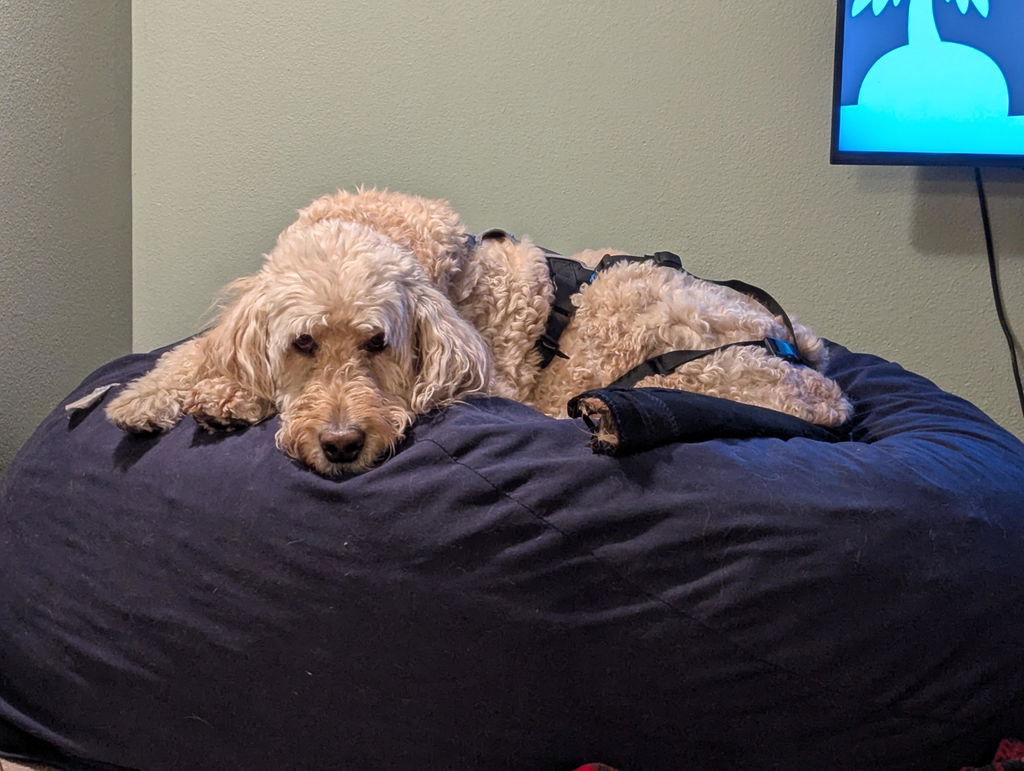
- Loose sleeve design: Dogs leave it alone because it's comfortable and doesn't restrict movement
- Padded protection: Prevents impact injuries from hard surfaces
- Stays on continuously: Works during bathroom breaks, play, and sleep
- Keeps wounds clean: Protects from dirt, debris, and licking
- Breathable and washable: Maintains hygiene without constant changes
- No cone or muzzle needed: Dogs can't reach the tail to chew or lick
- Promotes faster healing: Wounds heal quicker compared to traditional bandaging
Step 4: Manage Pain and Comfort
Tail injuries are extremely painful, and proper pain management is essential:
Veterinary Pain Management
- Consult your vet about appropriate pain relievers
- Anti-inflammatory medications reduce swelling and discomfort
- Never give human pain medications without veterinary approval—many are toxic (even lethal) to dogs
Comfort Measures
- Provide a soft, comfortable bed
- Minimize excitement and activities that trigger vigorous wagging at first
- Keep greetings calm to reduce tail movement
- Create a stress-free environment with minimal loud noises
Step 5: Address Behavioral Factors
Understanding and modifying behaviors that contribute to tail injuries supports long-term success:
Stress-Induced Behaviors
If your dog is tail chasing, biting, or excessively licking:
- Identify triggers causing stress or anxiety
- Use positive reinforcement to redirect attention
- Consider consulting a Veterinarian and dog behaviorist
- Address underlying anxiety or compulsive behaviors
- Use a TailSaver as that may cure the problem as it has for many dogs.
Excitement Management
- Keep arrivals and departures calm
- Reduce excitement during feeding time
- Train calm greeting behaviors
- Manage playtime to prevent excessive wagging
Step 6: Environmental Modifications
Creating a healing-friendly environment prevents reinjury:
- Pad hard surfaces: Install foam bumpers on walls, door frames, and furniture
- Provide space: Avoid confining to small crates or kennels during healing
- Identify problem areas: Listen for the thump sound and address those spots
- Remove hazards: Eliminate sharp objects or dangerous surfaces
- Create calm zones: Designate quiet areas for rest and recovery
Step 7: Monitor and Adjust Treatment
Regular monitoring ensures your treatment approach is working:
Watch for Improvement
- Reduced bleeding and discharge
- Wound closing and new tissue forming
- Decreased pain and discomfort
- Less licking or attention to the tail
- Improved behavior and mood
Warning Signs Requiring Veterinary Care
- Increased redness, swelling, or discharge
- Foul odor from the wound
- Necrotic (blackened) tissue developing
- Fever or lethargy
- Extreme pain or behavioral changes
- Wounds not improving after several days
When Professional Veterinary Care Is Needed
Your veterinarian plays an important role in comprehensive tail care:
Initial Consultation
- Detailed examination to assess injury severity
- Identification of underlying health issues
- Personalized treatment plan for your dog's specific needs
- Prescription medications if needed (antibiotics, pain relievers)
Advanced Treatment Options
For severe or persistent injuries, your vet may recommend:
- Laser debridement or scraping: Removes damaged tissue and can save the tail
- Antibiotics: Fights infection
- Pain management protocols: Ensures comfort during healing
- Partial amputation: Only in severe cases where healing isn't possible, though often avoidable with proper protection
A Holistic Approach to Tail Health
The most effective treatment combines multiple strategies:
- Physical healing: Proper wound care and topical treatments
- Protection: Preventing reinjury with reliable tail protection
- Pain management: Keeping your dog comfortable
- Behavioral support: Addressing stress and anxiety
- Environmental modifications: Creating a safe healing space
- Veterinary guidance: Professional oversight and support
This comprehensive approach addresses not just the symptoms but the root causes, promoting long-term tail health and preventing future injuries.
From Hurt to Happy: The Path Forward
Tail injuries can be painful, stressful, and expensive but with the right treatment approach, most dogs can heal completely without surgery. The key is combining effective wound care with reliable protection that prevents the reinjury cycle.

In our experience helping over 10,000 dog tails proper tail protection is the single most important factor in successful healing. When wounds are protected from reinjury, licking, and dirt, they can heal quickly—often in less than a week for fresh injuries. Your dog's tail is an important part of their communication and joy, and with the right care, you can nurture it back to health while keeping your dog happy and comfortable throughout the healing process.
Final Thoughts
Dog tail injuries can be heartbreaking and expensive—but with the right care and protection, most dogs can heal without surgery and get back to their happy selves.
Other Helpful Resources
We believe in helping dog owners find the best care for their pets. Here are some other trusted sites that have helped us and many dog owners:
PetMD - Happy Tail Syndrome Guide
Expert vet advice on happy tail syndrome treatment and care.
Have Dog Will Travel
Great tips for traveling with dogs and keeping them safe on the go.
Brian's Bandages
Quality bandaging supplies for pet injuries.
PetHelpful
Helpful articles and advice for all kinds of pet care needs.
What to do next
If you are ready to stop the re-injury cycle, go to the main K9 TailSaver set now. If fit is your only hesitation, run the size finder first. If your dog is between sizes or actively reopening the wound, text support for a faster fit check.
Shop the main K9 TailSaver set
Find my size first | See first-fit instructions | Text support