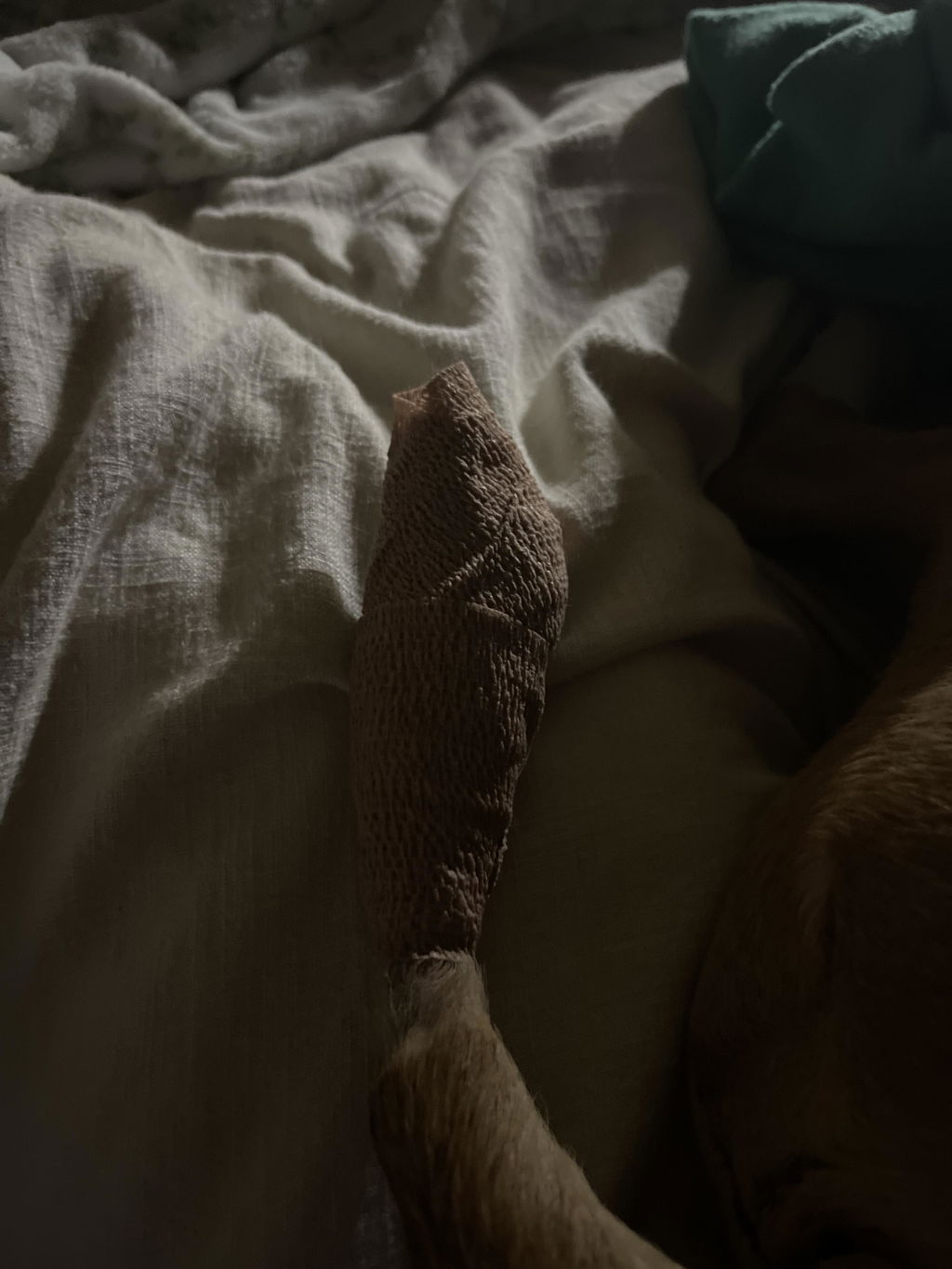
Kennel Tail Syndrome: What It Is, How It Differs from Happy Tail & Treatment
Kennel Tail Syndrome: What It Is and How It Differs from Happy Tail
Kennel Tail Syndrome and Happy Tail Syndrome describe the same underlying injury mechanism — repeated wag impacts causing a cycling open wound at the tail tip — but the term "kennel tail" specifically identifies the high-risk context of kennel and shelter environments. Understanding the kennel context is important because it changes which prevention strategies are available, who is responsible for management, and how the wound pattern presents differently from home-environment Happy Tail.
What Makes Kennels High-Risk Environments for Tail Injury
Cement block and metal bar surfaces
Standard kennel construction uses cement block walls, chain-link fencing, and metal bar runs. These surfaces are hard, have no cushioning, and typically feature sharp edges where chain-link or bars terminate. A kennel run involves these surfaces at exactly the tail height of the dogs housed in it. Every excited tail wag in a kennel run strikes a surface that concentrates impact force at the tail tip.
Excitement triggers are constant
Kennel environments produce constant excitement triggers: staff movement, other dogs passing, feeding, and the novelty of the environment itself. Dogs in kennels typically wag more intensely and more frequently than the same dog at home, where stimulation is more controlled. The combination of more vigorous wagging and harder impact surfaces produces a higher injury rate per unit time than most home environments.
Delayed detection
Kennel staff monitoring many dogs simultaneously may not notice early-stage Happy Tail until the wound is already cycling. Blood in a kennel environment is common from various minor injuries, and the pattern of a daily-reopening tail tip wound may not be identified as a chronic problem until significant damage has occurred.
Kennel Tail in Shelter Dogs Awaiting Adoption
Shelter dogs face compounded kennel tail risk. They are often highly stressed, produce intense excited wagging in response to any human interaction, are frequently re-homed after Happy Tail wounds have already progressed to Stage 2–3, and are described by shelter staff as having "bandage the tail again" wounds without a systematic management plan.
For potential adopters viewing a shelter dog with a tail wound: this is nearly always a kennel tail wound, not a sign of prior abuse, tail disease, or aggressive behavior. With appropriate protection once the dog is in a less provocative home environment, kennel tail wounds typically resolve quickly.
Kennel Tail vs. Home Happy Tail: Key Differences
| Factor | Kennel Tail | Home Happy Tail |
|---|---|---|
| Primary impact surface | Cement block, chain-link, metal bars | Drywall, furniture corners, crate bars |
| Impact frequency | Very high (constant stimulation) | Moderate (peak excitement periods) |
| Detection lead time | Often late (staff observation limits) | Earlier if owner observant |
| Stage at first treatment | Often Stage 2–3 | Often Stage 1–2 |
| Resolution after environment change | Faster (less stimulation at home) | Depends on home environment |
What Shelters and Boarding Facilities Can Do
Preventive equipment
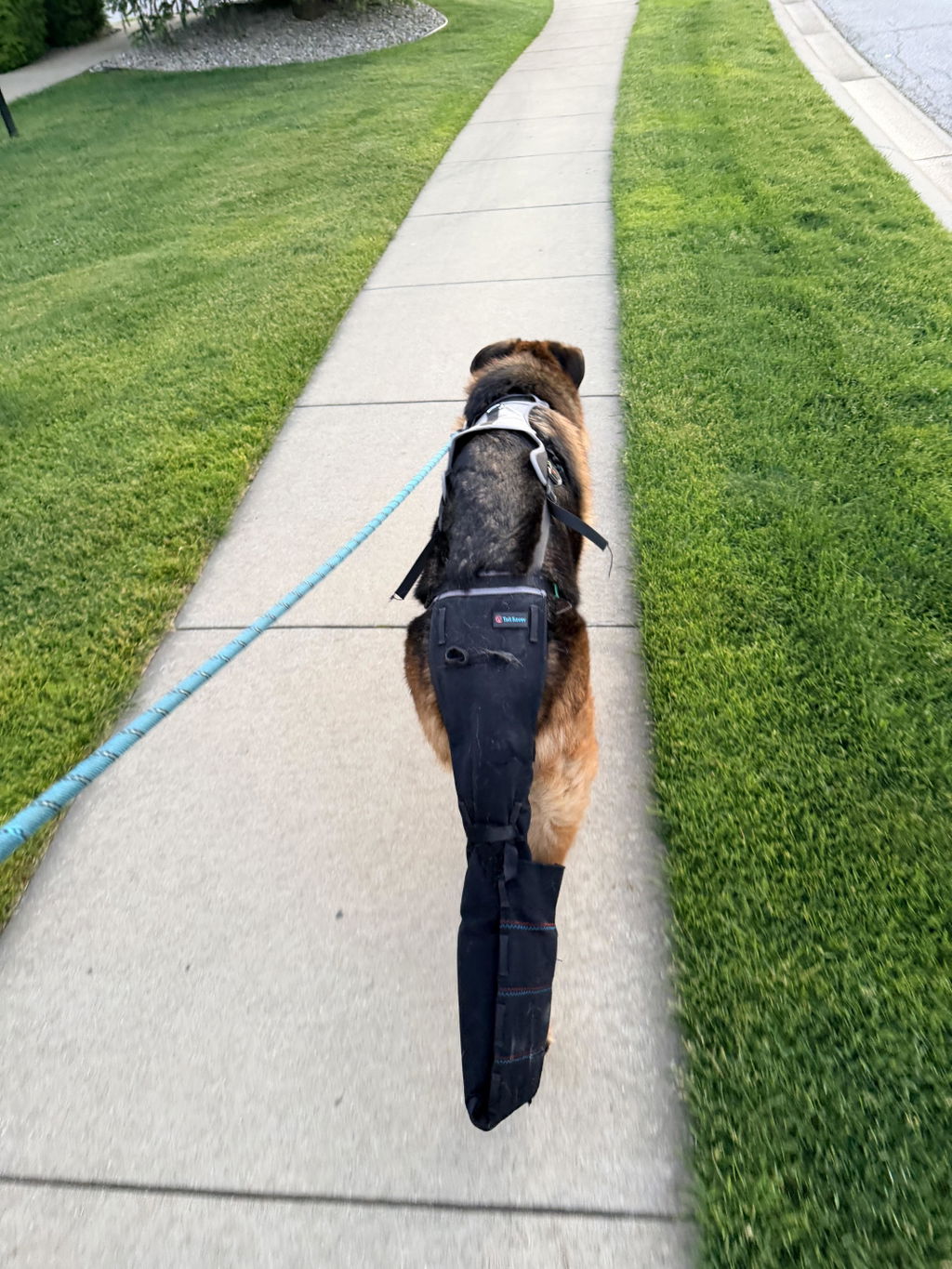
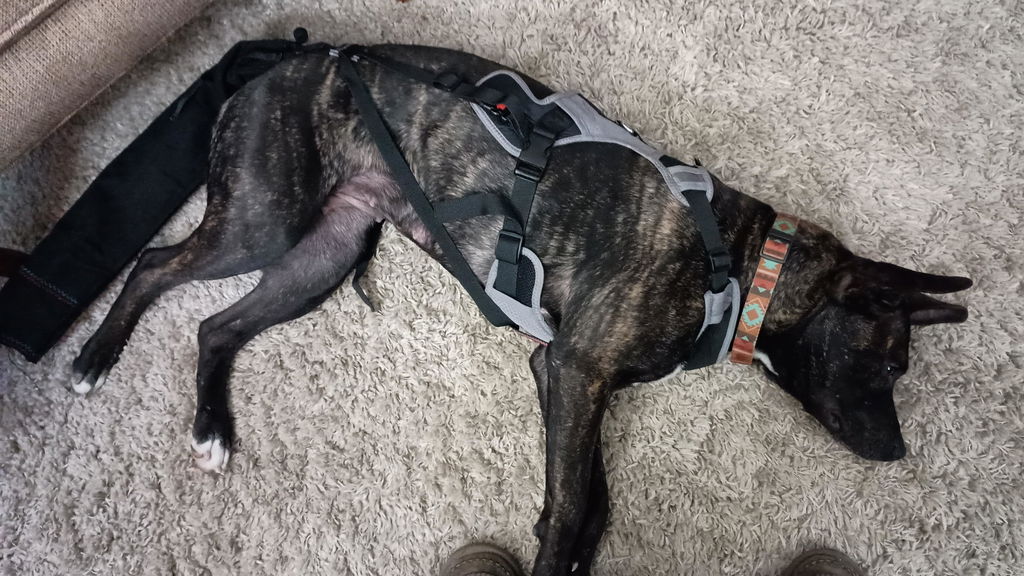
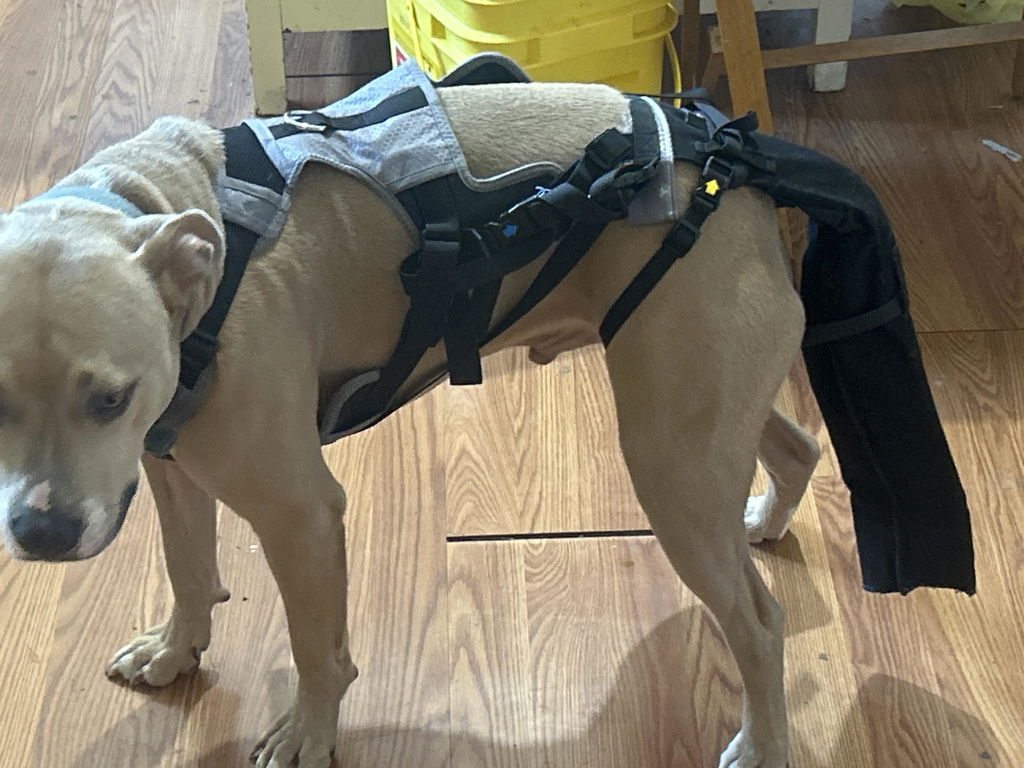
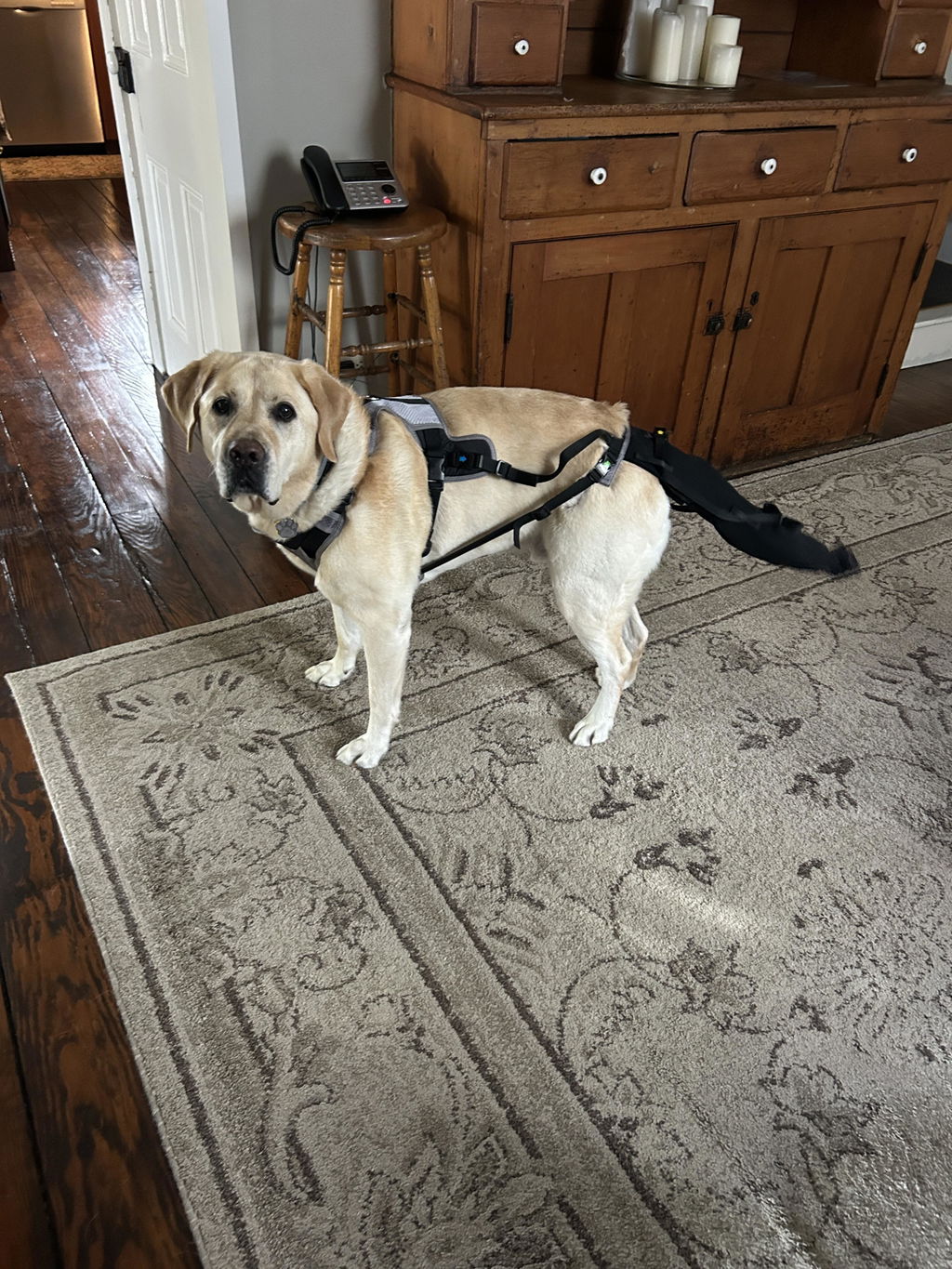
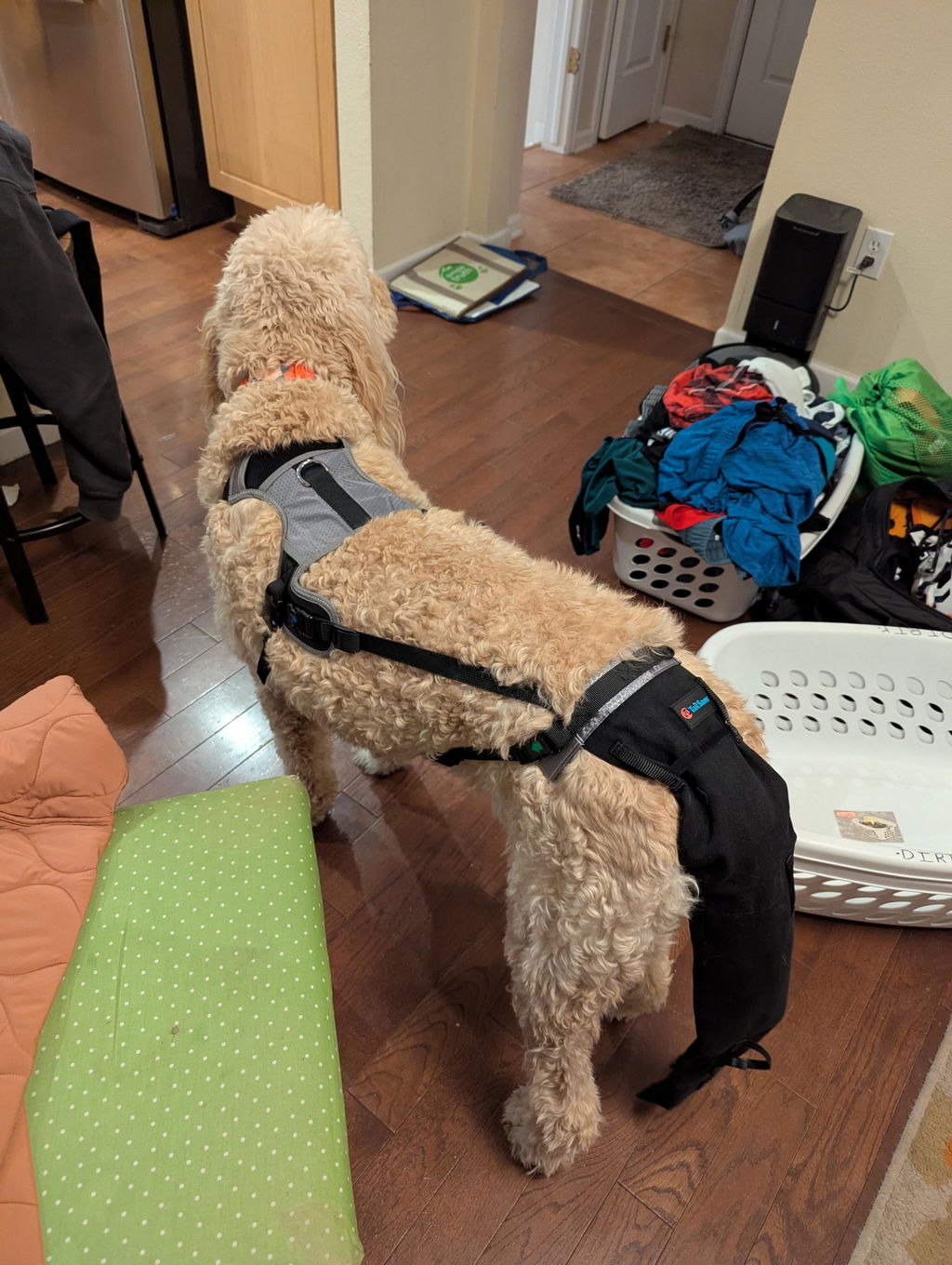
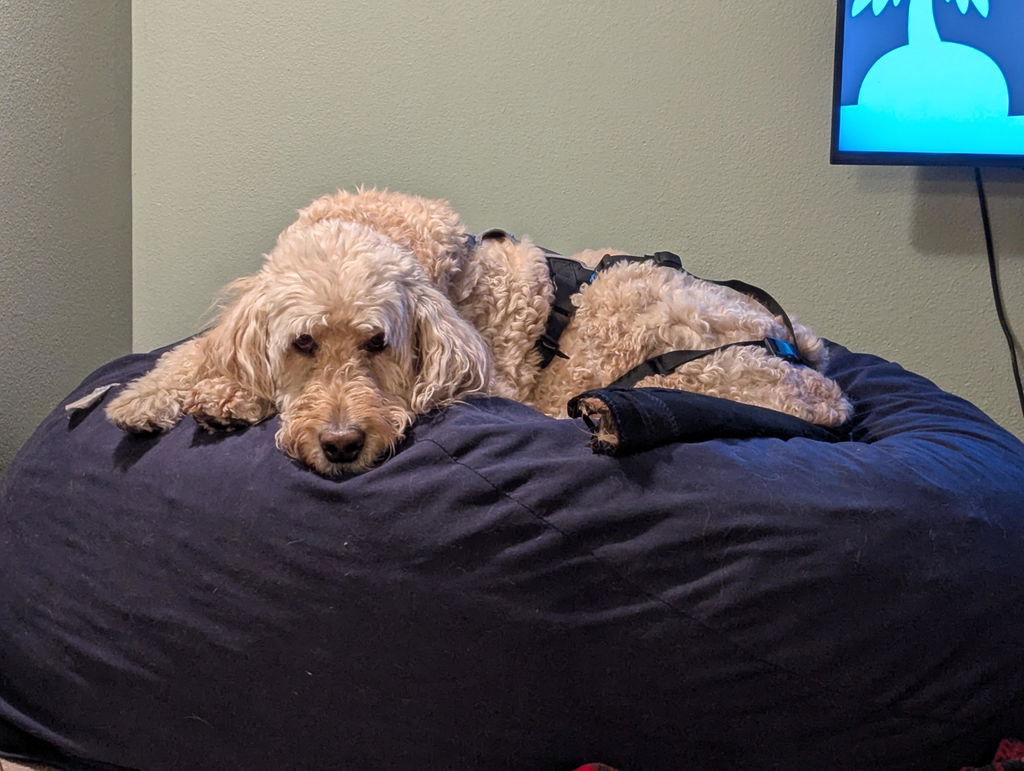
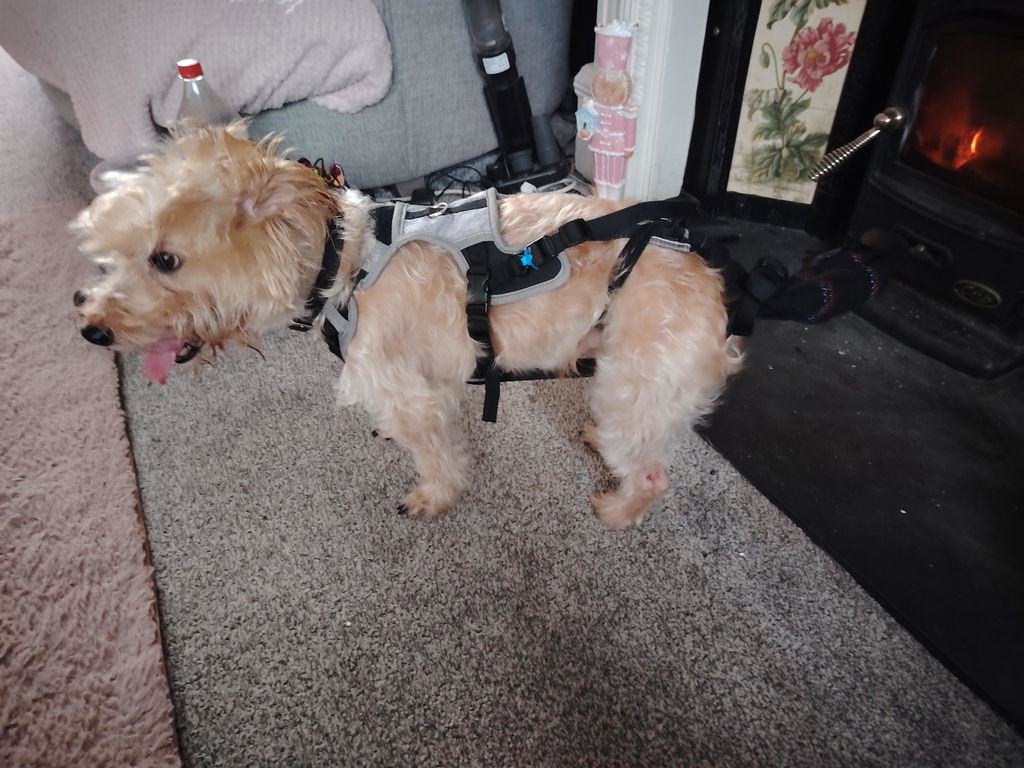
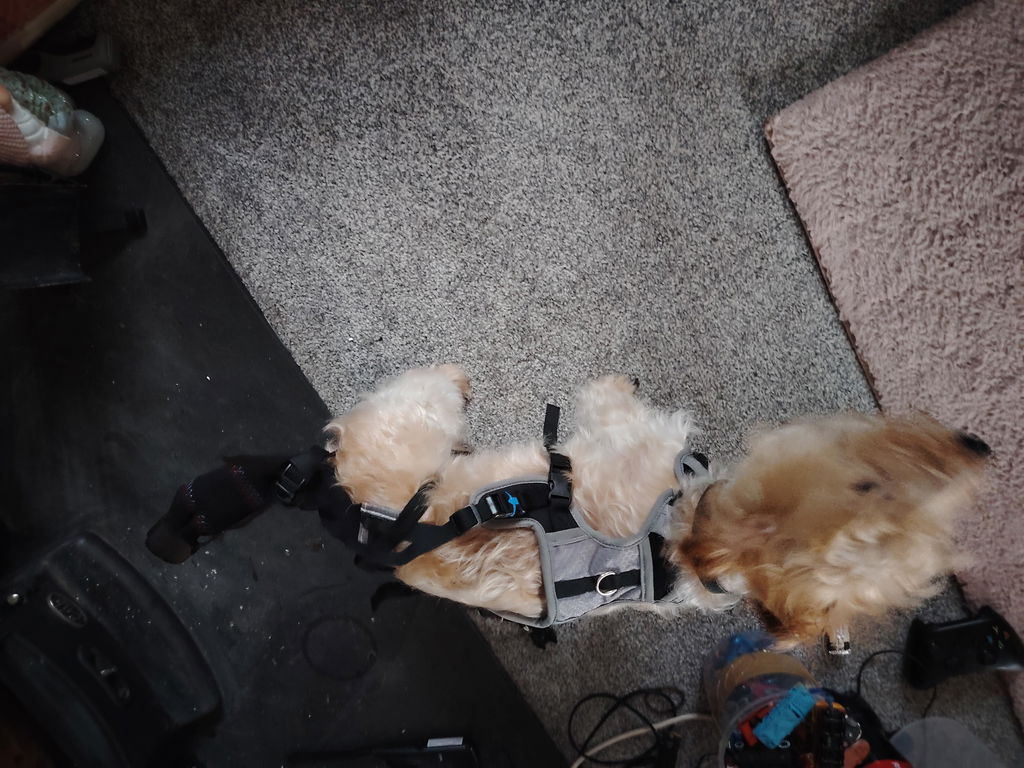
The K9 TailSaver® can be worn preventively by high-risk dogs in shelter environments before any wound occurs. Dogs with a history of kennel tail, or breeds known to be high-risk (Greyhounds, Labs, German Shepherds), should be fitted on intake. The cost of one K9 TailSaver is less than a single veterinary wound management visit for a kennel tail injury.
Run surface modification
For individual kennel runs housing repeat-injury dogs, covering chain-link panels and metal bars with rubber mat material at dog tail height reduces impact concentration. This is a low-cost modification that measurably reduces kennel tail incidence for high-risk residents.
Active tail monitoring protocol
Brief daily tail tip checks (30 seconds per dog) during morning rounds allows early identification before Stage 1 wounds progress to Stage 2. Early detection enables intervention before the wound establishes a cycling pattern.
Kennel Tail FAQ
The shelter said the dog has "happy tail" but it looks really bad. Is it the same thing?
Yes. "Happy tail" and "kennel tail" are the same injury at different stages.
A kennel dog that has had a tail wound for weeks may be at Stage 2–3.
See the staging guide to assess
your newly adopted dog's wound stage and the appropriate management protocol.
My dog's kennel tail wound healed quickly after adoption. Why does it keep coming back?
The home environment still has walls, furniture, and crate bars, even if it is
less intense than the kennel. And the dog still wags at peak excitement during
arrivals, feeding, and play. Without environmental modification and protective
management, the wound will recur in home environments for high-wag breeds.
Can I board my dog with an active kennel tail wound?
Only if the boarding facility can maintain the K9 TailSaver during the stay.
Notify the facility in advance, provide the device and clear care instructions,
and confirm staff capacity to perform daily wound cleaning. An active wound in
a kennel environment without protection will progress rapidly.