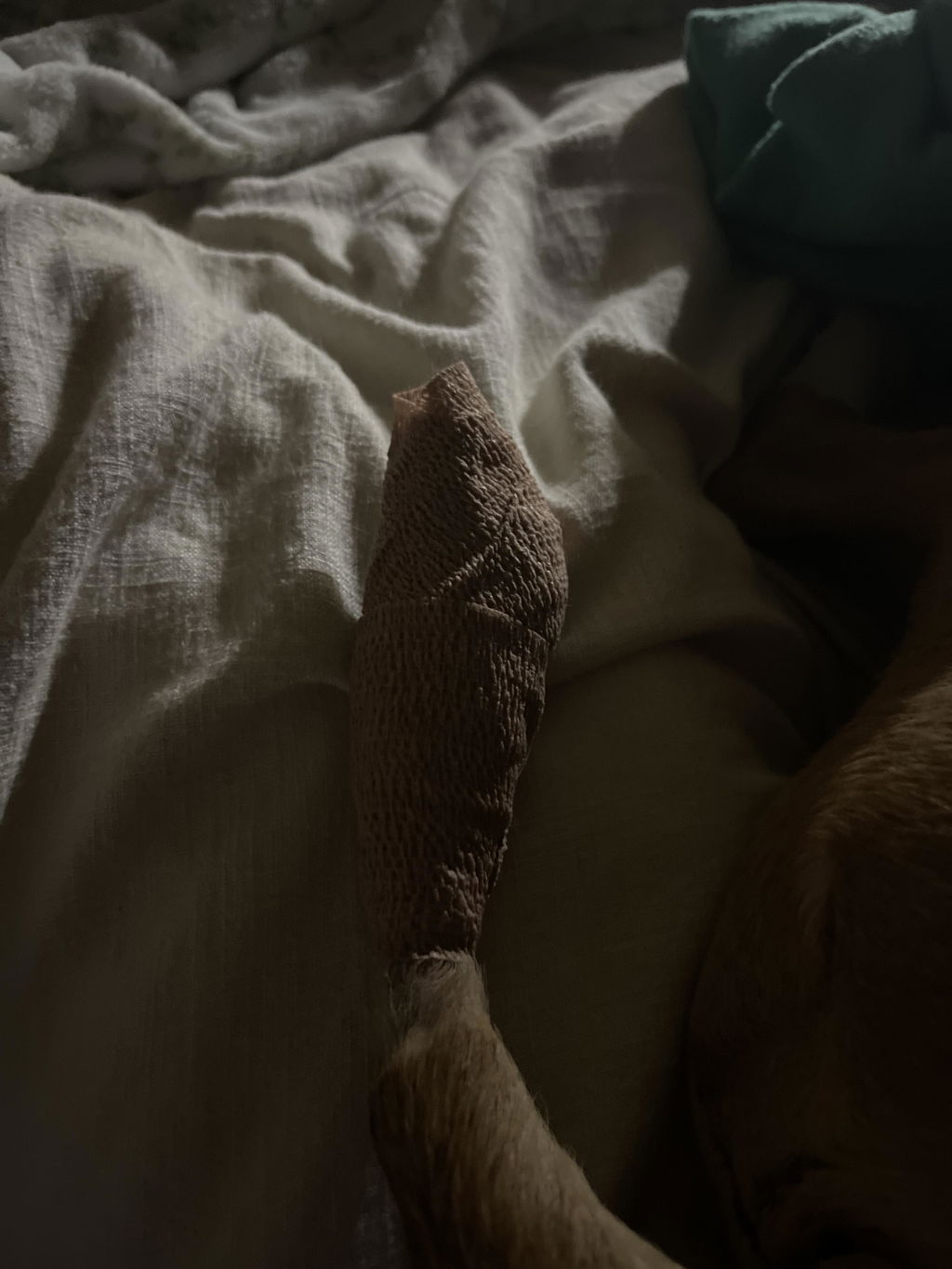
Why Dogs Chew & Bite Their Tail: Causes & Solutions
Why Your Dog Won't Stop Chewing and Biting Its Tail — And How to Stop the Damage
Many owners dismiss tail chasing as mere play, but when it progresses to dog chewing tail or dog biting tail, it signals a serious underlying issue. This is a painful, complex problem that leads to chronic injuries and requires immediate attention.
Understanding the Root Cause of Tail Chewing
When a dog is chewing its tail raw, the cause is rarely simple boredom. Common underlying reasons include:
Medical or Physical Pain: Often, pain from flea allergies, skin infections, or — crucially — hip pain or arthritis leads the dog to attack the area nearest to the source of discomfort.
Psychological Issues: Severe anxiety or chronic stress can trigger repetitive, self-destructive behaviors including compulsive tail biting.
Chronic Wound Focus: Once the skin is broken, the dog focuses on the physical wound, constantly licking and biting to relieve pain — resulting in a dog tail injury not healing.
Why Cones and Bandages Fail
Traditional methods fail quickly when dealing with a determined dog:
Cones Don't Work: Dogs easily contort their bodies and lick or chew past the cone to aggravate the tail.
Wraps Are Rejected: A dog will fiercely resist and chew off anything that binds, pinches, or interferes with movement.
To heal, the wound needs continuous, non-irritating protection that the dog cannot defeat. See the Chewing & Compliance FAQ for step-by-step strategies when a dog actively removes their protection.
The K9 TailSaver: Protection Engineered to Stop the Chewing Cycle
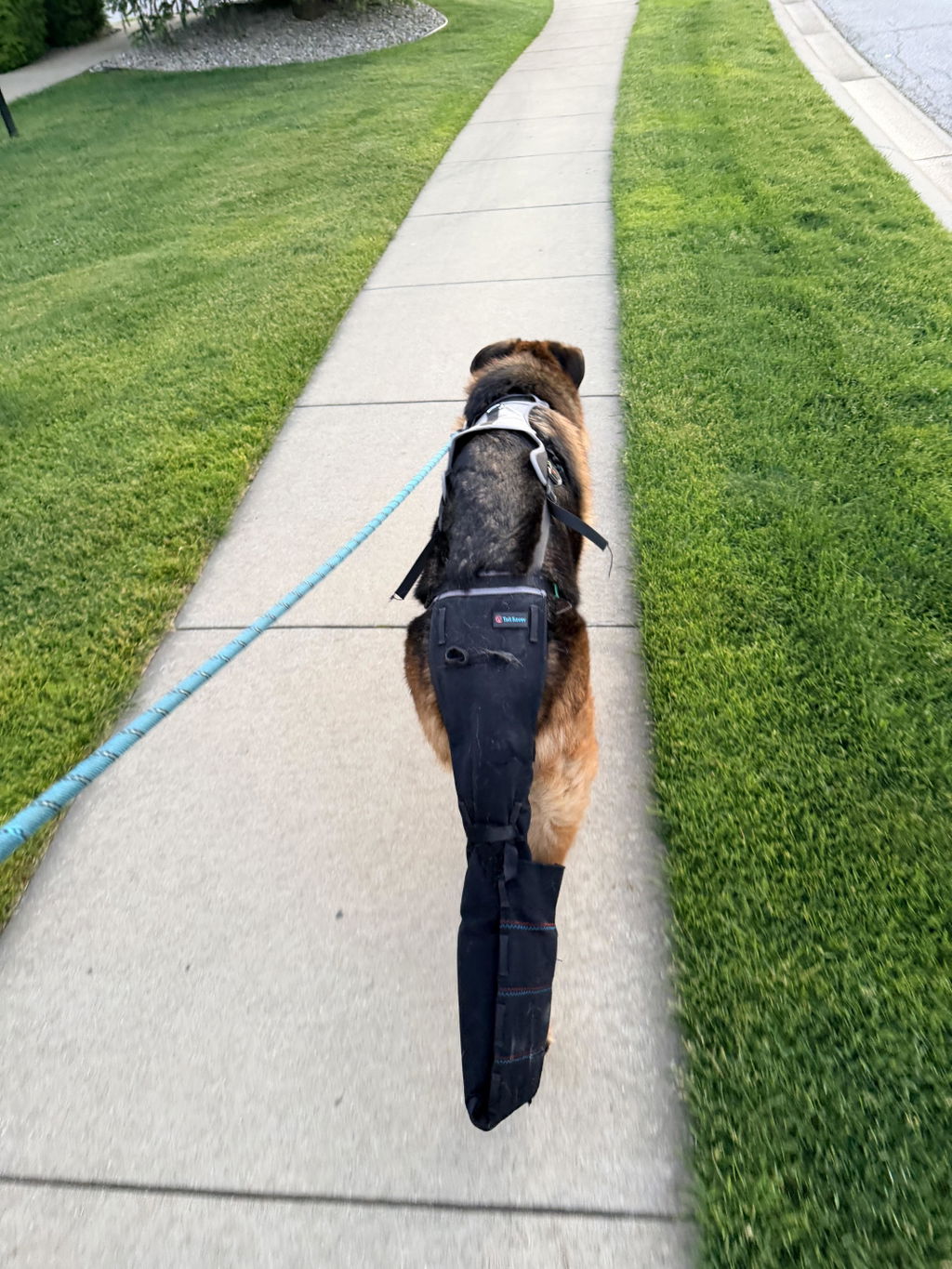
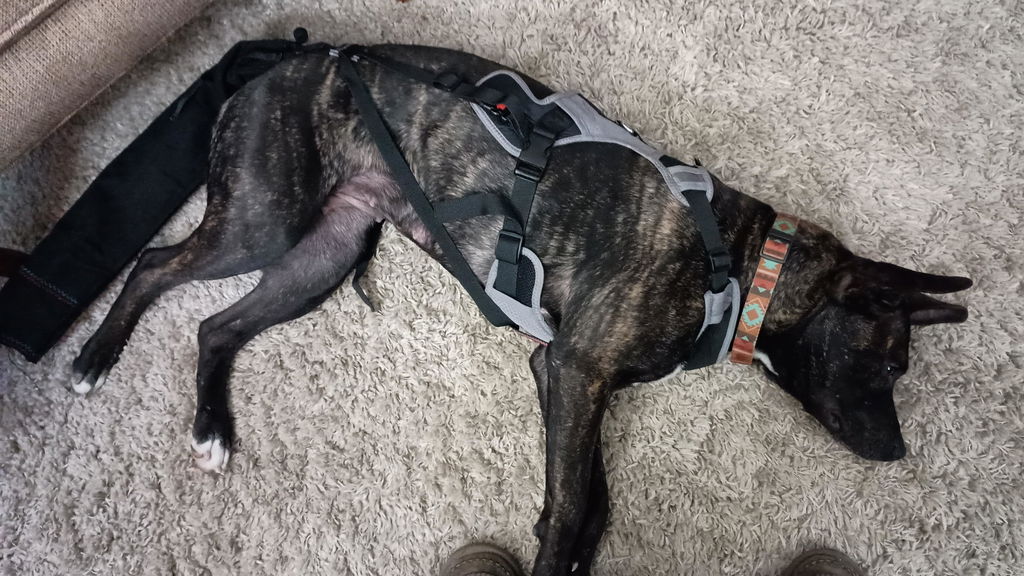
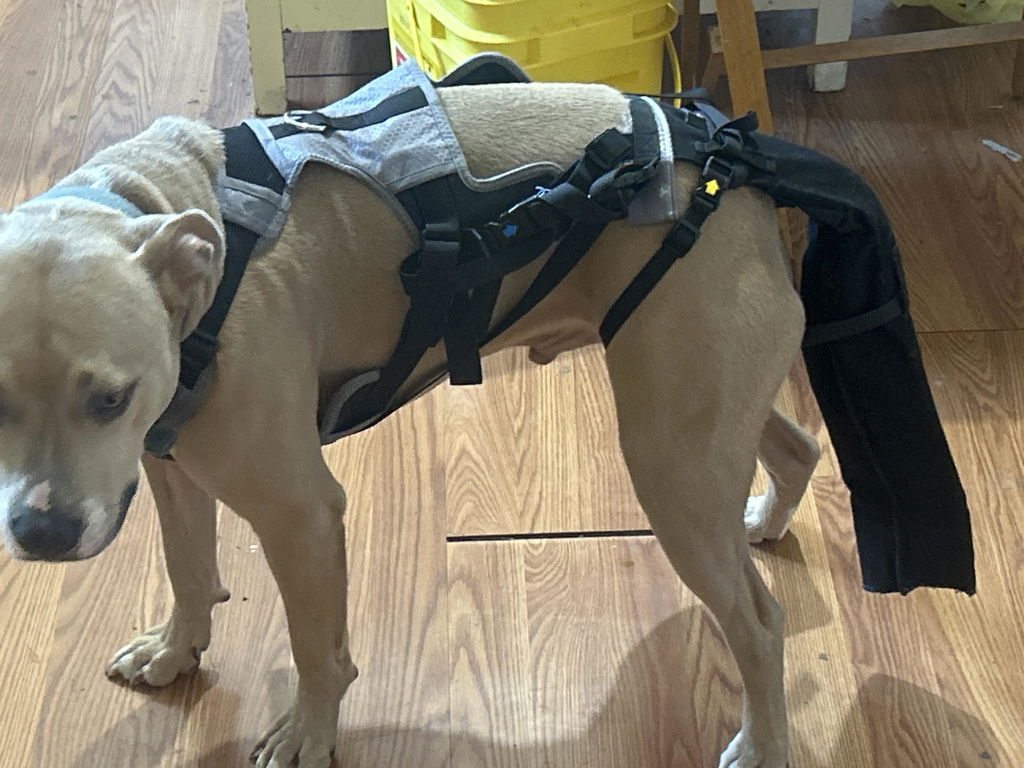
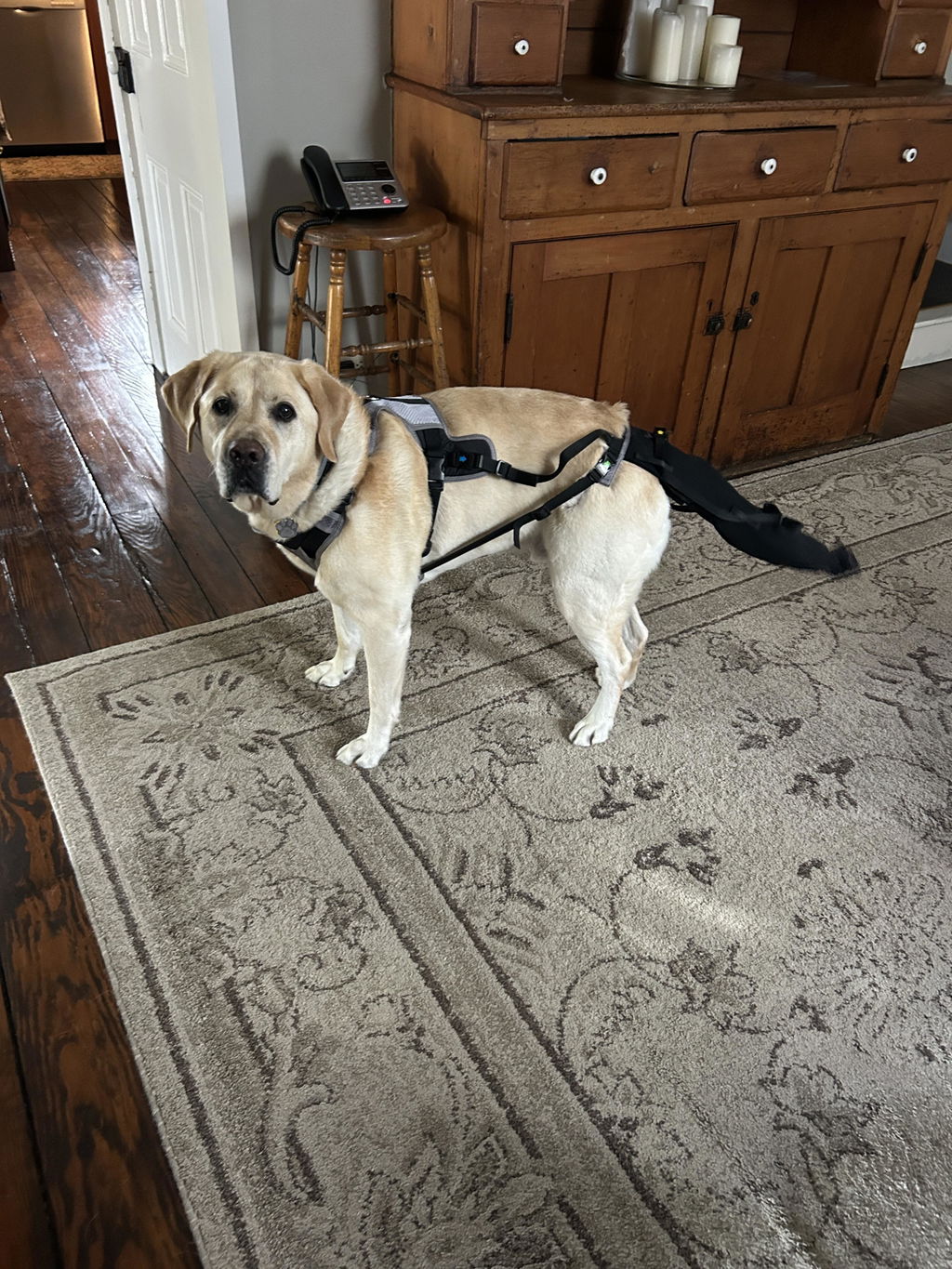
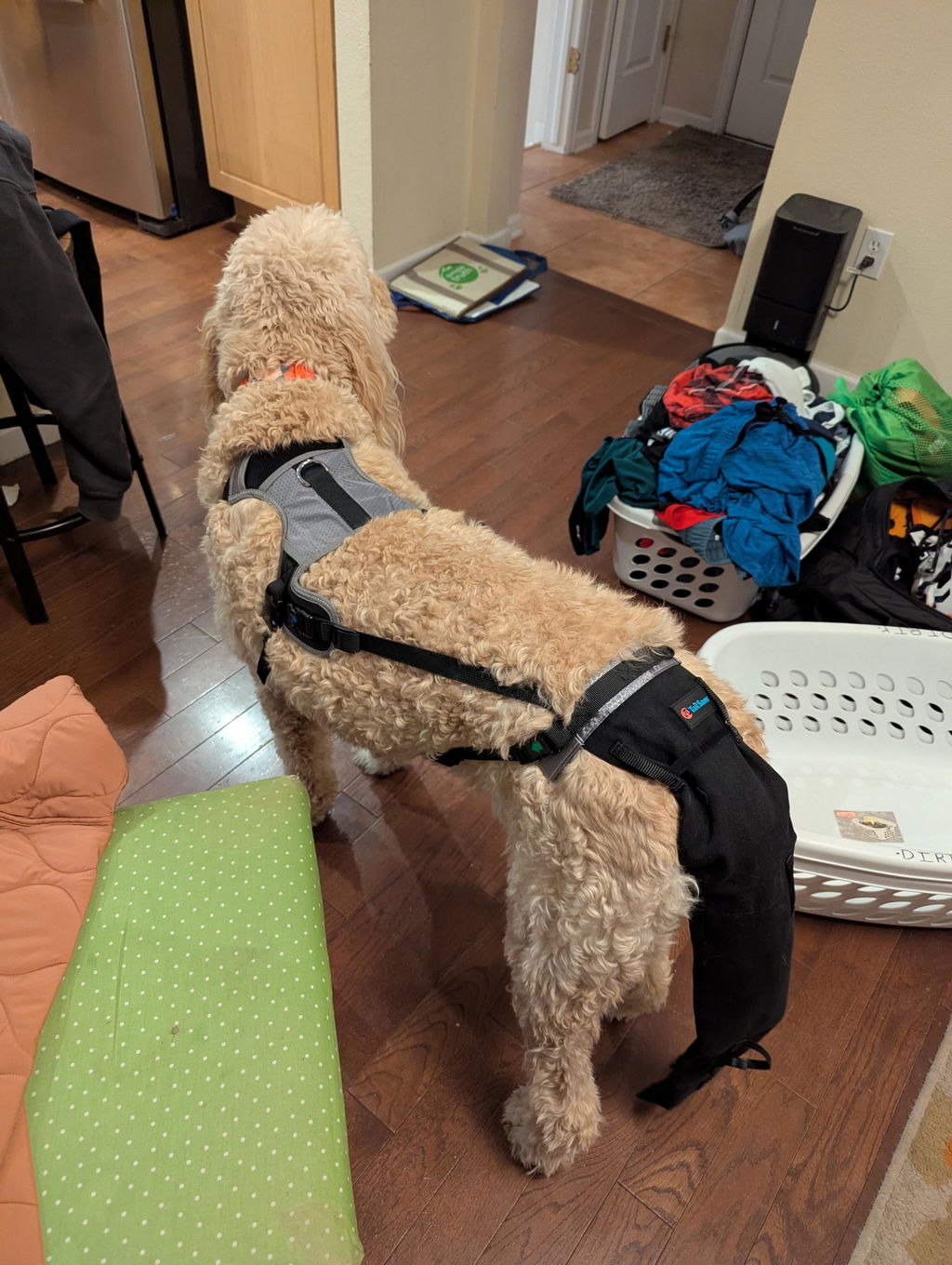
The K9 TailSaver is a veterinarian-designed solution that breaks the cycle of injury and re-injury. It provides the defense needed for healing:
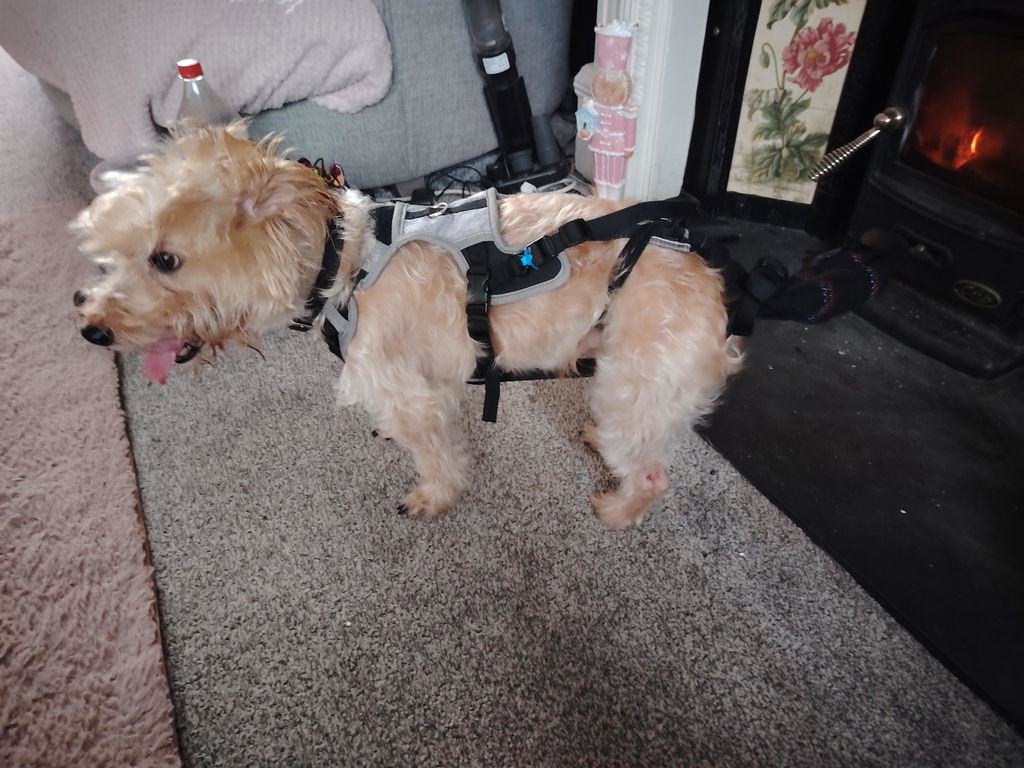
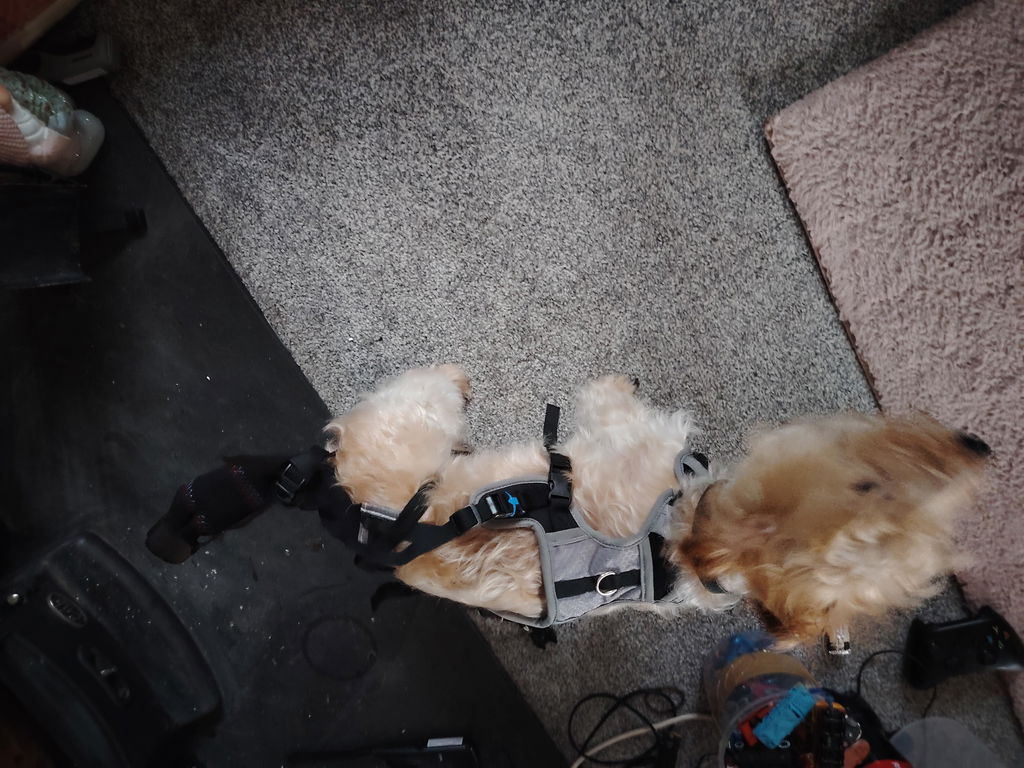
Stability Over Friction: It uses a patented 8-Strap Harness that anchors securely, ensuring the protective element stays centered over the wound without binding the tail itself.
Wound Isolation: The breathable, padded tail sleeve protects the injury from the dog's mouth and surrounding environment, promoting hygiene.
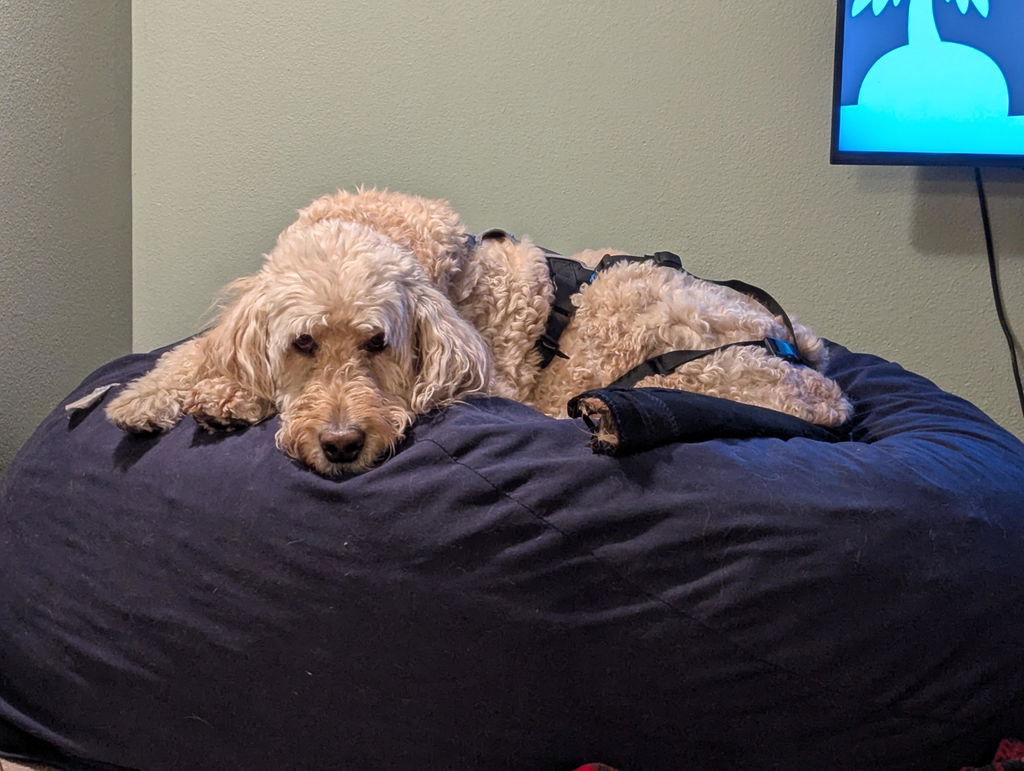
Compliance by Design: Because the system allows natural tail movement and permits the dog to go potty freely without removal, the dog is far less likely to become irritated and try to chew the device off.
By ensuring the wound is protected and the dog cannot access it, the K9 TailSaver facilitates the physical healing required — allowing you and your vet to focus entirely on the behavioral or medical root cause.
When to Involve a Veterinarian
If the tail wound shows signs of infection (swelling, foul smell, warmth, discharge), or if the self-chewing behavior is severe and compulsive, contact your vet immediately. See the Vet & Safety FAQ for escalation thresholds.